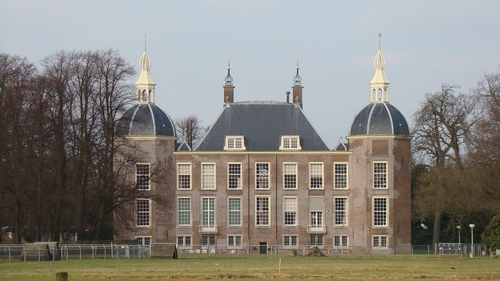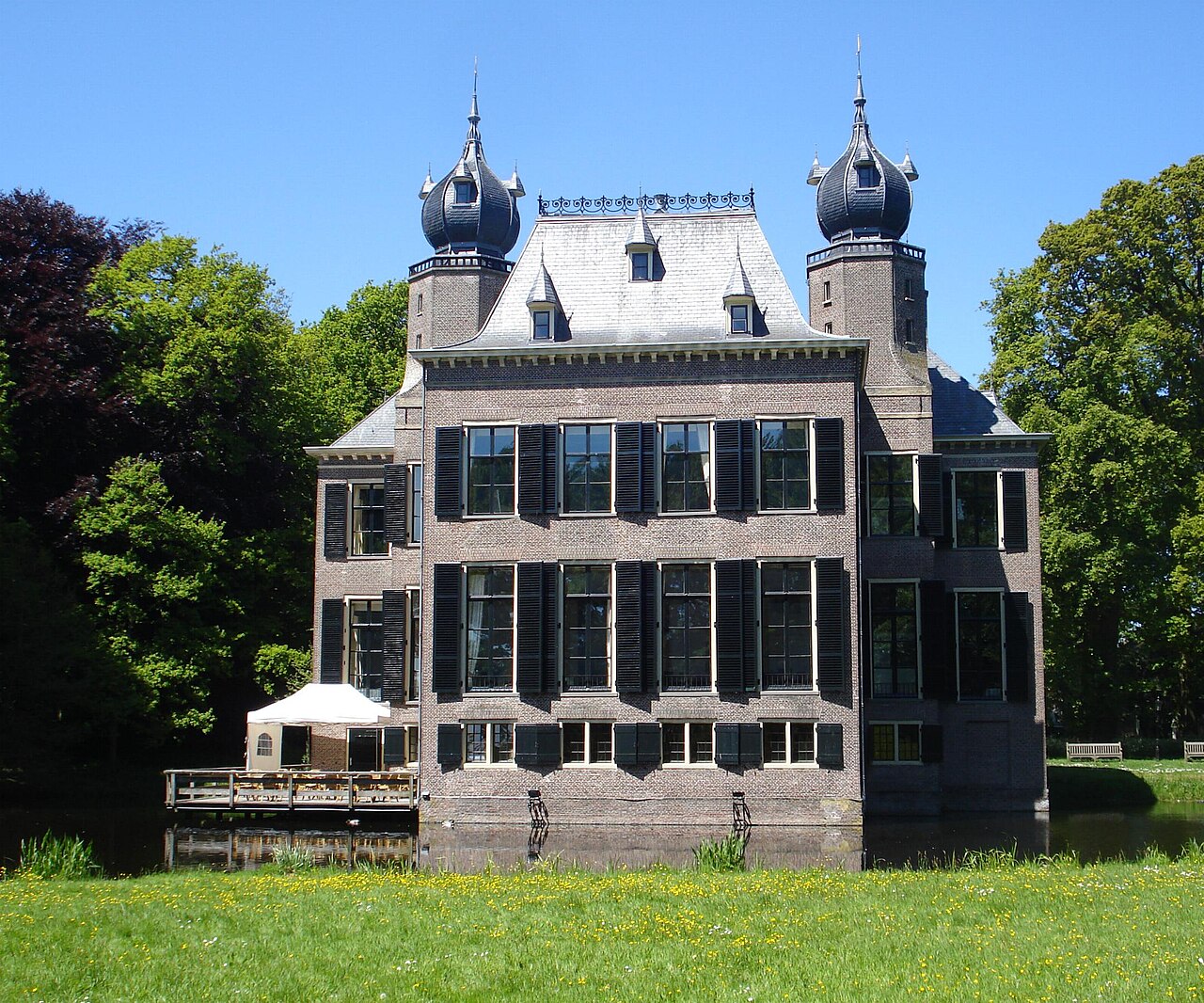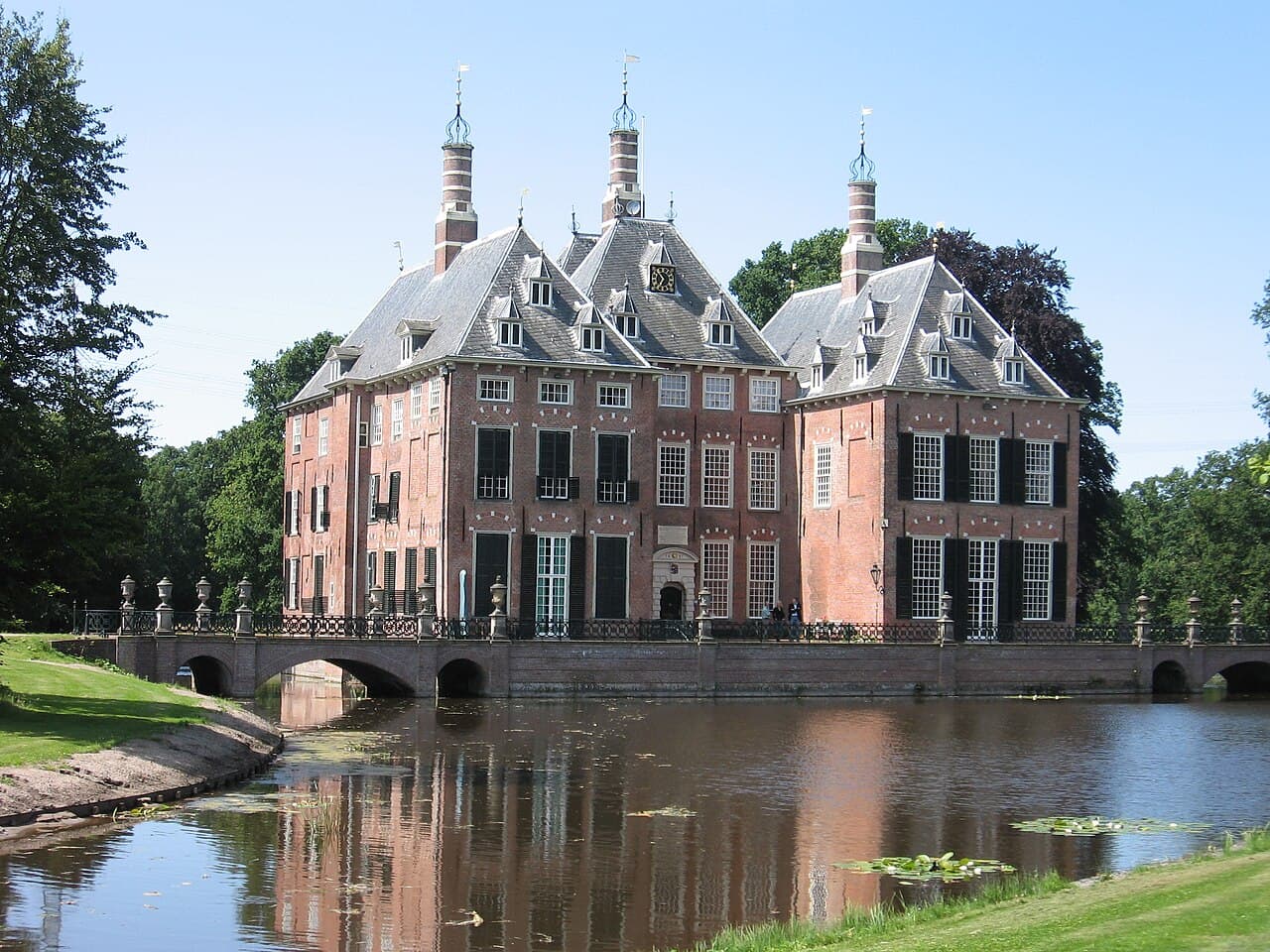
Duivenvoorde Castle
Duivenvoorde Castle stands as one of the oldest and most historically significant castles in South Holland, with its first recorded mention dating back to 1226. This high medieval castle has the rare distinction of never having been sold, remaining in the possession of noble families through inheritance for centuries. Its continuous lineage, primarily through the van Duivenvoorde family and later the House of Wassenaer, highlights the castle's deep-rooted connection to Dutch aristocracy and regional history.
Medieval origins and noble lineage
The castle's origins in the 13th century situate it firmly within the high medieval period, a time when fortified residences were essential for local lords to assert control and defend their lands. The van Duivenvoorde family, who gave the castle its name, owned it for the first five centuries of its existence. This family was part of the larger and influential House of Wassenaer, an ancient noble lineage with a prominent role in Dutch history. Towards the end of the 17th century, Johan van Duvenvoorde readopted the family name van Wassenaer, signaling a continuity of heritage under a different name.
Architectural features and preservation
Duivenvoorde Castle is an example of a hill castle type, typical for its strategic placement and defensive features characteristic of medieval fortifications. The castle complex includes a moat, gatehouse, and curtain walls that have been preserved or restored over time. The castle's structure reflects architectural evolutions from its initial medieval fortress to subsequent modifications that introduced more residential comforts while maintaining defensive capabilities.
Significant restoration efforts have aimed to preserve the castle's appearance as it was around 1717. While some modern alterations, such as a terrace added circa 1844, remain, the interior has been carefully redecorated to reflect the early 18th-century color schemes and styles. Some original ceiling decorations have been retained, providing visitors with a glimpse into the castle's historic ambiance.
Historical artifacts and cultural significance
Among Duivenvoorde's notable features are two Roman stones installed as plaques in the front hall in 1717. These stones date from the 2nd century AD and bear inscriptions related to Roman military activities, including the repair of an armory. The larger stone, dated between 196 and 198 AD, has an inscription on one side about Roman troops, while the other side contains an older text from between 103 and 111 AD. The smaller stone is dated around 205 AD, based on the individuals named in the inscription. These artifacts underscore the castle's connection to a much older historical narrative predating its medieval origins.
Modern use and public access
Today, Duivenvoorde Castle functions as a museum, offering the public access to its rich history and well-preserved interiors. However, the castle is only partially open to visitors since the south wing remains inhabited. The last private owner, Jonkvrouwe Ludolphine Henriette, Baroness Schimmelpenninck van der Oye (1891-1965), entrusted the castle to a foundation to ensure its preservation and prevent the dispersal of its valuable collections of portraits, porcelain, and textiles. This act has allowed Duivenvoorde to maintain its historical integrity and cultural heritage for future generations.
Visiting information
Visitors to Duivenvoorde Castle can explore its historic halls, gardens, and exhibitions that showcase the noble family's legacy and the castle's architectural evolution. The museum provides insight into the Dutch noble lifestyle from the medieval period through the early modern era. While some areas are private, guided tours and special events help illuminate the castle's significance in Dutch history.
Frequently asked questions (FAQ)
- How do I get to Duivenvoorde Castle?
- Duivenvoorde Castle is located in Voorschoten, Netherlands, and is easily accessible by car or public transportation. If you're taking public transport, you can take a train to Voorschoten station and then a short bus ride or a pleasant walk to the castle.
- What is the historical significance of Duivenvoorde Castle?
- Duivenvoorde Castle dates back to the 13th century and is one of the oldest castles in the Netherlands. It has played a crucial role in the region's history and has been owned by several noble families, making it a significant cultural landmark.
- When was Duivenvoorde Castle built?
- Construction of Duivenvoorde Castle began in the early 13th century, with its first historical mention in 1285. Over the centuries, the castle has undergone various renovations and expansions, preserving its historical essence while adapting to modern needs.
- Can I take a guided tour of Duivenvoorde Castle?
- Yes, guided tours are available at Duivenvoorde Castle, providing visitors with in-depth information about its history, architecture, and the families who lived there. It's a great way to enhance your experience and learn more about this fascinating site.
- Why is Duivenvoorde Castle considered an architectural gem?
- Duivenvoorde Castle showcases a blend of medieval and Renaissance architectural styles, with stunning features such as its moat, towers, and intricate interiors. The preservation of its original structure and the beautiful gardens enhance its appeal as an architectural gem.
- Is it possible to host events at Duivenvoorde Castle?
- Yes, Duivenvoorde Castle offers facilities for hosting events, including weddings, corporate gatherings, and private parties. With its picturesque setting and rich history, it provides a unique backdrop for memorable occasions.
- What are the opening hours for Duivenvoorde Castle?
- Duivenvoorde Castle is open to visitors from Tuesday to Sunday, with specific hours varying by season. It is advisable to check the official website for the most current opening times before planning your visit.
- What are the ticket prices for visiting Duivenvoorde Castle?
- Ticket prices for Duivenvoorde Castle vary depending on age and type of tour. Generally, adult tickets are priced reasonably, with discounts available for students and seniors, making it accessible for all visitors.
- When is the best time to visit Duivenvoorde Castle?
- The best time to visit Duivenvoorde Castle is during the spring and summer months when the gardens are in full bloom, and the weather is pleasant for exploring the grounds. However, autumn also offers beautiful foliage, making it a lovely time for a visit.
- Are there any nearby attractions to visit alongside Duivenvoorde Castle?
- Yes, there are several nearby attractions, including the charming village of Voorschoten and the scenic nature reserves surrounding the castle. Additionally, the city of Leiden, with its museums and historic sites, is just a short drive away, making it easy to plan a full day of exploration.
Photo gallery

Information
Website
Visit websiteSources & official resources
Verify the information above using these authoritative references.
Loading map...
Visitor reviews
No reviews yet. Been here? Write the first review and help other travelers!
Write the first reviewVisited this castle? Share your experience
Your review helps other travelers and adds first-hand knowledge to our encyclopedia.