Kasbah of Agadir
The Kasbah of Agadir Oufla is a prominent 16th-century bastioned fortress perched atop a mountain rising 236 meters above sea level in the northern part of Agadir, Morocco. This fortress was historically significant as it housed the old city of Agadir before much of it was devastated by the catastrophic 1960 earthquake. Its elevated position near the modern port of Agadir provided strategic advantages for defense and surveillance of the surrounding coastline and city.
Historical background and significance
The Kasbah was constructed in the Renaissance period, during the 16th century, a time when coastal fortifications were essential for protecting Moroccan cities from European naval powers and pirate incursions. The fortress served as a critical military and administrative center for the region, overseeing maritime activities and controlling access to the city below. Its design reflects the military architectural principles of the time, emphasizing strong defensive capabilities.
Architectural features and fortifications
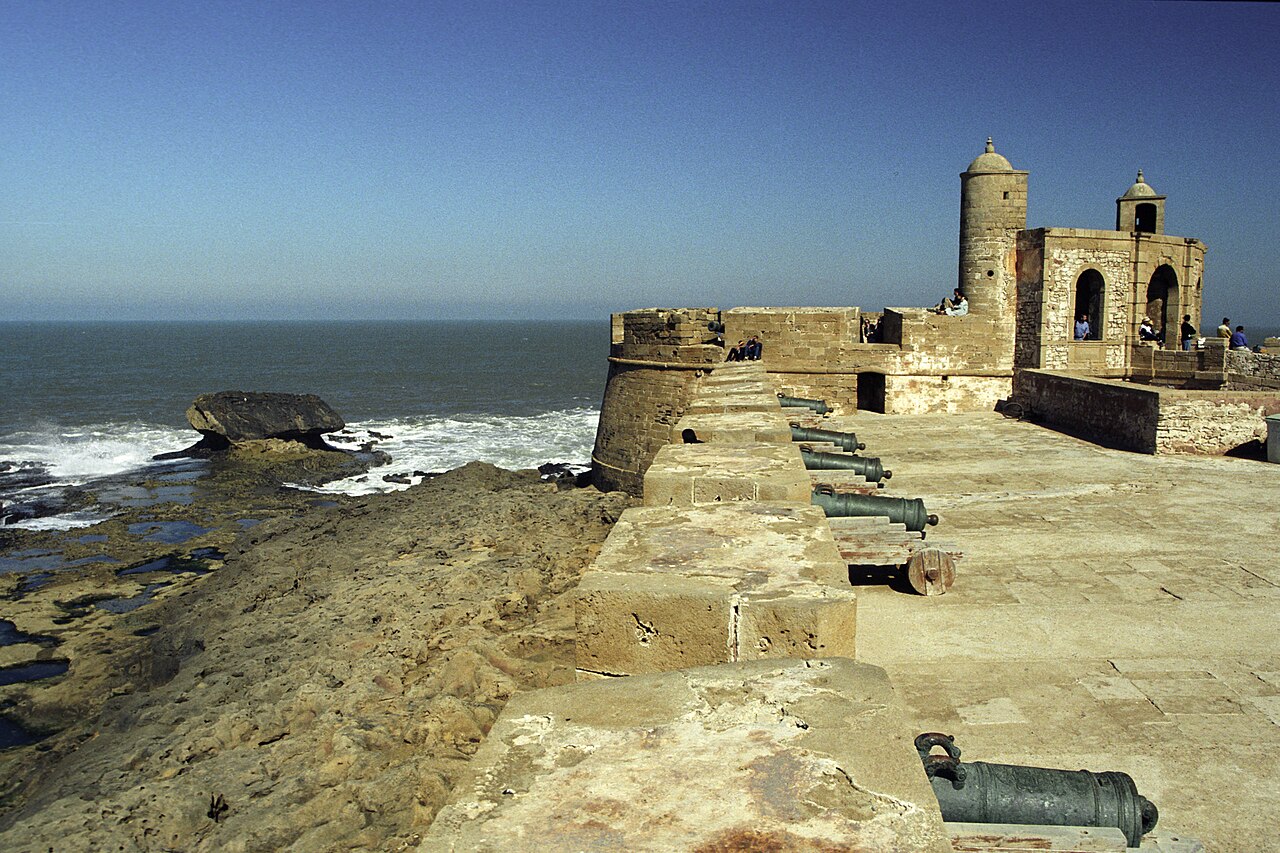
The Kasbah of Agadir is classified as a bastioned fortress, a style characterized by angular bastions projecting from the main walls to provide overlapping fields of fire and eliminate blind spots. This design innovation was part of the evolution of fortifications in response to the increased use of artillery in siege warfare during the Renaissance.
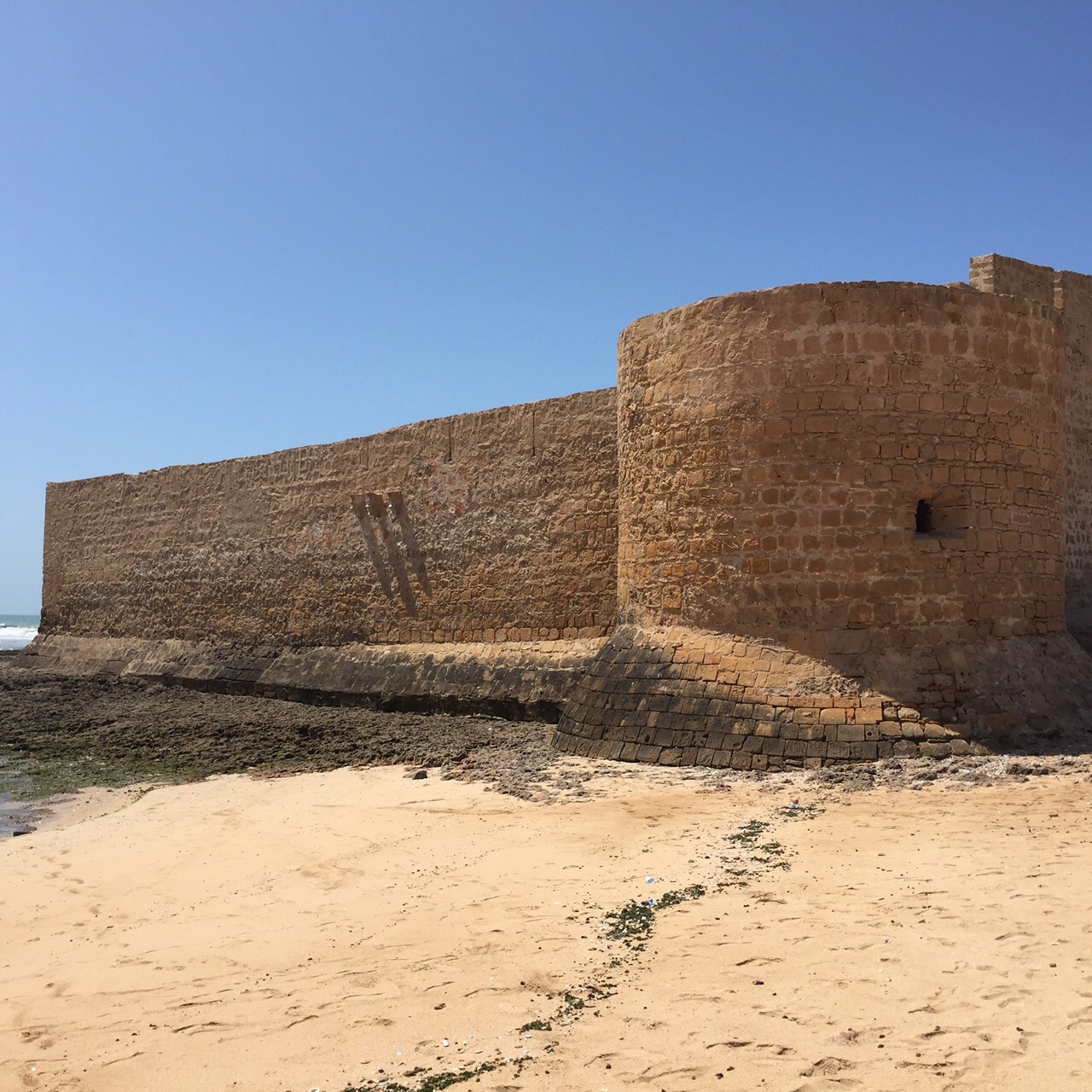
The fortress walls are robust and thick, built to withstand cannon fire. The structure includes several bastions strategically placed to cover all approaches. The main entrance is fortified, likely featuring a gatehouse and defensive mechanisms such as machicolations or arrow slits, which were typical in bastioned fortresses of this era.
Location and strategic importance
Situated on the hill known locally as Oufla, the Kasbah commands panoramic views of the Atlantic Ocean and the city of Agadir. This vantage point allowed defenders to monitor maritime traffic and anticipate potential attacks. Its proximity to the port made it a vital component in the defense network protecting the economic lifeline of the city.
Impact of the 1960 earthquake and preservation
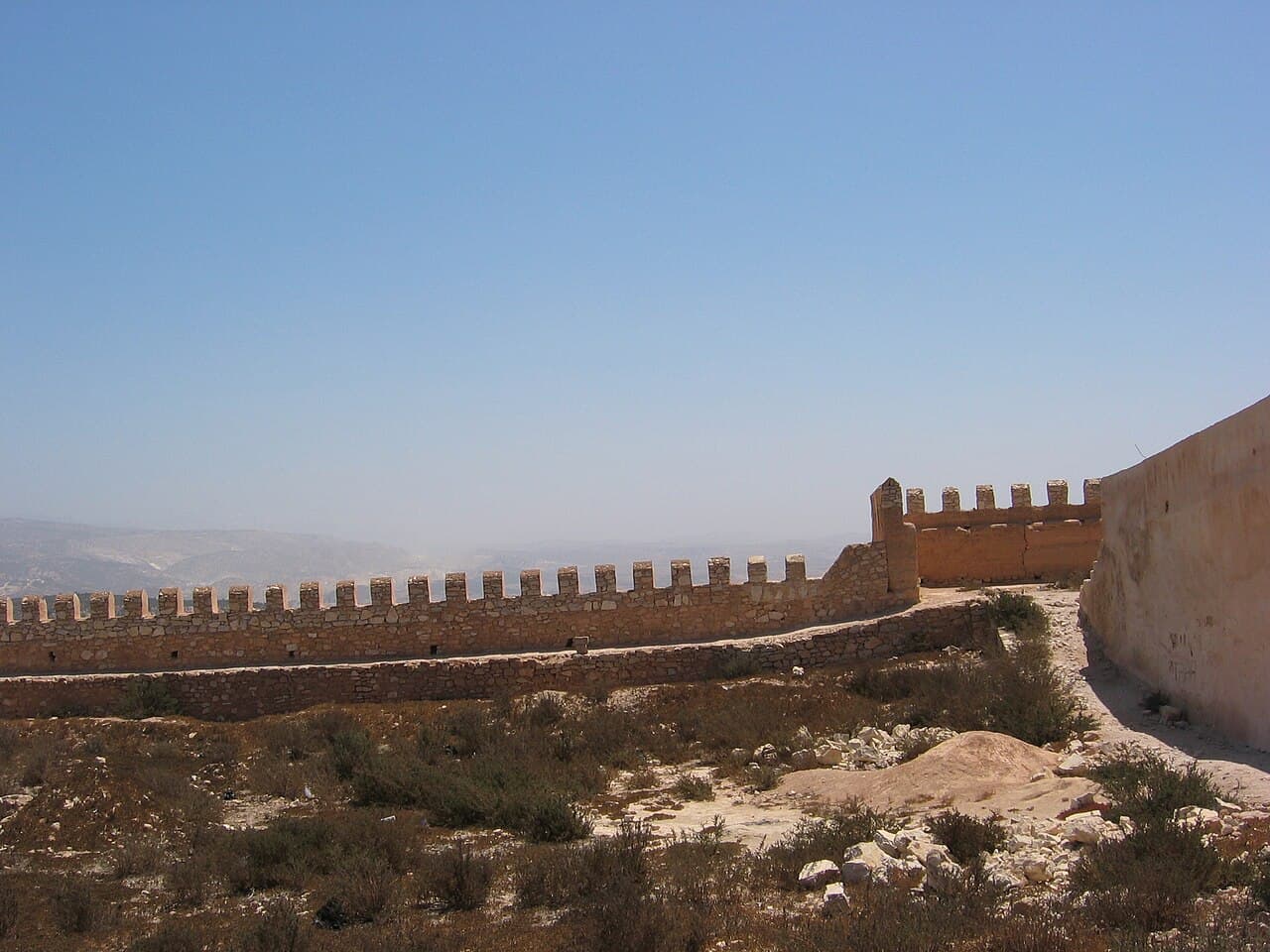
The devastating earthquake of 1960 severely damaged much of Agadir, including the Kasbah and the old city it once protected. While large parts of the fortress now stand in ruins, it remains a symbol of the city's heritage and resilience. Preservation efforts have focused on maintaining the remaining structures and promoting the site as a cultural and historical landmark.
Visiting the Kasbah of Agadir
Today, the Kasbah is accessible to visitors who can explore its ruins and enjoy sweeping views of Agadir and the Atlantic coastline. The site offers insight into Moroccan military architecture and the city's historical development. Interpretive signage and guided tours often provide context about the fortress's role in regional history and its architectural features.
Nearby attractions
Visitors to the Kasbah can also explore the modern city of Agadir, including its beaches, markets, and museums. The juxtaposition of the ancient fortress ruins with the contemporary urban landscape highlights the city's recovery and growth since the mid-20th century.
Frequently asked questions (FAQ)
- How do I get to the Kasbah of Agadir?
- The Kasbah of Agadir is located on a hill north of the city center. Visitors can reach it by taxi, car, or a steep walk from Agadir's downtown area. The route offers scenic views of the city and coastline.
- What is the historical significance of the Kasbah of Agadir?
- The Kasbah served as a military fortress and administrative center in the 16th century, protecting the city from naval threats and controlling access to the port.
- Is the Kasbah accessible to visitors year-round?
- Yes, the Kasbah is generally open year-round. However, visitors should check local conditions and weather before planning a visit, as the site is exposed and involves some climbing.
- Can I explore the ruins of the Kasbah?
- Visitors can freely explore the ruins of the Kasbah, which include bastions, walls, and gates. Care should be taken as some areas are unstable due to the earthquake damage.
- Are there guided tours available at the Kasbah?
- Guided tours are sometimes available through local tour operators and can provide detailed historical and architectural information about the fortress.
Photo gallery

Information
Loading map...
Visitor reviews
No reviews yet. Been here? Write the first review and help other travelers!
Write the first reviewVisited this castle? Share your experience
Your review helps other travelers and adds first-hand knowledge to our encyclopedia.