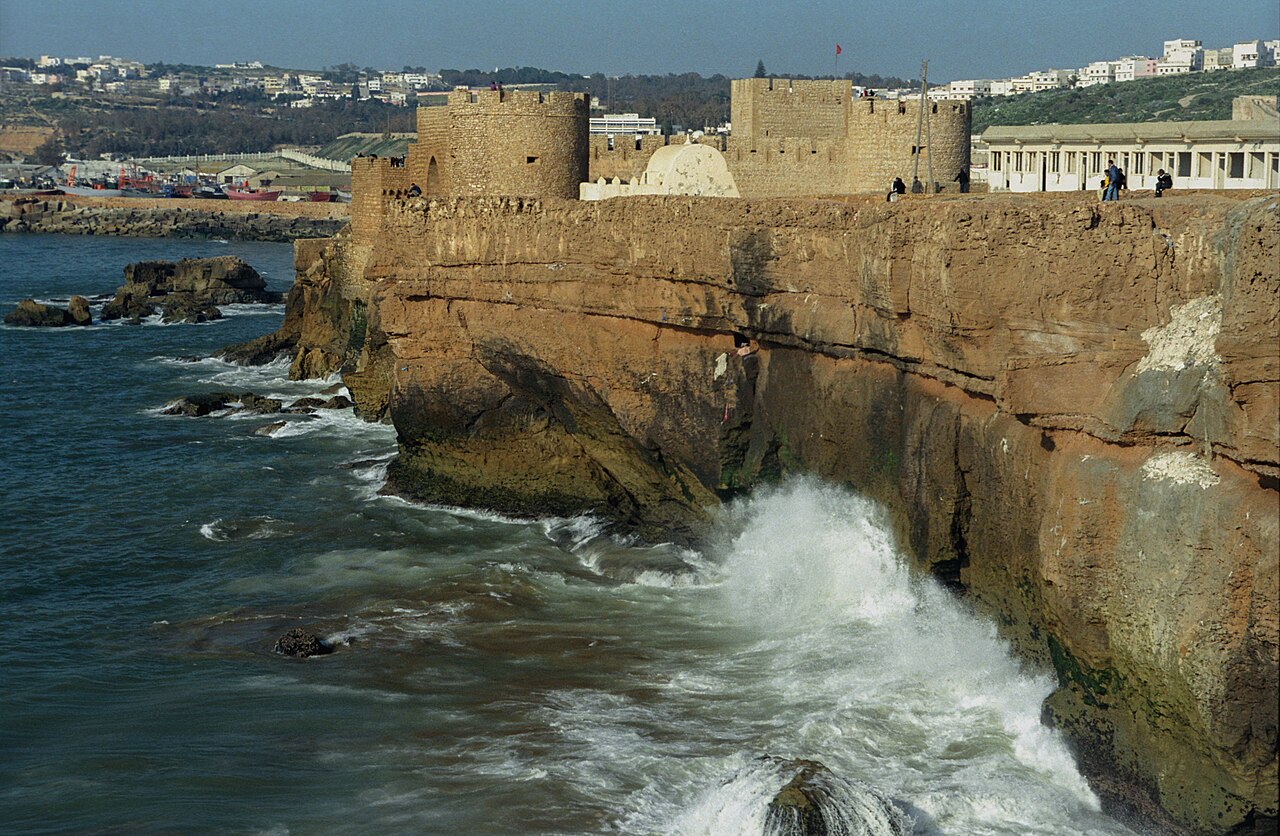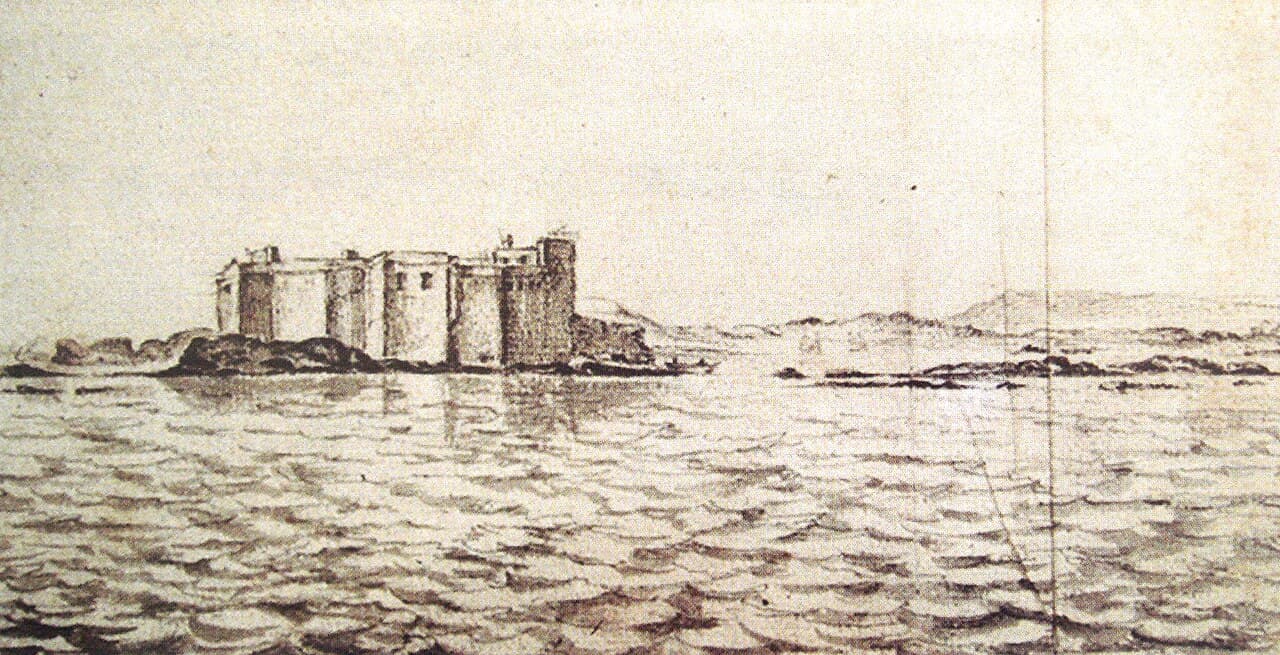
Castelo Real was a significant Portuguese fortress established in 1506 during the early 16th century on the site of present-day Essaouira, formerly known as Mogador, along the Atlantic coast of Morocco. This hill castle was part of Portugal's strategic efforts to control maritime trade routes and secure their influence in North Africa during the Renaissance period. Its location on a rocky promontory overlooking the sea provided a commanding view and defensive advantage against both naval and land-based threats.
Historical context and Portuguese expansion
The early 16th century marked a period of intense maritime exploration and territorial expansion for Portugal. The establishment of Castelo Real at Mogador was driven by the desire to secure a foothold on the Moroccan coast, which was a critical point for controlling trade between Europe and sub-Saharan Africa. The fortress was part of a network of Portuguese strongholds along the African Atlantic coast, intended to protect their commercial interests and serve as bases for further expansion.
Portuguese control of Mogador lasted for several decades, during which time the castle functioned both as a military fortification and a trading post. However, the fortress faced challenges from local resistance and shifting political dynamics in the region. By the late 18th century, Portuguese influence had waned, and the original castle structure had disappeared, replaced by Moroccan fortifications.
Architectural features and design
While detailed architectural records of Castelo Real are limited, it is known that the castle was typical of Renaissance military architecture adapted for coastal defense. The fortress likely featured thick stone walls, battlements, and towers designed to withstand cannon fire and provide overlapping fields of fire against attackers. Its hill castle classification indicates that it was built on elevated terrain, maximizing visibility and defensive capabilities.
The castle's design would have incorporated elements common to Portuguese fortifications of the period, such as angled bastions and a compact layout to optimize defense. The use of local stone and materials would have been common, blending European military engineering with regional construction techniques.
Borj el-Barmil: successor bastion
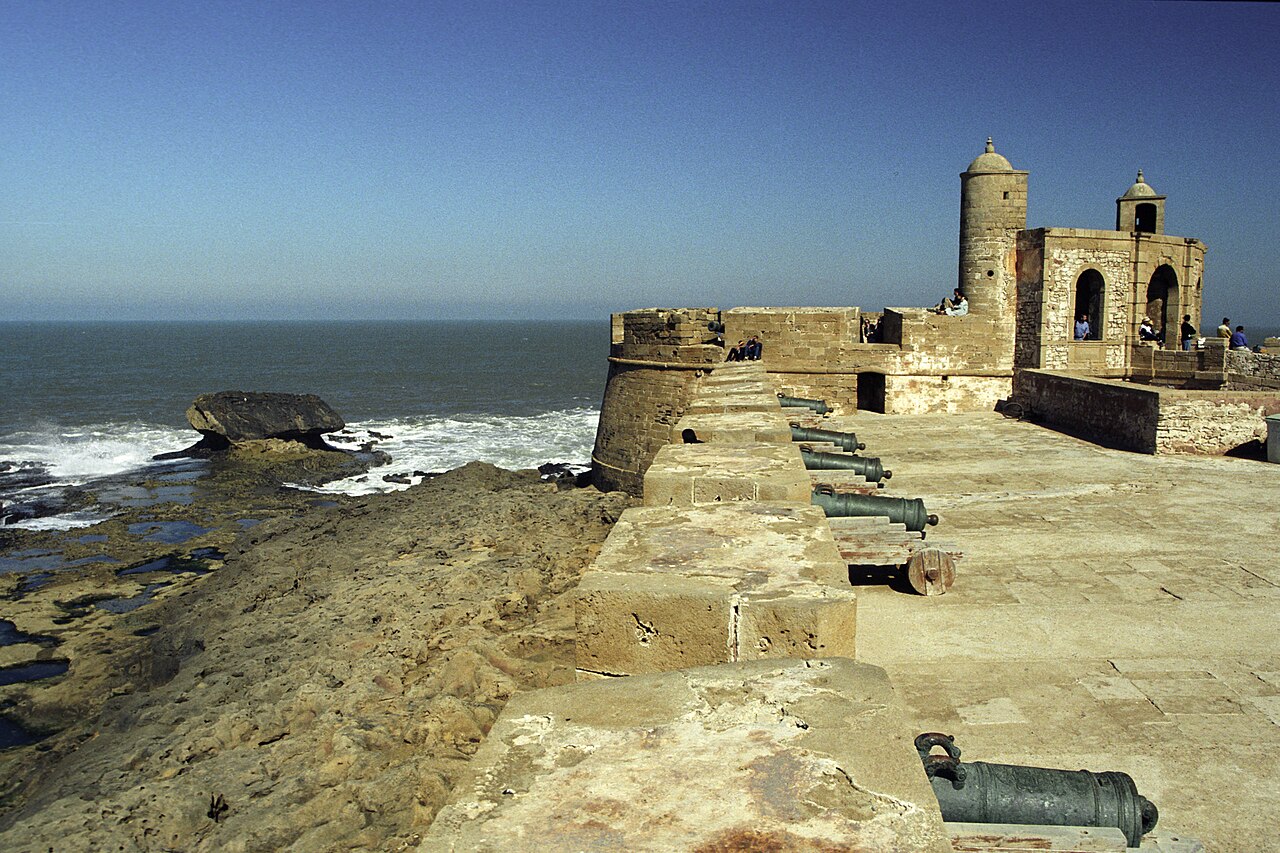
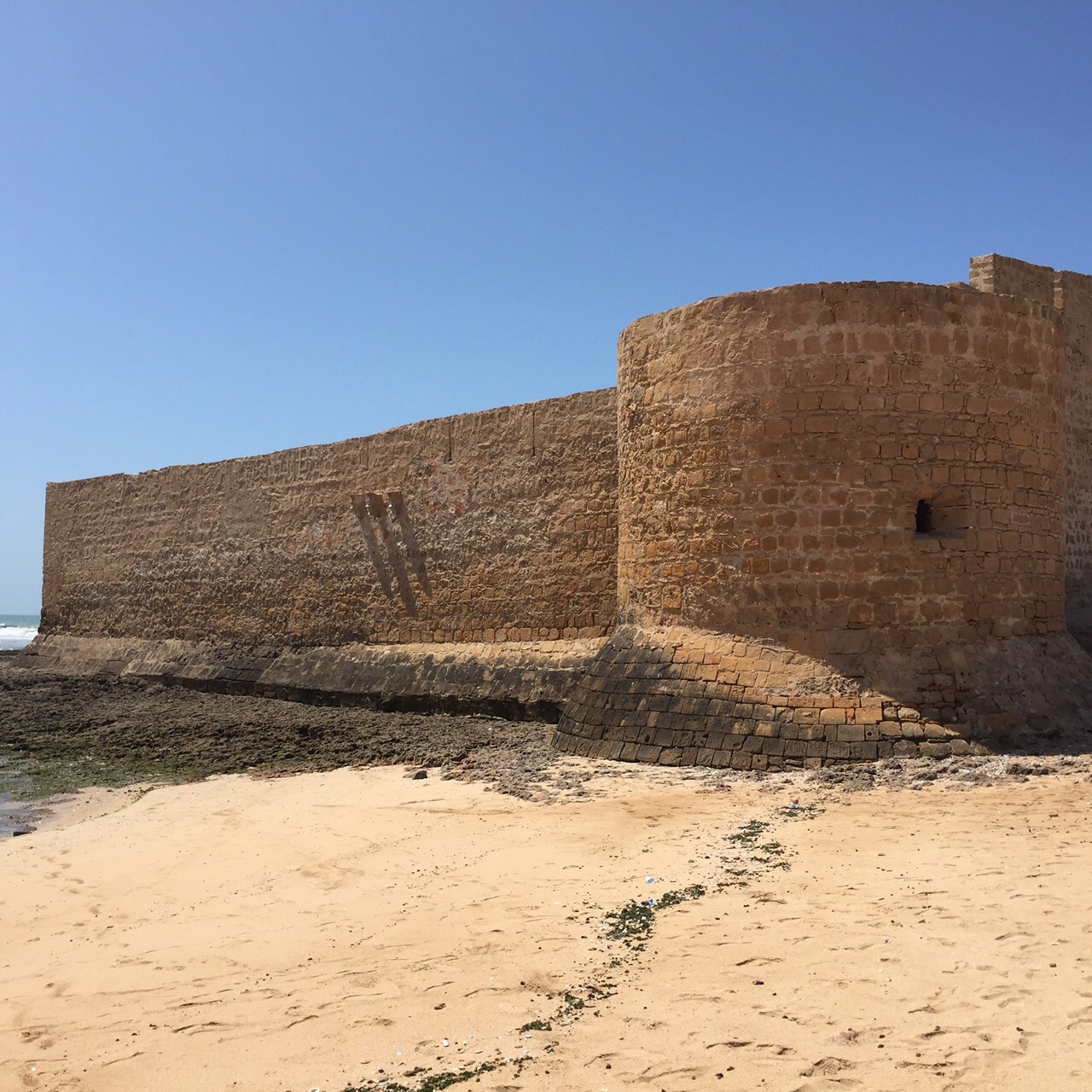
By the late 18th century, the original Castelo Real had vanished, and in its place stands the Borj el-Barmil, a circular bastion that reflects later Moroccan military architectural styles. This bastion served a similar defensive role, protecting the harbor and town of Essaouira. The transition from the Portuguese castle to the Moroccan bastion illustrates the evolving military needs and influences in the region over centuries.
Strategic importance and legacy
Castelo Real played a crucial role in the Portuguese maritime empire's efforts to dominate Atlantic trade routes and establish a presence in North Africa. Its establishment marked one of the earliest European fortifications on the Moroccan coast. Although the castle no longer stands, its historical footprint contributed to the development of Essaouira as a fortified port city with a rich cultural heritage.
Today, the site where Castelo Real once stood is of archaeological and historical interest. The Borj el-Barmil bastion serves as a visible reminder of the layered military history of Essaouira, from Portuguese colonial ambitions to Moroccan sovereignty and defense.
Visiting and cultural significance
Visitors to Essaouira can explore the historic medina and the coastal fortifications, including the Borj el-Barmil. While the original Castelo Real no longer exists, the site offers insight into the Portuguese Renaissance military architecture and the complex history of European and North African interactions.
The castle's legacy is preserved in local historical narratives and contributes to Essaouira's status as a UNESCO World Heritage Site, recognized for its blend of cultural influences and well-preserved fortifications.
Frequently asked questions (FAQ)
- What is the historical significance of Castelo Real?
- Castelo Real, also known as the Royal Castle of Essaouira, played a crucial role in the defense and trade of the region during the 18th century. Its strategic location along the Atlantic coast allowed it to serve as a key port for commerce and military operations, reflecting Morocco's maritime history.
- When was Castelo Real constructed?
- Construction of Castelo Real began in the late 18th century, specifically around 1765, under the reign of Sultan Mohammed III. The castle was completed in the early 19th century and has since been a symbol of the architectural and military prowess of the period.
- Can I visit Castelo Real?
- Yes, visitors are welcome to explore Castelo Real. The castle offers guided tours that provide insight into its history and architecture, making it an educational experience for all ages.
- What are the opening hours for Castelo Real?
- Castelo Real is typically open to visitors from 9 AM to 5 PM daily. However, it's advisable to check the official website or contact local tourism offices for any seasonal changes or special holiday hours.
- Is it possible to access Castelo Real with mobility aids?
- While Castelo Real is a historical site, the accessibility for individuals with mobility aids may be limited due to the castle's ancient architecture and uneven surfaces. It is recommended to contact the site in advance to inquire about specific accommodations.
- What is the best time to visit Castelo Real?
- The best time to visit Castelo Real is during the spring and fall months, from March to May and September to November. During these periods, the weather is typically mild, making your visit more comfortable for exploring the outdoor grounds and enjoying the views.
- Are there any nearby attractions to visit?
- Yes, visitors to Castelo Real can also explore the nearby Medina of Essaouira, a UNESCO World Heritage site known for its charming streets and vibrant markets. Additionally, the beautiful Essaouira beach is just a short walk away, offering a perfect complement to your castle visit.
- What are the ticket prices for Castelo Real?
- Ticket prices for Castelo Real are generally affordable, with discounts often available for students and seniors. It is best to check the official site or inquire on-site for the most current pricing and any special offers.
Photo gallery

Photo by Adriaen Matham•Public domain
Information
Loading map...
Visitor reviews
No reviews yet. Been here? Write the first review and help other travelers!
Write the first reviewVisited this castle? Share your experience
Your review helps other travelers and adds first-hand knowledge to our encyclopedia.