Karlsborg Fortress
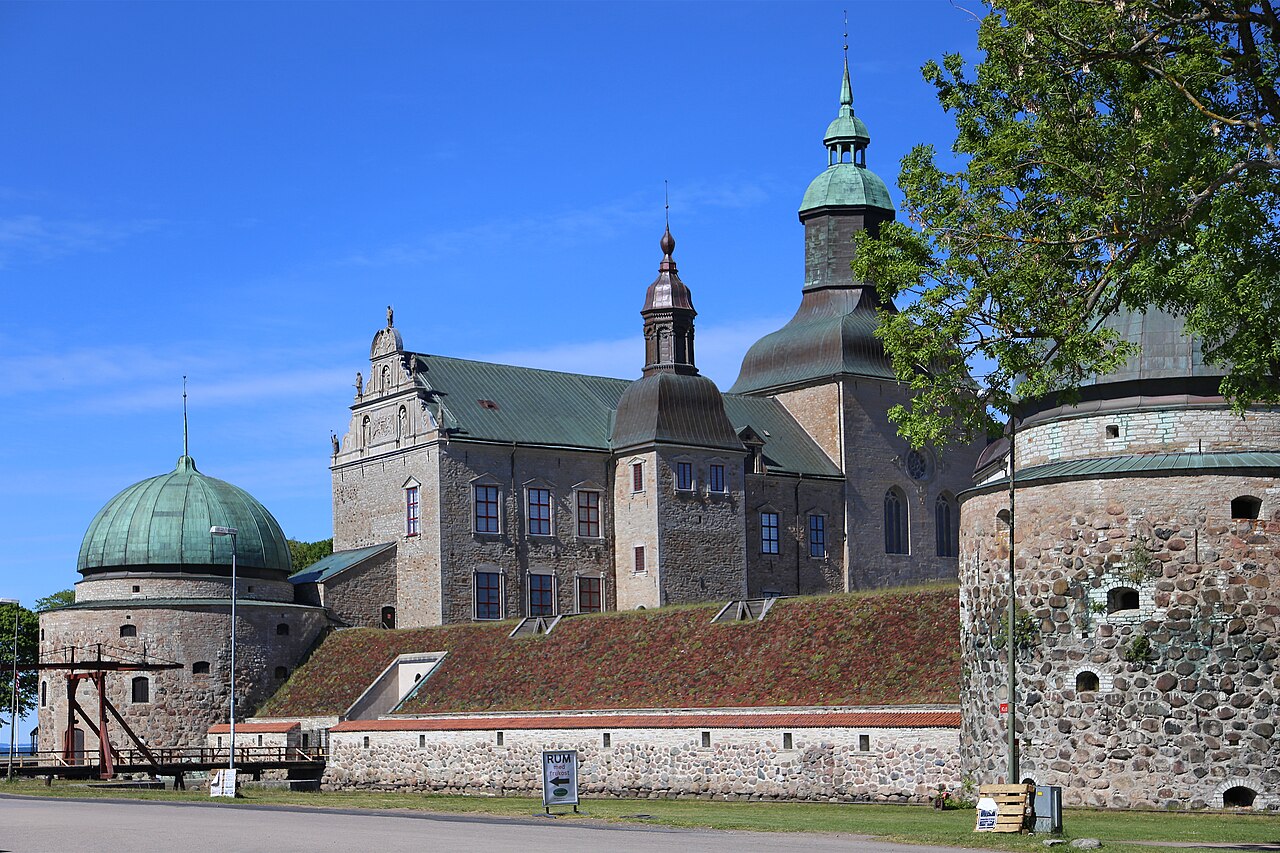
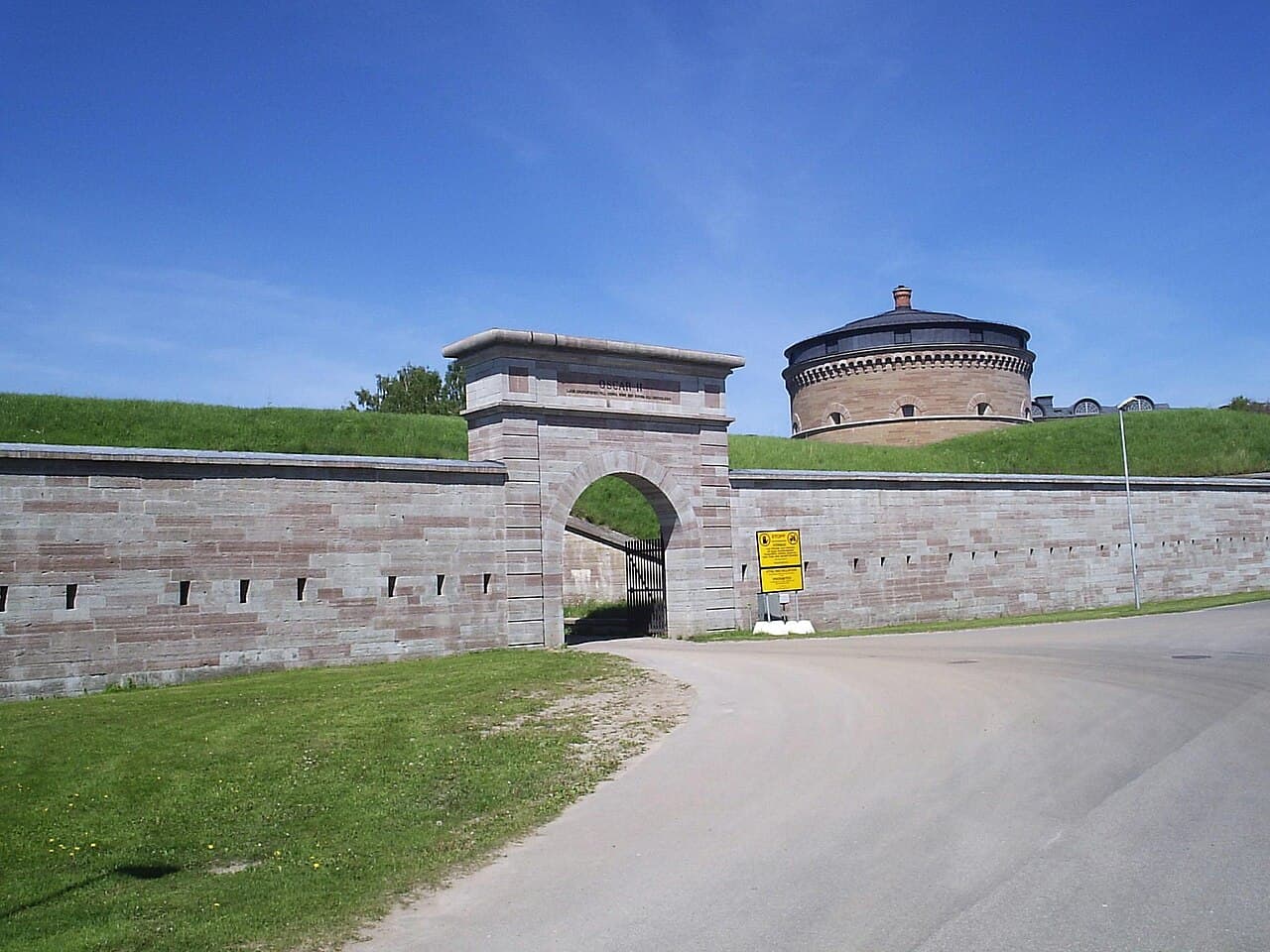
Karlsborg Fortress, located on the Vanäs peninsula by lake Vättern in the province of Västergötland, Sweden, stands as one of northern Europe's largest bastioned fortresses. Its construction began in 1819 with the primary goal of embodying the Swedish military's central defense strategy developed after the Finnish War and the Napoleonic Wars. The fortress was designed to serve as a secure retreat for the King, the Council, the Riksdag, and central command functions in the event of an invasion, as well as a repository for the gold reserves of Sweden's central bank.
Historical context and strategic purpose
The idea behind Karlsborg Fortress was shaped by the military and political upheavals Sweden experienced in the early 19th century. After losing Finland to Russia in 1809 and enduring the Napoleonic conflicts, Sweden sought a defensible location deep within its territory to safeguard its government and resources. The fortress's location was carefully selected by Baltzar von Platen, a key figure in Swedish engineering, in connection with the construction of the Göta Canal. The site on the Vanäs peninsula provided natural defense advantages due to its position by lake Vättern and its isolation from borders vulnerable to foreign attacks.
Architectural design and construction
The fortress was primarily constructed from limestone quarried from Omberg, a local source known for its durability. The design was heavily influenced by European bastioned fortresses of the time, particularly the Winiary fortress near Posen (modern-day Poznan). The fortress architect Johan av Klen incorporated lessons from extensive studies of other European fortifications to create a complex capable of housing a large garrison and withstanding artillery sieges.
Covering approximately 100 hectares, the fortress was designed to accommodate a garrison of 6,000 enlisted men plus an additional 8,000 to 10,000 people including support staff and their families. The fortress walls were largely completed by 1830, though the entire complex was not fully finished until 1909. The construction spanned decades due to the fortress's enormous scale and the evolving nature of military technology, which necessitated ongoing adaptations.
Bastioned fortification features
Karlsborg Fortress exemplifies the bastioned fortress style, characterized by angular bastions projecting from the curtain walls, designed to provide overlapping fields of fire and eliminate blind spots. The thick walls and extensive ramparts were built to resist cannon fire, and the layout included multiple defensive layers to delay and repel attackers. The fortress's internal structures included barracks, armories, command centers, and storage facilities, arranged around a central courtyard.
Supplementary defenses and technological adaptations
As artillery technology advanced rapidly in the late 19th and early 20th centuries, the fortress's original defenses became less effective. To address this, the Vaberget Fortress was constructed in the early 1900s approximately five kilometers west of Karlsborg to provide additional protective coverage. This secondary fortress helped to safeguard Karlsborg against more modern siege tactics and heavier artillery.
The fortress and the town of Karlsborg
The presence of the fortress spurred the growth of the adjacent town of Karlsborg. Initially established as housing for fortress personnel, the town expanded significantly, partly due to its proximity to the Göta Canal, which facilitated transport and commerce. Over time, Karlsborg developed into a sizable community with a strong military and civilian presence.
Military use and cultural significance
Although Karlsborg Fortress was intended as the core of Sweden's central defense, it never fulfilled this role in wartime. By 1918, the concept of a central fortress had become obsolete due to changes in military strategy and technology. However, the fortress continued to serve as a military garrison, housing units such as the Götasignalregemente (S 2) and, since 1984, the Livregementets husarer (K 3).
Karlsborg Fortress was designated a byggnadsminne (listed building) in 1935, recognizing its architectural and historical importance. The fortress houses a museum and a notable garrison church located in the central building known as the "last stand." This church was originally intended as an assembly hall for the Riksdag during emergencies. A distinctive feature of the church is its chandelier, which is constructed from bayonets instead of traditional crystal prisms, symbolizing the fortress's martial heritage.
Visiting Karlsborg Fortress today
Today, Karlsborg Fortress remains a significant cultural landmark and military site. Visitors can explore the extensive fortress grounds, including the museum and the garrison church. The fortress's imposing walls, bastions, and historic interiors provide insight into 19th-century military architecture and Sweden's strategic defense history.
Frequently asked questions (FAQ)
- When was Karlsborg Fortress built and why?
- Karlsborg Fortress was constructed starting in 1819 to implement Sweden's central defense strategy after the Finnish and Napoleonic Wars. It was meant to protect the government and treasury in times of attack.
- What architectural style characterizes Karlsborg Fortress?
- The fortress is designed in the bastioned fortress style, featuring angular bastions and thick walls to withstand artillery, inspired by European fortifications like the Winiary fortress.
- Can visitors tour Karlsborg Fortress?
- Yes, the fortress is open to visitors who can explore the museum, the garrison church, and the extensive defensive structures. It offers insight into 19th-century military architecture and Swedish history.
- What is unique about the garrison church inside Karlsborg Fortress?
- The garrison church, located in the central building called 'the last stand,' features a chandelier made from bayonets, originally intended as an emergency assembly hall for the Riksdag.
- Why was the Vaberget Fortress built near Karlsborg?
- Vaberget Fortress was constructed in the early 1900s to provide additional protection to Karlsborg Fortress due to advances in artillery technology that made the original defenses less effective.
Photo gallery

Information
Current owner
Swedish Armed Forces
Loading map...
Visitor reviews
No reviews yet. Been here? Write the first review and help other travelers!
Write the first reviewVisited this castle? Share your experience
Your review helps other travelers and adds first-hand knowledge to our encyclopedia.