Kapfenstein Castle
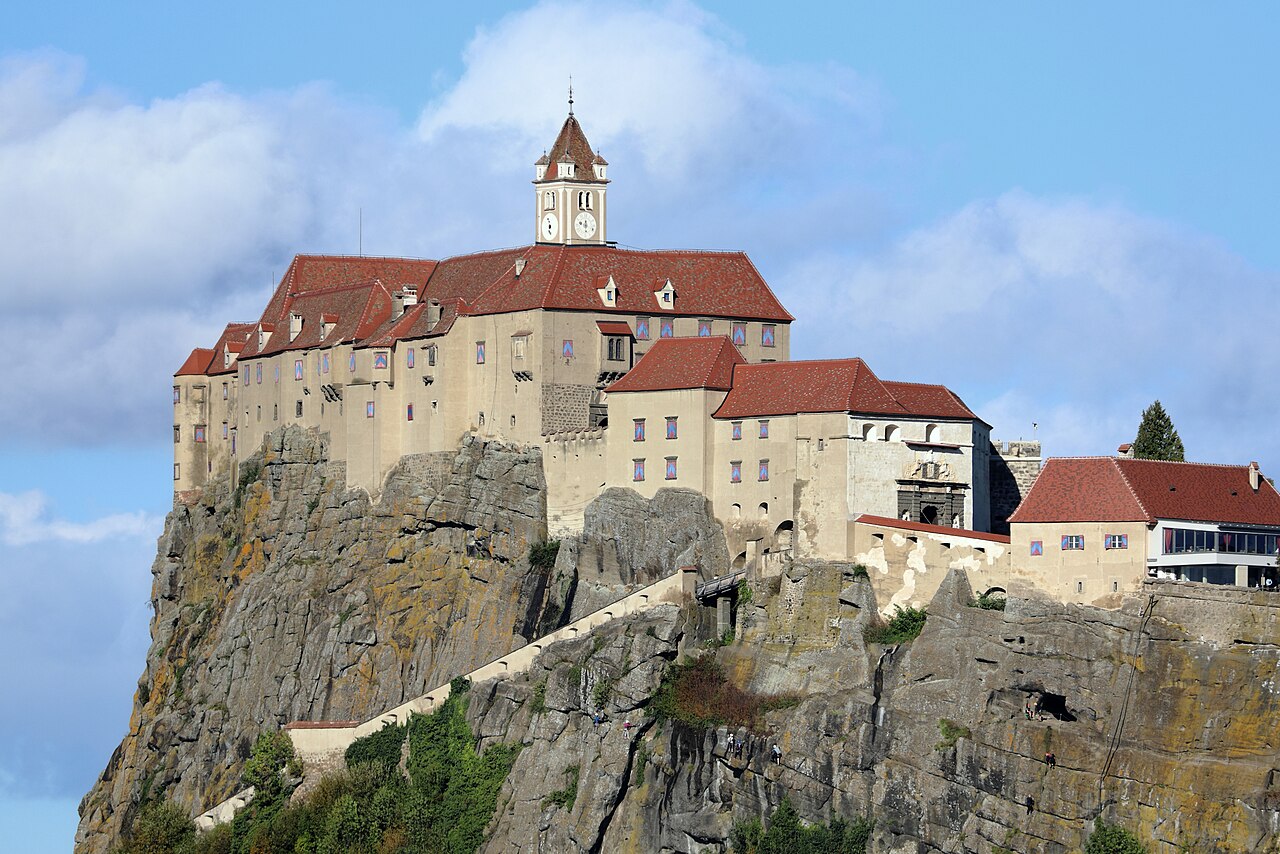
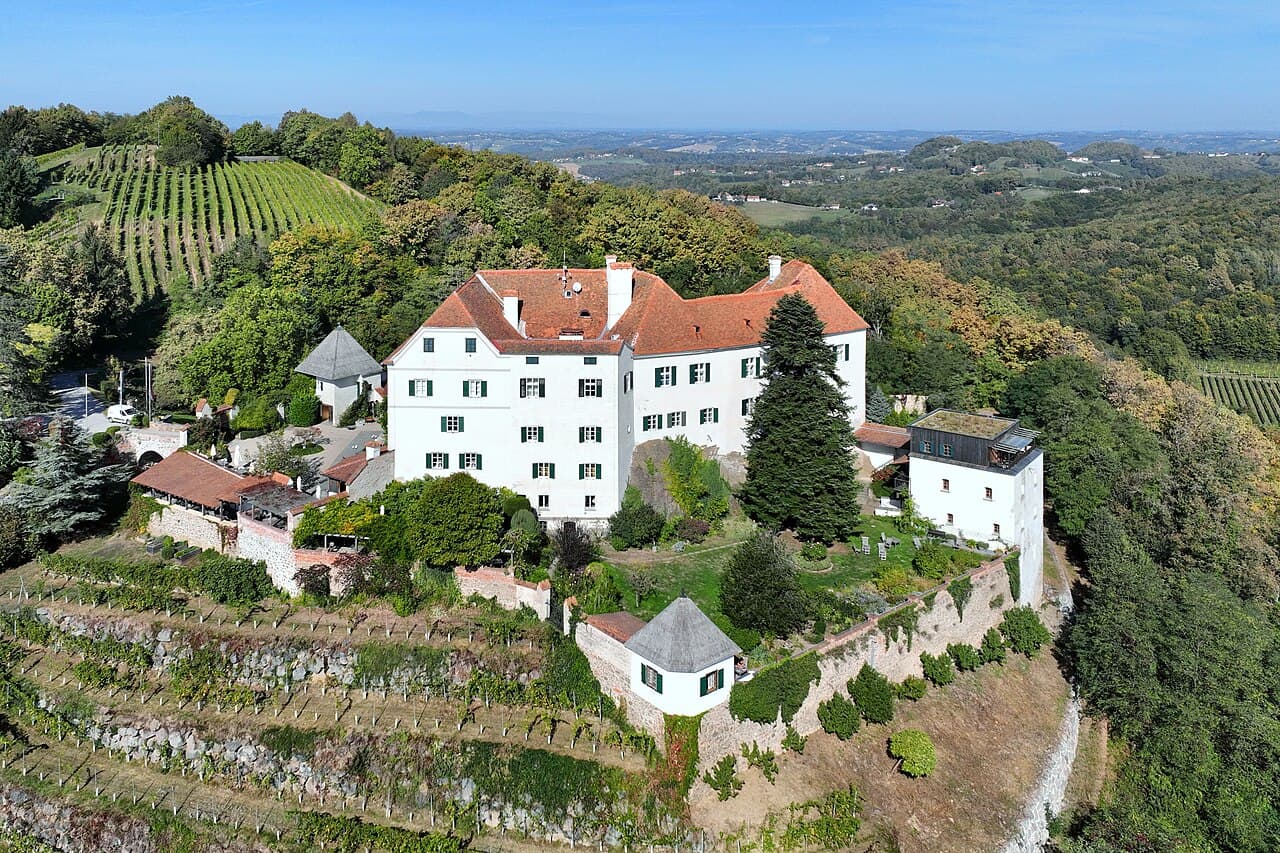
Kapfenstein Castle is a prominent hill castle located in Austria, notable for its strategic position atop a hillside, which provided natural defensive advantages during its time of use. The castle's origins trace back to the High Medieval period, with initial construction likely occurring in the 11th or 12th century, although specific dates remain uncertain. This castle exemplifies typical medieval fortification techniques adapted to the terrain of the region.
Historical background and significance
The castle was originally built as a defensive stronghold to oversee and control the surrounding lands, serving both military and administrative functions. Throughout its history, Kapfenstein Castle changed hands among various noble families, reflecting the shifting political landscape of medieval Austria. Its role was primarily to guard important trade routes and to assert feudal control over the nearby settlements.
Architectural features and layout
Kapfenstein Castle is characterized by its adaptation to the natural topography of the hill on which it stands. The castle complex includes a keep or donjon, which served as the main fortified residence and last line of defense. Surrounding the keep are curtain walls with battlements, designed to provide protection against invaders and to enable defenders to repel attacks effectively.
The castle's entrance is typically fortified with a gatehouse and may have included a drawbridge or other defensive mechanisms such as a moat or ditch, although specific details vary and are not fully documented for Kapfenstein. The internal layout likely included a courtyard, residential quarters, storage rooms, and possibly a chapel, consistent with castles of similar size and function in the region.
Construction materials and techniques
The castle was constructed primarily from locally sourced stone, which was common practice in medieval castle building to ensure durability and strength. The masonry work reflects the typical medieval methods of the High Middle Ages, with thick walls designed to withstand siege weaponry of the period.
Current condition and preservation
Today, Kapfenstein Castle is classified as a ruin, with portions of the original structure still standing. The remains provide valuable insights into medieval military architecture and the feudal history of the region. Preservation efforts focus on maintaining the integrity of the ruins to allow for continued study and public visitation.
Visiting kapfenstein castle
The castle is accessible to visitors who are interested in exploring medieval architecture and history. Due to its hilltop location, reaching the site involves a hike or walk uphill, which may not be suitable for all visitors. The site offers panoramic views of the surrounding Austrian landscape, enhancing the experience for tourists and history enthusiasts alike.
Frequently asked questions
- When was Kapfenstein Castle built? The castle dates back to the High Medieval period, likely constructed in the 11th or 12th century.
- What type of castle is Kapfenstein? It is a hill castle, strategically located on elevated terrain for defense.
- Is Kapfenstein Castle open to the public? Yes, visitors can explore the ruins, though accessibility may require some physical effort due to the terrain.
- What remains can be seen at the castle? Visitors can see remnants of the keep, curtain walls, and other structural elements typical of medieval fortifications.
- Are there guided tours available? Information on guided tours varies; local tourist offices may provide details about available services.
Frequently asked questions (FAQ)
- When was Kapfenstein Castle built?
- The castle dates back to the High Medieval period, likely constructed in the 11th or 12th century.
- What type of castle is Kapfenstein?
- It is a hill castle, strategically located on elevated terrain for defense.
- Is Kapfenstein Castle open to the public?
- Yes, visitors can explore the ruins, though accessibility may require some physical effort due to the terrain.
- What remains can be seen at the castle?
- Visitors can see remnants of the keep, curtain walls, and other structural elements typical of medieval fortifications.
- Are there guided tours available?
- Information on guided tours varies; local tourist offices may provide details about available services.
Photo gallery

Information
Loading map...
Visitor reviews
No reviews yet. Been here? Write the first review and help other travelers!
Write the first reviewVisited this castle? Share your experience
Your review helps other travelers and adds first-hand knowledge to our encyclopedia.