Ako Castle
Ako Castle, located in Ako, Japan, is a significant example of a lowland castle from the Edo period. Constructed in 1648 under the direction of Asano Naganao, the castle was commissioned by the Tokugawa shogunate as part of their strategic efforts to consolidate power and control in the region. Although the castle was never completed with a main keep due to restrictions imposed by the Tokugawa government, it remains a remarkable site for its extensive defensive features and historical importance.
Historical context and construction
The construction of Ako Castle began shortly after Asano Naganao was transferred to the domain in 1648. The Tokugawa shogunate instructed him to build a new castle that would serve as the administrative and military center of the domain. The location chosen for Ako Castle was strategically important, situated near the coast where the ocean once came close to the southern boundaries of the castle grounds. This proximity to the sea provided the castle with direct access to maritime routes, enhancing its logistical and defensive capabilities.
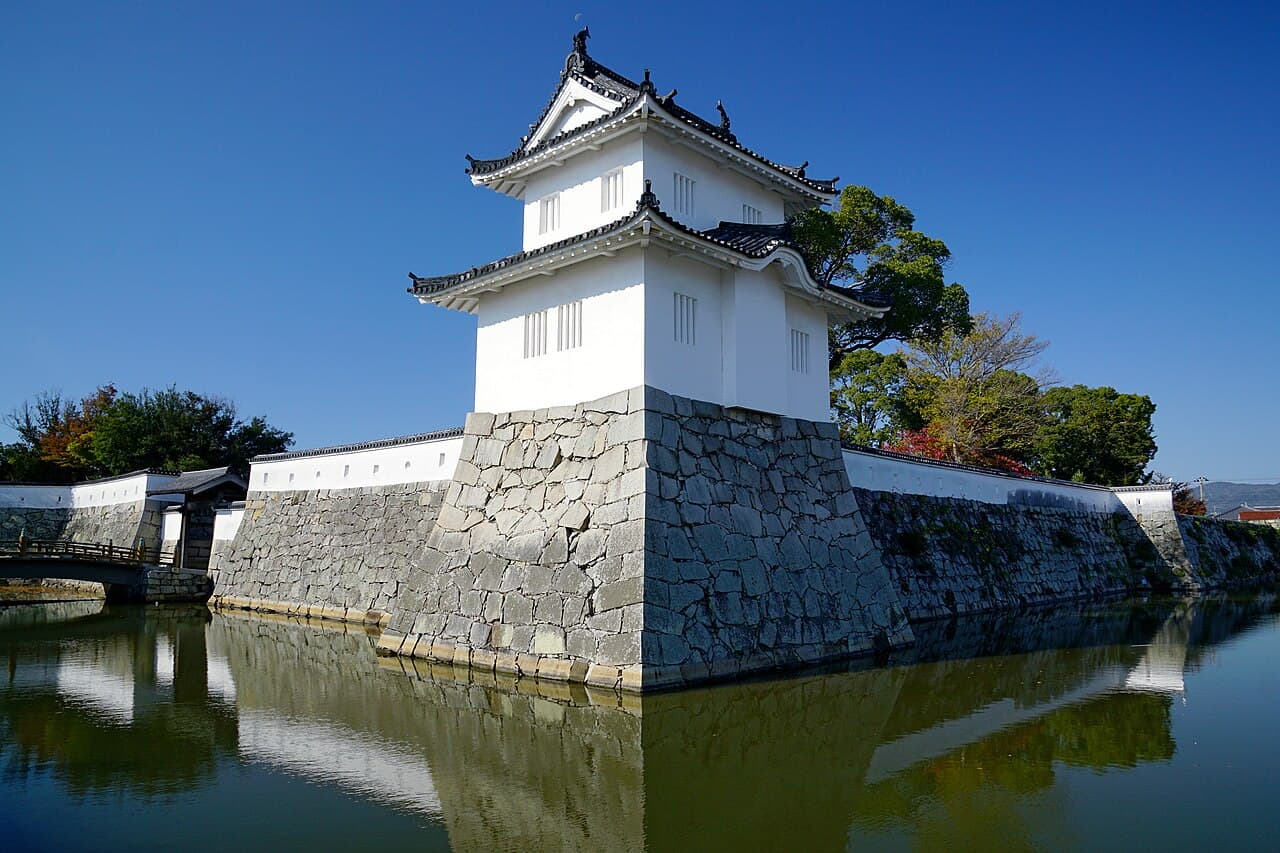
The castle complex was vast, featuring 10 corner turrets (yagura) and 12 gates, with the length of the outer baileys extending nearly 3 kilometers. These features reflect the ambition and status of the Asano clan within the Tokugawa hierarchy, despite the shogunate's restrictions on certain castle elements such as the main keep.
Architectural features and layout
Defensive structures
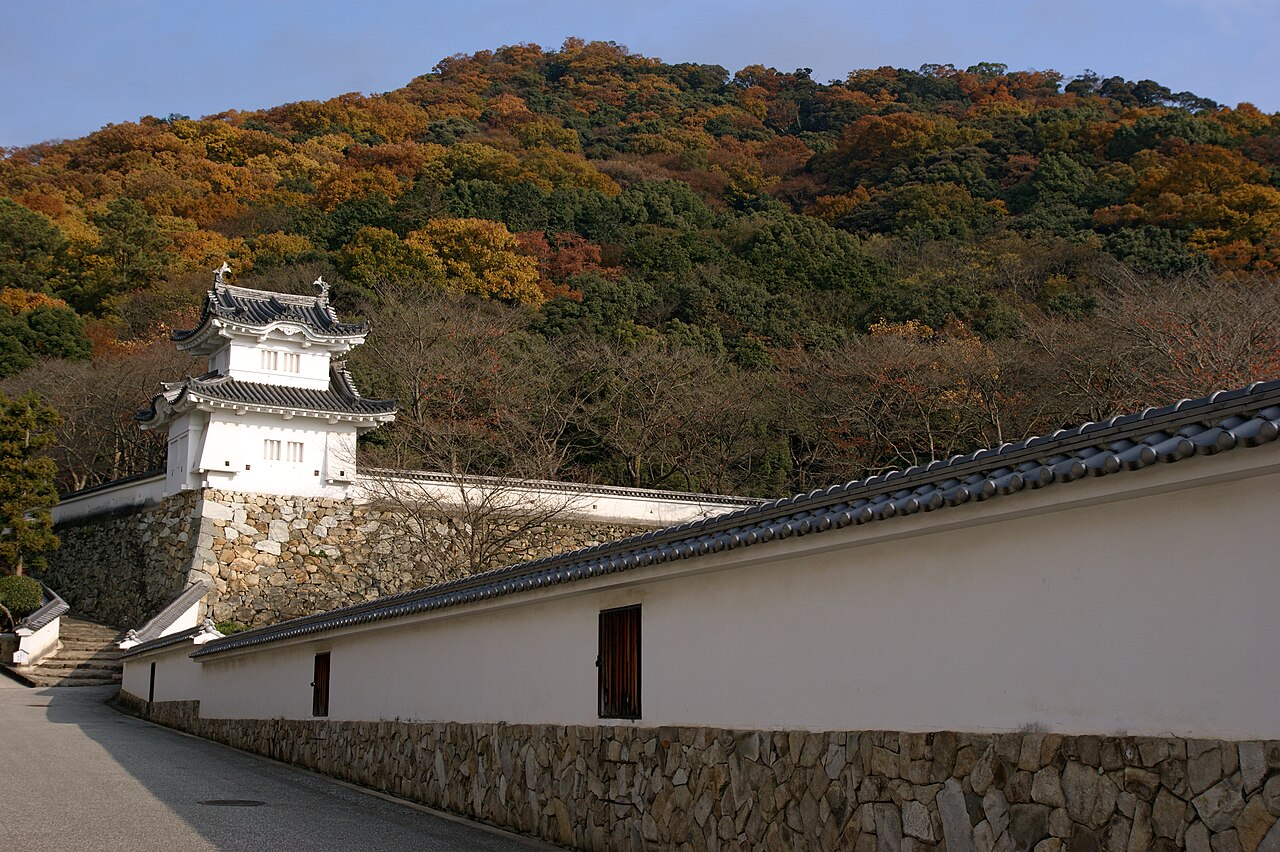
Ako Castle's defensive design includes multiple stone walls and moats, which although narrower and shorter than those found in some other Edo period castles, were complemented by well-planned corner turrets that allowed for effective flanking fire. The castle's Otemon Gate and Honmaru Gate are particularly notable for their formidable construction and strategic placement, serving as critical points of defense.
Absence of the main keep
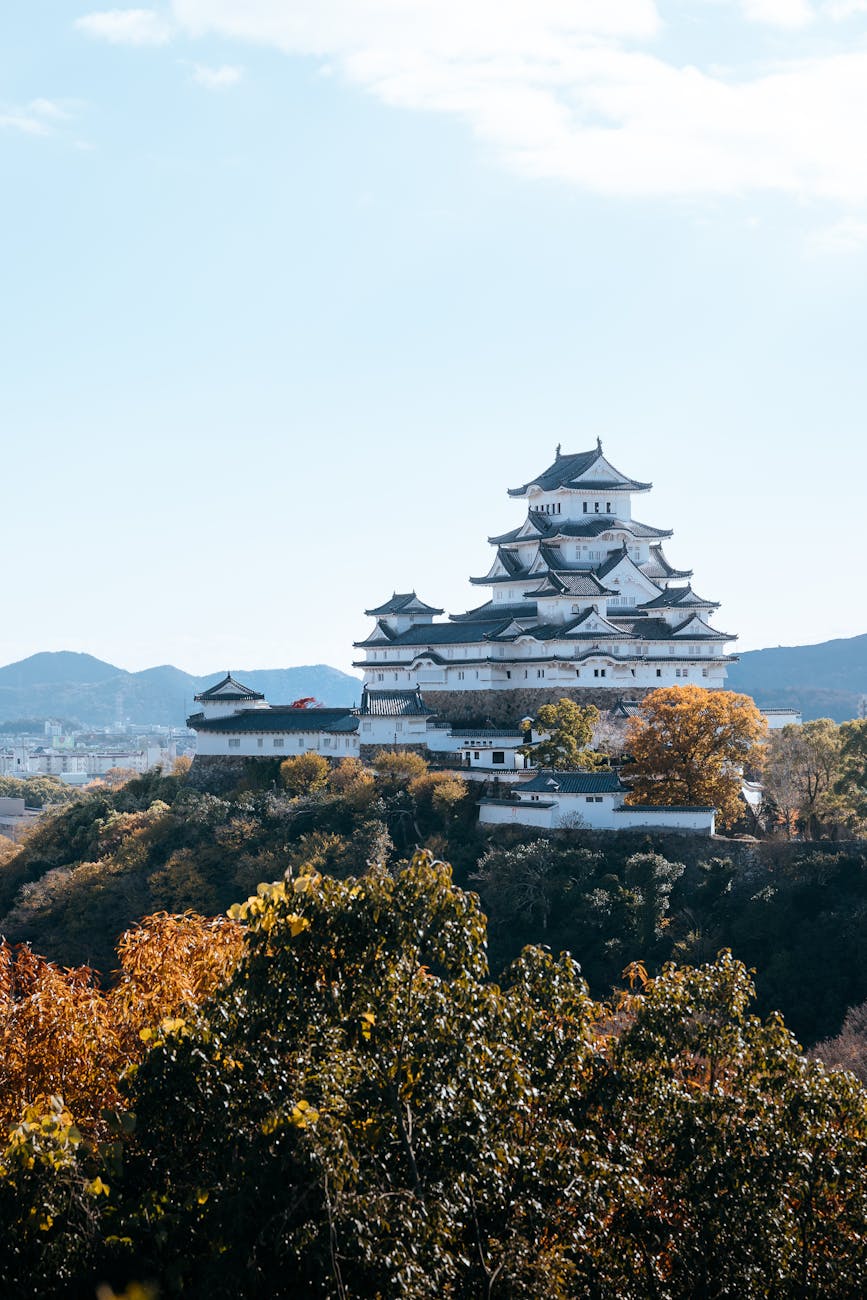
One of the unique aspects of Ako Castle is the presence of a main keep foundation without an actual keep ever being built. The Tokugawa Bakufu did not grant permission for the construction of a main keep, which was a common measure to limit the military power of daimyo and prevent rebellion. Despite this, the castle's extensive layout and numerous defensive features compensated to some extent for the lack of a central tower.
Post-feudal era and preservation
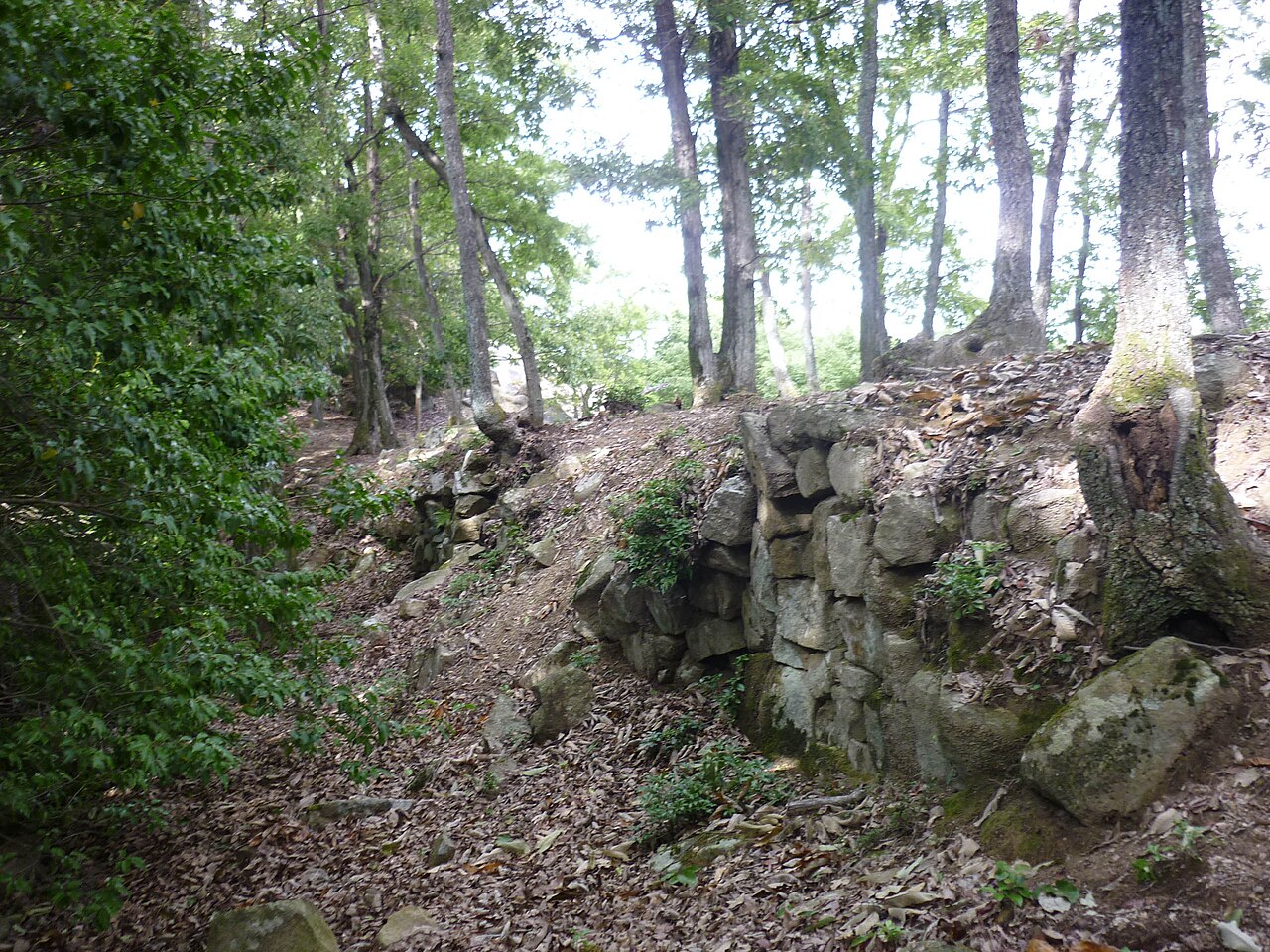
Following the Meiji Restoration, Ako Castle was dismantled in 1873 as part of the widespread abolition of feudal domains and their fortifications. However, significant portions of the castle's stone walls, moats, and gates have been preserved or partially reconstructed. The site today offers a blend of partially preserved and restored structures, providing visitors with a tangible connection to Japan's feudal past.
The castle grounds include the Honmaru and Ninomaru Gardens, which are designated as National Scenic Locations. These gardens add cultural and aesthetic value to the historical site, attracting photographers and visitors interested in both natural beauty and architectural heritage.
Visitor experience and ongoing restoration
Visitors to Ako Castle can explore the extensive grounds, including surviving gates, turrets, and sections of the stone walls and moats. While some castle structures remain in ruins, others have been rebuilt to reflect their original Edo period appearance. The castle museum and samurai residences, though not always open, offer additional insights into the life and history of the castle's inhabitants.
Plans are underway to further restore and reconstruct parts of the castle, enhancing its historical authenticity and visitor appeal. The castle's expansive grounds and varied landscapes make it a popular destination for photography, especially during clear, cold mornings when the lighting highlights the textures of the stone and woodwork.
Significance and cultural heritage
Ako Castle stands as a testament to the complex political and military landscape of the Edo period. Its construction under the Tokugawa regime reflects the delicate balance of power and control exercised over daimyo domains. The castle's design, with its numerous gates and turrets but absence of a main keep, illustrates the unique constraints placed on feudal lords to prevent the rise of potential rivals.
Today, Ako Castle is valued not only for its historical and architectural features but also as a cultural landmark that preserves the legacy of the Asano clan and the broader history of feudal Japan. Its designation as a site with partially preserved structures and scenic gardens underscores its importance as a heritage site and tourist attraction.
Frequently asked questions (FAQ)
- When was Ako Castle built and by whom?
- Ako Castle was built in 1648 under the direction of Asano Naganao, following orders from the Tokugawa shogunate.
- Why was the main keep of Ako Castle never constructed?
- The Tokugawa Bakufu did not grant permission for the construction of a main keep to limit the military power of the daimyo.
- What are the notable defensive features of Ako Castle?
- Ako Castle features 10 corner turrets, 12 gates, stone walls, and moats designed for flanking fire, with formidable Otemon and Honmaru Gates.
- Is Ako Castle open to visitors and what can be seen?
- Visitors can explore the castle grounds, including preserved gates, turrets, stone walls, moats, and scenic gardens, with some reconstructed structures and samurai residences.
- Are there ongoing restoration efforts at Ako Castle?
- Yes, there are ongoing plans to rebuild more of the castle to enhance its historical authenticity and visitor experience.
Photo gallery

Information
Sources & official resources
Verify the information above using these authoritative references.
Loading map...
Visitor reviews
No reviews yet. Been here? Write the first review and help other travelers!
Write the first reviewVisited this castle? Share your experience
Your review helps other travelers and adds first-hand knowledge to our encyclopedia.