Kameyama Castle (Kyoto)
Kameyama Castle (亀山城, Kameyama-jō) is a historically significant hill castle located in Kameoka, Kyoto Prefecture, Japan. It served as a strategic fortification guarding the northwest passage into the ancient capital of Kyoto for nearly three centuries. The castle's origins date back to the 16th century, during a period of intense military conflict and territorial consolidation in Japan.
The strategic importance and construction of Kameyama Castle
The castle was constructed under the command of Akechi Mitsuhide, a prominent vassal of the powerful warlord Oda Nobunaga. Mitsuhide built Kameyama Castle as a forward base to facilitate the conquest of the Tanba region, a key area northwest of Kyoto. Its location on a hill provided natural defensive advantages, allowing control over the surrounding terrain and critical routes leading to the capital.
The castle's design reflected the typical features of Japanese hill castles of the period, with fortified walls, baileys, and watchtowers adapted to the hilly landscape. Although no complete original structures remain today, historical records suggest it included multiple defensive layers and a main keep that commanded views over the approaches to Kyoto.
Akechi Mitsuhide and the castle's role in the Honnō-ji incident
Kameyama Castle is closely associated with one of the most dramatic events in Japanese history, the Honnō-ji Incident of 1582. From this castle, Akechi Mitsuhide launched his surprise attack against his lord Oda Nobunaga at Honnō-ji temple in Kyoto. This betrayal led to Nobunaga's death and a significant shift in the power dynamics of the Sengoku period.
The castle thus stands as a symbol of this pivotal moment, marking the site from which Mitsuhide initiated his rebellion. Despite its historical importance, the castle did not survive intact beyond the Meiji period. Following the Meiji Restoration, the castle's remaining structures were dismantled or destroyed as part of the government's efforts to modernize and eliminate feudal symbols.
Current status and cultural significance
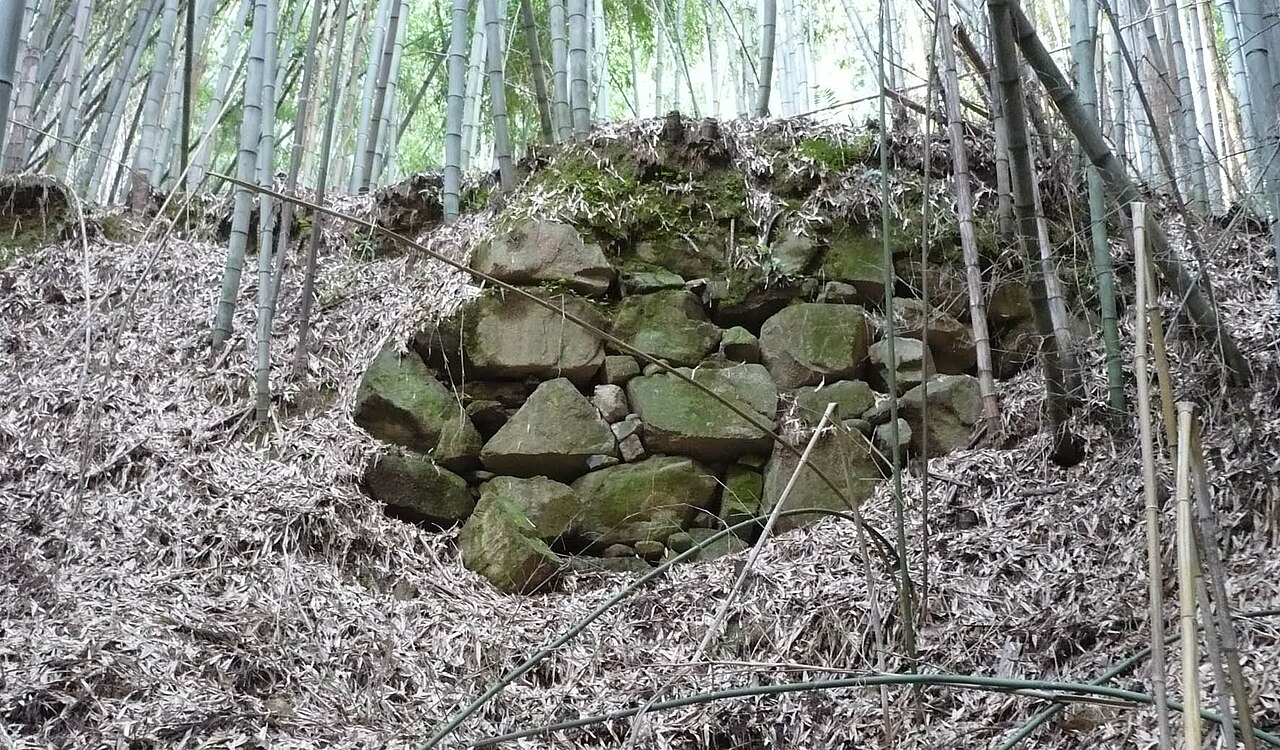
Today, Kameyama Castle exists primarily as an archaeological site with only remnants of its original fortifications visible. In 2019, a statue of Akechi Mitsuhide was erected near the castle grounds, commemorating his complex legacy and the castle's historical role.
Adjacent to the castle is Ten'on-kyō (天恩郷), the administrative headquarters of the Oomoto religion, which adds a layer of cultural and spiritual significance to the site. The castle area remains a point of interest for visitors interested in Japanese history, samurai culture, and the turbulent Sengoku era.
Architectural features and layout
Although no original buildings remain, the castle's layout is known from historical maps and archaeological surveys. It featured a series of baileys arranged on the hillside, connected by fortified gates and walls. The natural topography was used to enhance defense, with steep slopes and wooded areas providing natural barriers.
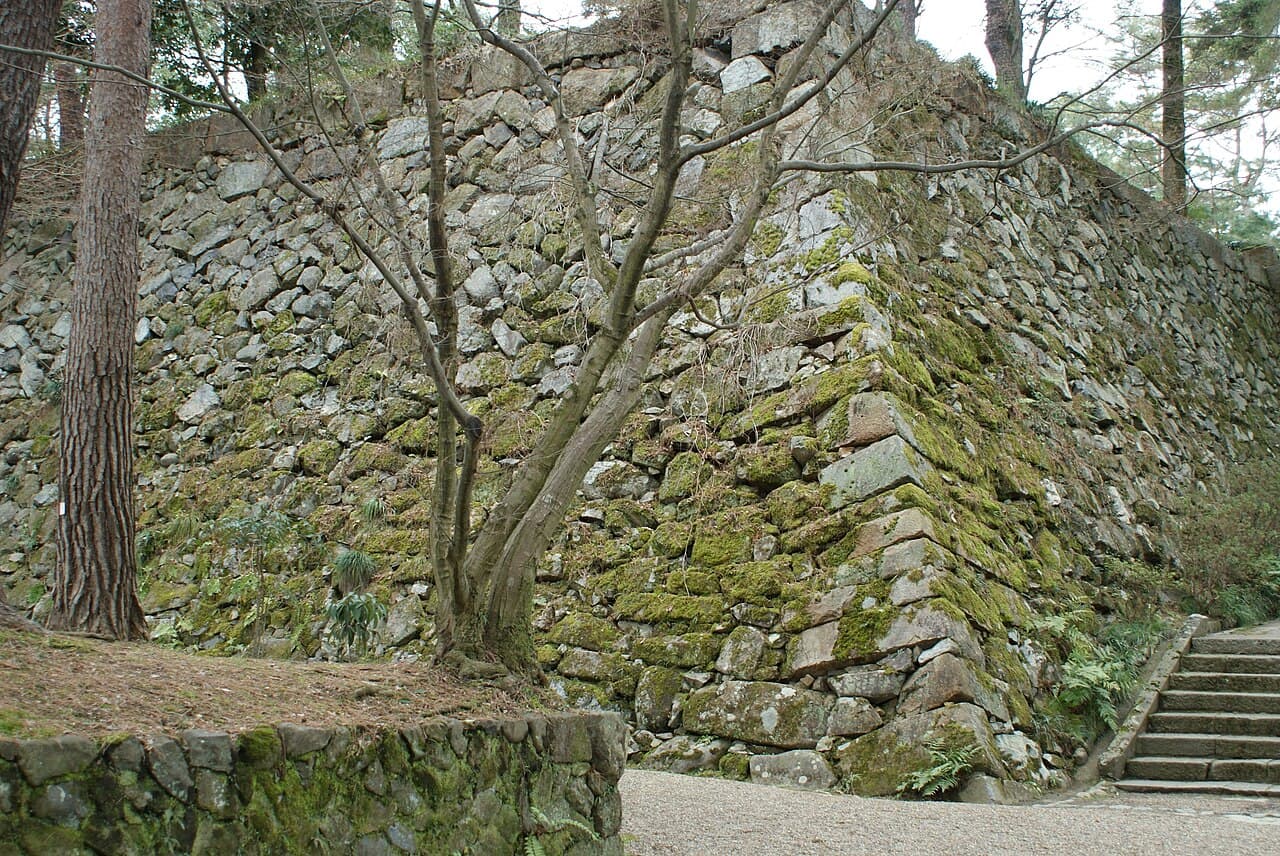
The castle was typical of hill castles of the late Sengoku period, focusing on practical military defense rather than ornate architectural flourishes. Its structures were primarily wooden, with stone foundations supporting gates and walls. The main keep likely served as a command post and last line of defense.
Visiting Kameyama Castle and surrounding attractions
Visitors to Kameyama Castle today can explore the castle grounds, which include walking paths that trace the original fortifications and offer views of the surrounding landscape. The statue of Akechi Mitsuhide provides a focal point for historical reflection.
The proximity of Ten'on-kyō offers insight into the spiritual heritage of the area, while the city of Kameoka provides amenities and access to other cultural sites in Kyoto Prefecture. The castle site is accessible year-round, though facilities are limited due to its status as a historical ruin.
Frequently asked questions (FAQ)
- How do I get to Kameyama Castle?
- Kameyama Castle is located in Kameoka, Japan, and can be accessed via public transportation. The nearest train station is Kameoka Station, from which you can take a bus or taxi to the castle. It’s a scenic area, so consider walking if you enjoy nature.
- What is the historical significance of Kameyama Castle?
- Kameyama Castle, built in the early 17th century, served as a strategic military installation. It played a crucial role during the Edo period and is a symbol of the local history and culture. Today, it is recognized as an important cultural heritage site in Japan.
- When was Kameyama Castle constructed?
- Kameyama Castle was constructed in 1601 under the orders of the Tokugawa shogunate. The castle has undergone several renovations since its original construction, reflecting the architectural styles of its time. Its rich history makes it a fascinating site for visitors interested in Japanese heritage.
- Can I explore the interior of Kameyama Castle?
- Currently, the interior of Kameyama Castle is not open to the public, but visitors can explore the surrounding castle grounds. The castle ruins provide a beautiful view of the surrounding area and are perfect for photography and picnics. Guided tours are available to learn more about its history.
- Why is Kameyama Castle a popular tourist destination?
- Kameyama Castle is popular for its historical significance and stunning views of the surrounding landscape. The castle is set against a backdrop of mountains, making it a picturesque spot for nature lovers. Additionally, its history and architecture attract many visitors interested in Japanese culture.
- Is it possible to visit Kameyama Castle year-round?
- Yes, Kameyama Castle is open year-round, allowing visitors to enjoy its beauty in all seasons. However, the best time to visit is during the cherry blossom season in spring or the vibrant foliage in autumn. Each season offers a unique experience for visitors.
- What are the opening hours for Kameyama Castle?
- Kameyama Castle is open to visitors from 9 AM to 5 PM daily. It is advisable to check the official website for any seasonal changes in hours or special events that may affect access. Plan your visit accordingly to make the most of your experience.
- Are there any ticket prices for visiting Kameyama Castle?
- Visiting Kameyama Castle is free of charge, which makes it an accessible destination for everyone. While there are no entry fees, donations to support the maintenance of the site are appreciated. Enjoy exploring the historical grounds without worrying about ticket costs.
- What nearby attractions can I visit after Kameyama Castle?
- After visiting Kameyama Castle, you can explore the nearby Kameoka City and its beautiful parks, such as the Kameoka Park. The area is also known for its hot springs and scenic river views, making it a perfect spot for a relaxing day trip. Don't miss out on trying local cuisine in Kameoka!
Photo gallery

Information
Loading map...
Visitor reviews
No reviews yet. Been here? Write the first review and help other travelers!
Write the first reviewVisited this castle? Share your experience
Your review helps other travelers and adds first-hand knowledge to our encyclopedia.