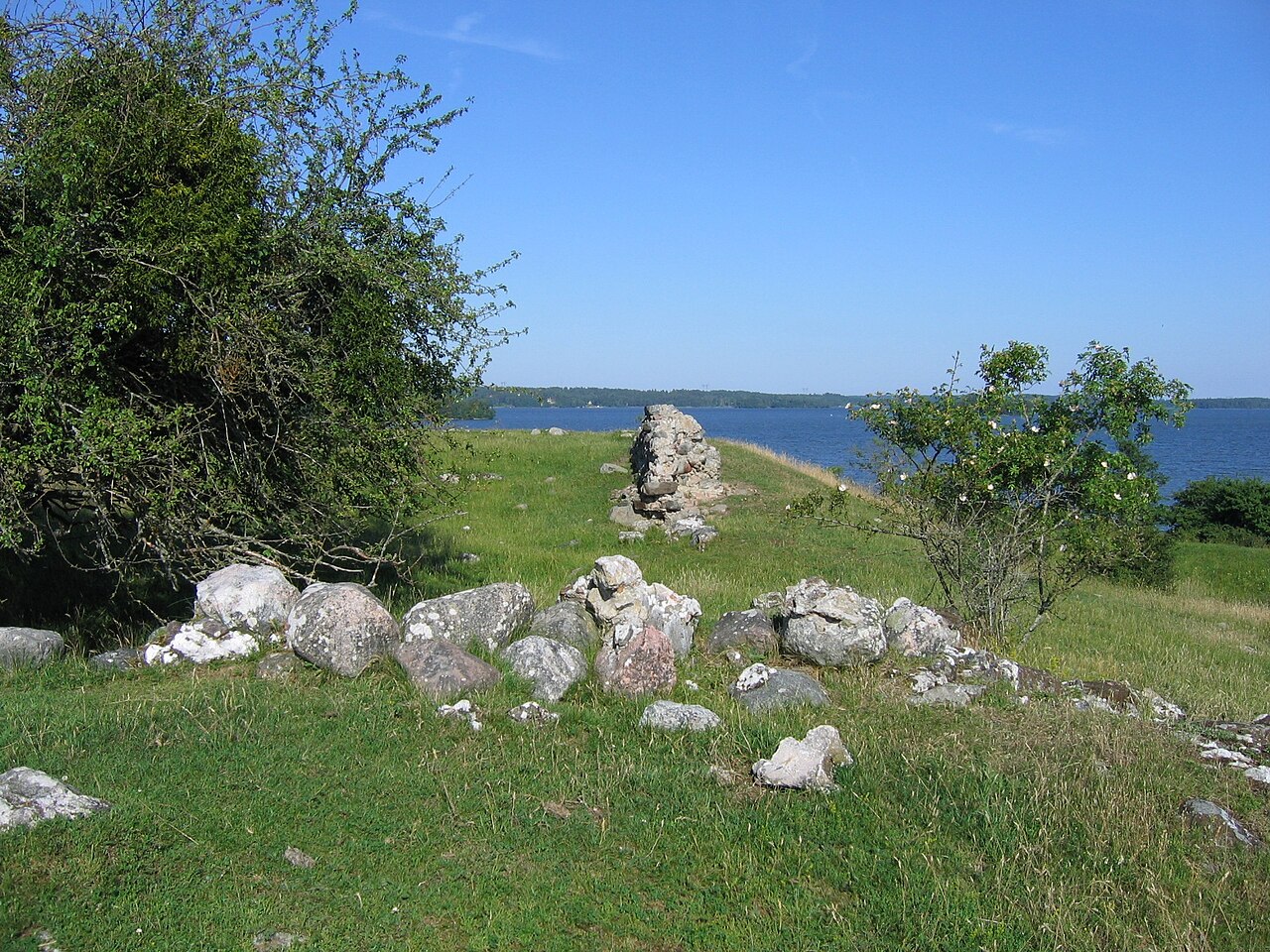
Kaggeholm Castle
Kaggeholm Castle, located on the island of Ekerö in Sweden, is a notable example of post-Renaissance baroque architecture and holds a significant place in Swedish history. The site was first documented in 1287, marking its long-standing presence in the region. Originally known as Vettersjö, the estate was a farm owned by the influential Grip and Bååt families during the 16th century. Its transformation into a grand manor began when Count Lars Kagg acquired the property in 1647. Kagg, a prominent political figure, was closely allied with King Gustavus Adolphus and served as a Field Marshal during the Thirty Years' War. He renamed the estate Kaggeholm, a name that has endured through the centuries.
Architectural design and construction
The current chateau-style mansion was constructed in 1725, designed by the acclaimed Swedish architect Nicodemus Tessin the Younger. Tessin is renowned for his contributions to Swedish baroque architecture, and Kaggeholm Castle exemplifies his style with its elegant yet imposing structure. The castle features a symmetrical layout typical of baroque design, with a central block flanked by wings and adorned with classical decorative elements. The use of large windows, pilasters, and a hipped roof contribute to its stately appearance.
Interior and grounds
The interior of Kaggeholm Castle reflects the baroque emphasis on grandeur and detail, with richly decorated rooms, ornate ceilings, and period furnishings. The castle is surrounded by well-maintained gardens and parkland, which complement the architectural elegance and provide a serene setting. The grounds historically included functional farm buildings and later developments to support the estate's operations.
Historical significance and ownership
Throughout its history, Kaggeholm Castle has been associated with influential Swedish families and figures. After Count Lars Kagg, the estate passed through various hands, reflecting the social and political changes in Sweden. Since 1939, the castle has been owned by the Swedish Pentecostal movement. It currently serves as a training center affiliated with the nearby Kaggeholm College, integrating its historical legacy with contemporary educational use.
Cultural and educational role
The castle's adaptation into a training center has preserved its architectural integrity while giving it a functional role in modern times. This use ensures regular maintenance and public engagement with the site, although it remains primarily an educational facility rather than a tourist attraction. The castle occasionally hosts events and conferences, contributing to its ongoing relevance.
Location and accessibility
Kaggeholm Castle is situated on Ekerö island, part of the Stockholm archipelago, providing a picturesque setting surrounded by water and natural landscapes. The location offers visitors a glimpse into Sweden's aristocratic past within a tranquil environment. Access to the castle is typically arranged through the Pentecostal movement or Kaggeholm College, with limited public visiting hours.
Architectural style and preservation
The castle is a prime example of post-Renaissance baroque style in Sweden, characterized by its balanced proportions, classical motifs, and elaborate decoration. Its condition is well preserved, thanks to ongoing care by its current owners. The preservation efforts have maintained the castle's historical features, making it a valuable cultural heritage site.
Frequently asked questions (FAQ)
- What is the historical significance of Kaggeholm Castle?
- Kaggeholm Castle dates back to 1287 and was transformed into a baroque palace in 1725 by Nicodemus Tessin the Younger. It was owned by Count Lars Kagg, a notable figure allied with King Gustavus Adolphus during the Thirty Years' War.
- Can I visit Kaggeholm Castle as a tourist?
- Kaggeholm Castle is primarily used as a training center by the Swedish Pentecostal movement and Kaggeholm College. Public access is limited and usually requires prior arrangement or participation in events hosted at the castle.
- What architectural style is Kaggeholm Castle built in?
- The castle is built in the post-Renaissance baroque style, featuring symmetrical design, classical decorative elements, and a chateau-style layout typical of early 18th-century Swedish architecture.
- Where is Kaggeholm Castle located?
- Kaggeholm Castle is located on Ekerö island in Stockholm County, Sweden, within the Stockholm archipelago, offering a scenic natural setting.
- Who was the architect of Kaggeholm Castle?
- The castle was designed by Nicodemus Tessin the Younger, a prominent Swedish architect known for his baroque style and significant contributions to Swedish architecture.
Information
Sources & official resources
Verify the information above using these authoritative references.
Loading map...
Visitor reviews
No reviews yet. Been here? Write the first review and help other travelers!
Write the first reviewVisited this castle? Share your experience
Your review helps other travelers and adds first-hand knowledge to our encyclopedia.