Babak Castle
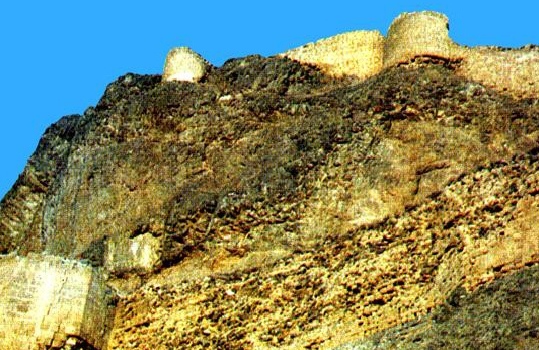
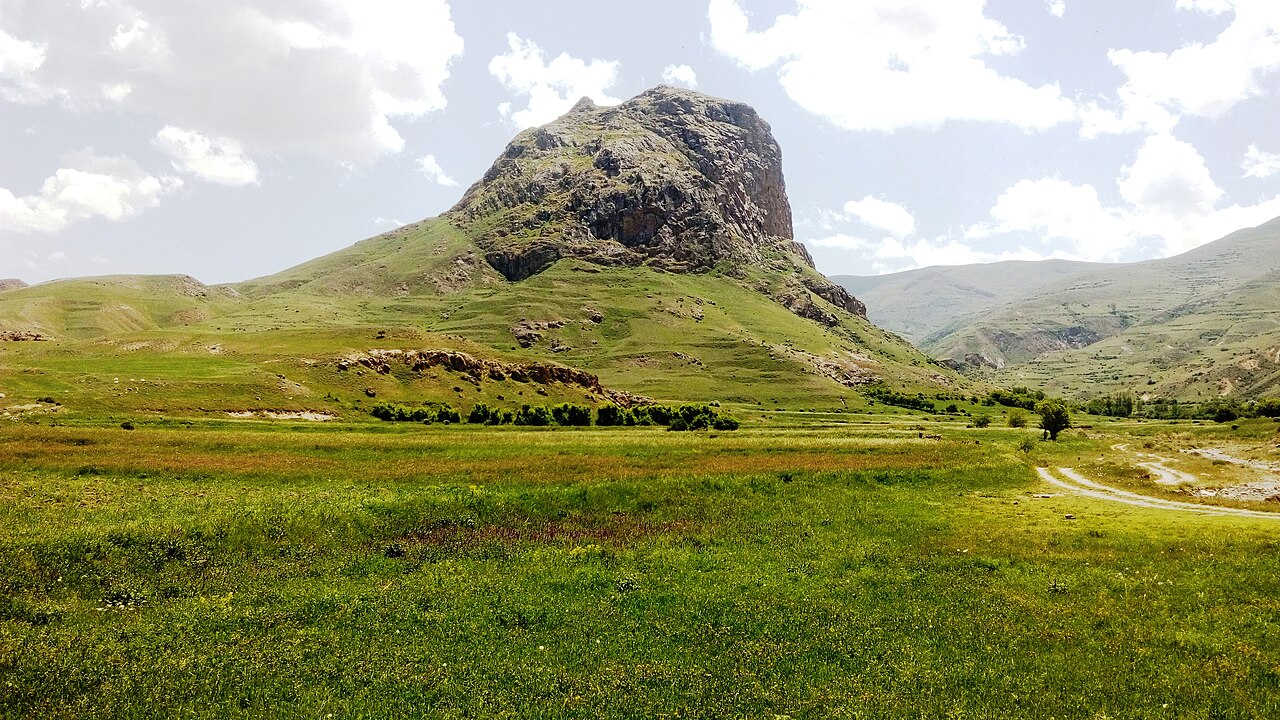
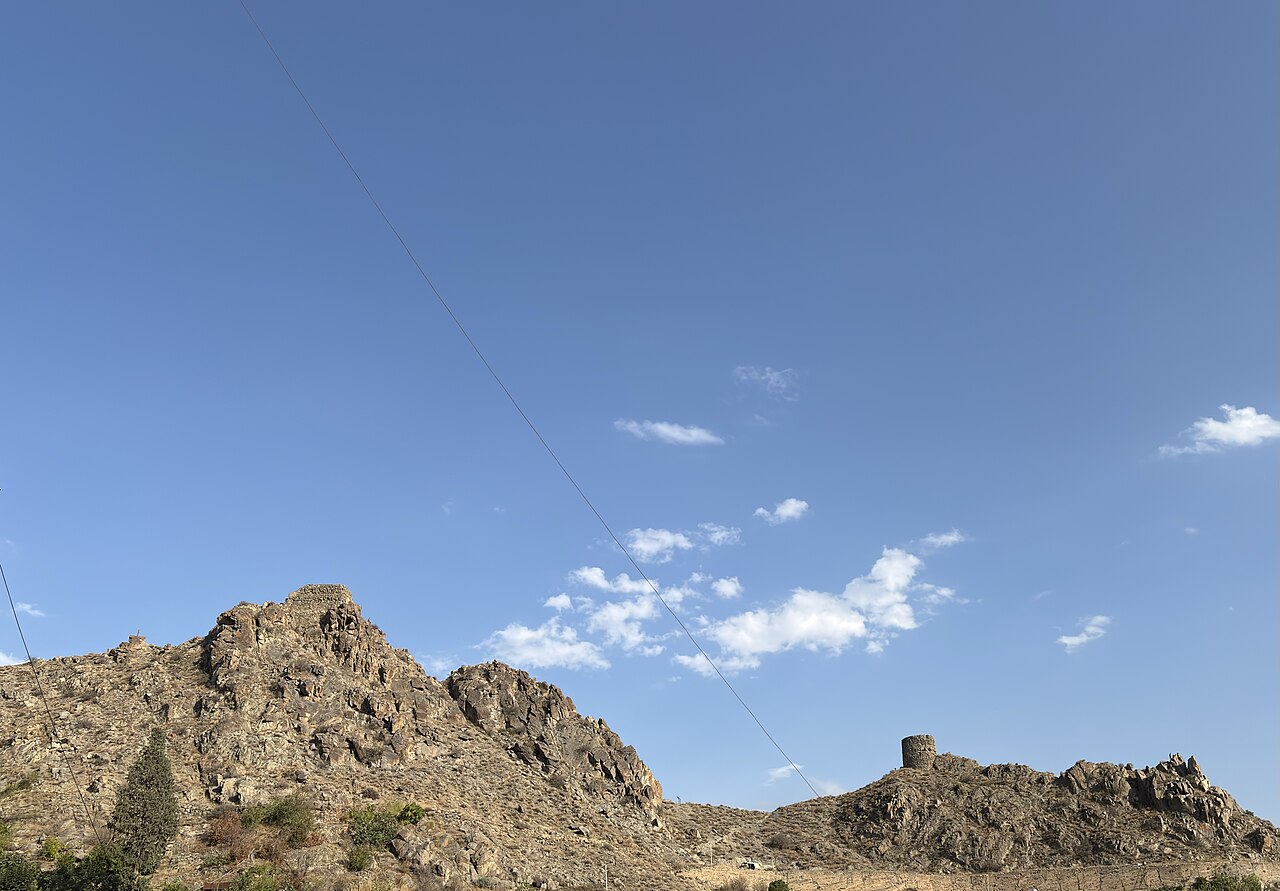
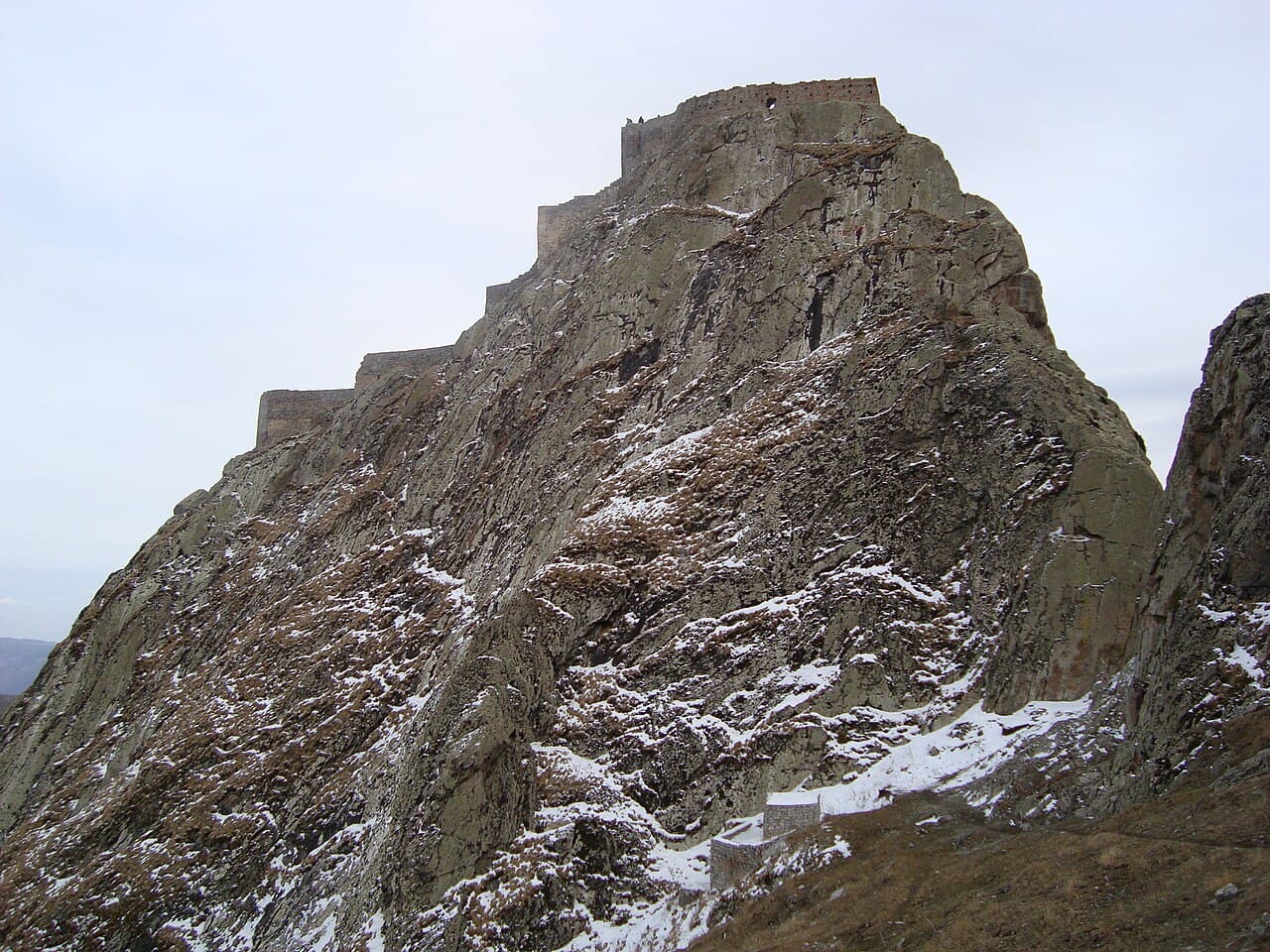
Babak Castle, also known as Pāpak Fort, is a significant early medieval fortress located in the Arasbaran forests of northwestern Iran. Situated approximately 50 kilometers from Ahar and near the city of Kalibar, this mountain citadel occupies a strategic position atop a rugged peak, providing natural defense and commanding views of the surrounding landscape. The castle's remote and elevated location was crucial for its role as a stronghold during turbulent times in Iranian history.
The castle is historically renowned as the bastion of Babak Khorramdin and his predecessor Javidhan, leaders of the Khurramite movement in Iranian Azerbaijan. This group fiercely resisted the Abbasid Caliphate in the 9th century, championing a syncretic religious and political cause rooted in Iranian nationalist and religious ideals. Babak Castle served as a refuge and military base during their prolonged rebellion against Abbasid rule.
Architectural features and strategic location
The fortress is primarily classified as archaeological ruins today, with remnants revealing its original function as a mountain stronghold. The castle's construction leveraged the natural topography, integrating steep cliffs and rocky outcrops into its defenses. Walls and fortifications were built to enhance these natural barriers, making it difficult for invading armies to capture the site. Although much of the structure has deteriorated over time, archaeological surveys have identified traces of defensive walls, watchtowers, and cisterns that supported prolonged sieges.
The castle's position on a high mountain allowed control over key routes in the region, facilitating communication and movement for the Khurramite forces. Its isolation also provided a secure retreat from Abbasid military campaigns. The rugged terrain around Babak Castle contributed to its reputation as a nearly impregnable fortress during its time.
Historical significance and the khurramite rebellion
Babak Khorramdin emerged as a prominent leader of the Khurramites, a religious and political group that combined elements of Zoroastrianism and local Iranian traditions in opposition to the Islamic Abbasid Caliphate. The Khurramite rebellion, which lasted from approximately 816 to 837 CE, was centered in the mountainous areas of Iranian Azerbaijan, with Babak Castle as a key base.
The fortress was the scene of numerous military engagements between Khurramite forces and Abbasid armies. Despite several Abbasid campaigns to subdue the rebellion, Babak Castle's defenses and the determination of its defenders prolonged the conflict. The castle ultimately fell in 837 CE when Abbasid general Afshin led a successful siege, capturing and destroying the fortress, which marked a turning point in the suppression of the Khurramite uprising.
Cultural legacy and archaeological importance
Today, Babak Castle stands as a symbol of resistance and Iranian cultural identity. Its ruins attract historians, archaeologists, and tourists interested in the early medieval period of Iranian history and the Khurramite movement. Excavations and studies of the site contribute valuable insights into the military architecture and social history of the region during the 9th century.
The castle's enduring presence in local folklore and national memory underscores its importance beyond mere military function. It represents the struggle for autonomy and cultural preservation during a period of significant political and religious change in the Islamic world.
Visiting babak castle
Babak Castle is accessible by a challenging hike through mountainous terrain, reflecting its original defensive purpose. Visitors should be prepared for a physically demanding journey to reach the ruins, which are situated at a high altitude. The site offers panoramic views of the surrounding forests and valleys, making it a rewarding destination for those interested in history and nature.
While the castle remains in a state of ruin, efforts to preserve and study the site continue. There are no extensive visitor facilities on site, so planning ahead with appropriate gear and local guidance is recommended.
Frequently asked questions (FAQ)
- What is the historical significance of Babak Castle?
- Babak Castle, also known as Babak Fort, is a remarkable symbol of resistance against Arab invasion in the 9th century. It served as the stronghold of the Iranian leader Babak Khorramdin, who led a rebellion against the Abbasid Caliphate. The castle represents a key moment in Iranian history and showcases the struggle for independence and cultural identity.
- When was Babak Castle built?
- Babak Castle was constructed in the 9th century during the time of Babak Khorramdin's revolt against Arab rule. Its strategic location on top of a mountain allowed it to serve effectively as a defensive fortress. The architectural design has remained largely intact, highlighting the ingenuity of ancient Persian engineering.
- How do I get to Babak Castle?
- Babak Castle is located in the East Azerbaijan Province of Iran, near the town of Kalibar. Visitors can access the castle by taking a taxi or a local bus from nearby cities, followed by a hike up the mountain. The trek to the castle offers stunning views of the surrounding landscapes and is a rewarding experience for adventurers.
- What are the opening hours of Babak Castle?
- Babak Castle is generally open to visitors from sunrise to sunset, allowing ample time to explore its historical grounds. However, it is recommended to check local sources for any seasonal changes in hours or special closures. Visiting during the day provides the best opportunity to appreciate the castle's architecture and panoramic views.
- Can I buy tickets in advance for Babak Castle?
- Currently, there is no online ticketing system for Babak Castle, and tickets are typically purchased at the entrance. The ticket prices are quite affordable, making it accessible for all visitors. It's advisable to carry some cash, as card payments may not be accepted.
- Is it possible to visit Babak Castle year-round?
- Yes, Babak Castle is open year-round, but the best time to visit is during the spring and autumn months when the weather is mild and pleasant. Summers can be quite hot, making the hike more challenging, while winters may bring snow that could limit access. Planning your visit during the shoulder seasons will enhance your experience significantly.
- What nearby attractions should I consider visiting?
- In addition to Babak Castle, visitors can explore the stunning landscapes of the Arasbaran Protected Area, which offers excellent hiking and wildlife viewing opportunities. The city of Kalibar also has cultural sites and local markets that provide insight into the region's history and traditions. Combining these attractions with your visit to the castle creates a rich cultural experience.
- Is Babak Castle accessible for all visitors?
- While Babak Castle is a remarkable site, accessibility can be challenging due to its mountainous location and the need for a hike to reach the entrance. Visitors should be prepared for a moderately strenuous trek, which may not be suitable for those with mobility issues. However, the breathtaking views and historical significance make the effort worthwhile for those who can manage the hike.
Photo gallery

Information
Loading map...
Visitor reviews
No reviews yet. Been here? Write the first review and help other travelers!
Write the first reviewVisited this castle? Share your experience
Your review helps other travelers and adds first-hand knowledge to our encyclopedia.