Jurisics Castle — Hungary castle

Jurisics Castle

Jurisics castle in kőszeg, hungary
Kőszeg, Hungary
High Medieval (11th–13th c.)
Restored

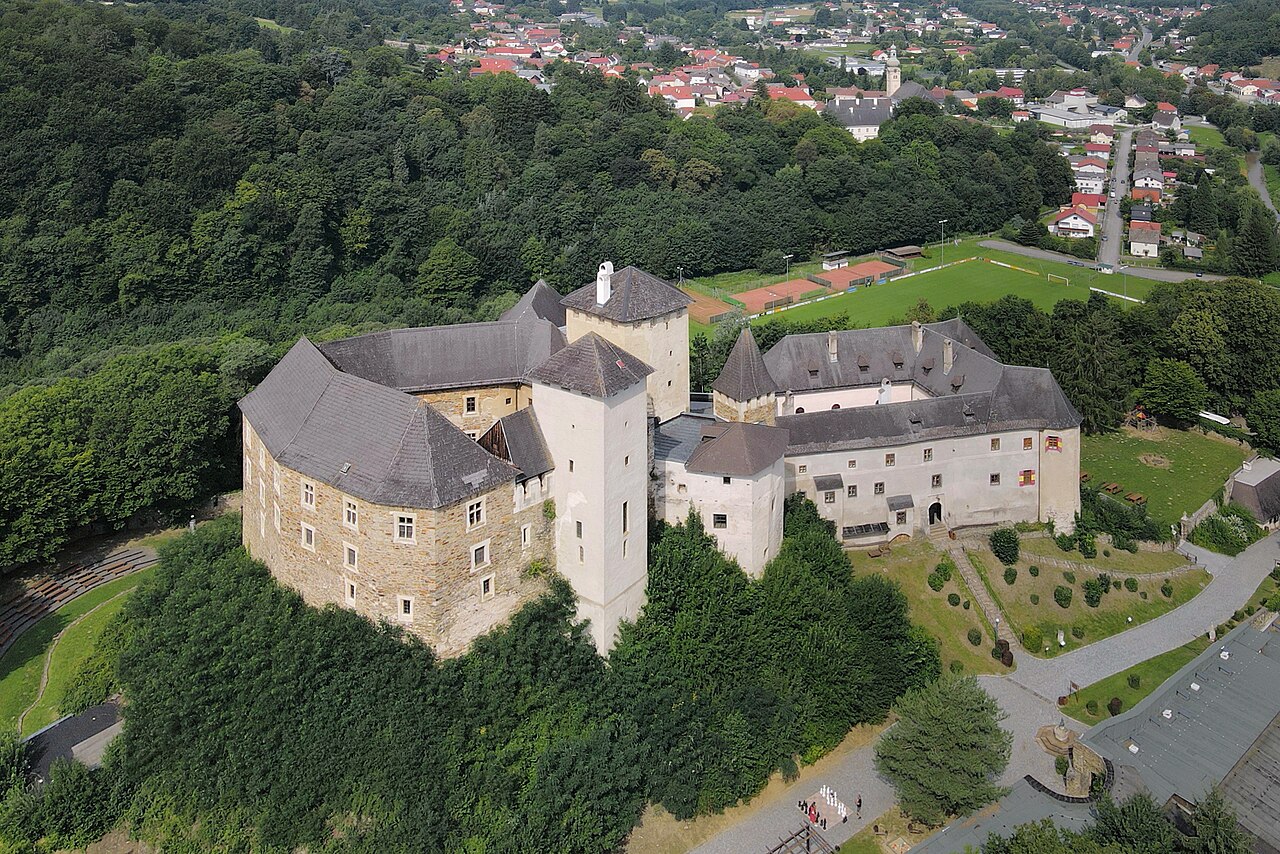
Jurisics Castle, located in the historic town of Kőszeg in western Hungary, stands as a remarkable testament to medieval fortification and resilience. Named after the Croatian nobleman Nikola Jurišić, the castle's origins date back to the 13th century, with its oldest parts constructed in the High Medieval period. Over centuries, it evolved architecturally, initially featuring a Gothic style inner castle that was later expanded and modified during the Renaissance and Baroque eras. The castle complex historically functioned as an estate castle, strategically positioned near the Király Valley, utilizing natural and man-made defenses including a surrounding moat fed by the nearby Gyöngyös stream.

Historical significance and ownership

The earliest recorded mention of the site is from the year 802, referred to as "castellum Guntionis" in the chronicles of Einhard, indicating its early medieval importance. The castle's strategic location made it a focal point throughout Hungarian history, especially following the devastating Tatar invasion of 1242, which prompted renewed fortification efforts. The Lower Castle near the valley settlement gradually became the primary center of manorial authority, overtaking the original Upper Castle.

Ownership of Jurisics Castle shifted among prominent families and rulers, reflecting the turbulent political landscape of the region. In the late 13th century, it belonged to the Héder family before being seized by Duke Albert in 1289. Following the Hainburg peace treaty, King Andrew III ordered the demolition of the Old Castle in 1291. The castle was reclaimed by Charles Robert in 1327 after wresting control from the Kőszegi family, who had held it for some time. Subsequent transfers of ownership included the Garai family in 1392, the Habsburg rulers in 1445, a brief return to King Matthias Corvinus in 1482, and back to the Habsburgs in 1492.

The siege of 1532 and military importance

The castle's most renowned historical episode is the 1532 siege during the Habsburg-Ottoman wars. Commanded by Captain Miklós Jurisics, fewer than 1,000 defenders, largely local peasants, withstood the assault by the forces of Suleiman the Magnificent led by Pargalı İbrahim Pasha. Despite lacking artillery and facing nineteen separate attacks over 25 days, the defenders' resilience prevented the Ottoman army from capturing the fortress. The siege ended with a negotiated symbolic victory for the Ottomans, who were allowed to raise their flags atop the castle's eight defensive towers as a token of triumph. This event elevated Jurisics' status, earning him nobility and the town's grant by Emperor Ferdinand I.

The nearby Sultan's Hill (Szultán-domb), situated between Király Valley and Kálvária Hill, served as the vantage point from which Suleiman observed the siege, adding further historical significance to the landscape surrounding the castle.

Architectural features and fortifications

Jurisics Castle is a complex fortification system comprising distinct inner and outer sections, with the Lower Castle replacing the earlier Upper Castle as the main manorial hub. The castle's defenses were progressively enhanced with robust stone walls, multiple towers, and a moat system that utilized diverted water sources for added protection. The eight towers played a critical tactical role during the 1532 siege, providing vantage points for defense and signaling.

The castle's interior features include the notable Esterházy altar, crafted in 1771 under the patronage of Miklós József Esterházy. This altar prominently displayed a central figure of the Madonna and has undergone several restorations, including a significant conservation effort in 1963 and a comprehensive restoration completed in 2018 following archaeological investigations. The altar's preservation reflects the castle's layered history, blending religious art with military architecture.

Restoration, cultural significance, and modern use

After a damaging fire in 1777 and subsequent military use through the 20th century, Jurisics Castle underwent extensive restoration beginning in the 1960s. These efforts transformed it into a vibrant cultural center, hosting a theater established in 1982 to commemorate the 1532 siege anniversary. Modern renovations starting in 2011 enhanced exhibition spaces with climate-controlled display cases and interactive rooms, enabling visitors to explore the castle's history comprehensively through to 1945.

The castle also serves as a backdrop for Hungarian and international film productions, highlighting its enduring architectural charm and historical ambiance. The restoration projects have preserved the castle's structural integrity while adapting it for contemporary cultural and educational use, ensuring that Jurisics Castle remains a vital heritage site in Hungary.

Visitor experience and surrounding landscape

Visitors to Jurisics Castle can explore its fortified walls, towers, and courtyards, gaining insight into medieval defensive architecture and the castle's storied past. The nearby Sultan's Hill offers panoramic views and historical context related to the 1532 siege. The castle's location in Kőszeg, a town known for its rich history and cultural heritage, makes it an attractive destination for those interested in medieval history, military architecture, and Hungarian heritage.

Overall, Jurisics Castle exemplifies the resilience and strategic importance of Hungarian fortifications during the Middle Ages and Renaissance, standing as a monument to the heroic defense against overwhelming odds and the layered history of Central Europe.

Frequently asked questions (FAQ)

How do I get to Jurisics Castle?
You can reach Jurisics Castle in Kőszeg by car or public transport. The castle is located in the heart of Kőszeg, and there are local buses that connect to nearby towns. If you're driving, there is parking available near the castle.
What is the historical significance of Jurisics Castle?
Jurisics Castle, built in the 13th century, played a vital role in the defense against Ottoman invasions. It is named after the famous defender of the castle, Miklós Jurisics, who successfully resisted a siege in 1532. Today, the castle stands as a symbol of Hungarian resilience and heritage.
When was Jurisics Castle built?
Jurisics Castle was originally constructed in the late 13th century, with significant renovations occurring in the 16th century. The architectural style reflects both medieval and Renaissance influences, showcasing the castle's evolution over the centuries. It has been preserved as a historic site for visitors to explore.
Can I take guided tours of Jurisics Castle?
Yes, guided tours are available at Jurisics Castle, providing a comprehensive overview of its history and architecture. Tours are conducted in multiple languages, making it accessible for international visitors. It is recommended to check the schedule in advance, especially during peak tourist seasons.
Why is Jurisics Castle a popular tourist destination?
Jurisics Castle attracts visitors due to its rich history, stunning architecture, and beautiful setting in the picturesque town of Kőszeg. The castle offers breathtaking views of the surrounding landscape and serves as a cultural landmark, hosting various events and exhibitions throughout the year. Its historical significance and scenic beauty make it a must-visit.
Is it possible to visit Jurisics Castle with children?
Absolutely! Jurisics Castle is family-friendly and offers activities that are engaging for children. The castle grounds provide ample space for exploration, and educational tours can help children learn about history in an interactive way. Be sure to check for any special family programs available during your visit.
What are the opening hours for Jurisics Castle?
Jurisics Castle is typically open from 10 AM to 6 PM during the tourist season, which runs from April to October. In the off-season, opening hours may vary, so it's a good idea to check the official website before your visit for the most accurate information. Special events may also influence opening times.
What are the ticket prices for Jurisics Castle?
Ticket prices for Jurisics Castle are generally affordable, with discounts available for students and seniors. Family tickets may also be offered, allowing for a cost-effective way to visit with children. Pricing can vary based on the season, so check the official website for the latest details.
What nearby attractions can I visit while in Kőszeg?
While visiting Jurisics Castle, you can explore the charming streets of Kőszeg, known for its medieval architecture and vibrant cultural scene. Nearby attractions include the Church of St. James and the picturesque Jurisics Square. The area also offers hiking trails in the surrounding hills for outdoor enthusiasts.

Photo gallery

Jurisics Castle
Click to view

Photo by Unknown authorUnknown author•CC BY-SA 2.5

1 photo • Click any image to view in full screen

Information

Hill Castle

Sources & official resources

Verify the information above using these authoritative references.

Loading map...

Visitor reviews

No reviews yet. Been here? Write the first review and help other travelers!

Write the first review

Visited this castle? Share your experience

Your review helps other travelers and adds first-hand knowledge to our encyclopedia.
Write a review

(5/5)

0/2000 characters

Your review will be visible after admin approval

Nearby castles

7.5 km
Sibrik Mansion in Bozsok — Hungary castle

Sibrik Mansion in Bozsok

, Hungary

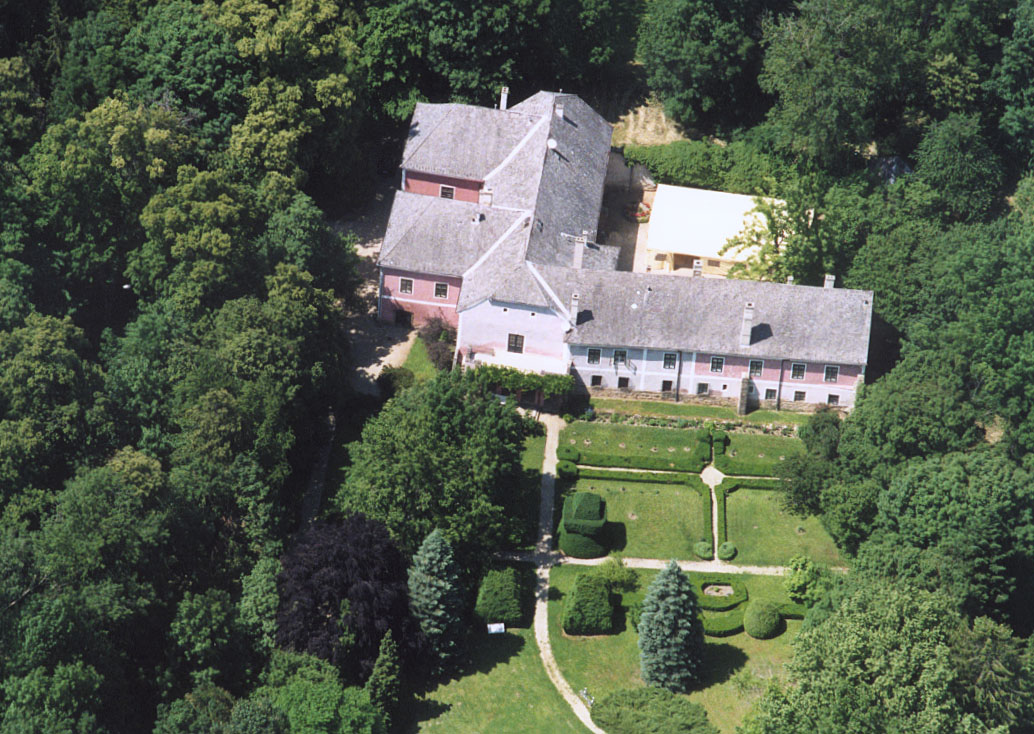
The Sibrik Mansion is a notable historic residence located in Bozsok, Hungary. It is classified as a hill castle due to its elevated position, which historically offered strategic advantages and commanding views of the surrounding landscape. The mansion is an important example of Hungarian aristocratic architecture and reflects the lifestyle and social status of the noble families who inhabited it. Historical background and significance The Sibrik Mansion was constructed during a period when aristocratic families in Hungary built impressive residences that combined defensive features with comfortable living quarters. Although the exact construction date is not precisely documented, the mansion likely dates back to the 18th or 19th century, a time when many such estates were developed or renovated to reflect contemporary tastes and needs. This mansion was associated with the Sibrik family, a noble lineage with ties to the region. The estate served not only as a family residence but also as a symbol of their social standing and influence within the local community. Over the years, the mansion has witnessed various historical events and changes in ownership, reflecting the broader shifts in Hungarian history. Architectural features and style The architecture of the Sibrik Mansion blends elements typical of aristocratic manors with features adapted to its hilltop location. The building's design emphasizes both aesthetic appeal and practical considerations such as defense and surveillance. The mansion exhibits characteristics of Baroque and early neoclassical styles, which were popular in Hungary during the 18th and 19th centuries. These styles are evident in the mansion's symmetrical façade, decorative window frames, and elegant rooflines. The use of local materials and craftsmanship adds to its regional character. Key architectural elements include: Multiple floors with spacious rooms designed for both public functions and private living. Large windows that provide ample natural light and views of the surrounding countryside. Ornate entrance gates and courtyards that create a grand approach to the mansion. Defensive features such as thick walls and elevated positioning, typical of hill castles. Surrounding landscape and estate grounds The mansion is set within extensive grounds that include gardens, wooded areas, and possibly agricultural land historically used to support the estate. The elevated site offers panoramic views of the region, enhancing the property's prestige and providing natural defenses. The landscape design likely incorporated formal garden layouts common to aristocratic estates, with pathways, terraces, and ornamental plantings that complemented the mansion's architecture. Current condition and preservation Today, the Sibrik Mansion remains a significant cultural and architectural landmark in Bozsok. Its physical condition is generally well preserved, though like many historic estates, it may require ongoing maintenance and restoration to protect its structural integrity and aesthetic features. Efforts to preserve the mansion contribute to the understanding of Hungary's noble heritage and architectural history. The site may be accessible to visitors interested in historical architecture and regional culture, though specific visiting hours and ticketing details are not widely published. Visiting and cultural importance The Sibrik Mansion is a point of interest for tourists and scholars alike, offering insights into the lifestyle of Hungarian nobility and the architectural trends of past centuries. Its location in Bozsok makes it part of a broader network of historic sites in western Hungary, contributing to regional tourism and education. Visitors can appreciate the mansion's harmonious integration with its natural surroundings and the craftsmanship evident in its construction. The site also serves as a reminder of the social and historical narratives that shaped Hungary's rural aristocratic estates.

Details
8.7 km
Lockenhaus Castle — Austria castle

Lockenhaus Castle

Lockenhaus, Austria

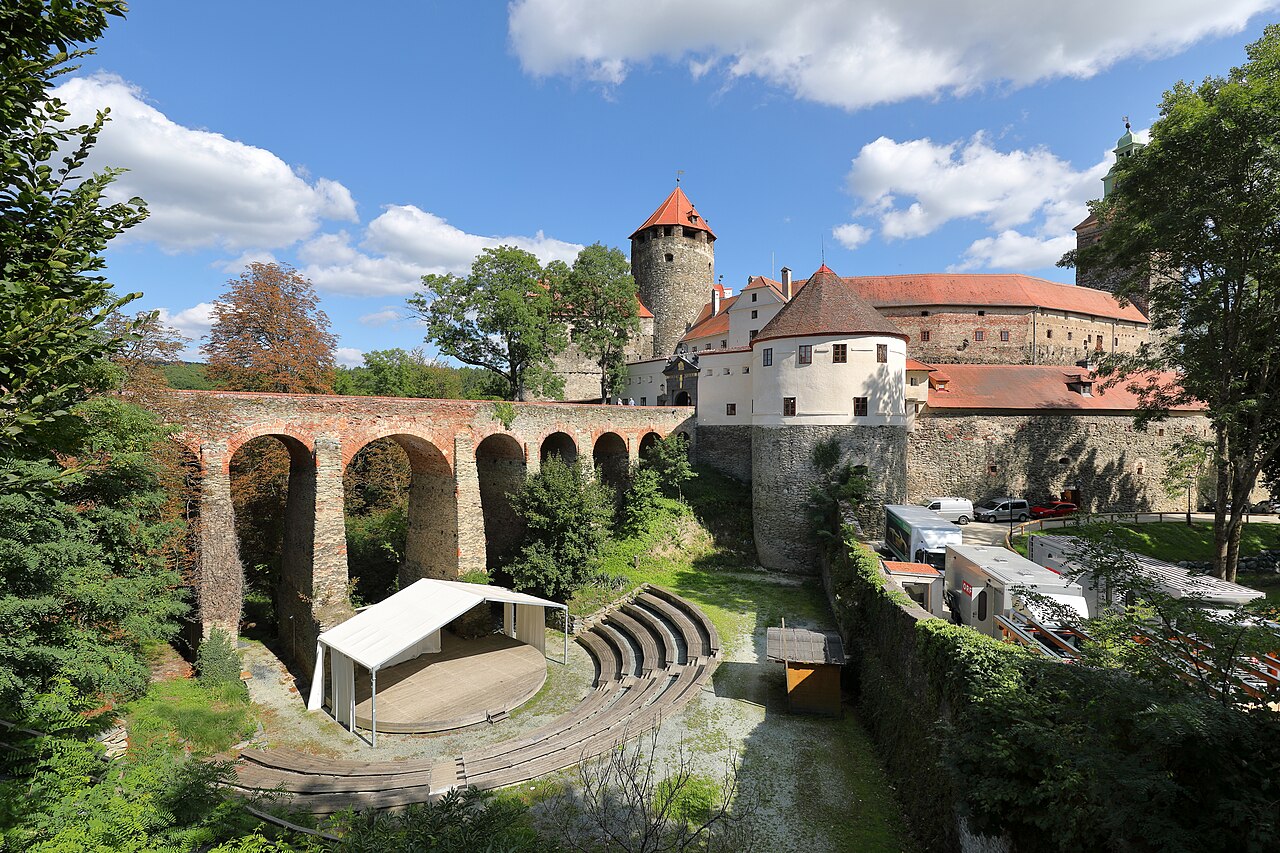
Lockenhaus Castle, known historically as "Leuca" or "Léka," stands as a remarkable example of medieval fortification in the Güns Valley near the Austrian-Hungarian border. Constructed around 1200, this hill castle combines Romanesque and Gothic architectural styles, reflecting the evolving defensive and residential needs of the region's nobility. Its strategic position in eastern Austria underscored its role in guarding against invasions, notably during the High Medieval period when threats like the Mongol incursions were prevalent. Historical significance and early origins The site of Lockenhaus Castle has a history of human settlement dating back to the Stone Age, with early Illyrian and Celtic peoples utilizing local materials for habitation. The castle first appears in written records in 1242, though its construction began earlier, around 1200. Initially part of the Roman province of Pannonia, the region saw diverse cultural influences, including Germanic and Slavic populations over subsequent centuries. Lockenhaus was originally built to serve as a defensive stronghold against the Mongols, a significant threat in the 13th century. Ownership passed through several prominent noble families, including the Güssinger family (1266–c.1390), the Kanizsay family (1390–1535), and the Nádasdy family (1535–1676), before becoming part of the Esterházy estates until the late 20th century. Architectural features and castle layout Medieval defensive structures The castle's design features robust outer walls reinforced by round towers, typical of early 13th-century fortifications. The complex is organized around two main courtyards, separated by heavy masonry walls. The lower courtyard historically housed a tavern serving the castle's inhabitants and visitors. Interior spaces and unique chambers Among the castle's most notable interiors is the Kultraum or "Cult Room," located on the first floor. This chamber is architecturally distinctive for its double apse, a feature more commonly found in ecclesiastical buildings. Light enters this room through a single hole in the vaulted ceiling, a design element linked to the Knights Templar, who are believed to have used this space for secret meetings. Adjacent to the Kultraum is the Rittersaal or Great Hall, distinguished by its soaring Gothic rib-vaulted ceiling. This hall served as a communal dining and gathering area for the knights and castle residents. Local legend associates the hall with the execution of the last Knights Templar, marked by red algae near the entrance. The castle also contains a chapel within one of its towers, notable for well-preserved medieval frescoes that provide insight into the religious life of its inhabitants. Dungeon, torture chambers, and burial vaults Lockenhaus Castle's dungeon is hewn directly from the natural rock by Turkish prisoners in the 16th century. Historical records recount the grim fate of sixteen Turkish captives who were burnt alive there in 1557. The dungeon complex includes a spiral stone staircase leading to a torture chamber equipped with restraint devices such as an Iron Maiden, manacles, crushers, pincers, and other instruments of punishment, reflecting the harsh penal practices of the era. The Nádasdy family sepulchre is an extensive underground gallery with vaulted arches supported by columns, illuminated by a single circular opening that could be sealed for security. Another burial vault lies beneath the former lord's chambers, carved into solid rock and featuring short pillars with rounded arches. Fragments of wooden statues once adorned this chamber, indicating the artistic tastes of the noble family. Above one burial chamber is a large hall with two slender arched windows, providing filtered light. Nearby, a well dug fifty fathoms deep into the rock supplied water to the fortress, showcasing advanced medieval engineering. Notable historical events and ownership The castle endured destruction in 1337 under the orders of Charles I of Hungary, but was rebuilt and fortified by subsequent owners. In 1492, the nearby settlement was granted market rights, marking its growing regional importance. A notorious figure associated with Lockenhaus is Elizabeth Báthory, the "Blood Countess," who married Francis II Nádasdy. Allegations of her sadistic crimes have become part of the castle's dark lore, though historical analysis suggests political motives influenced her prosecution. The castle suffered damage during the Turkish War of 1683 and further destruction during an 18th-century uprising. Restoration efforts began after World War II, with significant private conservation initiated by Professor Paul Anton Keller and his wife Margaret from 1968 onward, culminating in the establishment of a dedicated foundation in 1980. Cultural significance and modern use Lockenhaus Castle is recognized as one of the last authentic knights’ castles, retaining original features such as the medieval kitchen, sanctuary, knights’ hall, chapel, and priest’s lodging. It has been used as a filming location for medieval scenes in Rudolf Steiner’s mystery drama "The Soul’s Probation." Today, the castle serves as a venue for weddings, cultural events, conferences, and seminars. It houses a museum with guided tours highlighting its extensive history and architectural features. The castle grounds include a birds of prey station and support a significant bat colony, with modern audiovisual and night vision equipment educating visitors about local wildlife.

High Medieval (11th–13th c.)
Details
20.8 km
Burg Schlaining — Austria castle

Burg Schlaining

Stadtschlaining, Austria

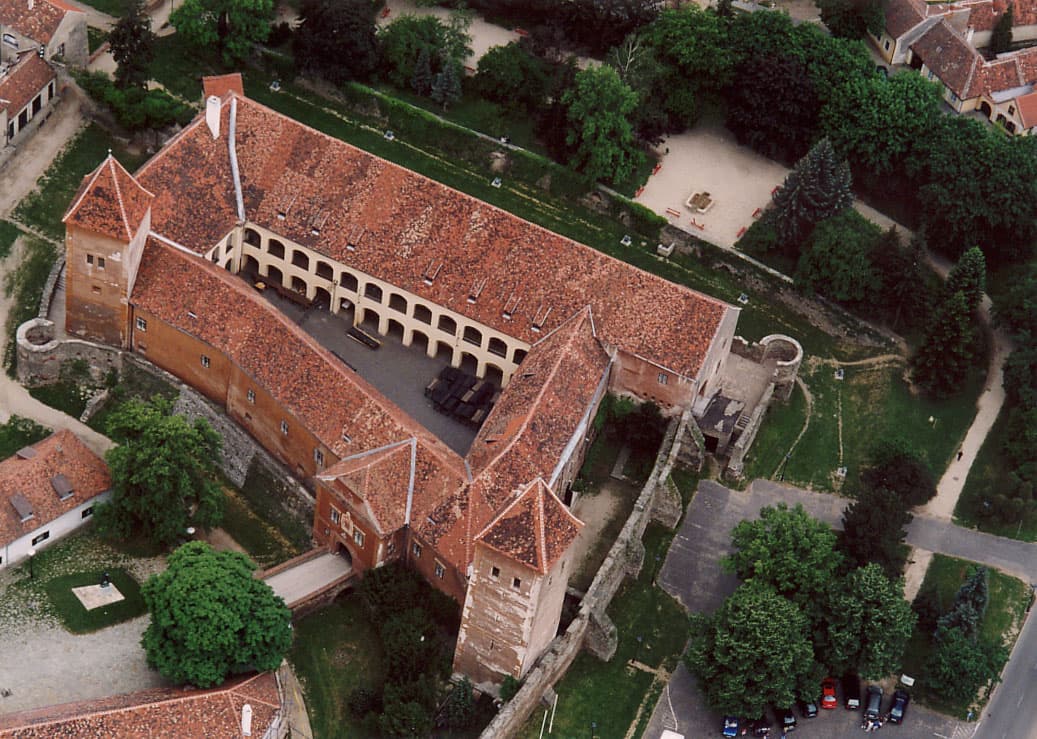
Burg Schlaining stands as one of the most remarkable and well-preserved medieval castles in Austria, nestled in the town of Stadtschlaining within the Burgenland region. This hill castle dates back to the 13th century and showcases a fascinating architectural evolution, beginning with its original Gothic construction and later enriched by significant Renaissance and Baroque additions. Its strategic location atop a hill overlooking the Bernstein mountains allowed it to control vital medieval trade routes, contributing to its historical importance as a military and administrative center. Historical background and ownership First documented in 1271 under the name "castrum Zloynuk," Burg Schlaining was initially established by Slavic settlers before coming under the possession of the Counts of Güssing, who held it as part of the dominion of Czech King Přemysl Otakar II. Following the military upheavals of the late 13th and early 14th centuries, the castle was transferred as a fief to the influential Kanizsay family by King Charles I Robert of Hungary. Throughout the late medieval period, the castle changed hands multiple times, including temporary possession by Nikolaus Zarka of Pecöl and the Tompek family. In 1445, the fortress was seized by Emperor Frederick III, who incorporated it into the imperial estates and pledged it to the mercenary leader Andreas Baumkircher. Baumkircher expanded his influence over nearby villages but later rebelled against the emperor in the so-called "Baumkircher Feud" (1469–1471), which ended with his execution. Subsequently, the castle was granted to the Batthyány family, who maintained ownership for over three centuries. Among them, Ludwig Batthyány stands out as a significant historical figure, serving as Hungary's first prime minister during the 1848 revolution before his execution in 1849. After this period, the castle passed through various private owners, including railway pioneer Franz Schmidt and Demeter Salesky, before being acquired in 1957 by former Austrian federal minister Udo Illig. Illig's vision transformed the castle into a center for peace studies, culminating in the establishment of the Austrian Study Centre for Peace and Conflict Resolution (ÖSFK) in 1983 and recognition as an "Ambassador of Peace" by the United Nations in 1987. Architectural features and layout Burg Schlaining is a quintessential example of a hill castle with a complex layout that reflects its long history of construction and adaptation. The castle comprises multiple courtyards enclosed by robust stone walls predominantly dating from the 15th century. These walls are punctuated by several defensive towers and bastions, designed to withstand sieges and attacks. The castle's most prominent architectural feature is its keep, located within the inner courtyard. This massive structure boasts walls up to 8 meters thick, exemplifying the defensive priorities of medieval fortifications. Visitors can explore the keep, gaining insight into the military engineering of the period. Among the residential and ceremonial spaces, the knight's hall is notable for its decorative fresco painted in 1740, one of the oldest secular wall paintings in the region depicting noble life. The castle chapel remains a well-lit and spacious room, occasionally used for worship, featuring a small pipe organ crafted in 1695 by Jakob Häcklinger. The granarium, originally the main storage for grain, has been repurposed as a modern seminar center, offering versatile spaces for events ranging from intimate meetings to large conferences. Access to the castle is gained via a long bridge equipped with a fully restored drawbridge. Alongside this bridge runs the "Forbidden Way," a path that allows visitors to walk beside the external castle walls and towers, providing unique perspectives on the fortress's defensive architecture. Courtyards and defensive elements The castle features several courtyards, each with distinct historical and architectural significance. The Black Courtyard, the oldest part of the complex, is named for its intricate sgraffito decorations on stairways and candle arches. This courtyard is encircled by original defensive walls and contains three underground cisterns carved into the rock, which historically secured drinking water during sieges. The main courtyard is surrounded by walls topped with solid stone battlements and includes 15th-century defense towers. Notably, two large stone battering rams from the 18th century stand before the third gate, symbolizing the castle's martial heritage. The northern wall features the "Baumkircher Stone," a monument commemorating Andreas Baumkircher. Adding symbolic and natural beauty to the grounds, five chestnut trees planted in a circular pattern honor Empress Elisabeth of Bavaria's coronation as Queen of Hungary. Cultural significance and modern use Today, Burg Schlaining functions as a vibrant cultural and educational center. It houses the European Peace Museum, dedicated to the history and promotion of peace, and hosts the Austrian Study Centre for Peace and Conflict Resolution, which organizes conferences and seminars on peace and conflict topics. The castle's inner courtyard is equipped with a unique stage and grandstand system, facilitating a wide range of events including concerts, theatrical performances, and international conferences. The castle also offers spaces for private events such as weddings and birthdays, making it a lively venue that blends historical ambiance with contemporary use. Adjacent to the castle, the well-preserved former Stadtschlaining synagogue and the protected rabbi's house stand as poignant reminders of the town's Jewish heritage prior to the community's expulsion in 1938. Across the main square, a cluster of 15th-century smithy, armory, and arsenal buildings has been sensitively renovated and converted into a conference hotel, providing modern accommodations while respecting the site's cultural monument status. Restoration and preservation efforts Extensive restoration work began in 2019 to coincide with the 100th anniversary of Burgenland joining Austria. These efforts uncovered significant frescoes dating from around 1500 and other original architectural features that had been concealed over centuries. The restoration has been crucial in preserving the castle's historical integrity and enhancing visitor experience. The castle is currently in a well-preserved state, with ongoing maintenance ensuring the protection of its medieval structures and artistic treasures. Its status as a cultural monument and center for peace studies underscores its multifaceted importance in Austrian heritage.

High Medieval (11th–13th c.)
Details