Junkarsborg Castle

Junkarsborg Castle in Raasepori, Finland
Raasepori, Finland
Late Medieval (14th–15th c.)

Junkarsborg Castle is a medieval fortress located in Raasepori, Finland, notable for its historical significance despite its current state as ruins. The castle was likely constructed in the early 14th century, around ca. 1320, during the late medieval period. Although no written records survive to detail its history, archaeological research provides valuable insights into its origins, use, and eventual decline.

Historical context and origins

The exact origins of Junkarsborg remain uncertain due to the absence of contemporary documents. However, archaeologists have hypothesized that the castle was built by Danish soldiers, possibly as part of military efforts in the region during the medieval period. This theory is supported by material findings and architectural parallels with fortifications in the Rhineland region of Germany. The castle's strategic location on an island in the Svartå river would have provided natural defense advantages, controlling river traffic and local territories.

Archaeological discoveries and material culture

Excavations at the site have uncovered a range of artifacts including iron and bronze items, ceramics, and silver coins. These finds indicate the castle was not only a military stronghold but also a place of habitation and trade. The presence of silver coins suggests economic activity and connections beyond the immediate region. The artifacts also help date the castle's period of use, which is estimated to have lasted until the early 15th century.

Architectural features and layout

Today, Junkarsborg Castle survives primarily as rectangular earth walls, which outline the footprint of the former fortress. The castle was constructed on a forested island, accessible only on foot, which emphasizes its defensive purpose. The earthworks would have been complemented by wooden or stone structures, although no above-ground stone remains are visible today. The layout suggests a compact fortification designed to maximize natural defenses provided by the river and surrounding terrain.

Defensive advantages

The island location in the middle of the Svartå river created a natural moat, making it difficult for attackers to approach. The rectangular earth walls would have been topped with palisades or ramparts to enhance protection. Such fortifications were typical for smaller medieval castles in Finland, combining natural features with constructed defenses.

Modern preservation and access

In the early 21st century, specifically during 2005-2006, reconstruction and conservation efforts were undertaken to improve access to the island and enhance the visual presentation of the castle ruins. These works included stabilizing the earth walls and creating pathways for visitors. Despite the minimal remains, the site offers a tangible connection to Finland's medieval past and attracts those interested in history and archaeology.

Visiting the site

The ruins are situated on a forested island in the river, reachable only by foot. Visitors can explore the earthworks and enjoy the natural surroundings, which preserve the atmosphere of the medieval fortress. The site is managed to balance preservation with public access, providing educational opportunities about medieval fortifications in Finland.

Significance in Finnish medieval history

While Junkarsborg Castle was not a large or heavily fortified stronghold compared to other European castles, it represents an important example of medieval military architecture in Finland. Its construction during the late medieval period reflects the geopolitical situation in the region, including Danish influence and local defense strategies. The castle's archaeological remains contribute valuable knowledge about medieval life, trade, and military organization in northern Europe.

Frequently asked questions (FAQ)

How do I get to Junkarsborg Castle?
Junkarsborg Castle is located in Raasepori, Finland, and can be reached by car or public transportation. The nearest major city is Helsinki, approximately 90 kilometers away. Local bus services also connect Raasepori to nearby towns and cities, making it accessible for visitors.
What is the historical significance of Junkarsborg Castle?
Junkarsborg Castle dates back to the late 13th century and served as an important fortification during the medieval period. It played a crucial role in defending the region against invasions and was a center of power for local nobility. Today, it stands as a symbol of Finnish heritage and medieval architecture.
When was Junkarsborg Castle built?
Construction of Junkarsborg Castle began in the late 13th century, with various expansions and renovations occurring over the centuries. The castle was strategically positioned to oversee trade routes and protect the surrounding areas. Its history reflects the turbulent times of medieval Finland.
Can I visit Junkarsborg Castle year-round?
Yes, Junkarsborg Castle is open to visitors year-round, although certain areas may have limited access during the winter months. Summer is particularly popular for tourists, offering guided tours and events. It's always best to check the castle's official website for the latest visitor information before planning your trip.
Why is Junkarsborg Castle a popular tourist destination?
Junkarsborg Castle attracts visitors due to its rich history, stunning architecture, and picturesque setting. The castle offers a glimpse into Finland's medieval past and provides a unique experience for history enthusiasts. Additionally, the surrounding nature makes it a beautiful spot for photography and exploration.
Is it possible to take guided tours of Junkarsborg Castle?
Absolutely! Junkarsborg Castle offers guided tours that provide in-depth information about its history, architecture, and significance. These tours are conducted by knowledgeable guides who can answer questions and share fascinating stories about the castle's past.
What are the opening hours for Junkarsborg Castle?
Junkarsborg Castle's opening hours vary by season, with longer hours during the summer months. Typically, the castle is open from 10 AM to 6 PM during peak season, while winter hours may be reduced. Always check the official website for the most up-to-date information on hours and any special events.
What are the ticket prices for visiting Junkarsborg Castle?
Ticket prices for Junkarsborg Castle are generally affordable, with discounts available for students, seniors, and children. Admission fees may vary depending on the type of tour you choose, such as self-guided or guided tours. It's advisable to purchase tickets in advance during peak tourist seasons to ensure availability.
Are there any nearby attractions to visit while at Junkarsborg Castle?
Yes, there are several nearby attractions worth visiting, including the charming town of Raasepori, which is known for its beautiful landscapes and local shops. Additionally, the surrounding nature offers hiking trails and scenic views, making it a perfect spot for outdoor activities. Don't miss the opportunity to explore the local culture and history in the area.

Information

Sources & official resources

Verify the information above using these authoritative references.

Loading map...

Visitor reviews

No reviews yet. Been here? Write the first review and help other travelers!

Write the first review

Visited this castle? Share your experience

Your review helps other travelers and adds first-hand knowledge to our encyclopedia.
Write a review

(5/5)

0/2000 characters

Your review will be visible after admin approval

Nearby castles

19.4 km
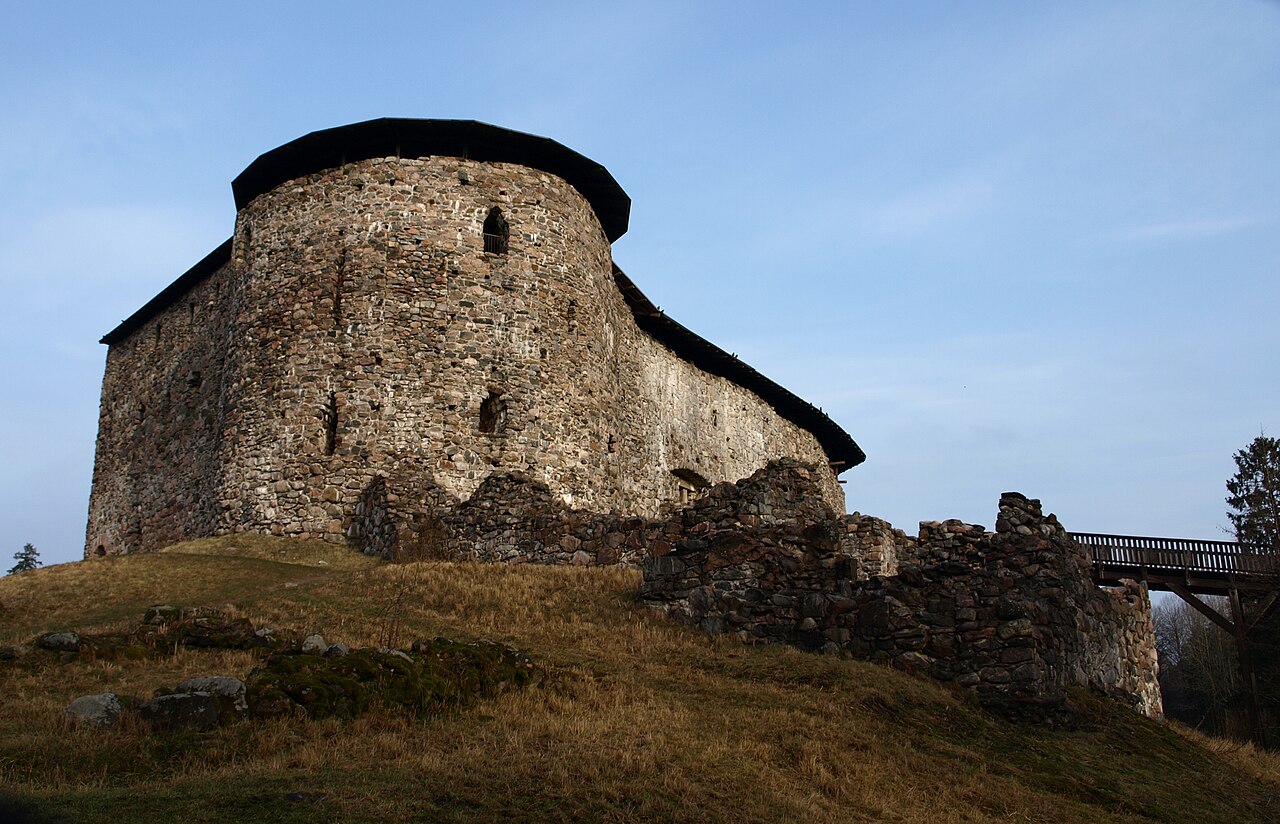
Raasepori Castle — Finland castle

Raasepori Castle

Raasepori, Finland

Raasepori Castle, also known as Raseborg Castle, stands as one of the five surviving medieval castles in Finland, embodying centuries of military, political, and architectural history. Founded in the late 14th century by the influential Swedish nobleman Bo Jonsson Grip, its first construction phase was completed between 1373 and 1378. The castle's earliest recorded mention dates back to 1378, marking its significance as a strategic stronghold designed to protect Swedish interests in southern Finland against rival powers, particularly the Hanseatic city of Tallinn. Originally constructed on a small rocky island at the northern end of a sea bay, Raasepori Castle was built in multiple stages from the 14th to the 16th century. Its location on a hill castle site took advantage of natural defenses, including cliffs rising 4 to 5 meters high on the northern and western sides, which reduced the need for extensive fortifications on those fronts. The castle's design is often described as resembling a horseshoe or the uppercase letter 'D', with the curved side facing north, utilizing the natural cliff edges as formidable barriers. Early history and strategic importance The castle was established amid the complex political landscape of the late medieval period, serving as a military bastion and administrative center for Swedish settlers in the region. Its primary purpose was to secure control over vital trade routes along the Gulf of Finland and to defend Swedish territories from competing powers, including the Russians to the east and Danish and German forces based around Tallinn to the south. Throughout the 15th century, Raasepori Castle underwent significant expansions and fortifications. Under the leadership of royal captain Otto Pogswisch, the garrison adapted to the evolving nature of warfare by incorporating artillery defenses, reflecting broader European military innovations. The castle’s outer bailey, a fortified courtyard added in the mid-15th century, enhanced its defensive capabilities alongside the main fortress. Notable historical events and figures The castle is notable for hosting King Charles VIII of Sweden (Karl Knutsson) during his exile between 1457 and 1467, a period during which the fortress was expanded to include a round residential tower that improved both defense and living quarters. Another remarkable historical figure associated with Raasepori is Christina Eriksdotter, a female commander who led the castle’s defense during a siege in 1487 by forces loyal to the Swedish statesman Sten Sture. Despite her determined resistance, the castle eventually surrendered. In the early 16th century, the castle became a contested site during the ongoing struggle between Sweden and Denmark for dominance in the region. Danish forces captured it in 1520, the same year King Christian II ordered the execution of Bishop Hemming Gadh and the castle’s lord Nils Eskilsson nearby. The castle was reclaimed by Gustav Vasa in 1523 during his rebellion, but its strategic importance waned in the following decades. Architectural features and defensive structures Raasepori Castle was originally surrounded by an outer stone wall, remnants of which still exist today. This wall was constructed to protect the castle's foundational structures, especially as the use of artillery became more widespread. Beyond the stone walls, a wooden barrier surrounded the castle, designed to prevent enemy ships from approaching the harbor. Some fragments of this wooden palisade remain visible, now located on the mainland due to postglacial rebound that lowered the sea level over centuries. The castle’s layout included a long, narrow rectangular courtyard enclosed by stone foundations of residential and service buildings that housed guards and higher-ranking servants. The outer bailey, added in the 15th century, was defended by thick stone walls and a wide moat approximately 300 meters long and 12 to 18 meters wide. The moat was filled with water, enhancing the castle’s defenses against land-based attacks. One of the castle’s distinctive architectural features is the round residential tower, a multi-story stone structure with thick walls serving both defensive and residential functions. This tower, partially restored today, offers valuable insight into late medieval castle architecture and living conditions. Natural defenses and changes over time The rocky island on which the castle was built rose about 14 meters above the river, with steep cliffs providing natural protection. Originally, the castle was accessible by boat via the Raseborg River, which connected to the Gulf of Finland. However, due to postglacial rebound, the land gradually rose, causing the river to recede and the castle to become situated farther from navigable water. This geological change diminished the castle's strategic value and contributed to its eventual abandonment. Decline and restoration By the mid-16th century, the founding of Helsinki in 1550 shifted regional strategic priorities, leading to Raasepori Castle's abandonment in 1553. Structural issues, such as the collapse of the beer cellar in 1558, further signaled the fortress’s decline. Despite this, the castle saw brief reuse during the late 17th century Russo-Swedish wars as a supply depot. Restoration efforts began in the 19th century, notably under the direction of Magnus Schjerfbeck in 1839, and have continued intermittently into the 20th century. Today, the castle ruins are well-preserved and open to the public, serving as a cultural venue for events such as summer theater performances since 1966. Archaeological significance and visitor experience The ruins of Raasepori Castle offer a compelling glimpse into medieval fortification techniques and the socio-political dynamics of the Baltic region. Visitors can explore the remains of the stone walls, the courtyard foundations, the round tower, and the moat. Wooden stairs and terraces have been reconstructed to approximate the original height of the castle walls, which stood around 15 meters tall during its peak. Surrounding the castle are archaeological traces of peasant villages and settlements that supported the fortress, illustrating the broader community that sustained its operation. The site’s unique history, combined with its dramatic natural setting on a rocky hill, makes Raasepori Castle a significant heritage landmark in Finland. In summary, Raasepori Castle is an exemplary late-medieval hill castle that reflects the complex history of Swedish-Finnish relations, medieval military architecture, and the evolving geopolitical landscape of the Baltic Sea region. Its well-preserved ruins continue to attract scholars, tourists, and cultural enthusiasts alike.

Late Medieval (14th–15th c.)
Details
20.8 km

Haapaniemi Castle

Salo, Finland

Haapaniemi castle is one of the earliest known manor houses in Finland, with its first recorded mention dating back to 1469. This historic site is located in Salo, Finland, and represents a significant example of late medieval noble residences in the region. The manor was likely constructed between 1450 and 1525 by the influential nobleman Henrik Klaunpoika Horn, who maintained ownership until the mid-16th century. Following the Horn family's tenure, the estate came under the possession of the prominent Fleming noble family, further emphasizing its importance in Finnish aristocratic history. Historical background and ownership The origins of Haapaniemi castle are deeply intertwined with the rise of Finnish nobility during the late medieval period. Henrik Klaunpoika Horn, a notable figure of his time, is credited with establishing the manor house, which served as a fortified residence and administrative center. The castle's strategic location in the region allowed it to function as a local power base for its owners. In the decades following the Horn family's ownership, the manor was acquired by the Fleming family, another noble lineage with considerable influence in Finland. Their stewardship continued until the early 18th century, marking several centuries of aristocratic prominence for Haapaniemi. Architectural features and structure Although much of the original structure has not survived, historical evidence indicates that Haapaniemi castle was constructed as a manor house with fortified elements typical of the late medieval architectural style. The building likely included robust stone walls, defensive features such as battlements or fortified gates, and residential quarters designed for both comfort and security. Today, the most tangible remnant of the manor is an arched stone basement, which offers insight into the castle's foundational construction techniques. This basement is a valuable architectural artifact, illustrating the use of durable stone masonry common in noble estates of the period. Decline and current condition Haapaniemi castle suffered significant damage during the Great Wrath (1713-1721), a period of conflict and upheaval in Finnish history when Russian forces invaded and occupied parts of Finland. The manor was ruined during this time, leading to its eventual abandonment as a noble residence. In 1737, the Fiskars Ironworks acquired the manor properties, marking a shift from noble ownership to industrial use of the surrounding lands. Since then, the castle itself has remained in a state of ruin, with only the stone basement surviving as a physical testament to its former grandeur. Haapaniemi is recognized today as a National Built Heritage site by the National Board of Antiquities in Finland, highlighting its cultural and historical significance despite its ruined state. Significance in Finnish heritage The site of Haapaniemi castle holds considerable importance for understanding the development of noble estates and medieval architecture in Finland. It exemplifies the transition from purely defensive fortifications to manor houses that combined residential comfort with defensive capabilities. As one of the oldest recorded manor houses in the country, Haapaniemi provides valuable archaeological and historical insights into the lifestyles of the Finnish aristocracy during the late medieval period. Its preservation as a heritage site ensures that this legacy remains accessible for future generations. Visiting Haapaniemi castle Visitors to the Haapaniemi site can explore the remains of the arched stone basement and appreciate the historical context of the manor within the Finnish landscape. While the castle itself no longer stands, the site offers a tangible connection to Finland's medieval past and the noble families who shaped its history.

Late Medieval (14th–15th c.)
Details
66.3 km
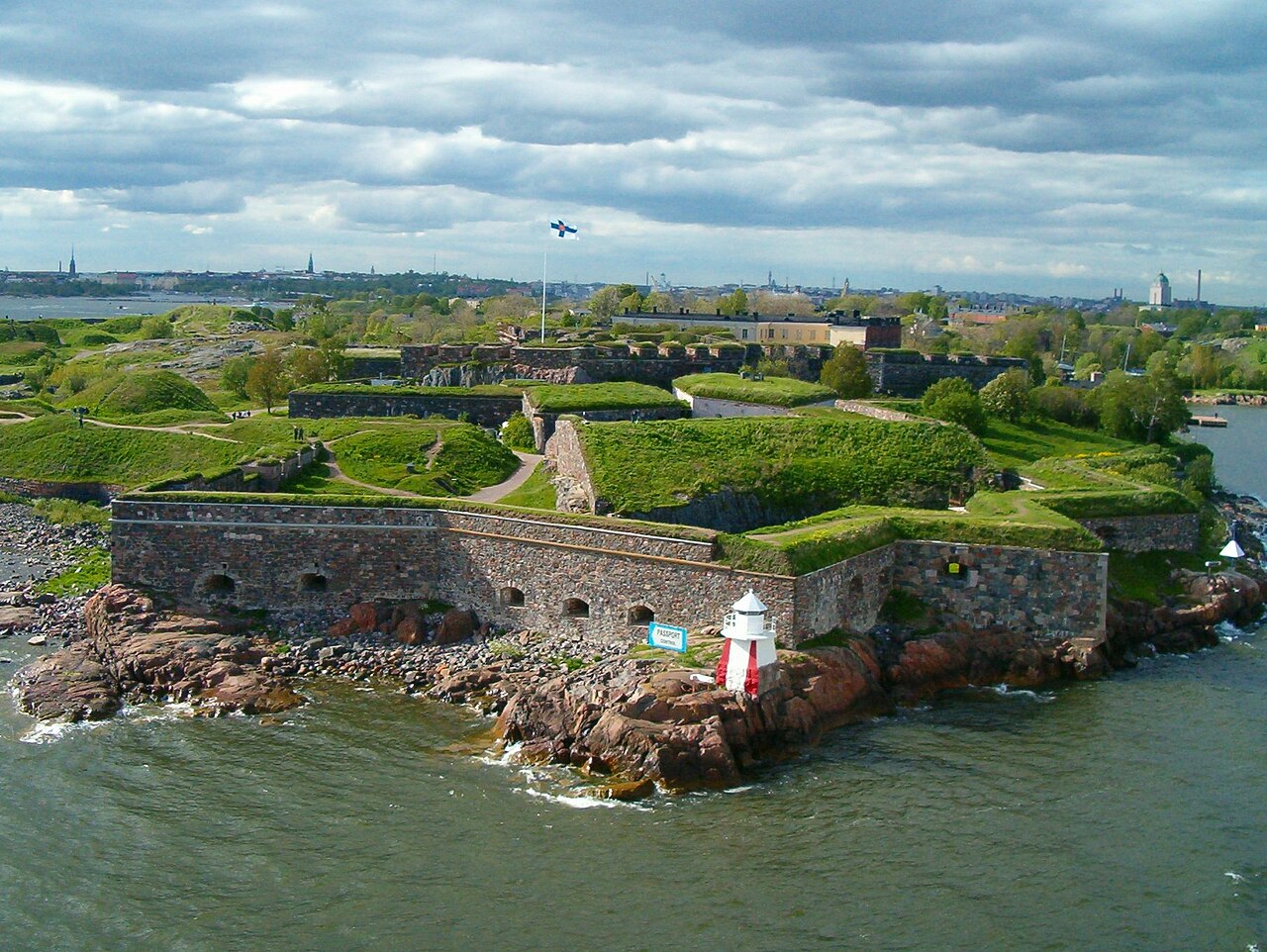
Suomenlinna — Finland castle

Suomenlinna

Helsinki, Finland

Suomenlinna, also known by its Swedish name Sveaborg and formerly as Viapori in Finnish, is a significant bastioned fortress located on a group of eight islands approximately four kilometres southeast of Helsinki, the capital of Finland. This maritime fortress, constructed in the 18th century under the Swedish Crown, was designed to protect the realm from Russian expansion. Its strategic position in the Baltic Sea and its impressive fortifications have made Suomenlinna a key military site and a cultural landmark. Architectural design and construction The fortress's construction began in 1748, directed by Admiral Augustin Ehrensvärd, a notable military architect and officer. Ehrensvärd's design was heavily inspired by the principles of the star fort style, a form of bastion fortification popularized by the French military engineer Sébastien Le Prestre de Vauban. This style featured angular bastions projecting outward from the curtain walls to eliminate blind spots and provide overlapping fields of fire, enhancing the fortress's defensive capabilities. Suomenlinna's design was adapted to the unique topography of the rocky islands, integrating natural features with man-made defenses. The fortress comprises six fortified islands, connected by bridges and causeways, with extensive bastions, ramparts, moats, and sea walls. The layout allowed for a strong defensive perimeter that could withstand naval and land assaults. The use of local granite and other durable materials ensured the fortress's resilience against both military attacks and harsh maritime weather. Historical significance and military role Swedish era and the finnish war During its initial period under Swedish control, Suomenlinna was a critical naval base and defensive stronghold. However, in the Finnish War of 1808-1809, the fortress was besieged by Russian forces. Despite its formidable defenses and reputation as the "Gibraltar of the North", Suomenlinna surrendered after a two-month siege on 3 May 1808. This surrender was pivotal, facilitating Russia's conquest of Finland and the establishment of the Grand Duchy of Finland within the Russian Empire. Russian rule and modernization Under Russian administration, the fortress was renamed Sveaborg and served as a major naval base for the Baltic Fleet. The Russians undertook significant modernization efforts, including the construction of the Krepost Sveaborg defense system beginning in 1915 during World War I. These upgrades included reinforced artillery positions and expanded fortifications to adapt to evolving military technologies and threats. Following Finland's declaration of independence in 1917, the fortress was abandoned by Russian forces. It was renamed Suomenlinna in 1918 to reflect Finnish sovereignty, although its Swedish name Sveaborg remains in use. The fortress also played a role during the Finnish Civil War as the site of a prison camp for captured Red Guard soldiers. Cultural heritage and current status After serving as a military installation for over two centuries, Suomenlinna's control was transferred from the Finnish Defense Department to civilian authorities in 1973. Today, it is a popular tourist destination known for its scenic beauty and historical significance. Visitors can explore the extensive network of bastions, tunnels, and historic buildings that illustrate its military past. Recognized for its outstanding representation of bastion fortifications adapted to a maritime environment, Suomenlinna was designated a UNESCO World Heritage Site in 1991. The fortress is also valued as a cultural venue, hosting museums, galleries, and events that celebrate Finnish history and heritage. Architectural features and layout Suomenlinna's design incorporates multiple layers of defense. The bastions are positioned to cover each other with cannon fire, while the curtain walls connect these bastions, forming a continuous defensive perimeter. The fortress includes sea gates allowing controlled access from the water, and dry moats that enhance landward defense. The fortress's buildings include barracks, magazines, command posts, and chapels, many of which retain their original 18th and 19th-century character. The integration of natural rock formations into the fortifications is a distinctive feature, providing both strength and camouflage. Visiting information and tourism Accessible by ferry from Helsinki, Suomenlinna offers visitors a unique opportunity to experience a historic military fortress set in a maritime landscape. The islands feature walking trails, picnic areas, cafes, and museums that interpret the site's history. Guided tours provide insights into the fortress's construction, military use, and cultural importance. Suomenlinna is also a living community, with residents and local services maintaining the balance between preservation and everyday life. Seasonal events and exhibitions enrich the visitor experience, making Suomenlinna a dynamic heritage site.

Post-Renaissance (17th–18th c.)
Details