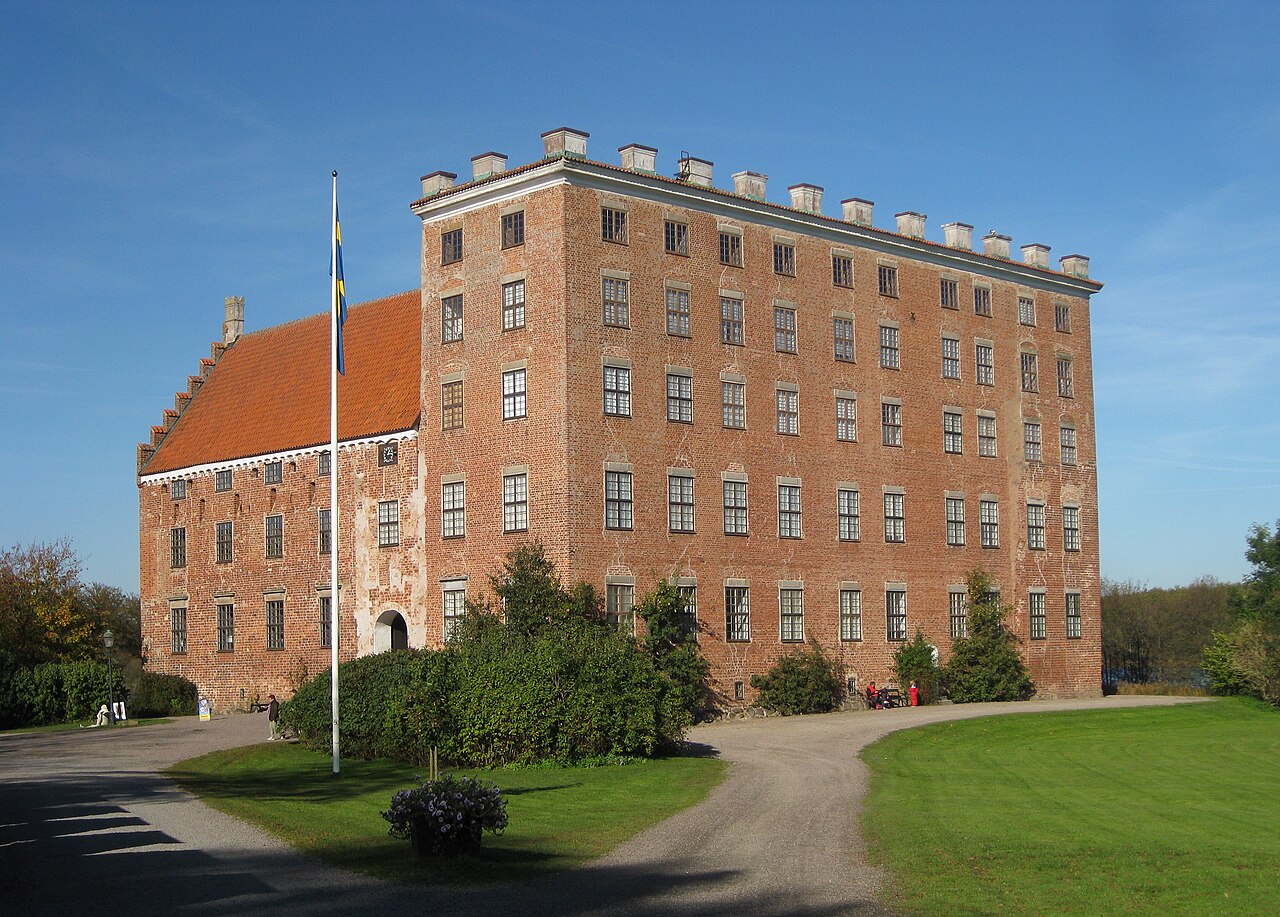
Jordberga Castle
Jordberga Castle is a historic estate located in Klagstorp, Sweden, with origins dating back to the mid-14th century. The estate was first documented in 1355, marking it as a site with centuries of Swedish noble heritage. The original castle structure, however, did not survive intact through the centuries; it was destroyed by fire in 1644 and subsequently rebuilt, reflecting the evolving architectural tastes and needs of its owners.
Architectural evolution and the 20th-century reconstruction
The current appearance of Jordberga Castle largely stems from a significant reconstruction undertaken between 1905 and 1908. This rebuilding was guided by the Danish architect Heneri Glaesel, who designed the castle's exterior in a distinctive Baroque style. The choice of Baroque architecture in the early 20th century reflects a revivalist trend, blending grandeur and classical elements to convey prestige and historical continuity.
The castle's design features hallmark Baroque elements such as symmetrical façades, elaborate ornamentation, and grandiose proportions. This style contrasts with the original medieval structures that once stood on the site, indicating a shift from defensive architecture to a more stately, residential focus.
Landscape and gardens
The grounds of Jordberga Castle include an English-style garden that dates from the mid-19th century. This garden style emphasizes naturalistic landscaping, with rolling lawns, informal plantings, and carefully placed trees and shrubs to create a picturesque setting. The garden complements the castle's architectural elegance, providing a serene and scenic environment that enhances the estate's overall aesthetic.
Historical significance and ownership
Throughout its history, Jordberga Castle has been associated with Swedish nobility and political figures. Today, it remains a private estate owned by Otto von Arnold, a member of the Swedish Riksdag. This connection to contemporary political life underscores the castle's ongoing role as a site of cultural and historical importance within Sweden.
Architectural and cultural context
The castle exemplifies the transition from medieval fortifications to modern aristocratic residences. Its reconstruction in the early 1900s reflects broader European trends where historic styles were revived and adapted for new uses. Jordberga Castle's Baroque revival style, combined with its English garden, situates it within a tradition of stately homes designed to express wealth, status, and refined taste.
Architectural details
The castle's façade is characterized by balanced proportions and decorative elements such as pilasters, cornices, and window pediments. These features contribute to a sense of rhythm and elegance typical of Baroque architecture. Inside, although specific details are less documented, it is likely that the interiors were designed to match the exterior's grandeur, featuring spacious halls and ornate finishes.
Preservation and condition
Jordberga Castle is well preserved and remains in use as a private residence. Its condition allows visitors and scholars to appreciate the architectural qualities of early 20th-century Baroque revival in a Swedish context. The estate's maintenance reflects ongoing efforts to conserve Sweden's architectural heritage.
Visiting and cultural access
While Jordberga Castle is privately owned and not generally open to the public, its historical and architectural significance makes it a point of interest for those studying Swedish noble estates and Baroque revival architecture. The surrounding landscape and gardens contribute to the cultural landscape of the region.
Frequently asked questions (FAQ)
- What is the historical significance of Jordberga Castle?
- Jordberga Castle has a history dating back to 1355 and reflects centuries of Swedish noble heritage, including a major rebuilding in the early 20th century.
- Who designed the current Jordberga Castle?
- The castle's current Baroque-style exterior was designed by Danish architect Heneri Glaesel during reconstruction from 1905 to 1908.
- Can the public visit Jordberga Castle?
- Jordberga Castle is privately owned and generally not open to the public, but its architecture and gardens are of interest to historians and architecture enthusiasts.
- What style is Jordberga Castle built in?
- The castle features a Baroque revival style, characterized by symmetrical façades and elaborate ornamentation, typical of early 20th-century architecture.
- What kind of gardens does Jordberga Castle have?
- The estate includes an English-style garden from the mid-19th century, known for its naturalistic landscaping and picturesque design.
Information
Architect
Heneri Glaesel
Current owner
Otto von Arnold
Loading map...
Visitor reviews
No reviews yet. Been here? Write the first review and help other travelers!
Write the first reviewVisited this castle? Share your experience
Your review helps other travelers and adds first-hand knowledge to our encyclopedia.