João Baptista da Foz Fortress
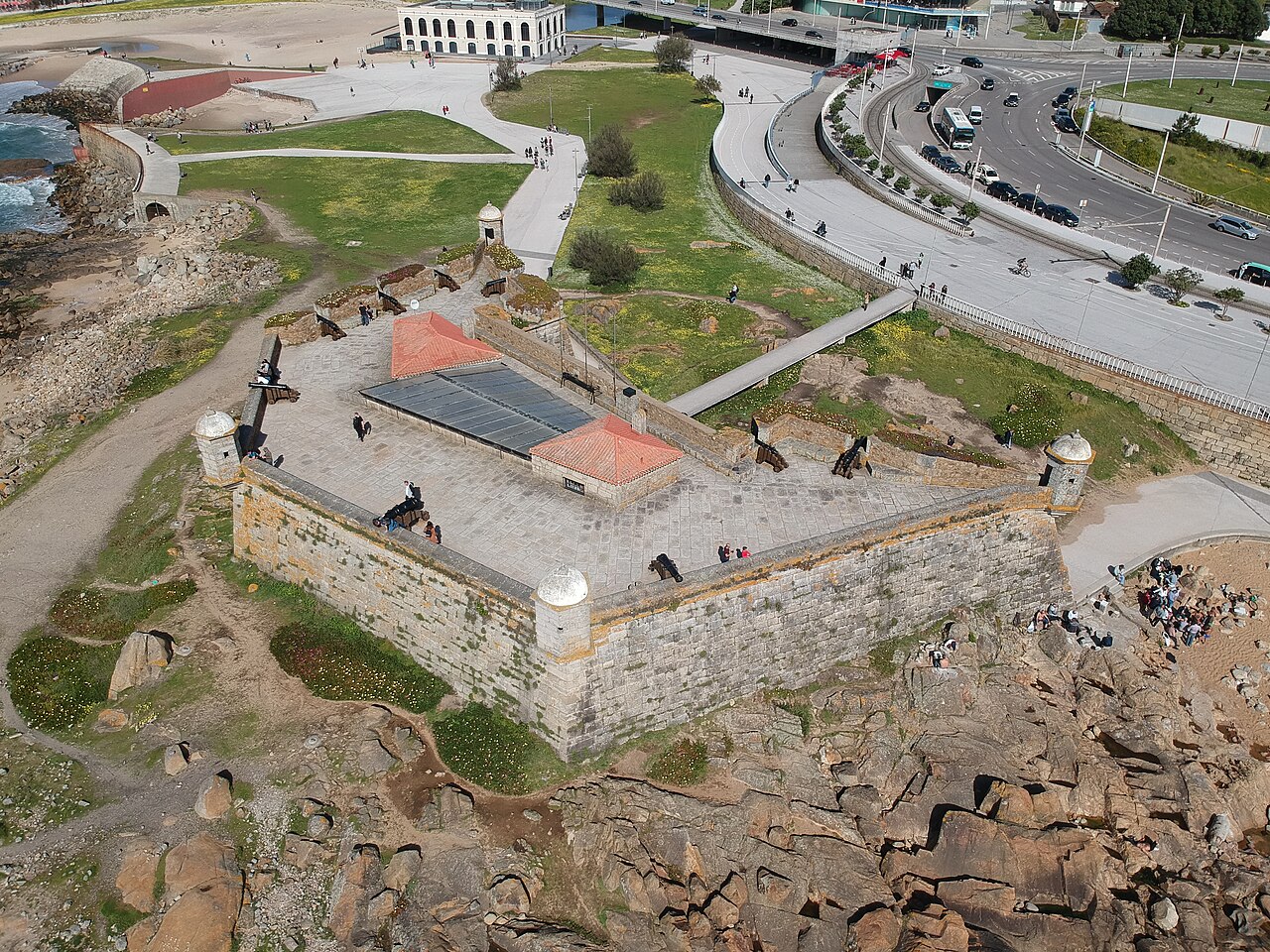
Fortress São João Baptista da Foz is a prominent example of Renaissance military architecture located at the strategic mouth of the Douro River in Porto, Portugal. Constructed in the late 16th century, around 1570, the fortress was designed to protect the coast and the vital river entrance from maritime threats during a period of intense naval activity and geopolitical tension in the region.
Strategic location and historical context
The fortress is situated on the Atlantic coast where the Douro River meets the ocean, a critical point for controlling access to the city of Porto and its bustling port. During the Renaissance, coastal defenses became increasingly important due to advances in naval artillery and the rise of maritime powers. The construction of São João Baptista da Foz was part of a broader effort to strengthen Portugal's coastal defenses against pirates, privateers, and foreign navies.
Architectural features and design
The original fortress was built with a basic structure typical of Renaissance fortifications, emphasizing geometric shapes and angled bastions to deflect cannon fire. Over time, the fortress was enhanced with additional bulwarks and defensive walls to improve its resilience against evolving military technology. Its layout includes robust curtain walls, bastions, and a commanding position overlooking both the sea and river approaches.
Defensive elements
The design reflects the military engineering principles of the period, incorporating thick stone walls and low, angled bastions that allowed defenders to cover multiple firing angles. The fortifications were constructed to withstand bombardment from naval artillery, with careful attention to the placement of cannon emplacements and protected firing positions.
Adaptations and later modifications
Subsequent enhancements to the fortress included the addition of more modern bulwarks, adapting the structure to changing military needs and artillery technology. These upgrades helped maintain the fortress's defensive capabilities well into later centuries, even as warfare evolved.
Current use and accessibility
Today, the Fortress São João Baptista da Foz serves as the seat of the Regional Delegation of the Institute of National Defense. While it remains an active military site, the fortress is accessible to the public on weekdays from 9:00 to 17:30, with free admission. Although there are no official guided tours, visitors in large groups can arrange visits in advance to avoid disrupting the fort's operations.
Surrounding area and visitor information
At the foot of the fortress lies the Lawn Tennis Club da Foz, adding a recreational dimension to the site. The fortress's coastal location offers scenic views of the Atlantic Ocean and the Douro River, making it a popular spot for visitors interested in history, architecture, and natural beauty.
Significance in Portuguese military history
The fortress represents a key phase in the development of Portuguese coastal defenses during the Renaissance, illustrating the adaptation of military architecture to the challenges posed by gunpowder artillery. Its preservation and continued use highlight its enduring strategic importance and cultural heritage value.
Architectural legacy
As a well-preserved example of 16th-century fortification design, São João Baptista da Foz offers insights into the evolution of military engineering in Portugal. The combination of original Renaissance elements with later modifications reflects the dynamic nature of defensive architecture over several centuries.
Frequently asked questions (FAQ)
- What is the historical significance of João Baptista da Foz Fortress?
- João Baptista da Foz Fortress, built in the 17th century, was crucial for the defense of the city of Porto against naval attacks. Its strategic location at the mouth of the Douro River allowed it to control maritime traffic, making it an essential military structure during various conflicts in Portuguese history.
- When was João Baptista da Foz Fortress built?
- The fortress was constructed between 1660 and 1686, during a time when Portugal was strengthening its coastal defenses against invasions. It reflects the military architecture of the period, designed to withstand artillery fire and protect the city from maritime threats.
- Can I visit João Baptista da Foz Fortress?
- Yes, visitors can explore João Baptista da Foz Fortress. Guided tours are available to provide insights into its rich history and architectural features, making it a great destination for history enthusiasts and tourists alike.
- What are the opening hours for João Baptista da Foz Fortress?
- The fortress typically opens to visitors from 10 AM to 6 PM, but hours may vary seasonally. It is advisable to check the official website or local information before planning your visit to ensure you have the most accurate details.
- Is there an admission fee to enter João Baptista da Foz Fortress?
- Yes, there is a nominal admission fee to enter João Baptista da Foz Fortress, which helps maintain the site. Discounts may be available for students, seniors, and groups, so be sure to inquire when purchasing your tickets.
- When is the best time to visit João Baptista da Foz Fortress?
- The best time to visit is during the spring and early fall when the weather is mild, and the crowds are smaller. Visiting during these seasons allows for a more enjoyable experience as you explore the fortress and its stunning views of the coastline.
- Is João Baptista da Foz Fortress accessible for individuals with disabilities?
- Yes, João Baptista da Foz Fortress is equipped with facilities to assist visitors with disabilities. However, it is recommended to contact the fortress in advance to confirm specific accessibility options and any assistance that may be required during your visit.
- What are some nearby attractions to João Baptista da Foz Fortress?
- Nearby attractions include the beautiful beaches of Foz do Douro, the historic São João Baptista da Foz Church, and the scenic waterfront promenade. These sites offer additional opportunities for exploration and relaxation after visiting the fortress.
Information
Loading map...
Visitor reviews
No reviews yet. Been here? Write the first review and help other travelers!
Write the first reviewVisited this castle? Share your experience
Your review helps other travelers and adds first-hand knowledge to our encyclopedia.