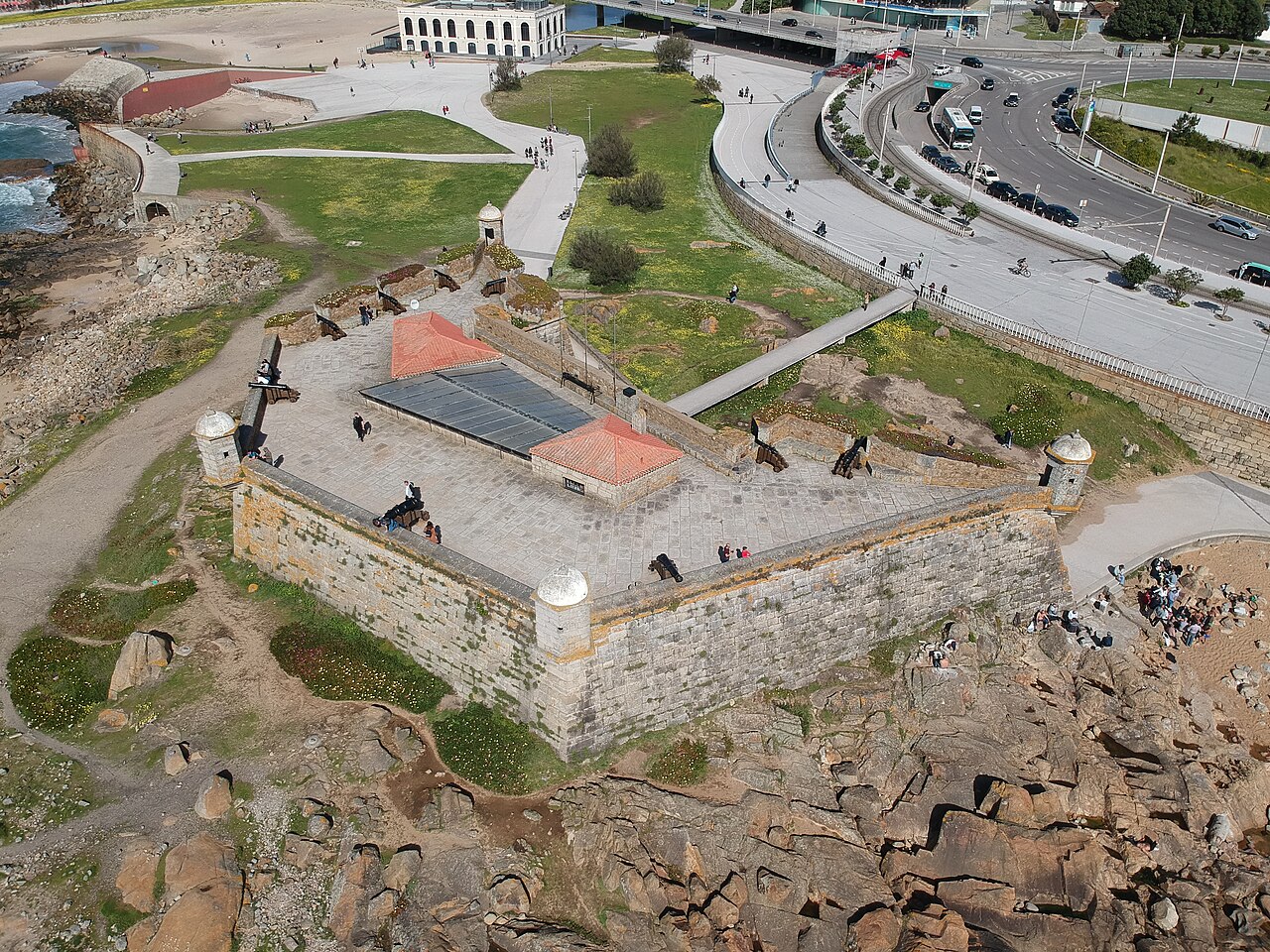
Fernandina Wall
The Fernandina Wall, also known as the Walls of D. Fernando, is a significant medieval fortification located in the civil parish of Cedofeita within the municipality of Porto, Portugal. Constructed in the 14th century during the late medieval period, this defensive structure played a crucial role in the protection and expansion of Porto, one of Portugal's most important historic cities.
The Fernandina Wall was commissioned under the reign of King Ferdinand I of Portugal, whose name it bears, reflecting the strategic importance of Porto as a commercial and military hub during the Middle Ages. The wall was part of a broader effort to fortify the city against external threats, including invasions and sieges, which were common in the turbulent political landscape of medieval Portugal.
Architectural features and layout
The Fernandina Wall is a classic example of late medieval military architecture, characterized by its robust stone construction and integration with the natural landscape. The fortification includes a series of walls, towers, and gates that once encircled the city, providing a formidable barrier against attackers.
One of the most distinctive elements of the Fernandina Wall is the Guindais wall and tower, which stands out as a relatively isolated structure perched on the cliffs overlooking the Douro River. This position allowed defenders to monitor and control river traffic, an essential aspect of Porto's defense and trade regulation.
Many segments of the wall have been incorporated into the fabric of Porto's old town buildings, demonstrating a unique blend of historic fortification and urban development. This integration has helped preserve parts of the wall, although some sections are less visible or accessible due to modern construction.
Historical significance and preservation
The Fernandina Wall represents a critical phase in Porto's medieval history, marking the city's growth and the increasing need for fortified defenses amid regional conflicts. The wall's construction reflects the military strategies of the time, emphasizing strong, high walls and strategically placed towers for surveillance and defense.
Despite the passage of centuries and urban expansion, the best-preserved example of the Fernandina Wall fortifications remains the Guindais section, which offers visitors a tangible connection to Porto's medieval past. This area provides insight into the city's defensive mechanisms and the architectural ingenuity of the late medieval period.
Today, the Fernandina Wall is recognized as an important cultural and historical monument within Porto. Efforts to maintain and protect the remaining structures ensure that this medieval heritage continues to be accessible for educational and tourism purposes, contributing to the understanding of Portugal's rich historical tapestry.
Visiting the fernandina wall
Visitors to Porto can explore parts of the Fernandina Wall, particularly the Guindais tower and wall, which offer scenic views of the Douro River and the city's historic center. The wall's integration with the old town provides a unique walking experience through centuries of history intertwined with modern urban life.
While some sections of the wall are embedded within private buildings or less accessible areas, guided tours and informational signage help contextualize the wall's historical role and architectural features. The site is a must-see for those interested in medieval fortifications, Portuguese history, and the evolution of urban defense systems.
Architectural style and construction techniques
The Fernandina Wall exemplifies the late medieval military architectural style prevalent in Portugal during the 14th century. Constructed primarily from local stone, the walls and towers feature thick, high ramparts designed to withstand sieges and artillery attacks of the period.
The use of natural topography, such as the cliffs at Guindais, enhanced the defensive capabilities of the wall, creating natural barriers that complemented the man-made fortifications. The towers were strategically spaced to allow for effective communication and defense coverage along the wall's length.
Historical context of the 14th century
The 14th century was a period marked by political instability and territorial disputes in the Iberian Peninsula. The construction of the Fernandina Wall coincided with King Ferdinand I's reign, during which Portugal sought to consolidate its borders and protect key urban centers like Porto from Castilian incursions and other threats.
The wall's fortifications reflect the military innovations of the time, including the adaptation to emerging siege technologies. Its preservation allows historians and visitors alike to appreciate the strategic importance of Porto in medieval Portugal and the efforts taken to secure its prosperity and safety.
Frequently asked questions (FAQ)
- What is the historical significance of the Fernandina Wall?
- The Fernandina Wall is a vital part of Porto's medieval history, constructed in the 14th century to protect the city from invasions. It showcases the strategic military architecture of the time and reflects the city's growth and importance during Portugal's Age of Discoveries.
- When was the Fernandina Wall built?
- The construction of the Fernandina Wall began in 1383 and continued over the following decades. It served as a defensive structure until the 19th century, when its military function diminished as the city expanded beyond its original boundaries.
- What are the opening hours for visiting the Fernandina Wall?
- The Fernandina Wall is open to visitors daily from 9:00 AM to 7:00 PM. However, it's advisable to check the official website for any seasonal changes or special holiday hours before planning your visit.
- Can I access the Fernandina Wall easily?
- Yes, the Fernandina Wall is accessible to the public, with several entry points throughout the city. Visitors can explore different sections of the wall on foot, making it a great way to experience Porto's history and architecture.
- Is it possible to take guided tours of the Fernandina Wall?
- Yes, guided tours are available for those who wish to learn more about the history and significance of the Fernandina Wall. These tours typically provide in-depth insights into the structure and its role in Porto's defense.
- What is the best time to visit the Fernandina Wall?
- The best time to visit the Fernandina Wall is during the spring and fall when the weather is mild and pleasant. Additionally, visiting during weekdays can help avoid larger crowds, allowing for a more enjoyable experience.
- Are there any nearby attractions to visit along with the Fernandina Wall?
- Yes, the Fernandina Wall is close to several attractions, including the historic Ribeira District and the iconic Dom Luís I Bridge. Exploring these nearby sites can enhance your understanding of Porto's rich cultural heritage.
- What are the ticket prices for visiting the Fernandina Wall?
- Entry to the Fernandina Wall is typically free, allowing all visitors to enjoy its historical significance without any cost. However, some guided tours may have associated fees, so it's best to check in advance.
Information
Website
Visit websiteSources & official resources
Verify the information above using these authoritative references.
Loading map...
Visitor reviews
No reviews yet. Been here? Write the first review and help other travelers!
Write the first reviewVisited this castle? Share your experience
Your review helps other travelers and adds first-hand knowledge to our encyclopedia.