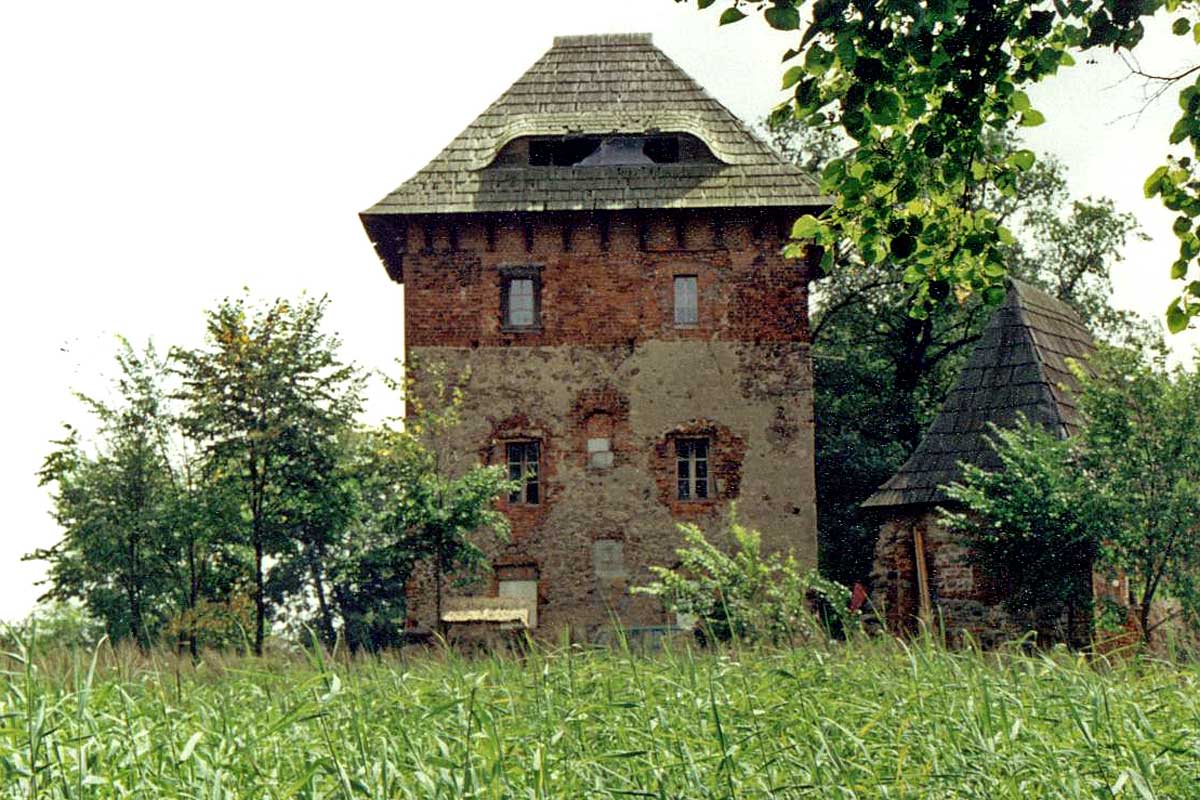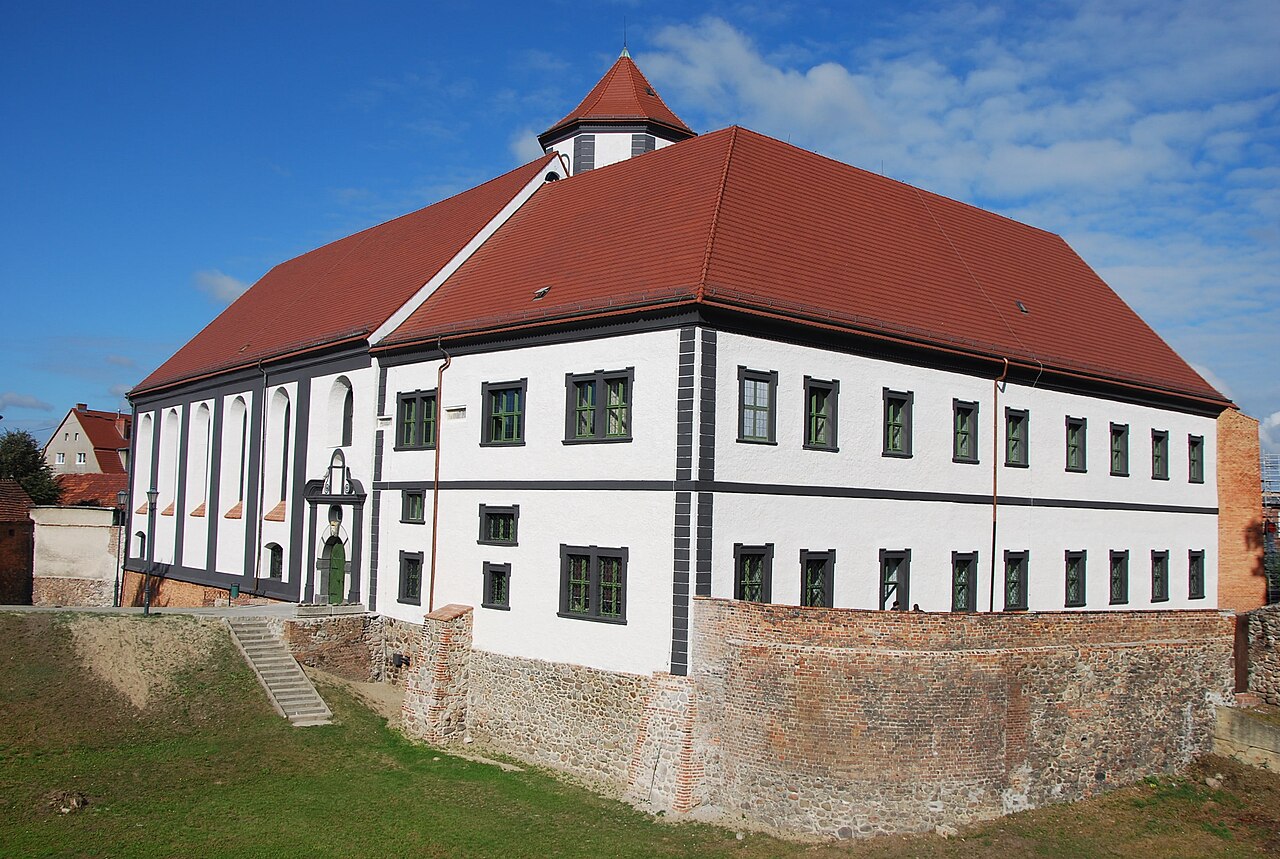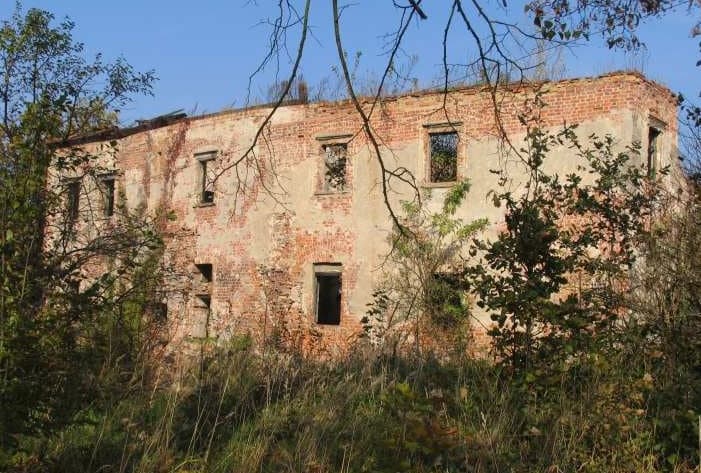
Janowiec Castle in the Lubusz region of Poland is a notable example of a 16th-century Renaissance hill castle. Situated on elevated terrain, this castle was strategically positioned to oversee the surrounding landscape, serving both defensive and residential purposes during its time.
Historical background and construction
The castle was constructed in the 16th century, a period marked by the transition from medieval fortifications to more comfortable and stylistically refined residences. This era saw the integration of Renaissance architectural principles across Europe, influencing the design and function of castles like Janowiec. The castle's origins lie in the need for a stronghold that combined military defense with the emerging Renaissance emphasis on symmetry, proportion, and ornamentation.
Architectural features and style
Janowiec Castle exemplifies the Renaissance style with its balanced proportions and incorporation of classical elements. The castle's layout typically includes a central courtyard surrounded by fortified walls and residential buildings. Defensive features such as thick stone walls, towers, and battlements are present, reflecting its hill castle classification and the military concerns of the time.
The castle’s elevation on a hill provided natural defensive advantages, complemented by man-made fortifications. Architectural elements such as arched windows, decorative stonework, and possibly remnants of a moat or ditches would have enhanced both the castle's defense and aesthetic appeal.
Significance and preservation
While specific details about the current condition of Janowiec Castle in Lubusz are limited, hill castles from this period often face challenges related to preservation due to their age and exposure. The castle holds cultural and historical significance as part of Poland's Renaissance heritage and offers insight into the architectural evolution from medieval fortresses to Renaissance residences.
Visitors to similar Renaissance hill castles can expect to see a blend of military architecture and early modern residential design, reflecting the changing priorities of castle construction in the 16th century.
Location and regional context
Located in the Lubusz region, which is known for its diverse historical sites and natural landscapes, Janowiec Castle contributes to the area's rich cultural tapestry. The Lubusz region's strategic position near historical trade routes and borders influenced the construction of fortifications like Janowiec Castle.
Visiting information and tourism
Information about public access, visiting hours, and ticket prices for Janowiec Castle in Lubusz is not widely documented. Visitors interested in Renaissance architecture and Polish history may find exploring this castle and its surroundings rewarding, especially when combined with visits to other nearby historical landmarks.
Architectural legacy and influence
The castle's Renaissance design elements reflect broader European trends of the 16th century, illustrating the diffusion of architectural ideas across regions. Janowiec Castle serves as an example of how Polish nobility adapted Renaissance styles to local defensive needs and landscape features.
Its hilltop location and structural features influenced subsequent castle constructions in the region, balancing aesthetic considerations with practical military functions.
Frequently asked questions (FAQ)
- How do I get to Janowiec Castle?
- Janowiec Castle is located in the Lubusz region of Poland, easily accessible by car and public transport. The nearest major city is Zielona Góra, from where you can take a regional bus or drive directly to the castle.
- What is the historical significance of Janowiec Castle?
- Janowiec Castle dates back to the 14th century and has played a vital role in the region's history. It served as a noble residence and has witnessed various historical events that shaped the area.
- When was Janowiec Castle built?
- Construction of Janowiec Castle began in the late 14th century, with the main structure completed in the early 15th century. Over the centuries, it has undergone several renovations and restorations to preserve its historical integrity.
- Can I visit Janowiec Castle year-round?
- Yes, Janowiec Castle is open to visitors throughout the year. However, be sure to check the specific opening hours for each season, as they may vary.
- Why is Janowiec Castle considered an architectural gem?
- Janowiec Castle showcases a unique blend of Gothic and Renaissance architectural styles, making it a fascinating site for history and architecture enthusiasts. Its impressive stonework and strategic location overlooking the Vistula River enhance its visual appeal.
- Is it possible to take guided tours of the castle?
- Yes, guided tours are available at Janowiec Castle, providing visitors with in-depth knowledge of its history and architecture. These tours are typically conducted in Polish, but audio guides in other languages may be offered.
- What are the ticket prices for visiting Janowiec Castle?
- Ticket prices for Janowiec Castle are generally affordable, with discounts available for children, students, and seniors. It's advisable to check the official website for the most current pricing information before your visit.
- What are the opening hours of Janowiec Castle?
- Janowiec Castle's opening hours vary by season, typically opening earlier in the spring and summer months. Visitors should consult the castle's official website for the exact hours on the day of their visit.
- What nearby attractions should I visit while at Janowiec Castle?
- While visiting Janowiec Castle, you can explore the surrounding natural beauty of the Warta National Park and nearby historic towns. Additionally, consider visiting the picturesque village of Janowiec, which offers charming local culture and additional sights.
Photo gallery

Information
Loading map...
Visitor reviews
No reviews yet. Been here? Write the first review and help other travelers!
Write the first reviewVisited this castle? Share your experience
Your review helps other travelers and adds first-hand knowledge to our encyclopedia.