James's Fort
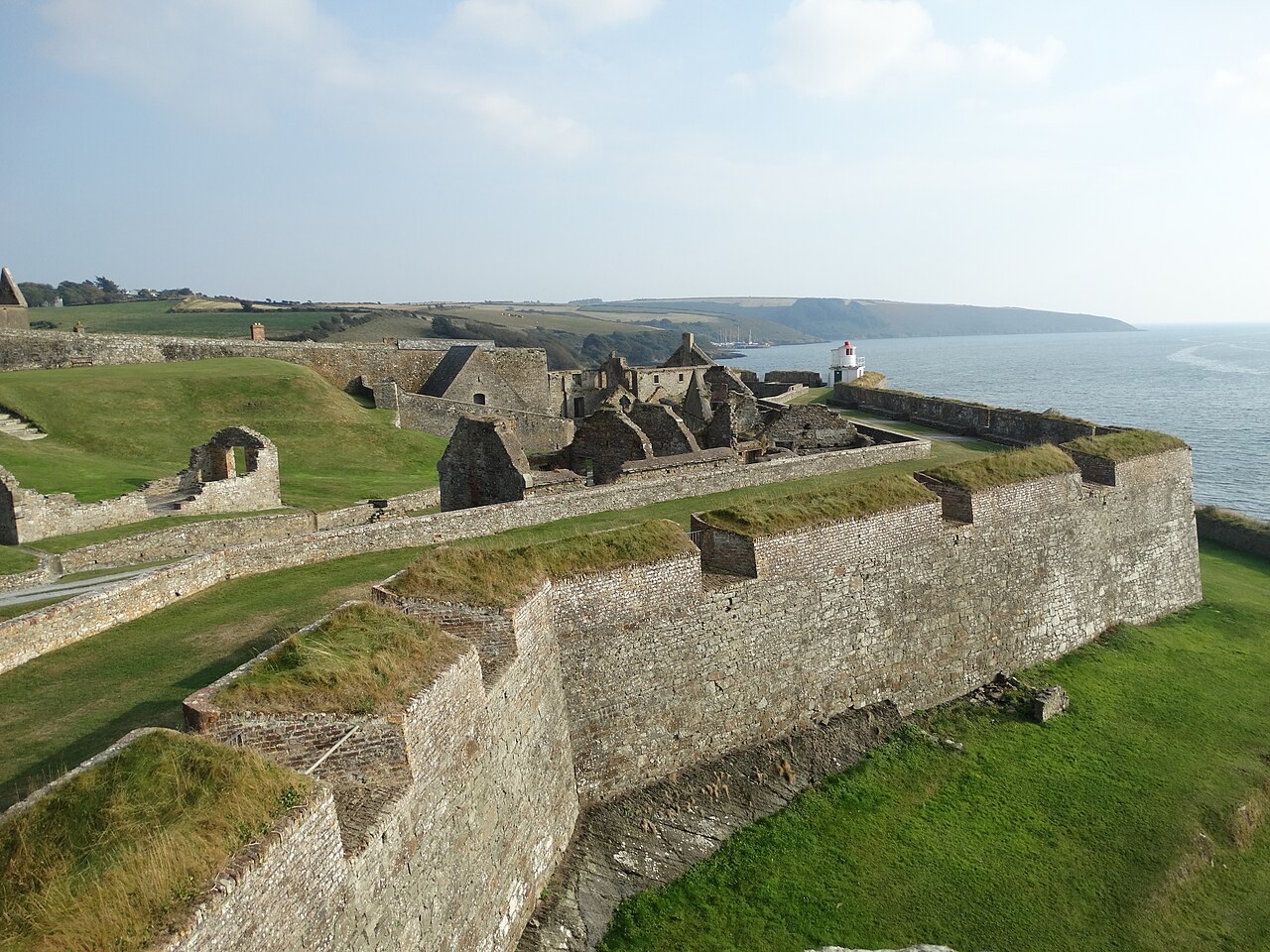
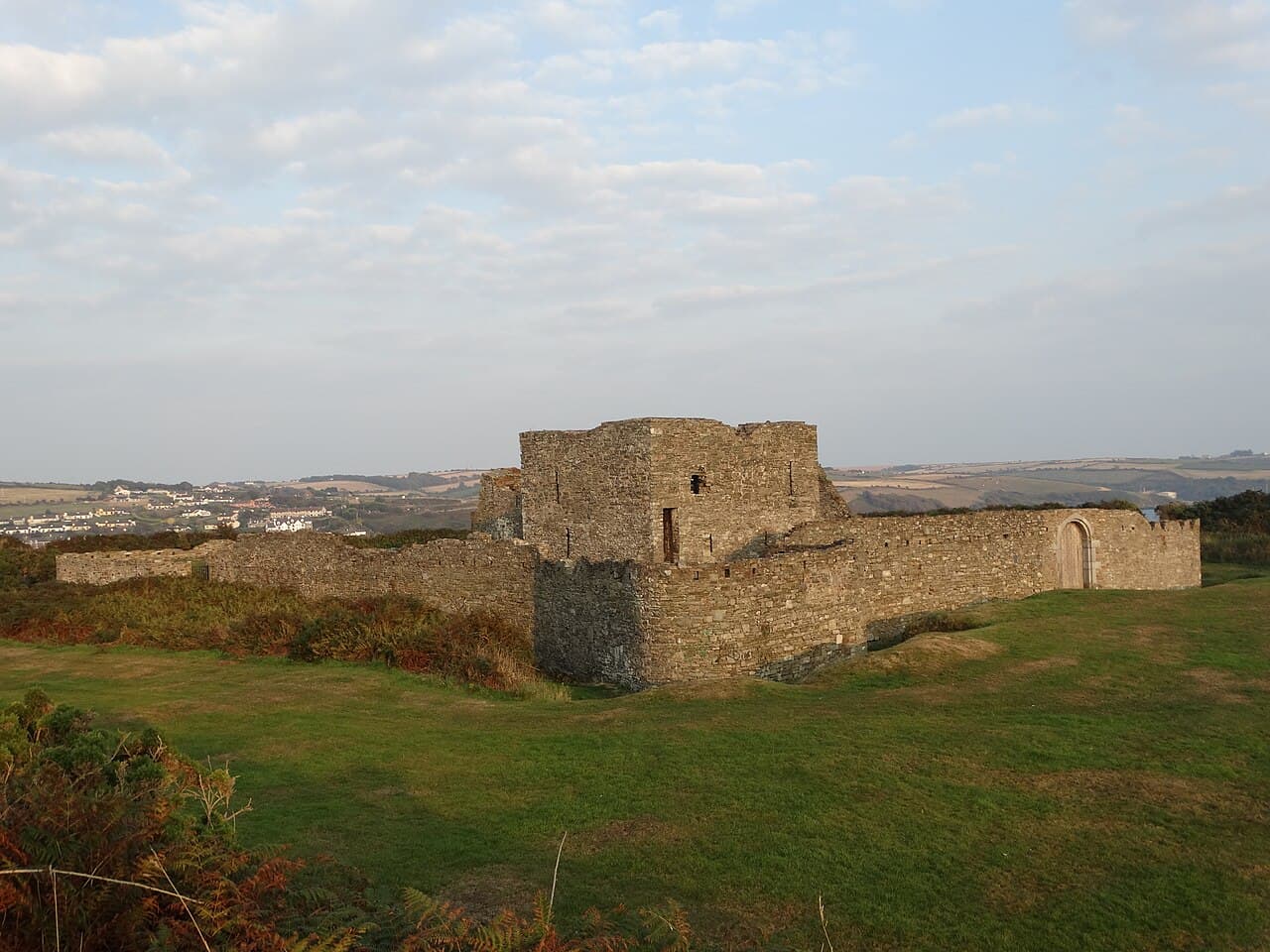
James Fort (Dún Rí Shéamuis in Irish) is a prominent bastioned fortress constructed in the early 17th century on the Castlepark peninsula in Kinsale harbour, County Cork, Ireland. This pentagonal fortification was strategically positioned to guard the harbour and seaborne approaches to the town of Kinsale, an important naval and commercial port during the period.
Historical context and strategic importance
The fort's construction was initiated during a time of increasing military tension and naval conflict in Ireland and the British Isles. Built under the reign of King James I of England and Ireland, the fort was designed to strengthen defenses against potential Spanish or other European incursions following the Nine Years' War (1594–1603). Its location on the Castlepark peninsula allowed it to control access to the River Bandon and protect the vital maritime trade routes and military supply lines feeding into Kinsale.
Architectural design and features
James Fort exemplifies the early modern bastioned fortification style, influenced by continental military engineering principles that emerged during the Renaissance. Its pentagonal layout incorporates five bastions projecting from the curtain walls, allowing overlapping fields of fire and eliminating blind spots that earlier medieval castles often suffered from. This design was particularly effective against artillery siege warfare, which had rendered traditional high-walled castles vulnerable.
The fort's walls are constructed of thick stone, designed to withstand cannon fire. The bastions are connected by curtain walls with embrasures for cannon placements. Inside the fort, there were barracks, magazines for storing gunpowder and ammunition, and officer quarters. The fort also featured a dry moat on the landward side to hinder enemy advances.
Defensive innovations
The bastioned design allowed defenders to cover all approaches with cannon and musket fire. The fort's low, angled walls reduced the impact of cannonballs, while the bastions provided elevated platforms for artillery. The layout reflects the shift from medieval fortifications to modern military architecture designed to meet the challenges of gunpowder warfare.
Role in military history
James Fort played a significant role during the Siege of Kinsale in 1601–1602, a pivotal conflict in Irish history. The siege involved English forces defending against a combined Irish and Spanish army. James Fort was a key defensive position, helping to secure the harbour and prevent enemy reinforcements from landing. Although the siege ultimately ended in an English victory, the event highlighted the strategic importance of the harbour defenses.
In the late 17th century, the construction of the more modern Charles Fort on the opposite side of Kinsale harbour led to James Fort being referred to as the "old fort" (an Seandaingean in Irish). While Charles Fort became the primary defense installation, James Fort remained a significant military site for some time.
Preservation and public access
Today, James Fort is recognized as a protected National Monument of Ireland. It is managed by the Office of Public Works and is open to visitors interested in military history and early modern fortifications. The site offers insights into 17th-century bastioned fort design and the military history of Kinsale harbour.
Visitors can explore the fort's walls, bastions, and internal structures, gaining an understanding of the architectural innovations that shaped coastal defenses in the early modern period. The fort's location also provides scenic views of the harbour and surrounding landscape.
Frequently asked questions (FAQ)
- When was James Fort built and for what purpose?
- James Fort was constructed in the early 17th century to defend Kinsale harbour and its seaborne approaches against potential European naval threats.
- What architectural style characterizes James Fort?
- James Fort is an early modern bastioned fortress featuring a pentagonal layout with five bastions designed for artillery defense.
- Can visitors explore James Fort today?
- Yes, James Fort is a protected National Monument managed by the Office of Public Works and is open to the public for tours and exploration.
- What was James Fort's role during the Siege of Kinsale?
- During the Siege of Kinsale (1601–1602), James Fort served as a key defensive position securing the harbour against combined Irish and Spanish forces.
- How does James Fort compare to Charles Fort?
- Charles Fort, built in the late 17th century on the opposite side of the harbour, became the main defense, while James Fort was then known as the 'old fort'.
Photo gallery

Information
Address
Castlepark peninsula, Kinsale harbour, County Cork, Ireland
Loading map...
Visitor reviews
No reviews yet. Been here? Write the first review and help other travelers!
Write the first reviewVisited this castle? Share your experience
Your review helps other travelers and adds first-hand knowledge to our encyclopedia.