James Joyce Tower and Museum
The James Joyce Tower and Museum is a historic Martello tower located in Sandycove, Dublin, Ireland. This tower is famously known as the place where the renowned Irish writer James Joyce spent six nights in 1904. It is most notable for being the setting of the opening scenes of his landmark 1922 novel, Ulysses, which has cemented the tower's place in literary history and made it a key destination for Joyce enthusiasts worldwide.
Architectural and historical significance of the tower
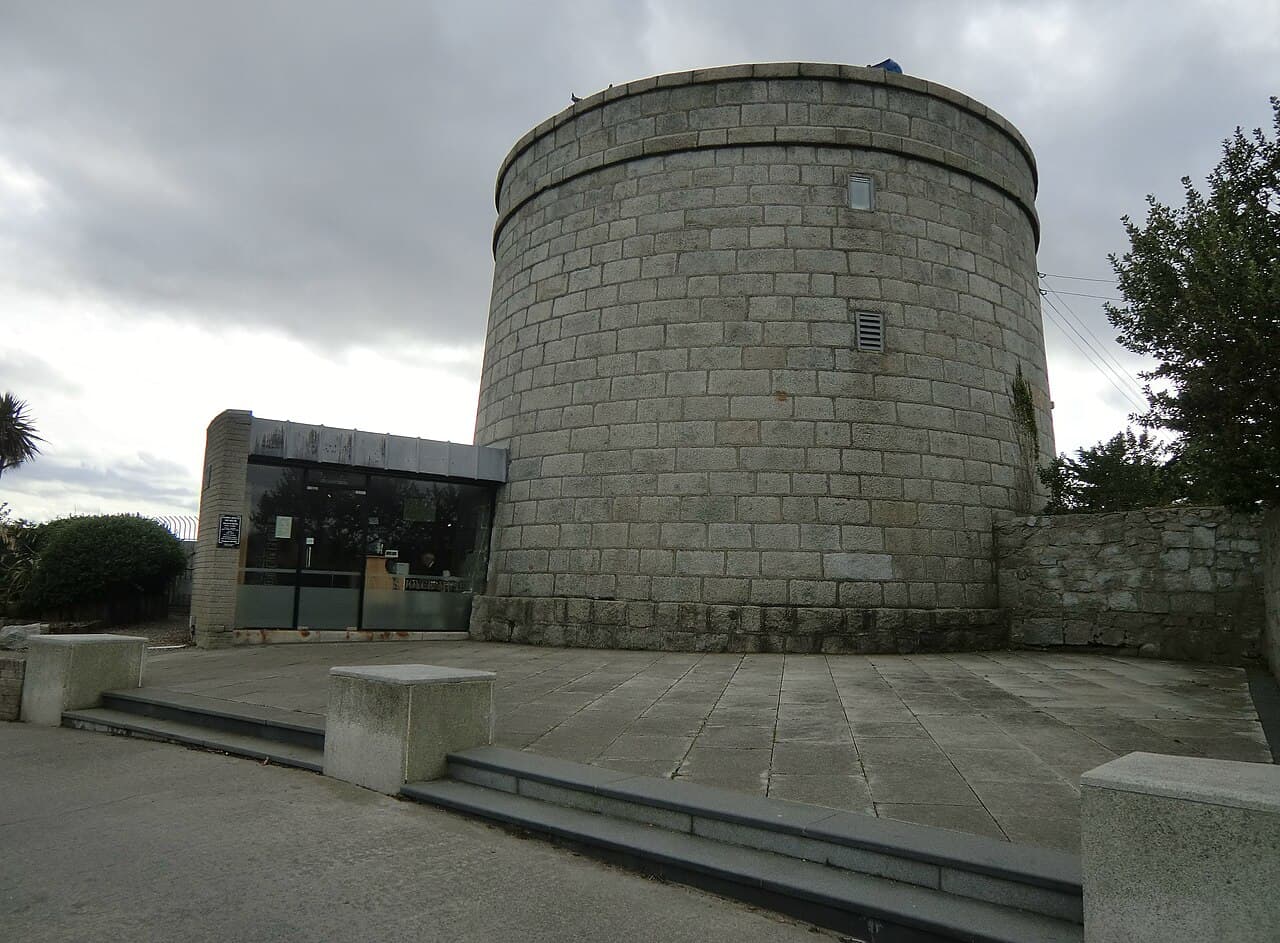
The tower was constructed in the early 19th century as part of a series of Martello towers built along the Irish coast to defend against potential Napoleonic invasions. These towers are characterized by their stout, round structures with thick walls designed to withstand artillery fire. The James Joyce Tower is an example of a bastioned fortress type, featuring a circular plan with a flat roof originally intended for mounting cannons.
Its robust construction and strategic coastal location made it an effective defensive structure during its time. Although the tower was built for military purposes, it later gained cultural significance due to its association with Joyce and his literary work.
James Joyce's stay and literary legacy
In September 1904, James Joyce stayed at the tower with his friend Oliver St. John Gogarty. This brief residence inspired the opening chapter of Ulysses, titled "Telemachus," which depicts the morning in the tower and sets the tone for the novel's exploration of Dublin life. The tower's interior, with its austere rooms and commanding views of the sea, is preserved to reflect the period when Joyce stayed there.
The tower has since become a pilgrimage site for literary fans, especially on Bloomsday (June 16), the day on which the events of Ulysses are set and celebrated annually worldwide. Visitors come to experience the setting of one of the most important works of modernist literature and to gain insight into Joyce's life and creative process.
The museum and visitor experience
Today, the James Joyce Tower and Museum operates as a cultural site dedicated to the writer's life and work. The museum contains exhibits of Joyce memorabilia, including first editions, photographs, and personal items that provide a deeper understanding of his literary achievements and historical context.
Admission to the museum is free, encouraging broad public access. The tower's location offers stunning views of Dublin Bay and the surrounding coastline, adding to the visitor experience. The site is maintained to preserve its historical integrity, allowing visitors to step back into the early 20th century.
Architectural features and preservation
The tower's thick stone walls, narrow windows, and battlements remain well preserved, showcasing the typical defensive features of Martello towers. Its compact interior includes a main room, a small kitchen area, and a rooftop gun platform, which visitors can explore.
The preservation efforts have focused on maintaining the tower's original military architecture while adapting it for museum use. This balance allows the tower to serve both as a monument to Ireland's coastal defenses and a tribute to one of its greatest literary figures.
Location and accessibility
Situated in the coastal suburb of Sandycove in Dublin, the tower is easily accessible by public transport and road. Its proximity to Dublin city center makes it a popular day-trip destination for tourists and locals interested in Irish literature and history.
Frequently asked questions (FAQ)
- When was the James Joyce Tower built?
- The James Joyce Tower was constructed in the early 19th century as part of coastal defenses against Napoleonic invasions.
- What is the significance of the tower in James Joyce's work?
- The tower is the setting for the opening scenes of Joyce's novel Ulysses, where he stayed in 1904, inspiring the book's beginning.
- Can I visit the James Joyce Tower and Museum?
- Yes, the tower is open to the public as a museum with free admission, offering exhibits on Joyce's life and works.
- What architectural style is the tower?
- The tower is a bastioned fortress typical of Martello towers, featuring thick stone walls and a circular design for defense.
- Is the tower accessible by public transport?
- Yes, the tower is located in Sandycove, Dublin, and is easily reachable by public transport and road from the city center.
Photo gallery

Information
Loading map...
Visitor reviews
No reviews yet. Been here? Write the first review and help other travelers!
Write the first reviewVisited this castle? Share your experience
Your review helps other travelers and adds first-hand knowledge to our encyclopedia.