Adobe Castle — Iran castle

Adobe Castle

Adobe castle in Aran va Bidgol, Isfahan province
Aran va Bidgol, Iran
High Medieval (11th–13th c.)
Partially Preserved

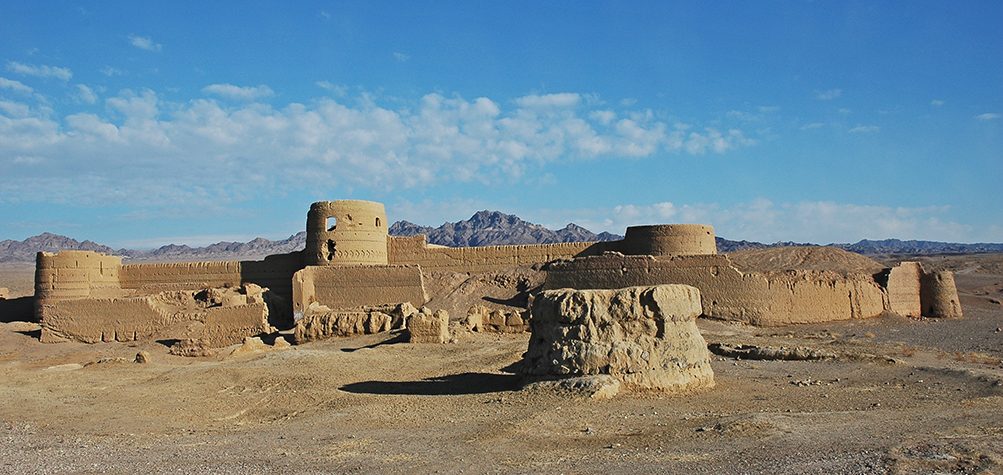
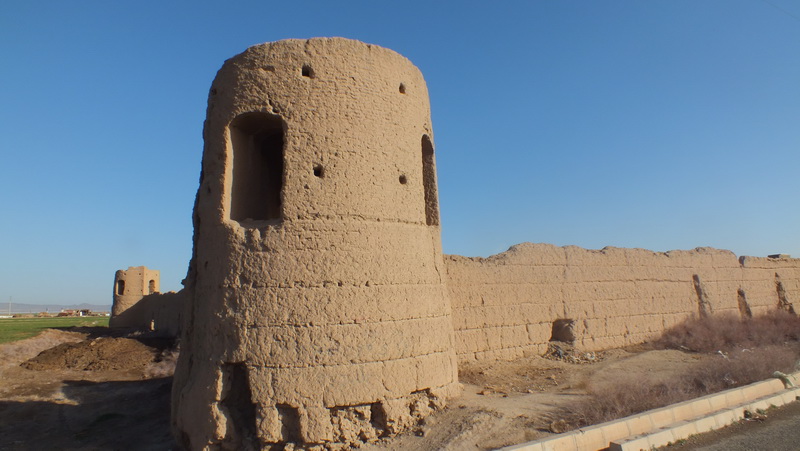
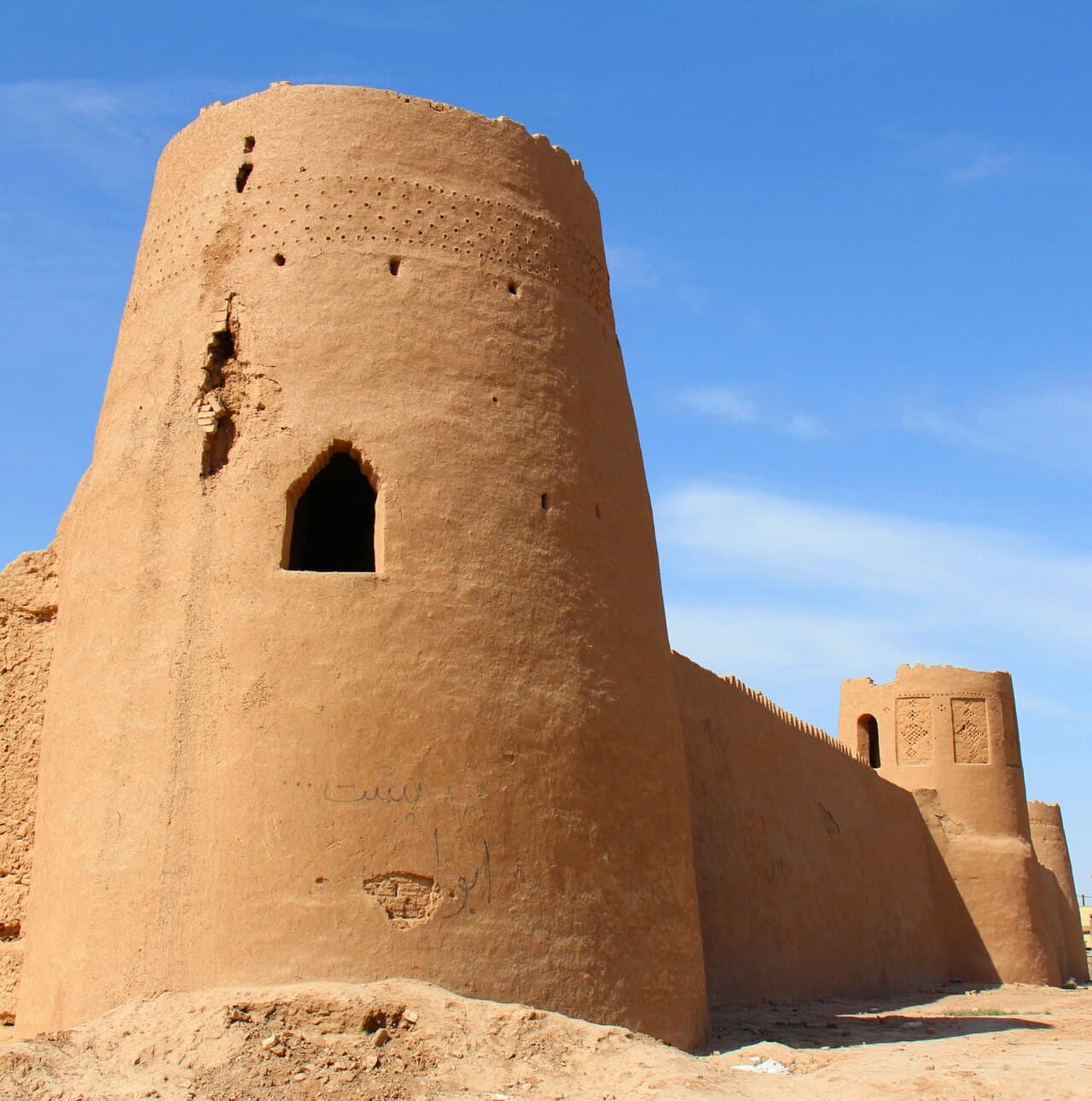
Adobe castle, locally known as Kheshti castle or Sizan castle, is a significant historic fortress situated in Aran va Bidgol County within the Isfahan province of Iran. This remarkable hill castle is constructed primarily from adobe, a traditional building material made from earth and organic substances, which has been widely used in Iranian architecture for centuries. The castle's enduring presence offers a tangible link to several key historical periods, notably the Seljuk, Timurid, and Safavid eras, which collectively span from the 11th to the 18th centuries.

Historical context and significance

The Seljuk period (11th-12th centuries) marked a time of expansive architectural development in Iran, with fortifications like Adobe castle playing a crucial role in regional defense and administration. The castle's origins during this era suggest it was strategically positioned to oversee and protect vital routes and settlements in the arid landscape of central Iran.

During the Timurid era (14th-15th centuries), known for its cultural renaissance and military campaigns, the castle likely underwent modifications to enhance its defensive capabilities, reflecting the evolving military architecture of the time. The subsequent Safavid dynasty (16th-18th centuries) further influenced the castle's structure and function, as this period emphasized consolidation of power and architectural patronage, including restoration and reinforcement of key fortresses.

Architectural features and construction

Adobe castle exemplifies the use of adobe construction techniques, which involve sun-dried mud bricks that provide excellent insulation against the harsh climate. The castle's walls are thick and robust, designed to withstand both natural erosion and military assaults. Its location on a hill enhances its defensive advantage, offering panoramic views of the surrounding terrain to monitor approaching threats.

The fortress likely includes typical elements such as battlements, towers, and gates, although specific details about these features require further archaeological study. The use of adobe also allows for intricate decorative patterns and structural forms characteristic of Persian architecture, which may be present in the castle's remains.

Preservation and current condition

Today, Adobe castle stands as a partially preserved historic site, with ongoing challenges related to the preservation of adobe structures, which are vulnerable to weathering. Conservation efforts are essential to maintain the integrity of this cultural heritage monument, which serves as a testament to the architectural ingenuity and historical depth of the region.

Cultural and tourist importance

As a heritage site representing multiple significant Iranian dynasties, Adobe castle attracts historians, archaeologists, and tourists interested in Iran's medieval fortifications and architectural traditions. Its location in Isfahan province, a region rich in cultural landmarks, adds to its appeal for visitors exploring the historical landscape of central Iran.

Further research and exploration

Continued archaeological investigations and detailed architectural studies are needed to uncover more about the castle's original layout, construction phases, and role in regional history. Such research will enhance understanding of the castle's place within the broader context of Iranian and Islamic military architecture.

Frequently asked questions (FAQ)

How do I get to Adobe Castle?
Adobe Castle is located in Aran va Bidgol, Iran. The easiest way to reach the castle is by car, as it is situated approximately 25 kilometers from the city of Kashan. Public transportation options include buses that connect Kashan to Aran va Bidgol, followed by a short taxi ride.
What is the historical significance of Adobe Castle?
Adobe Castle dates back several centuries and is an important example of traditional Persian architecture. It served as a defensive stronghold in the region, showcasing the strategic importance of Aran va Bidgol throughout history. The castle's history reflects the cultural and architectural evolution of the area.
When was Adobe Castle built?
Adobe Castle was constructed during the Safavid era, around the 16th century. Its design and structure are representative of the architectural styles prevalent during this period in Iran. The castle has undergone various restorations to preserve its historical integrity.
Can I take photographs inside Adobe Castle?
Yes, visitors are welcome to take photographs inside Adobe Castle, as long as it is done respectfully and without disrupting other guests. The castle's stunning architecture and scenic views make it a popular spot for photography. However, be mindful of any restrictions that may be posted during your visit.
Why is Adobe Castle a popular tourist destination?
Adobe Castle attracts visitors due to its unique architectural style and rich historical background. It offers a glimpse into Iran's past and showcases the beauty of traditional Persian design. Additionally, its location near other cultural attractions makes it a convenient stop for tourists exploring the region.
Is it possible to access Adobe Castle with limited mobility?
Accessing Adobe Castle may be challenging for individuals with limited mobility due to uneven terrain and steps within the castle grounds. However, the castle's exterior can be enjoyed from the surrounding areas. It is advisable to contact local authorities for more detailed accessibility options prior to your visit.
What are the opening hours for Adobe Castle?
Adobe Castle is generally open to visitors from 9 AM to 6 PM daily. However, opening hours may vary during public holidays or special events, so it's recommended to check ahead before planning your visit. This ensures you have the best experience possible during your trip.
What are the ticket prices for visiting Adobe Castle?
The ticket prices for Adobe Castle are quite affordable, typically ranging from 100,000 to 200,000 IRR for adults. Students and children often receive discounted rates, making it accessible for families. Be sure to have cash on hand, as card payments may not be accepted at the entrance.
When is the best time to visit Adobe Castle?
The best time to visit Adobe Castle is during the spring and autumn months when the weather is mild and pleasant. This allows for a more enjoyable experience while exploring the castle and its surroundings. Avoiding the peak summer heat will enhance your visit significantly.
Are there any nearby attractions to visit after Adobe Castle?
Yes, there are several nearby attractions worth exploring after visiting Adobe Castle. The historic city of Kashan is just a short drive away and features beautiful gardens, traditional houses, and museums. Other notable sites include the Fin Garden and the Tabatabai House, offering a rich cultural experience.

Photo gallery

Adobe Castle
Click to view

Photo by Alireza Tajfar•CC BY-SA 4.0

1 photo • Click any image to view in full screen

Information

Hill Castle

Loading map...

Visitor reviews

No reviews yet. Been here? Write the first review and help other travelers!

Write the first review

Visited this castle? Share your experience

Your review helps other travelers and adds first-hand knowledge to our encyclopedia.
Write a review

(5/5)

0/2000 characters

Your review will be visible after admin approval

Nearby castles

11.8 km
Jalali Castle — Iran castle

Jalali Castle

Kashan, Iran

Jalali Castle (Persian: قلعه جلالی) is a prominent hill castle situated in the city of Kashan, in central Iran. This fortress is a significant example of medieval military architecture in the region, reflecting the strategic importance of Kashan throughout Iranian history. The castle's location atop a hill provided natural defensive advantages, making it a formidable stronghold against invaders. Historical background and significance The origins of Jalali Castle date back to the Safavid period (16th to 18th centuries), a time when Iran saw a resurgence in fortification construction to protect key cities from Ottoman and Uzbek incursions. Kashan was an important urban center due to its position along trade routes and its agricultural wealth. The castle was built to serve as a military fortress and a refuge for the local population during times of conflict. Throughout its history, Jalali Castle played a defensive role in various regional conflicts. Its robust walls and strategic placement allowed it to withstand sieges and attacks, contributing to the stability of Kashan and its surrounding areas. The castle also functioned as a symbol of authority and power for the ruling Safavid governors. Architectural features and layout Jalali Castle exemplifies typical hill castle characteristics, utilizing the elevated terrain for defense. The castle is enclosed by thick, high walls constructed from local stone and adobe, materials commonly used in Iranian fortifications. These walls are punctuated by several towers that provided vantage points for surveillance and archery. The entrance to the castle is fortified with a gatehouse designed to control access and defend against attackers. Inside the walls, the castle contained various functional spaces including barracks, storage rooms, and living quarters for soldiers and commanders. The layout is organized around a central courtyard, a feature typical of Persian military architecture, facilitating communication and movement within the fortress. Water management was an essential aspect of the castle's design. Jalali Castle includes cisterns and channels to collect and store water, ensuring a sustainable supply during sieges. This feature highlights the advanced engineering skills of its builders. Materials and construction techniques The construction of Jalali Castle involved the use of stone, mudbrick, and adobe, materials well-suited to the arid climate of central Iran. The thick walls provided insulation against the harsh summers and cold winters. The builders employed traditional Persian construction techniques, including the use of timber beams to reinforce walls and roofs. The castle's defensive walls are notable for their height and thickness, designed to resist battering and scaling. The towers and battlements allowed defenders to fire upon attackers while remaining protected. The use of local materials not only ensured durability but also helped the castle blend into its natural surroundings. Preservation and current condition Today, Jalali Castle remains a partially preserved historical monument. While some sections of the walls and towers have deteriorated over time due to natural erosion and human activity, significant portions of the fortress still stand, offering valuable insight into Safavid military architecture. Preservation efforts have aimed to stabilize the structure and prevent further decay. The castle is accessible to visitors interested in Iranian history and architecture. Its commanding views over Kashan and the surrounding landscape make it a popular site for cultural tourism. Interpretive signage and guided tours help visitors understand the castle's historical context and architectural significance. Jalali Castle in the context of Iranian fortifications Jalali Castle is part of a broader network of fortifications built across Iran during the Safavid era to protect important cities and trade routes. Its design reflects common defensive strategies of the period, emphasizing strong walls, elevated positions, and integrated water management systems. The castle's military architecture shares similarities with other notable Iranian fortresses, such as the nearby Tabar Castle and the Arg-e Bam, though Jalali Castle is distinguished by its strategic location in Kashan and its role in regional defense. Architectural influences and style The castle's architecture embodies elements of traditional Persian fortification design, with influences from Islamic military architecture prevalent during the Safavid period. The use of adobe and mudbrick construction, combined with stone reinforcements, is typical of the region's building practices. The fortress does not exhibit ornate decoration, as its primary purpose was defense, but its functional design demonstrates an understanding of military engineering and landscape utilization. Visiting Jalali Castle Visitors to Kashan can explore Jalali Castle to gain insight into the city's historical defenses. The site offers panoramic views and a tangible connection to Iran's past military strategies. While the castle is not fully restored, its ruins convey the scale and strength of the original fortress. Travelers are advised to wear suitable footwear due to uneven terrain and to check local information for opening hours and any guided tour availability. The castle's location within Kashan makes it accessible as part of a broader itinerary including other cultural and historical sites in the city.

Post-Renaissance (17th–18th c.)
Details
63.7 km
Karshahi Castle — Iran castle

Karshahi Castle

, Iran

Karshahi Castle (Persian: قلعه کرشاهی) is an ancient Sasanian era fortress situated in Aran va Bidgol County, within the Isfahan province of Iran. This hill castle exemplifies the military architecture of the late Antiquity period in the Iranian plateau, reflecting the strategic importance of fortifications during the Sasanian Empire (224–651 AD). Historical context and significance Constructed during the Sasanian period, Karshahi Castle served as a defensive stronghold guarding critical trade routes and local settlements in the region. The Sasanians were known for their extensive network of fortresses designed to protect their empire from incursions by Roman, Byzantine, and later Arab forces. Karshahi Castle's location on elevated terrain provided a commanding view of the surrounding desert landscape, enabling early detection of approaching enemies. The castle's strategic placement in Isfahan province highlights the region's historical role as a crossroads of commerce and military activity. While detailed records of the castle's specific military engagements are scarce, its endurance through centuries attests to its robust construction and tactical value. Architectural features and design Karshahi Castle is classified as a hill castle, built atop a natural elevation to maximize defensive advantage. The construction techniques typical of the Sasanian era are evident in the castle's remaining walls and foundations, which utilize mudbrick and stone materials suited to the arid climate. The fortress likely featured thick defensive walls, battlements, and towers positioned to cover all approaches. Although much of the original structure has suffered from erosion and time, archaeological surveys indicate the presence of a central courtyard, residential quarters, and storage areas within the enclosure. The design emphasizes both military functionality and the capacity to sustain a garrison for extended periods. Defensive elements The castle's elevated position and robust walls formed the primary defensive measures. The use of mudbrick was common in Sasanian fortifications, providing insulation against extreme temperatures and resilience against siege weaponry of the time. Remnants of towers suggest vantage points for archers and lookouts. Preservation and current condition Today, Karshahi Castle is considered a ruins site, with only partial remains of its original structure visible. Natural weathering and human activity have contributed to the degradation of the fortress over the centuries. Despite this, the site remains an important archaeological and cultural landmark, offering insights into Sasanian military architecture and regional history. Preservation efforts are limited but ongoing, aiming to stabilize the ruins and prevent further deterioration. The castle's remote location in the desert environment presents challenges for conservation but also protects it from extensive urban development. Visiting Karshahi Castle Visitors to Karshahi Castle can explore the ruins and appreciate the historical significance of this Sasanian hill fortress. The site provides a tangible connection to Iran's pre-Islamic past and the architectural ingenuity of the Sasanian Empire. Access to the castle is generally by road from nearby towns in Isfahan province. Due to its condition as ruins and remote setting, visitors should prepare accordingly, bringing sufficient water and supplies. Guided tours may be available through local cultural heritage organizations, offering detailed historical context and archaeological insights.

Details
79.5 km
Qomrud Castle — Iran castle

Qomrud Castle

Qom County, Iran

Qomrud castle (Persian: قلعه قمرود) is a significant historical fortress situated in Qom County within Qom Province, Iran. This hill castle dates back to the Safavid dynasty, a period marked by substantial architectural and military developments in Iran between the 16th and 18th centuries. Historical context and significance The Safavid dynasty (1501–1736) was one of the most influential ruling dynasties in Iranian history, known for establishing Twelver Shi'a Islam as the state religion and fostering a renaissance in Persian art and architecture. During this era, numerous castles and fortifications were constructed or renovated to secure important regions and trade routes. Qomrud castle served as a strategic defensive structure within Qom Province, which has historically been a vital religious and cultural center due to the city of Qom's significance as a pilgrimage site. Architectural features and layout As a hill castle, Qomrud castle was built on elevated terrain to maximize its defensive capabilities. This location provided natural advantages such as enhanced visibility over the surrounding landscape and increased difficulty for attackers to approach. The castle's design likely incorporated typical Safavid military architectural elements, including fortified walls, battlements, watchtowers, and possibly a central keep or donjon. The construction materials would have primarily consisted of stone and adobe, common in the region, adapted to the local climate and available resources. Defensive features such as narrow windows or arrow slits, thick walls, and reinforced gates would have been integral to the castle's design to withstand sieges and attacks. Defensive structures The castle's perimeter was probably surrounded by robust walls equipped with battlements for archers and guards. Watchtowers positioned at strategic points would have allowed for early detection of enemy movements. The entrance gate was likely fortified with heavy wooden doors and possibly metal reinforcements, designed to resist forced entry. Role and function during the Safavid era Qomrud castle functioned as a military stronghold to protect the surrounding region and maintain control over local trade routes. Its presence would have contributed to the security of Qom Province, an area important both for its religious significance and as a corridor connecting central Iran to other parts of the empire. The castle may have housed a garrison of soldiers responsible for monitoring the area and defending against potential invasions or banditry. Additionally, it could have served as a refuge for local populations during times of conflict. Current condition and preservation Today, Qomrud castle remains a historical site, although the extent of its preservation varies. Like many Safavid-era fortresses, it may be partially preserved or in ruins, reflecting centuries of exposure to natural and human-induced wear. Efforts to study and conserve the castle contribute to understanding the military architecture of the Safavid period and the historical landscape of Qom Province. Archaeological and cultural importance The castle is an important cultural heritage site that offers insight into the defensive strategies and architectural styles of the Safavid era. It attracts researchers and visitors interested in Iranian history and Islamic military architecture. Preservation initiatives help maintain the site for educational and touristic purposes, highlighting its role in the region's historical narrative.

Post-Renaissance (17th–18th c.)
Details