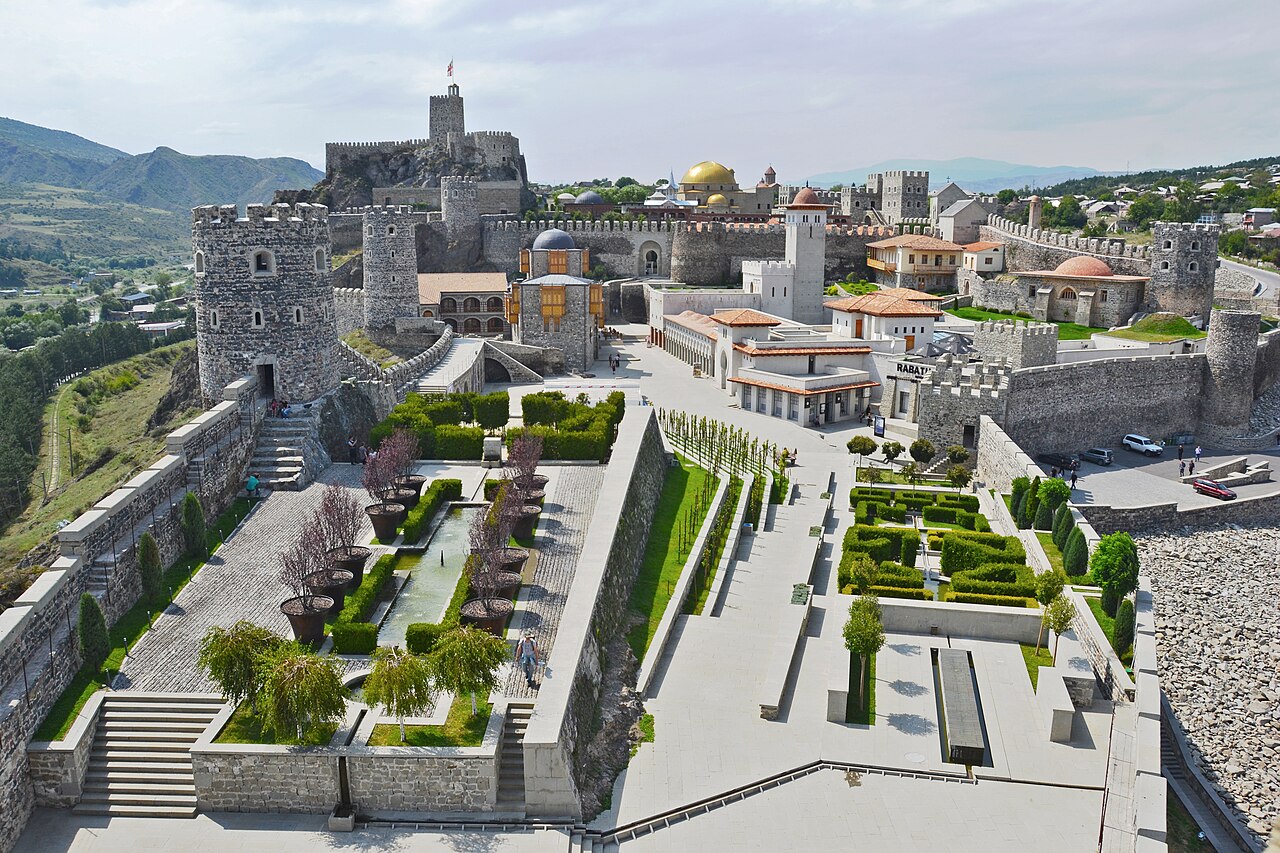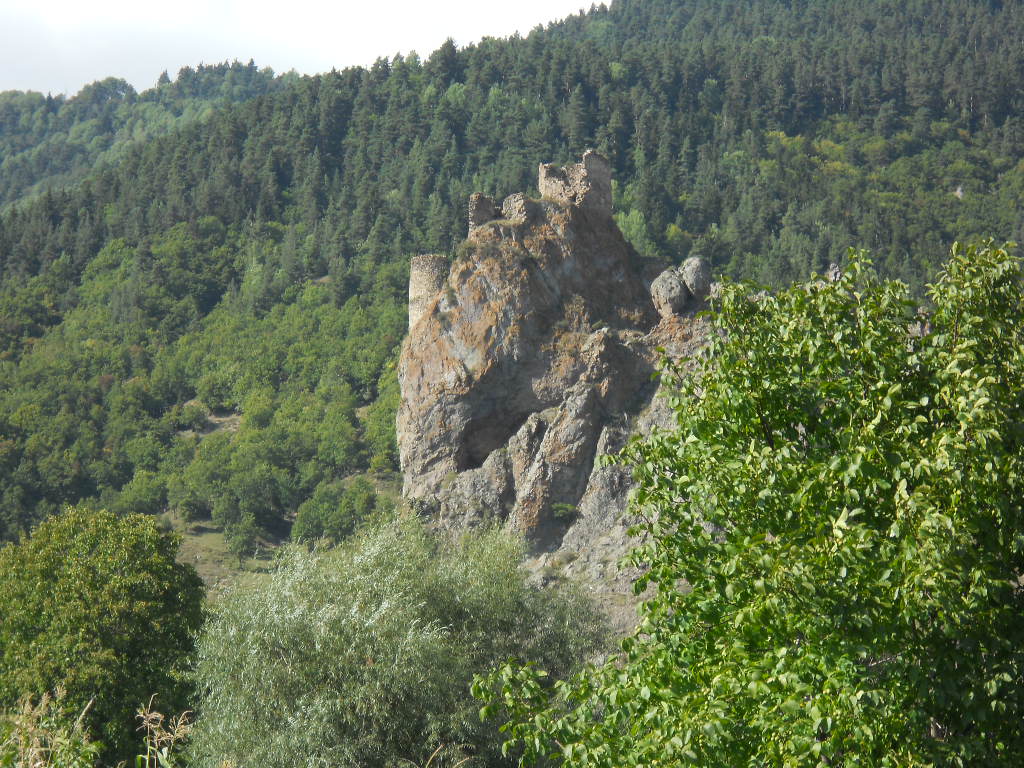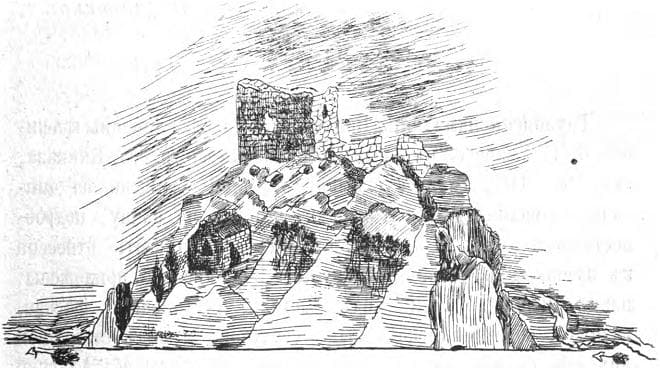
Jaki Fortress is a notable example of a bastioned fortress located in Turkey, reflecting the strategic military architecture characteristic of the Ottoman period. Though the exact city location is not definitively recorded, the fortress stands as a historical monument illustrating the defensive innovations that were prevalent during its time of construction.
Historical context and significance
The fortress was constructed during a period when fortifications were adapting to new forms of warfare, particularly the increased use of artillery. This led to the development of bastioned designs, which allowed defenders to cover all approaches with overlapping fields of fire, minimizing blind spots. The Ottoman Empire extensively employed such designs to protect key territories and trade routes.
Jaki Fortress played a role in regional defense and control, serving as a military stronghold to secure the surrounding area. Its construction reflects the Ottoman military engineering expertise and the empire's strategic priorities in fortification during the post-medieval period.
Architectural features and design
The fortress is characterized by its bastioned layout, which typically includes angular bastions projecting from the curtain walls. These bastions provided defenders with the ability to fire upon attackers from multiple angles, a significant advancement over earlier medieval castle designs. The walls are thick and robust, built to withstand artillery bombardment.
Within the fortress, there would have been various functional structures such as armories, garrison quarters, and storage facilities. Although detailed architectural plans are scarce, the design likely incorporated a moat or ditch for additional defense, as was common in bastioned fortresses.
Defensive elements
The bastions themselves are the fortress's most distinctive defensive feature. Their angular shape was designed to eliminate dead zones where attackers could find cover. The walls connecting the bastions, known as curtain walls, were constructed with thick masonry to absorb and deflect cannon fire.
Entrances to the fortress would have been limited and heavily fortified, often including gatehouses with defensive mechanisms such as portcullises and murder holes to repel attackers.
Preservation and current condition
Jaki Fortress remains a partially preserved structure, with some sections of its bastions and walls still standing. The fortress has suffered from the effects of time and environmental exposure, but ongoing efforts aim to maintain and protect what remains of this historical site.
Its condition offers valuable insights into Ottoman military architecture and the evolution of fortification techniques in the region.
Visiting Jaki Fortress
While specific visiting information is limited due to the fortress's less prominent status, visitors interested in military history and Ottoman architecture may find the site rewarding. The fortress's location in Turkey makes it accessible for travelers exploring the country's rich historical landscape.
Visitors should prepare for a site that is largely in ruins but still evocative of its past strategic importance.
Frequently asked questions (FAQ)
- What is Jaki Fortress and where is it located?
- Jaki Fortress is a bastioned fortress located in Turkey, known for its Ottoman military architectural style. The exact city location is not clearly documented.
- What architectural style characterizes Jaki Fortress?
- Jaki Fortress features a bastioned design typical of post-medieval military architecture, emphasizing angular bastions and thick defensive walls to withstand artillery attacks.
- Is Jaki Fortress open to visitors?
- While specific visiting hours are not well documented, Jaki Fortress can be visited by those interested in Ottoman fortifications and military history. Visitors should expect a site that is partially preserved and largely in ruins.
- What defensive features does Jaki Fortress have?
- The fortress includes angular bastions, thick curtain walls, and fortified gatehouses designed to repel attackers and provide overlapping fields of fire.
Photo gallery

Photo by Unknown authorUnknown author•Public domain
Information
Loading map...
Visitor reviews
No reviews yet. Been here? Write the first review and help other travelers!
Write the first reviewVisited this castle? Share your experience
Your review helps other travelers and adds first-hand knowledge to our encyclopedia.