Jabrin Castle
Jabrin Castle, also spelled Jabreen, is a remarkable example of 17th-century Omani fortification and palace architecture, located in the village of Jabrin in the Ad Dakhiliyah Governorate of Oman. Constructed in 1670-71 by Imam Bil'arab bin Sultan of the Yaruba dynasty, this castle served multiple roles as a defensive stronghold, royal residence, administrative center, and educational facility. It stands as a testament to the political and military strength of the Yaruba rulers during a significant period of Omani history.
Historical background and significance
The castle was commissioned by Bil'arab bin Sultan, who was the son of Imam Sultan bin Saif, a key figure in Oman's history and the builder of the famous Nizwa Fort. Bil'arab bin Sultan ascended to the position of Imam in 1679 and ruled until his death in 1692. His reign was marked by efforts to consolidate power internally and protect Oman from external threats, reflecting the strategic importance of the castle. The choice of Jabrin as a site combined both defensive advantages and a desire to establish a grand residence that reflected his authority.
Following his death, Imam Bil'arab bin Sultan was buried within the castle grounds, specifically in one of the cellars, which adds a unique religious and commemorative dimension to the site. The castle thus functioned not only as a military and administrative center but also as a mausoleum, underscoring its multifaceted importance.
Architectural features and layout
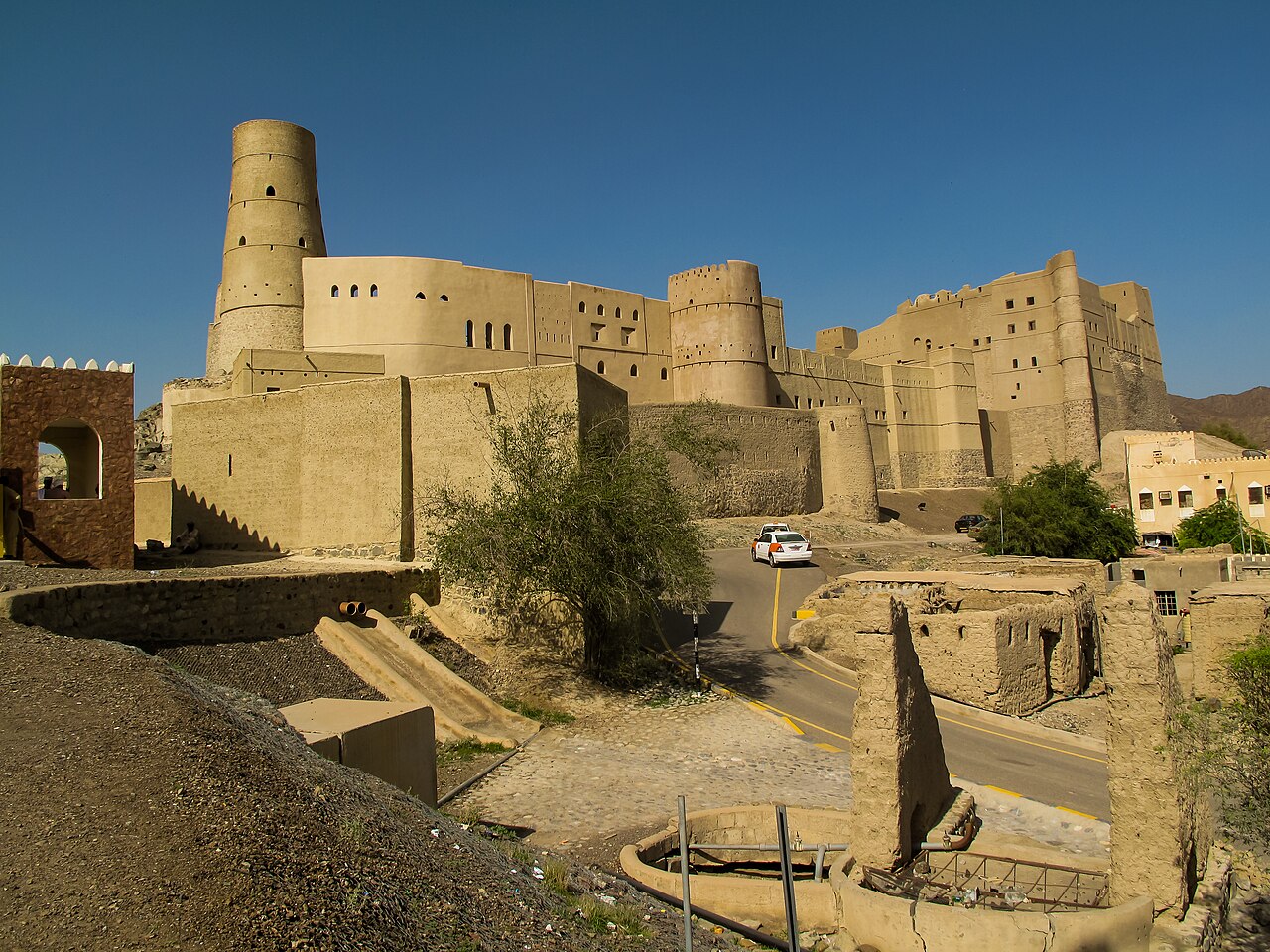
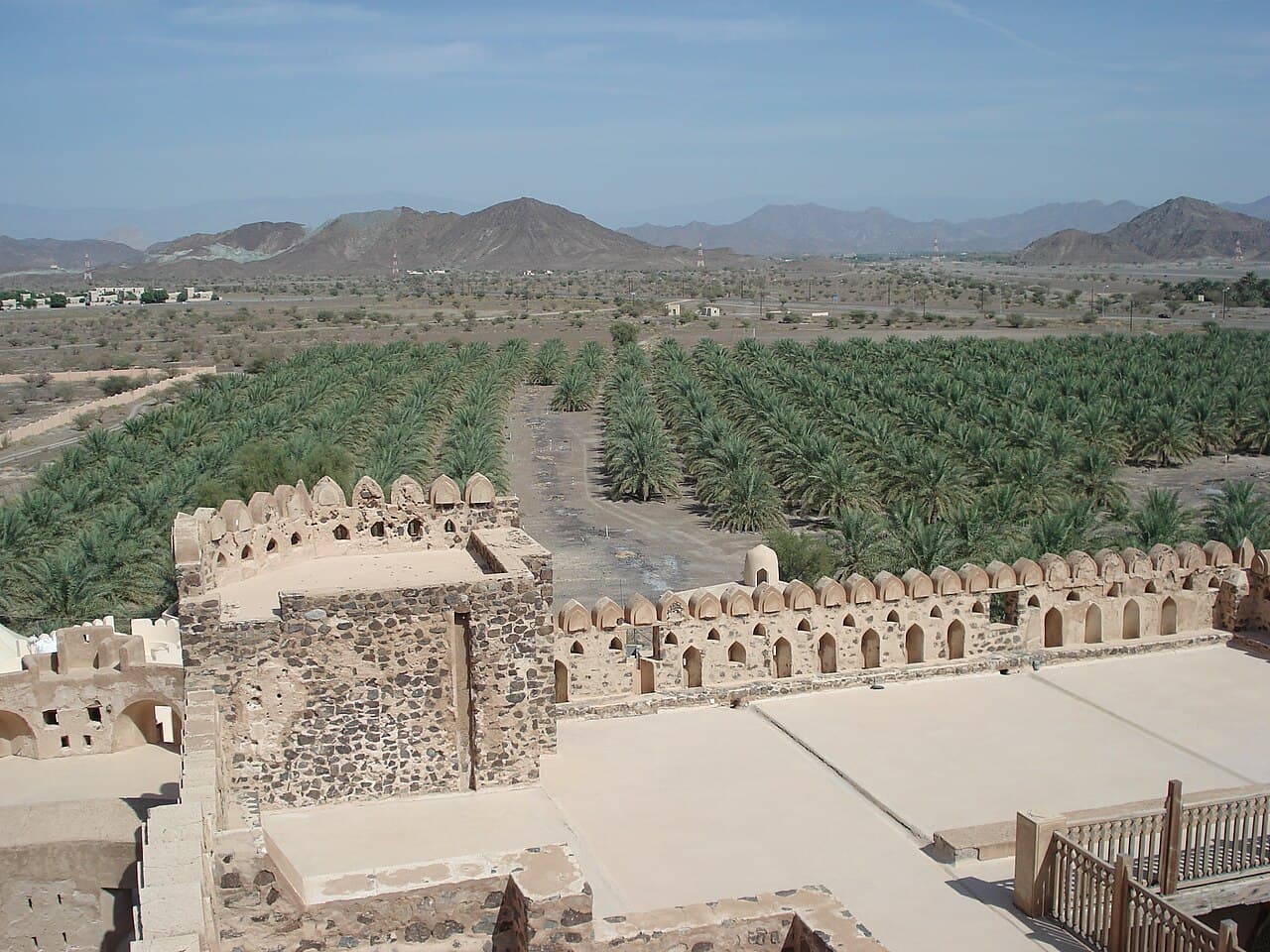
Jabrin Castle is renowned for its sophisticated design and well-preserved state. The castle complex is divided into an inner and outer castle, with the rectangular inner castle featuring two large towers positioned on opposite corners. These towers provided defensive vantage points and enhanced the castle's fortification.
At the heart of the inner castle are two adjacent courtyards, which are crossed by a falaj — a traditional Omani man-made water channel that is partly underground. This ingenious water management system ensured a reliable water supply within the castle, crucial for both daily life and defense during sieges.
The castle contains numerous rooms, hallways, and stairways, reflecting its use as a palace and administrative seat. It also housed a boarding school, indicating its role in education and governance. The interior spaces include reception halls, living quarters, storage rooms, and defensive structures such as battlements and gates.
Construction techniques and materials
The castle was built using local materials and traditional construction methods typical of the Renaissance period in Oman. Thick stone walls provide strong defense, while plastered surfaces and decorative elements inside highlight the blend of functionality and aesthetic considerations. The presence of the falaj system within the courtyards demonstrates advanced engineering knowledge and adaptation to the arid environment.
Strategic and cultural importance
Strategically located near the historic town of Bahla and close to the Jabal Akhdar Mountains, Jabrin Castle was a key site for controlling the interior regions of Oman. Its position allowed the Yaruba dynasty to monitor trade routes, defend against invasions, and administer their territories effectively.
The castle's role extended beyond military and political functions; it also served as a cultural hub. The boarding school within the castle points to the importance placed on education and intellectual development during Bil'arab bin Sultan's reign. The castle remains a symbol of the Yaruba dynasty's legacy and Oman’s rich heritage.
Preservation and visitor experience
Today, Jabrin Castle is well-preserved and open to visitors for a fee. Its comprehensive state of preservation allows exploration of its architectural features, including the towers, courtyards, halls, and the imam’s tomb. The castle offers a fascinating glimpse into the Renaissance-era Omani architecture and the lifestyle of the ruling elite during the late 17th century.
Visitors can wander through the many rooms, corridors, and stairways, experiencing the blend of military strength and residential comfort. The presence of the falaj water system and the intricate layout make it an educational site for those interested in historical engineering and architecture.
The castle's location in the scenic region of Ad Dakhiliyah, near Bahla, also provides opportunities to explore other historic sites, enriching the cultural tourism experience in Oman.
Practical information for visitors
- Opening hours: Generally open daily with specific visiting times; it is advisable to check local schedules before planning a visit.
- Entrance fee: A modest fee is charged to support maintenance and preservation efforts.
- Accessibility: The castle involves walking through uneven terrain and stairways, so comfortable footwear is recommended.
- Guided tours: Available to provide historical context and architectural insights.
Jabrin castle in the context of omani heritage
Jabrin Castle stands as one of the finest examples of Omani fortifications from the Renaissance period. It reflects the Yaruba dynasty's architectural innovation and their strategic vision in consolidating power. The castle's preservation allows modern audiences to appreciate the complexity of Omani history, culture, and architectural prowess during a transformative era.
Its combination of military, residential, educational, and religious functions within a single complex is rare and highlights the multifaceted role such fortresses played in the Arabian Peninsula. The castle's enduring presence near the historic town of Bahla further cements its status as a cultural landmark and a vital link to Oman’s past.
Frequently asked questions (FAQ)
- How do I get to Jabrin Castle from Bahla?
- Jabrin Castle is located just a few kilometers from Bahla town. Visitors can reach the castle by car or taxi via a short drive on paved roads, making it easily accessible for day trips.
- What is the best time of year to visit Jabrin Castle?
- The best time to visit Jabrin Castle is during the cooler months from October to April when the weather is pleasant for exploring outdoor sites in Oman.
- Can I take guided tours at Jabrin Castle?
- Yes, guided tours are available at Jabrin Castle, providing detailed historical and architectural information to enhance the visitor experience.
- Is Jabrin Castle wheelchair accessible?
- Due to the castle's historic structure with many stairways and uneven surfaces, it is not fully wheelchair accessible. Visitors should be prepared for some physical activity.
- What facilities are available at Jabrin Castle for visitors?
- The castle offers basic visitor facilities including a ticket office, restrooms, and informational signage to help guests navigate the site.

Information
Sources & official resources
Verify the information above using these authoritative references.
Loading map...
Visitor reviews
No reviews yet. Been here? Write the first review and help other travelers!
Write the first reviewVisited this castle? Share your experience
Your review helps other travelers and adds first-hand knowledge to our encyclopedia.