Bahla Fort
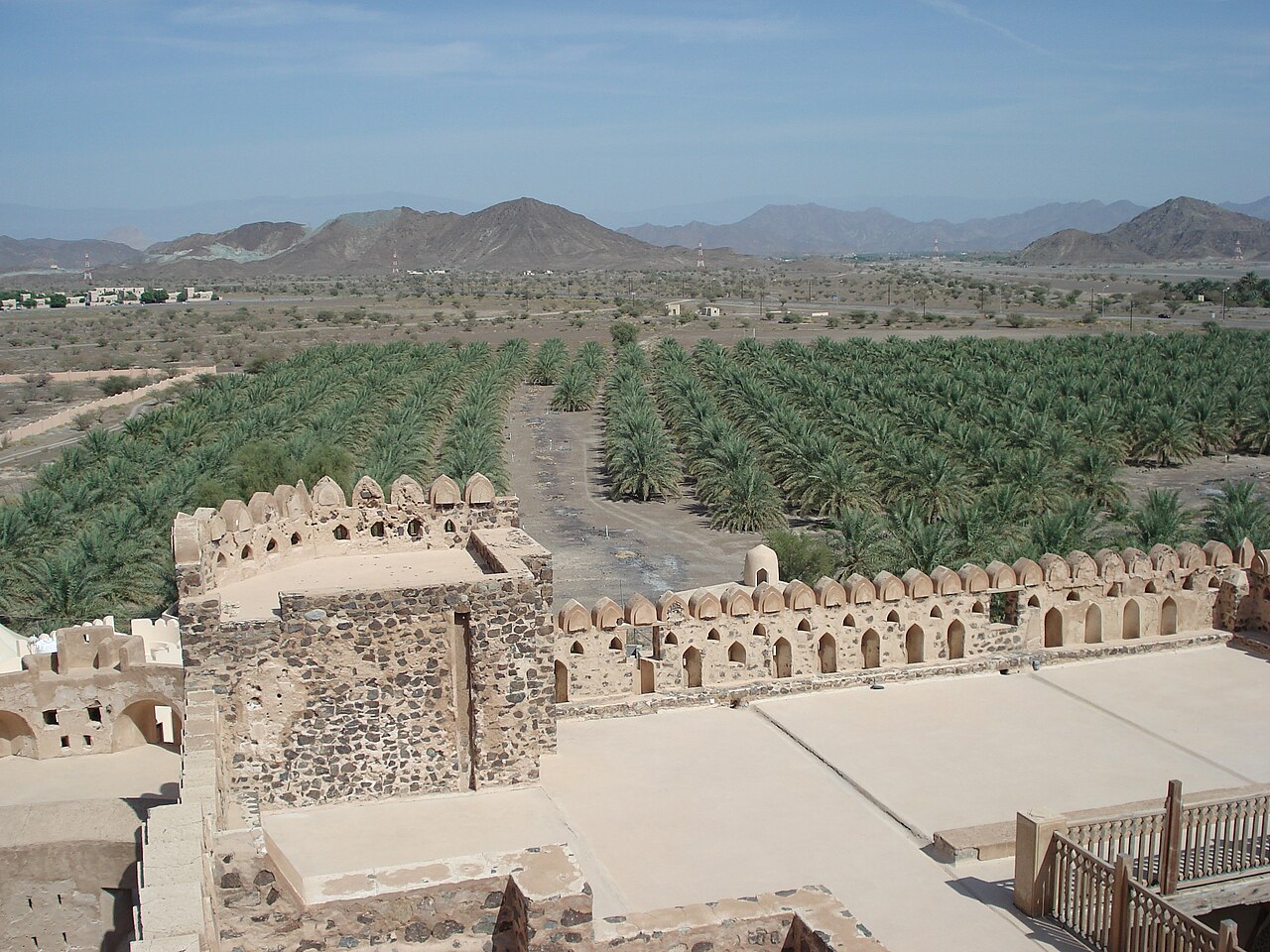
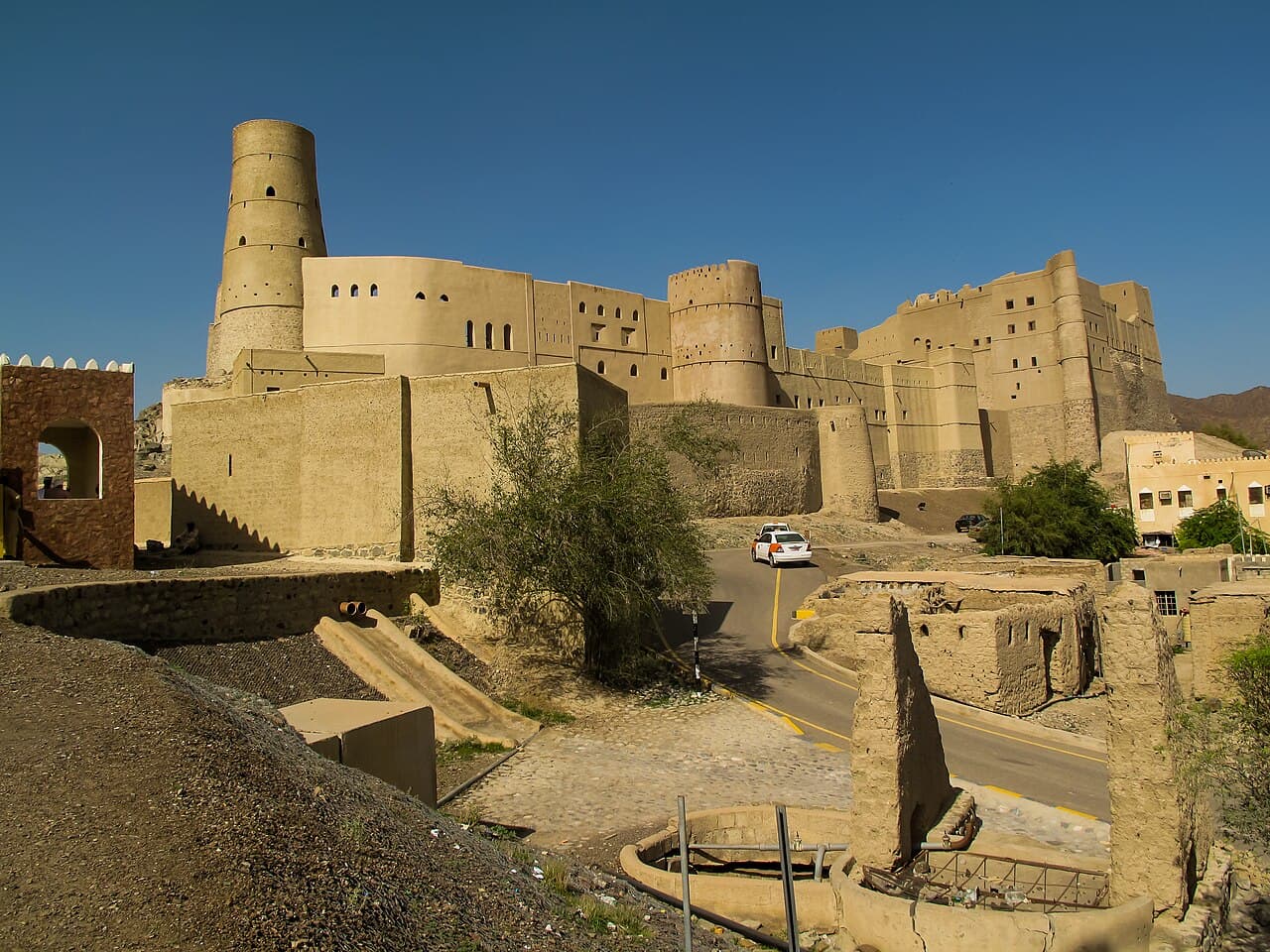
Bahla Fort is a prominent bastioned fortress located in the town of Bahla, within the Ad Dakhiliyah Governorate of Oman. This imposing fortification sits atop a rocky hill overlooking a fertile oasis, strategically positioned to control the surrounding area and protect the ancient settlement below. As one of the country's most significant medieval military structures, Bahla Fort reflects the architectural ingenuity and historical complexities of the region.
The exact origins of Bahla Fort remain somewhat uncertain, though archaeological and historical evidence suggests its initial construction may date back to before the advent of Islam in Oman, potentially before the 7th century. However, the majority of the existing structures are attributed to the Early Medieval period, particularly the 10th century, when the fort came under the control of Ahmed bin Hilal, a wali (local governor) appointed by the Abbasid Caliphate. This period marked significant development in the fort's defensive capabilities and architectural layout.
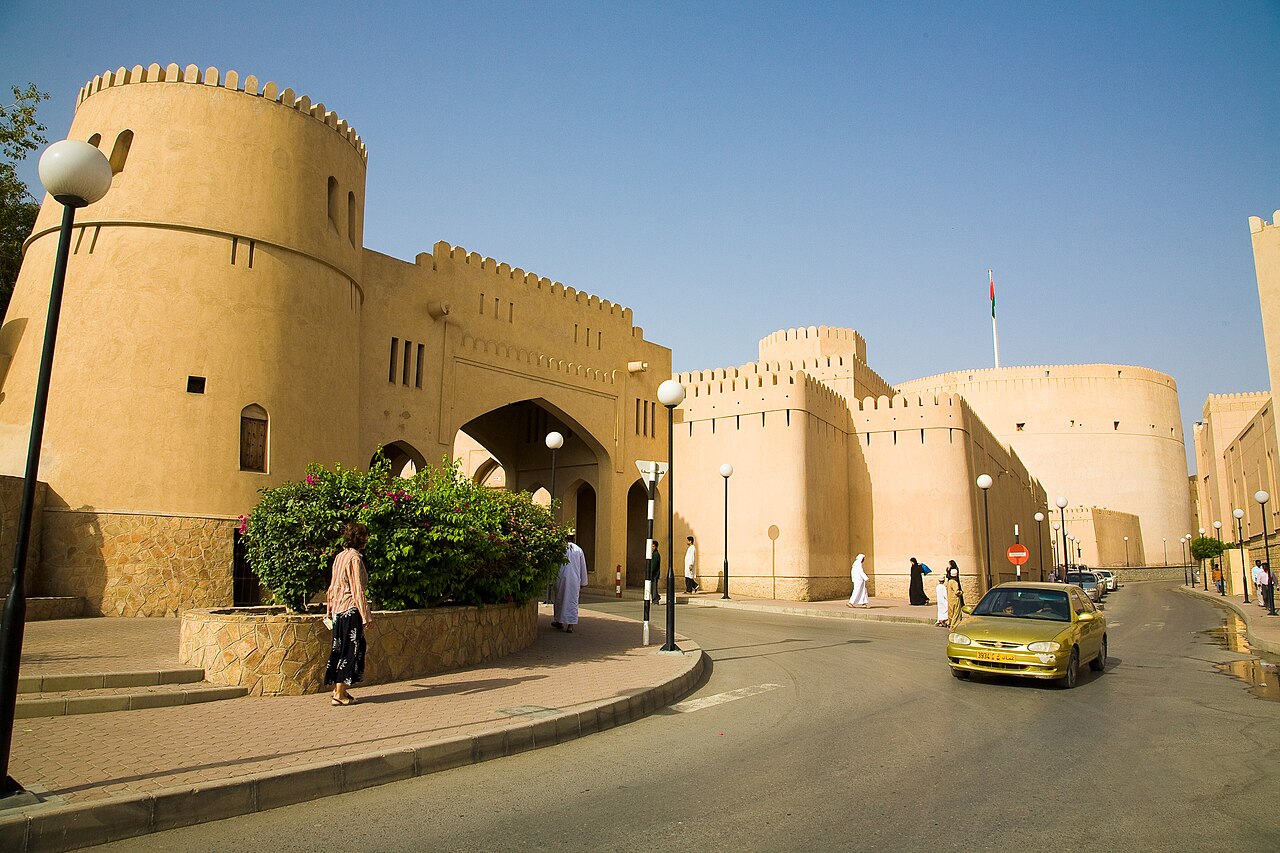
During the Middle Ages, Bahla Fort became the seat of power for the Bani Nabhan tribe, who ruled Oman from 1154 to 1624. The fort's strategic importance was underscored by its robust fortifications and extensive walls that connected it to the old town and oasis, parts of which still survive today. The fort's defenses were designed to withstand sieges and assaults, featuring thick walls, battlements, and multiple towers.
Architectural layout and features
The fort's design is characterized by a rectangular inner fortress known as Al Qasabah, located in the southeast corner. This section represents the oldest core of the complex and served as the primary defensive stronghold. Surrounding the inner fortress is a larger outer fortress, roughly triangular in shape, incorporating several distinct structures that were added over subsequent centuries.
Key buildings within the outer fortress include the Bait Al Jabal (House of the Mountain), dating to the 18th century, the Bait Al Hadith (Modern House) from the 19th century, and the Bait Al Qaid (House of the Commander). These buildings reflect the evolving needs of the fort's occupants and the changing architectural styles over time.
The fort's walls are constructed of mud brick and stone, typical of Omani fortifications, and are complemented by bastions and watchtowers that provided extensive views of the surrounding landscape. The complex also included residential quarters, storage rooms, and defensive passages, demonstrating its role as both a military installation and a living space.
Historical significance and events
Bahla Fort played a central role in Oman's history, particularly during the period of Bani Nabhan rule. The tribe used the fort as a base to control the surrounding region and defend against rival factions. However, the fort suffered significant damage in the early 17th century, reportedly destroyed shortly before the Yarubi tribe took control of Oman in a series of conflicts that reshaped the country's political landscape.
Despite periods of decline and neglect, the fort remained a symbol of Omani heritage and resilience. Its walls witnessed centuries of tribal conflicts, political upheavals, and cultural transformations, making it a valuable site for understanding the region's medieval history.
Restoration and UNESCO recognition
In 1987, Bahla Fort was designated as a UNESCO World Heritage Site, marking it as Oman's first fort to receive this prestigious status. At the time, the fort was in a ruinous state, with many sections crumbling due to age and lack of maintenance. Recognizing its cultural and historical importance, Oman initiated a comprehensive 20-year restoration project aimed at stabilizing and preserving the fort's structures.
The restoration effort involved meticulous reconstruction using traditional materials and techniques to maintain the fort's authenticity. This extensive work culminated in the fort's reopening to the public in 2012, allowing visitors to explore its vast network of rooms, hallways, and courtyards.
Visiting Bahla Fort today
Today, Bahla Fort is accessible to visitors for a fee, offering a unique opportunity to experience a large medieval fortress with a complex architectural layout. The interior, however, remains largely bare, lacking exhibits or detailed informational displays. Visitors are encouraged to explore independently or join guided tours to fully appreciate the site's historical context.
Explorers should be cautious of bats inhabiting the darker, quieter corners of the fort. The fort's extensive corridors and chambers provide a fascinating glimpse into Oman's past, though the lack of interpretive materials requires visitors to engage their imagination to envision the fort's former grandeur.
Nearby heritage sites
Bahla Fort is part of a broader cultural landscape that includes the Archaeological Sites of Bat, Al-Khutm, and Al-Ayn, which were inscribed as a UNESCO World Heritage Site in 1988. These sites collectively represent the rich prehistoric and historic heritage of Oman, highlighting the region's long-standing human occupation and architectural achievements.
Visitors to Bahla Fort often combine their trip with excursions to these archaeological sites and the nearby Jebel Akhdar highlands, known for their dramatic landscapes and traditional mountain villages.
Architectural style and materials
Bahla Fort exemplifies traditional Omani military architecture, characterized by the use of mud brick and stone masonry, which provided both insulation from the harsh desert climate and robust defensive capabilities. The fort's bastioned design enhanced its ability to repel attackers, with walls thick enough to absorb artillery impacts and bastions positioned for flanking fire.
The fort's layout integrates natural topography, utilizing the rocky hill to maximize defensive advantage. The combination of inner and outer fortresses allowed for layered defense, with the inner Al Qasabah serving as a final refuge.
Construction techniques
Traditional building methods employed in Bahla Fort include sun-dried mud bricks reinforced with stone foundations and plastered surfaces. These techniques were common in the Arabian Peninsula and adapted to local environmental conditions. The restoration project carefully replicated these methods to preserve the fort's historical integrity.
Frequently asked questions (FAQ)
- What is the historical significance of Bahla Fort?
- Bahla Fort is a UNESCO World Heritage Site and one of the oldest and largest forts in Oman, dating back to the 13th century. It served as a strategic military fortress and a center of governance, reflecting the rich history and culture of the region. The fort's architecture showcases the unique Omani style, which is a blend of Islamic influences and local craftsmanship.
- When was Bahla Fort built?
- Bahla Fort was originally constructed in the 13th century and underwent several renovations and expansions over the centuries. Its construction is attributed to the Banu Nebhan tribe, who played a significant role in the region's history. The fort's enduring structure exemplifies the architectural ingenuity of its time.
- What are the opening hours for Bahla Fort?
- Bahla Fort is typically open to visitors from 8:00 AM to 4:00 PM daily, with extended hours during certain seasons. It is advisable to check for any changes in hours or special closures before planning your visit. Guided tours are often available to enhance your experience.
- Can I take photographs inside Bahla Fort?
- Yes, visitors are allowed to take photographs inside Bahla Fort, but it's important to be respectful of the site's historical significance. Some areas may have restrictions, so it's best to check for signage or ask the staff for guidance. Capturing the stunning architecture and panoramic views is a highlight for many tourists.
- Is it possible to access Bahla Fort by public transport?
- While there is no direct public transport service to Bahla Fort, visitors can reach Bahla by taking a bus or taxi from nearby cities like Nizwa. Once in Bahla, local taxis or walking can help you reach the fort. Planning your journey in advance will ensure a smoother visit.
- What is the best time to visit Bahla Fort?
- The best time to visit Bahla Fort is during the cooler months from October to April when temperatures are more pleasant for outdoor exploration. Early mornings or late afternoons offer the best light for photography and a more comfortable experience. Avoiding the peak summer months is advisable due to extreme heat.
- Are there any nearby attractions to visit with Bahla Fort?
- Yes, nearby attractions include the historic town of Nizwa, known for its traditional souq and Nizwa Fort, and the stunning Jebel Akhdar mountains for hiking and nature lovers. Visitors can also explore the ancient falaj irrigation system, a UNESCO World Heritage Site, which showcases Oman’s agricultural heritage. Combining these sites with a trip to Bahla Fort makes for an enriching cultural experience.
- What are the ticket prices for Bahla Fort?
- The entrance fee for Bahla Fort is generally quite affordable, making it accessible for all visitors. Prices may vary for local residents and international tourists, so it's wise to check the latest information before your visit. Children often receive discounted or free entry, enhancing family visits.
Photo gallery

Information
Loading map...
Visitor reviews
No reviews yet. Been here? Write the first review and help other travelers!
Write the first reviewVisited this castle? Share your experience
Your review helps other travelers and adds first-hand knowledge to our encyclopedia.