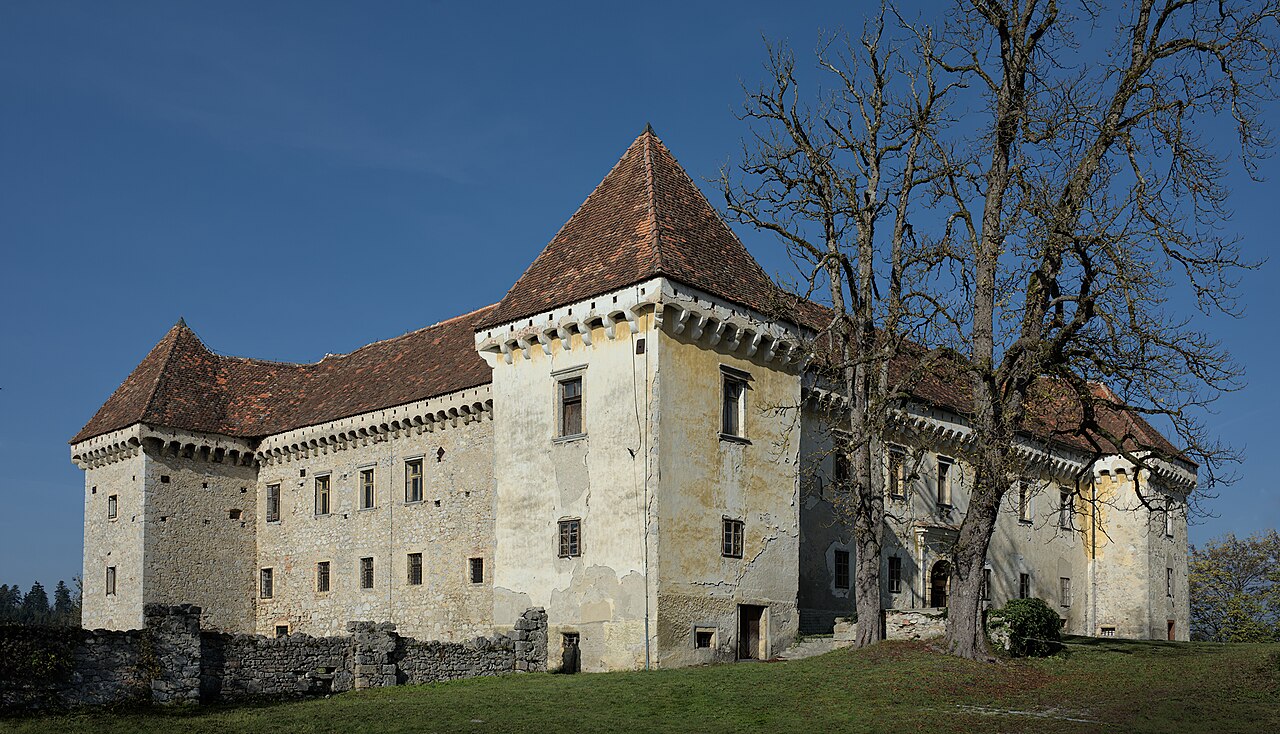
Jablje Castle
Jablje Castle is a significant Renaissance castle located in Loka pri Mengšu, Slovenia. Its origins trace back to the first mention of a castle on this site in 1268, although the current structure was constructed around 1530 by the noble house of Lamberg. This castle exemplifies the architectural transition and noble residence styles of the Renaissance period in the region.
Historical ownership and transformations
Throughout its history, Jablje Castle changed ownership multiple times, reflecting the shifting political and social dynamics of the area. After the Lambergs, the castle passed to the Rasp family and subsequently to the barons Mosconi. From 1780 until the end of World War II, it was owned by the barons Lichtenberg, who maintained it as a noble residence.
Despite the turmoil of the 20th century, including World War II, the castle survived largely intact. However, following the war, it was nationalized and suffered significant looting. The castle's function shifted dramatically during the post-war period: initially converted into apartments, it later served as an experimental facility for the Biotechnical Faculty of the University of Ljubljana. These uses impacted the castle's interior and preservation state.
Architectural features and artistic highlights
The castle is a fine example of Renaissance architecture in Slovenia, characterized by its robust stone construction and defensive features typical of the period. The structure includes a central courtyard surrounded by residential buildings, fortified walls, and towers that emphasize both defense and noble status.
One of the castle's most remarkable artistic treasures is its set of Baroque frescoes painted by Franc Jelovšek. These frescoes are notable for their vibrant colors and unique subjects, including an unusual depiction of a camel-riding Chinese tambourine player, which stands out as a rare iconographic motif in Slovenian castle art. These artworks contribute significantly to the cultural and historical value of the castle.
Modern restoration and current use
Between 1999 and 2006, Jablje Castle underwent a thorough renovation that restored much of its Renaissance character and preserved its valuable frescoes. This restoration was crucial in stabilizing the structure and making it suitable for modern use.
In 2008, during Slovenia's presidency of the European Union, the castle served as a major protocol site, highlighting its importance as a cultural and diplomatic venue. Today, it houses the Center for European Perspective, which hosts various events and activities related to European integration and culture.
Visiting information and cultural significance
The castle is recognized as a cultural monument, reflecting its historical, architectural, and artistic significance in Slovenia. It is open to visitors every other Saturday at 11:00, with additional appointments available for groups, allowing the public to explore its rich heritage and unique artworks.
Visitors can appreciate the castle's blend of Renaissance architecture and Baroque artistic elements, as well as its role in Slovenian history from medieval times through the modern era. Its preservation and adaptive reuse illustrate the challenges and successes in maintaining historical sites in contemporary contexts.
Frequently asked questions (FAQ)
- What is the historical significance of Jablje Castle?
- Jablje Castle, built in the late 16th century, is a prime example of Renaissance architecture in Slovenia. It served as a noble residence and has a rich history that reflects the cultural and social changes in the region over the centuries.
- When was Jablje Castle constructed?
- Jablje Castle was constructed between 1580 and 1592, commissioned by the noble family of the counts of Windischgrätz. Its construction marked a pivotal moment in the architectural development of the area, showcasing the transition from medieval to Renaissance styles.
- What are the opening hours for Jablje Castle?
- Jablje Castle is typically open to visitors from April to October, with hours varying by day of the week. It is advisable to check the official website for the most current information, as hours may change seasonally or due to special events.
- Can I visit Jablje Castle with my family?
- Yes, Jablje Castle is family-friendly and offers a great opportunity for visitors of all ages to explore its historical grounds. The castle features guided tours that cater to families, providing engaging insights into its history and architecture.
- Is it possible to access Jablje Castle by public transportation?
- Yes, Jablje Castle is accessible by public transportation, with regular bus services operating from nearby towns. Visitors can also reach the castle by car, and there is parking available on-site for those who choose to drive.
- What is the best time to visit Jablje Castle?
- The best time to visit Jablje Castle is during the spring and early autumn months when the weather is pleasant, and the gardens are in full bloom. Additionally, there are fewer crowds during these times, allowing for a more enjoyable experience.
- Are there nearby attractions to visit after Jablje Castle?
- Yes, after visiting Jablje Castle, you can explore the picturesque town of Mengš, known for its charming architecture and local culture. Additionally, the stunning landscapes of the Kamnik-Savinja Alps are just a short drive away, offering ample opportunities for hiking and outdoor activities.
- What are the ticket prices for Jablje Castle?
- Ticket prices for Jablje Castle are generally affordable, with discounts available for children, students, and seniors. It's best to check the official website or contact the castle for specific pricing details and any available promotions.
Information
Website
Visit websiteSources & official resources
Verify the information above using these authoritative references.
Loading map...
Visitor reviews
No reviews yet. Been here? Write the first review and help other travelers!
Write the first reviewVisited this castle? Share your experience
Your review helps other travelers and adds first-hand knowledge to our encyclopedia.