Iwamura Castle
Iwamura Castle stands as a remarkable example of a hilltop castle in Japan, located in the city of Ena. Its origins trace back to the Kamakura Period, with a foundation attributed to the retainer Kato Kagekado, who served under Minamoto no Yoritomo. Although historical records suggest Kagekado remained in Kamakura, it was his son, Toyama Kagetomo, who likely established the castle in 1195, marking the beginning of the Toyama clan's rule that lasted until the tumultuous Sengoku Period.
Early history and foundation
The castle's early history is deeply intertwined with the rise of the Minamoto clan. The Toyama family, as loyal retainers, governed Iwamura through the Kamakura and Muromachi periods, maintaining the castle as a strategic stronghold in the region. The location atop a mountain provided natural defenses, characteristic of Japanese yamajiro-style castles, which utilized steep terrain and fortifications to resist attackers.
Sieges and sengoku period conflicts
The Sengoku Period brought intense military strife to Iwamura Castle. The last Toyama lord, Toyama Kageto, served as a retainer to the powerful warlord Oda Nobunaga. In 1570, the castle endured a siege by Takeda Shingen, one of the era's most formidable generals. Thanks to Nobunaga's support, the defenders successfully repelled the attack.
Tragedy struck in 1571 when Toyama Kageto died suddenly, leaving behind a young adopted son—who was Nobunaga's fifth son—and his wife, Nobunaga's aunt. Sensing vulnerability, Akiyama Nobutomo, a commander under Takeda Shingen, renewed the assault in 1572. This time, the castle surrendered after negotiations led by Kageto's widow, who agreed to marry Nobutomo for protection. The adopted son was sent to Takeda Shingen's care, reflecting the complex political alliances of the time.
Following the decisive Battle of Nagashino in 1575, where Oda and Tokugawa forces crushed the Takeda clan, Nobunaga seized the opportunity to reclaim Iwamura Castle. After a prolonged five-month siege, Nobutomo negotiated terms of surrender guaranteeing safety. However, Nobunaga violated this agreement, executing Nobutomo and his wife by upside-down hanging at the Nagara River. This harsh punishment, reserved for traitors, underscored Nobunaga's fury over his son's captivity.
Architectural evolution and later history
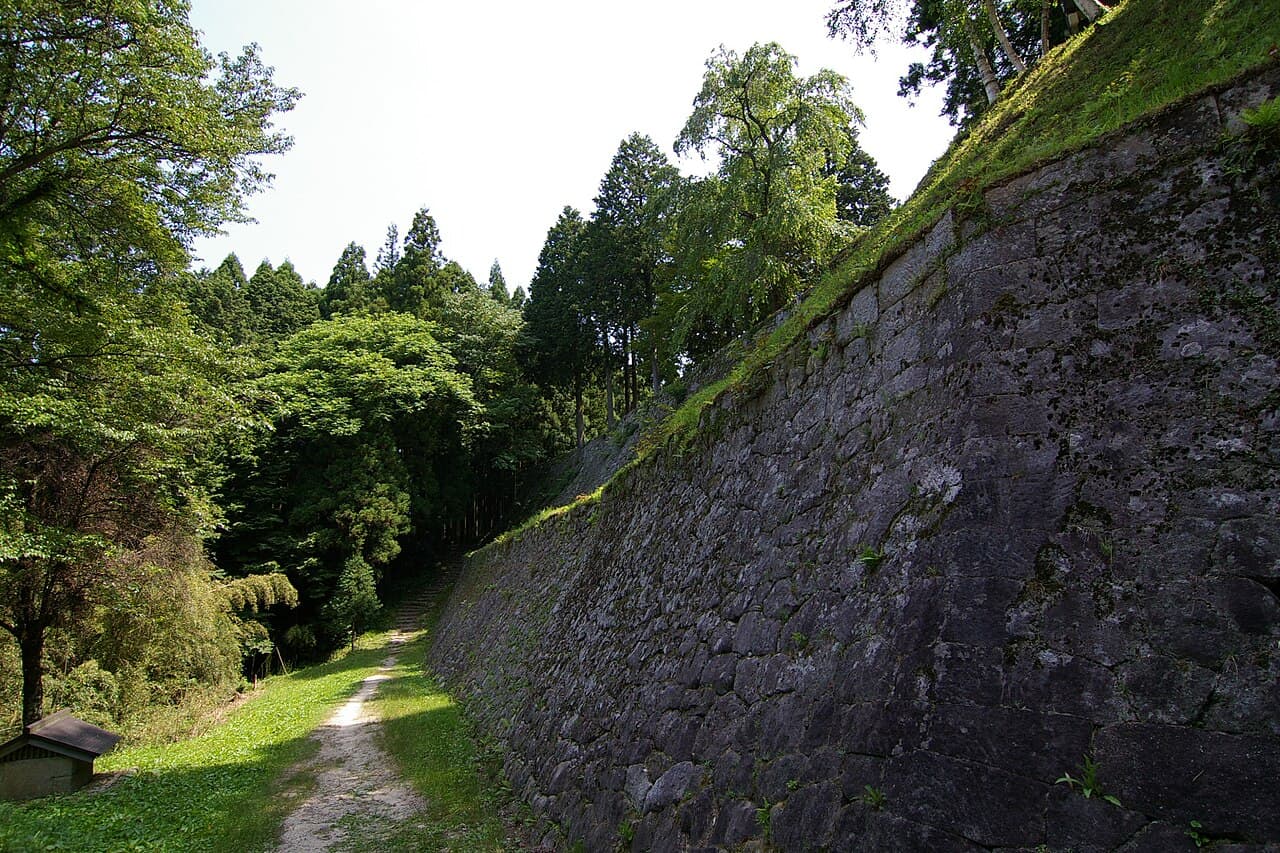
After regaining control, Kawajiri Hidetaka, appointed by Nobunaga, undertook significant reconstruction, shaping the castle into a more modern fortress. The castle's design incorporated extensive stone walls and defensive gates, enhancing its resilience and reflecting the evolving military architecture of the late Sengoku period.
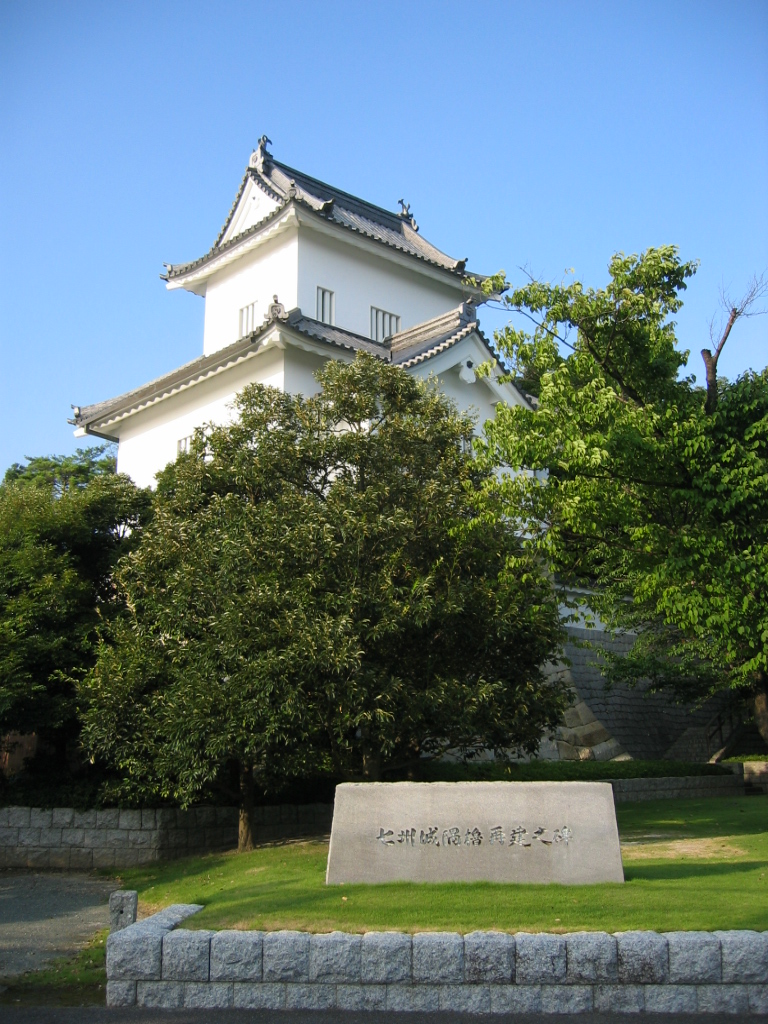
Throughout the Edo period, Iwamura Castle changed hands among various lords, maintaining its status as a regional power center. However, following the Meiji Restoration, the castle was dismantled in 1873 under the government's policy to abolish feudal fortifications, leading to the loss of many original structures.
Present condition and cultural significance
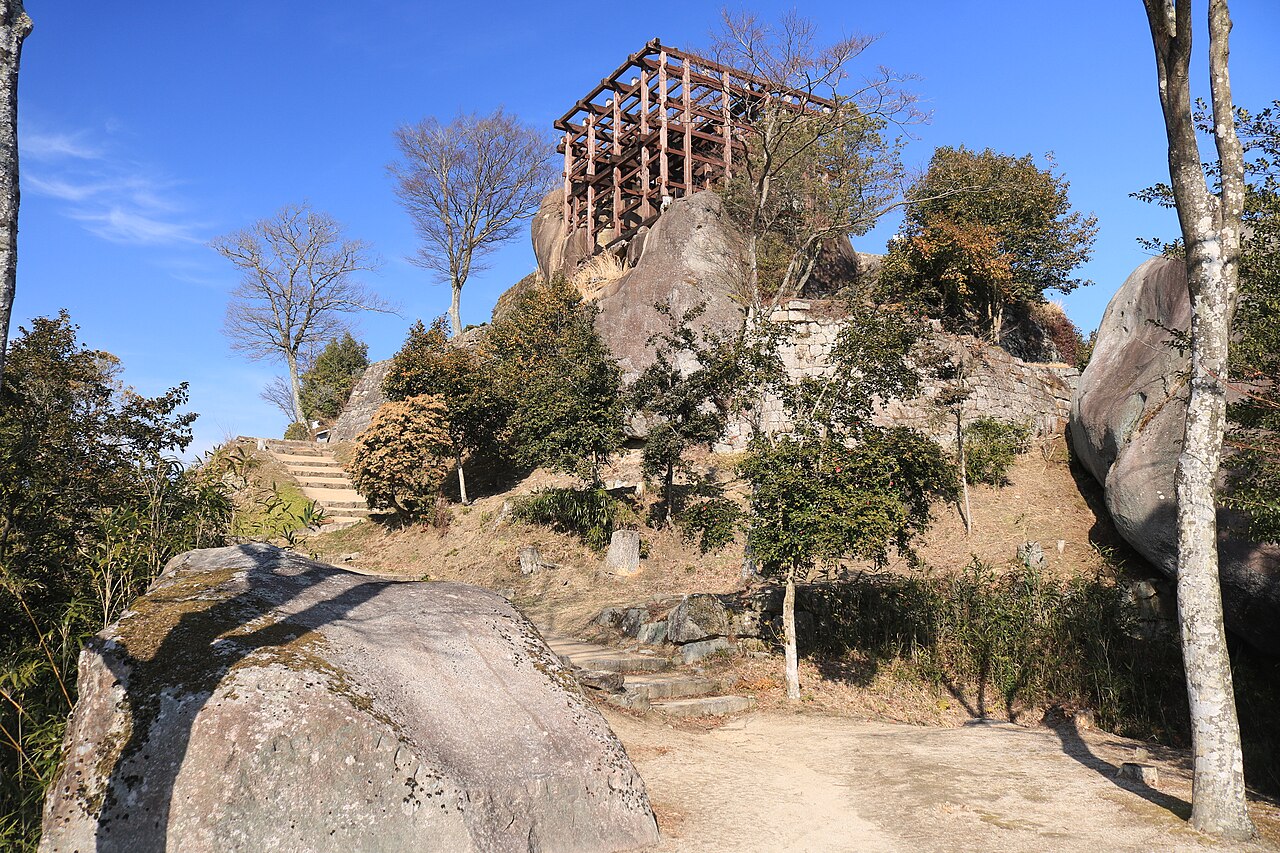
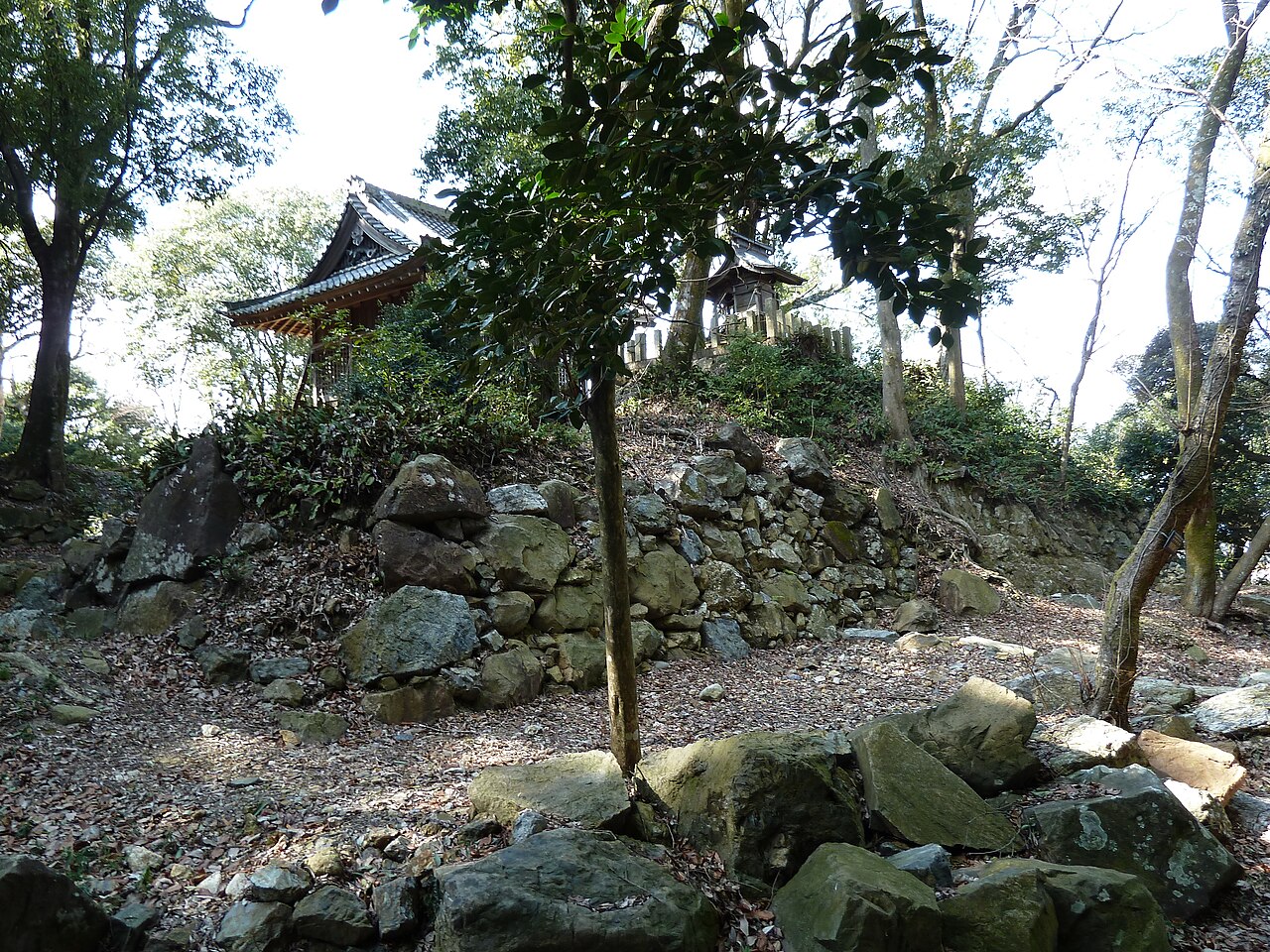
Today, Iwamura Castle is recognized as one of Japan's three best mountaintop castles and is included among the Top 100 Japanese Castles. While only partially preserved, the site boasts impressive remains of stone walls and former gates lining the mountain path. Visitors can explore these ruins alongside interpretive signage that provides historical context and architectural insights.
The castle's accessibility surpasses that of other famous mountain castles like Matsuyama or Takatori, making it a favored destination for history enthusiasts and hikers. Although the surrounding castle town retains some old shops, the scarcity of preserved samurai residences is notable.
Visitor experience and recommendations
For those interested in exploring Iwamura Castle, early arrival is recommended to enjoy unobstructed views and photography opportunities before the influx of tourists and the opening of local shops. The well-marked trails and informative graphics enhance the experience, making it both educational and enjoyable.
The castle's blend of natural beauty, historical depth, and architectural remnants offers a compelling glimpse into Japan's feudal past and the strategic importance of mountain fortresses in Japanese military history.
Frequently asked questions (FAQ)
- How do I get to Iwamura Castle?
- Iwamura Castle is located in Ena, Gifu Prefecture, and is accessible by car or local bus services. The castle is situated on a mountain, so visitors should be prepared for a moderate hike to reach the ruins.
- What is the best time to visit Iwamura Castle?
- The best time to visit Iwamura Castle is early in the morning to avoid crowds and enjoy clear views of the castle ruins and surrounding landscapes. Spring and autumn offer pleasant weather and beautiful natural scenery.
- Is Iwamura Castle suitable for families and casual visitors?
- Yes, Iwamura Castle is suitable for families and casual visitors. The hiking trails are well-marked, and the site includes informative signs that make exploring educational and enjoyable for all ages.
- Are there guided tours available at Iwamura Castle?
- While there are no official guided tours regularly offered, the castle grounds feature numerous signs with detailed historical and architectural explanations. Visitors can also find local guides in the nearby town who provide tours upon request.
- What makes Iwamura Castle historically significant?
- Iwamura Castle is historically significant due to its strategic role during the Sengoku Period, its association with prominent figures like Oda Nobunaga and Takeda Shingen, and its status as one of Japan's three best mountaintop castles.
Photo gallery

Photo by takami torao (Koiroha (talk) 00:32, 28 June 2009 (UTC))•Public domain
Information
Opening hours
The Iwamura History Museum is open 9am-5pm, but closes at 4pm from Dec-Mar. Closed Monday's except holidays, closed the day after holidays, and Dec 28-Jan 4. 300 yen.
Website
Visit websiteSources & official resources
Verify the information above using these authoritative references.
Loading map...
Visitor reviews
No reviews yet. Been here? Write the first review and help other travelers!
Write the first reviewVisited this castle? Share your experience
Your review helps other travelers and adds first-hand knowledge to our encyclopedia.