Iwakuni Castle
Iwakuni Castle, located in Iwakuni city within Yamaguchi Prefecture, Japan, is a remarkable example of a hill castle originally constructed in the early 17th century. Built in 1608 by the feudal lord Kikkawa Hiroie, the castle was strategically perched atop a mountain overlooking the Nishiki River, providing commanding views of the surrounding valley and serving as a symbol of power and defense for the Kikkawa clan during the turbulent early Edo period.
The castle's initial construction coincided with the final years of the Azuchi-Momoyama period transitioning into the early Edo period, a time when Japan was consolidating under the Tokugawa shogunate. Despite its impressive design and strategic location, Iwakuni Castle had a short original lifespan. In 1615, just seven years after its completion, it was dismantled in compliance with the Tokugawa government's strict "one castle per province" policy, which aimed to reduce the military power of regional lords and maintain centralized control.
Architecture and layout
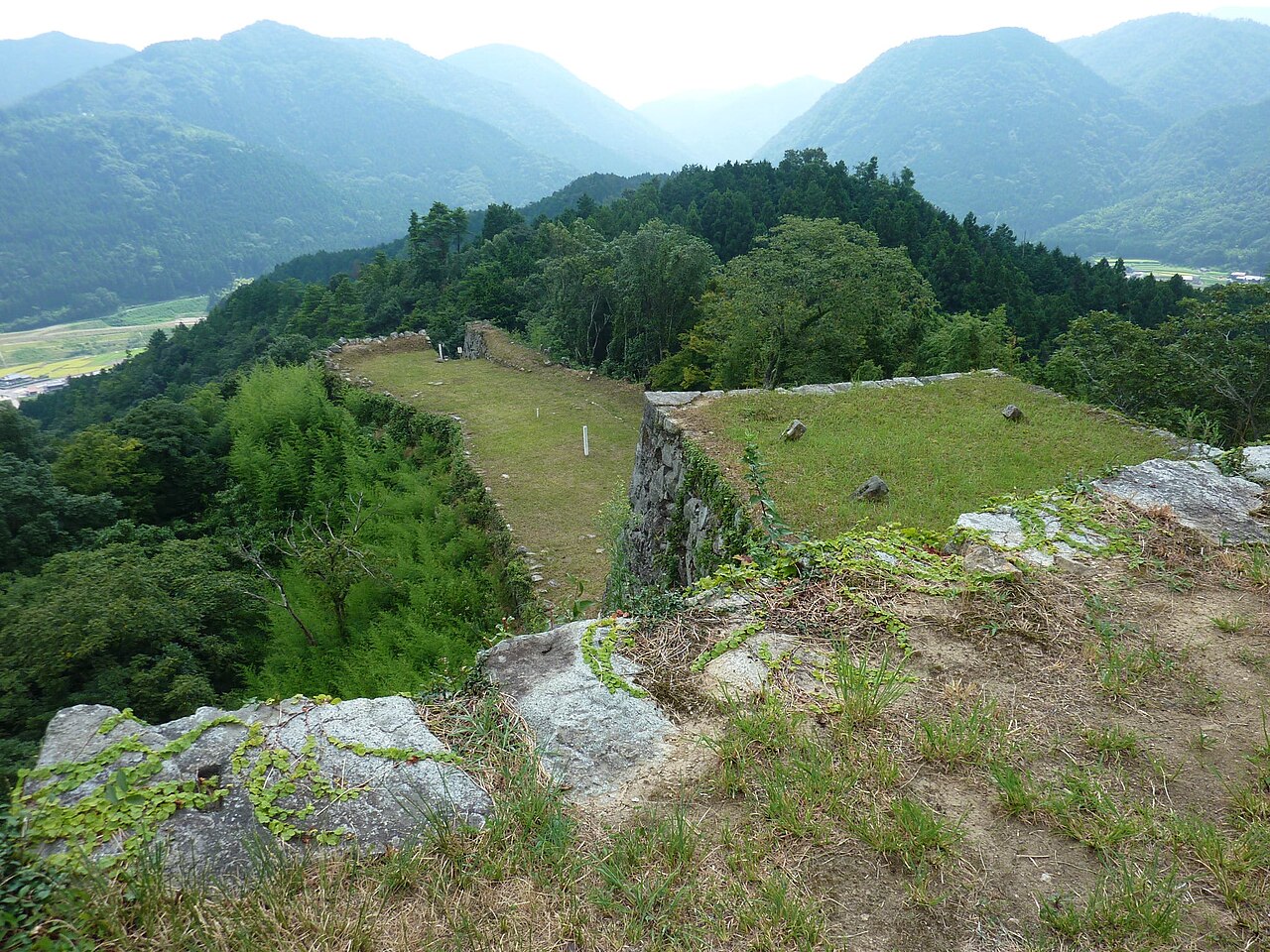
The original Iwakuni Castle was a classic example of a hill castle or yamajiro, constructed on elevated terrain to maximize natural defenses. It featured typical elements of Japanese castle architecture of the period, including stone walls (ishigaki), moats, and a main keep (tenshu) that served both as a lookout and a last line of defense. The castle's stonework remains a significant feature, with extensive stone walls visible atop the mountain, showcasing the craftsmanship and engineering skills of the early Edo period builders.
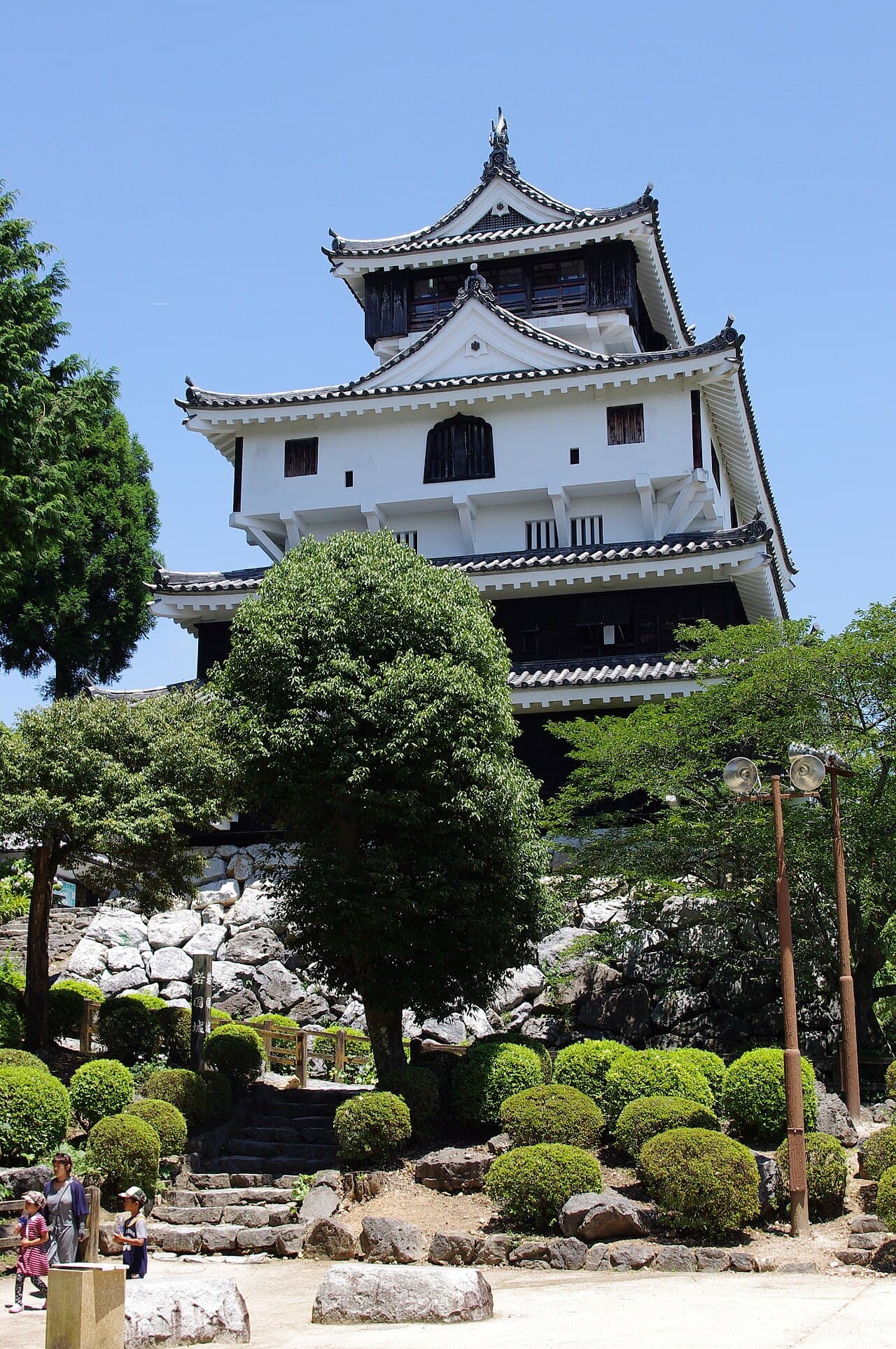
The castle's main keep was originally situated slightly further back from the mountain's edge, but the modern reconstruction was deliberately relocated closer to the front edge to enhance visibility from the valley below and to offer visitors panoramic views of the surrounding landscape, including the famous Kintai Bridge spanning the Nishiki River.
Reconstruction and preservation
The current castle structure is a partial reconstruction completed in the 20th century. While not an exact replica of the original, the rebuilt main keep faithfully reflects the architectural style and spirit of the original 1608 design. This reconstruction serves primarily as a historical monument and tourist attraction rather than a functional fortress.
Visitors can explore the castle grounds, which include preserved sections of the original stone walls and foundations. The castle's elevated position offers stunning views over the valley and the Kintai Bridge, one of Japan's most iconic wooden arch bridges. The bridge itself is a short walk from the castle and is often visited in conjunction with the castle for a comprehensive cultural experience.
Historical context and significance
Kikkawa Hiroie, the castle's builder, was a prominent daimyo who played a significant role during the early Edo period. His decision to build Iwakuni Castle was part of a broader trend among regional lords to establish fortified residences that demonstrated their status and secured their domains.
The forced dismantling of the castle in 1615 was a direct result of the Tokugawa shogunate's policies designed to prevent rebellion and consolidate power. This policy mandated that many castles across Japan be destroyed or reduced, leaving only one per domain. Iwakuni Castle's dismantling reflects the shifting political landscape of Japan as it moved towards a prolonged period of peace and stability under Tokugawa rule.
The nagayamon gate and samurai heritage
Near the base of the mountain, close to the famous Kintai Bridge, stands the Nagayamon Gate of the Kagawa Residence, an original samurai home gate. This gate is a designated prefectural historical building and offers visitors a tangible connection to the samurai culture that once dominated the region. The gate's robust wooden construction and traditional design complement the castle's historical narrative and provide insight into the lifestyle of the samurai class during the Edo period.
Visiting iwakuni castle today
Iwakuni Castle is accessible as a popular day trip destination from nearby Hiroshima or as part of a combined visit with the nearby island of Miyajima. Visitors can reach the castle via a ropeway that ascends the mountain, making the climb easier and allowing for spectacular views along the way.
The castle grounds are open to the public, offering a blend of historical exploration and scenic enjoyment. The reconstructed main keep houses exhibits related to the castle's history, local culture, and samurai heritage. The surrounding area provides ample opportunities for photography, especially of the Kintai Bridge and the Nishiki River valley.
While the castle itself is a partial restoration, it remains an important cultural landmark that preserves the legacy of Kikkawa Hiroie and the feudal history of the region. Visitors are encouraged to explore both the castle and the nearby historical sites to gain a fuller understanding of Iwakuni's rich heritage.
Frequently asked questions (FAQ)
- How do I get to Iwakuni Castle from Hiroshima?
- Iwakuni Castle is accessible by train and bus from Hiroshima, followed by a short ropeway ride up the mountain. The total journey takes about 1.5 to 2 hours.
- What is the best time of year to visit Iwakuni Castle?
- The best time to visit Iwakuni Castle is during spring when cherry blossoms bloom or autumn when the foliage offers vibrant colors, enhancing the scenic views from the castle.
- Is Iwakuni Castle the original structure?
- No, the current main keep is a 20th-century reconstruction built slightly closer to the mountain's edge for better visibility. The original castle was dismantled in 1615.
- Can I visit the Nagayamon Gate near the castle?
- Yes, the Nagayamon Gate of the Kagawa Residence near the Kintai Bridge is an original samurai gate and a designated historical building open to visitors.
- Are there guided tours available at Iwakuni Castle?
- Guided tours are occasionally available, especially during peak tourist seasons, providing detailed historical and architectural insights.
Photo gallery

Information
Opening hours
9:00-16:45 , 1140 yen including ropeway
Current owner
Municipality
Website
Visit websiteSources & official resources
Verify the information above using these authoritative references.
Loading map...
Visitor reviews
No reviews yet. Been here? Write the first review and help other travelers!
Write the first reviewVisited this castle? Share your experience
Your review helps other travelers and adds first-hand knowledge to our encyclopedia.