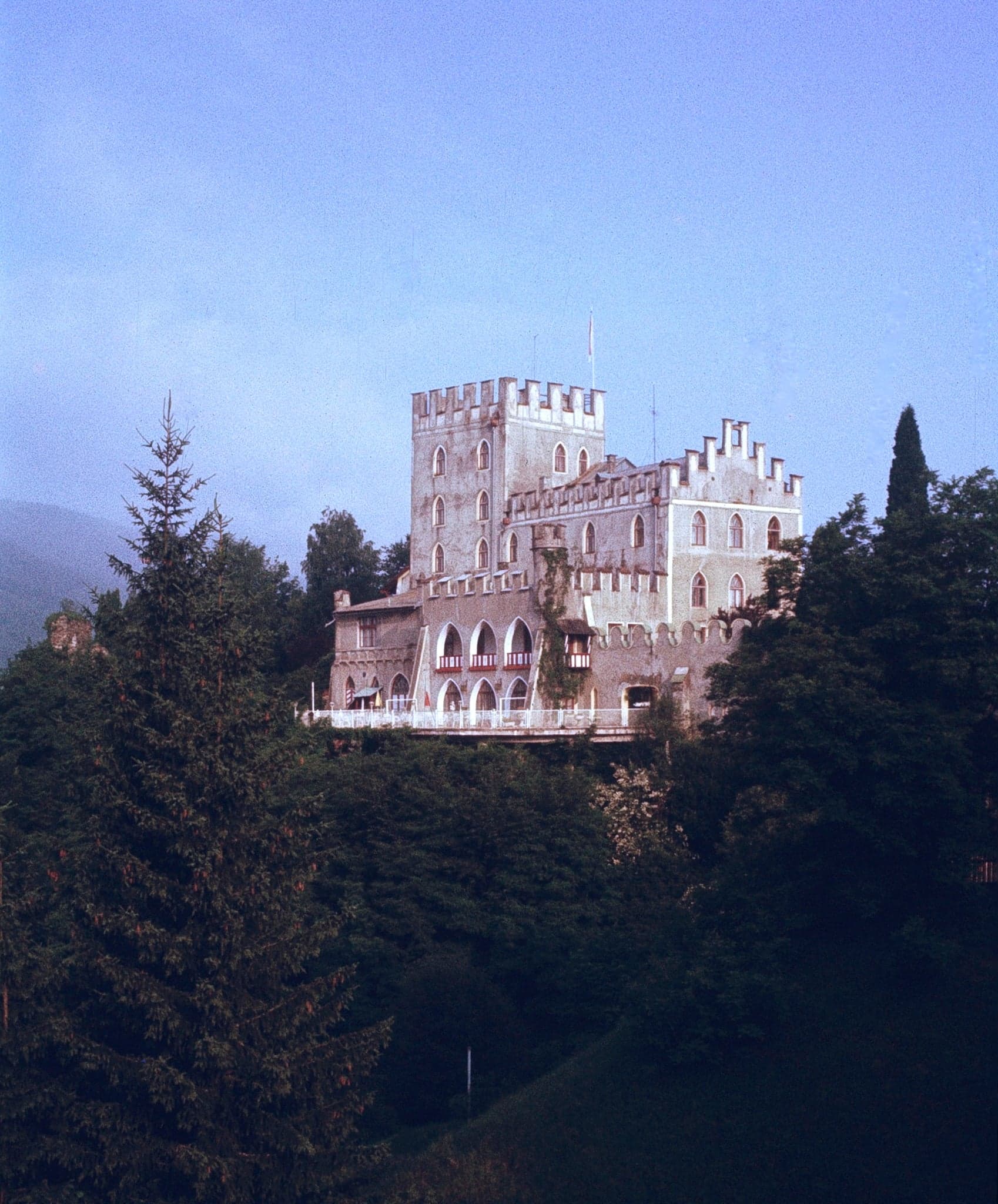
Itter Castle stands prominently in the village of Itter in the Austrian region of Tirol. This 19th-century hill castle is renowned not only for its architectural charm but also for its remarkable role during World War II as a prison for high-profile French detainees. The castle's history spans centuries, with origins tracing back to medieval fortifications and a series of transformations reflecting the complex political and cultural shifts in the region.
Medieval origins and early history
The site of Itter Castle was first documented in 1241, although earlier structures may have existed as far back as the 10th century. Initially, the surrounding Brixental valley belonged to the Prince-Bishops of Regensburg. The castle functioned as an administrative center under the Counts of Ortenburg, who acted as Vogt bailiffs overseeing the bishop's interests. Its strategic position served to protect Regensburg's estates from incursions by the neighboring Archbishops of Salzburg.
In 1312, the Brixental was acquired by Salzburg, and by 1380, the Prince-Bishops of Regensburg sold Itter Castle to Archbishop Pilgrim II of Salzburg. The castle endured significant damage during the German Peasants' War of 1526, reflecting the widespread social upheaval of the period. By the 17th century, the administrative seat moved to Hopfgarten, leading to the castle's decline and eventual use as a quarry post-1805.
19th-century reconstruction and cultural significance
The present-day castle was constructed beginning in 1878 on the foundations of the medieval fortress. This reconstruction embraced the Tudor Revival architectural style, a popular historicist movement that sought to evoke the romanticism of late medieval English architecture. The castle's elegant design features characteristic elements such as steeply pitched roofs, ornate chimneys, and decorative half-timbering.
In 1884, Itter Castle was purchased by Sophie Menter, a celebrated pianist and composer who studied under Franz Liszt. The castle became a cultural hub, hosting illustrious guests including Liszt himself and the young Arthur Rubinstein. Notably, the renowned composer Pyotr Ilyich Tchaikovsky orchestrated one of his compositions during a visit in 1892. These connections highlight the castle's role as a center of artistic creativity in the late 19th century.
After Menter sold the castle in 1902, it underwent further remodeling to enhance its Tudor Revival character, reflecting the tastes of subsequent private owners.
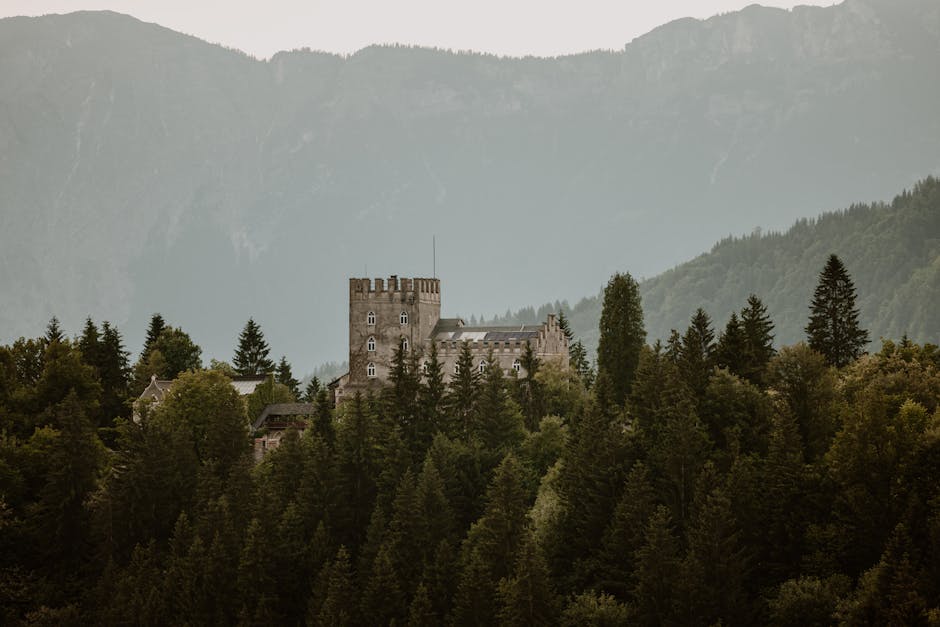
Photo by Josh Withers
Wartime role and the battle for itter castle
During World War II, beginning in 1943, Itter Castle was repurposed as a prison for prominent French prisoners deemed valuable by the Nazi regime. Functioning as a subcamp of the Dachau concentration camp, it held notable figures including former French prime ministers and generals. The castle's remote location and fortified structure made it a secure detention site.
The castle is most famous for the extraordinary Battle for Castle Itter in May 1945, one of the war's strangest engagements. In this unique confrontation, the U.S. Army, elements of the German Wehrmacht, the Austrian Resistance, and the imprisoned French VIPs banded together to defend the castle against an assault by the Waffen SS. This rare alliance underscored the chaotic final days of the war in Europe and highlighted the castle's strategic and symbolic importance.
Post-war period and modern status
Following the war, Itter Castle fell into disrepair until 1950, when it was acquired by Willi Woldrich and converted into a luxury hotel. Despite its historic allure, the hotel struggled financially and changed ownership multiple times. In 1985, it was sold to a private owner and has since remained in private hands, not open to the public.
The castle today is restored and retains much of its Tudor Revival style charm. Its rich history, from medieval fortress to cultural salon to wartime prison, makes Itter Castle a unique testament to the layered history of Tirol and Austria.
Architectural features and layout
Itter Castle's architecture reflects its complex history. The castle is built on a hilltop, typical of hill castles designed for defense and surveillance. Its layout includes a central courtyard surrounded by fortified walls, with towers and battlements that echo its medieval origins. The 19th-century reconstruction introduced Tudor Revival elements such as decorative chimneys, gabled roofs, and half-timbered facades, blending historic fortification with romantic architectural flourishes.
Inside, the castle features grand halls and chambers that once hosted prominent cultural figures. The combination of defensive structures and elegant residential spaces illustrates the castle's evolution from a military stronghold to a refined noble residence.
Visiting information and cultural legacy
Although Itter Castle is privately owned and not accessible to the public, its story continues to captivate historians and enthusiasts of castle architecture and World War II history. The castle's role in the Battle for Castle Itter remains a subject of study and commemoration, symbolizing unexpected alliances and the complexities of war.
Its architectural significance as a 19th-century Tudor Revival hill castle in Tirol also contributes to Austria's rich heritage of historic castles, combining medieval foundations with romantic historicism and cultural associations with prominent artists and musicians.
Frequently asked questions (FAQ)
- How do I get to Itter Castle?
- Itter Castle is located in the picturesque village of Itter, Austria. You can reach the castle by car via the B170 highway or by taking public transportation to nearby towns and then using local taxis or shuttles to complete your journey.
- What is the historical significance of Itter Castle?
- Itter Castle has a rich history dating back to the 12th century and is known for its strategic importance during various conflicts in Austria. It is particularly famous for being the site of the only battle fought on German soil during World War II when American and German forces clashed in May 1945.
- When was Itter Castle built?
- Itter Castle was originally constructed in the 12th century, making it one of the oldest fortifications in the Tyrol region. Over the centuries, it has undergone various renovations and restorations, reflecting different architectural styles.
- Can I take guided tours of Itter Castle?
- Yes, guided tours are available at Itter Castle, providing visitors with in-depth knowledge of its history and architecture. These tours are typically offered in multiple languages and can enhance your experience by connecting you with the castle's storied past.
- Why is Itter Castle a popular destination for tourists?
- Itter Castle is popular due to its stunning location, breathtaking views of the surrounding mountains, and its historical significance. Additionally, the castle's unique architectural features and the stories of its past draw history enthusiasts and casual visitors alike.
- Is it possible to host events at Itter Castle?
- Yes, Itter Castle offers facilities for hosting various events, including weddings, corporate gatherings, and private parties. The scenic backdrop and historical charm make it a memorable venue for any occasion.
- What are the opening hours for Itter Castle?
- Itter Castle is typically open to visitors from April to October, with specific opening hours that vary by season. It is advisable to check the official website or contact the castle directly for the most current information on hours of operation.
- What are the ticket prices for visiting Itter Castle?
- Ticket prices for Itter Castle are generally affordable, with discounts available for children, seniors, and groups. It's best to verify the latest prices on the official website or at the castle entrance, as they may vary depending on the season and special events.
- What is the best time to visit Itter Castle?
- The best time to visit Itter Castle is during the spring and fall months when the weather is mild and the surrounding landscape is vibrant. Summer is also popular, but it can be more crowded, so planning your visit during the shoulder seasons can provide a more relaxed experience.
- Are there any nearby attractions to visit while at Itter Castle?
- Yes, there are several nearby attractions, including the scenic ski resorts of the Tyrolean Alps and charming villages like Hopfgarten and Brixen im Thale. Additionally, outdoor activities such as hiking, cycling, and skiing are readily accessible from the castle.
Photo gallery


Information
Sources & official resources
Verify the information above using these authoritative references.
Loading map...
Visitor reviews
No reviews yet. Been here? Write the first review and help other travelers!
Write the first reviewVisited this castle? Share your experience
Your review helps other travelers and adds first-hand knowledge to our encyclopedia.