Ilpenstein
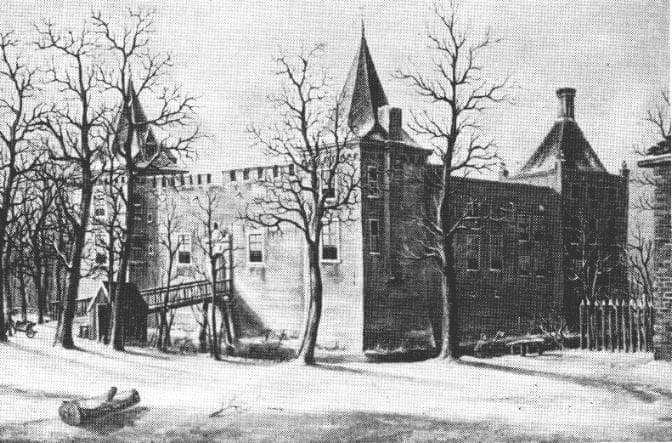
Ilpenstein Castle, also known in Dutch as Huis te Ilpendam or Hof te Ilpendam, was a significant Renaissance period castle situated in the village of Ilpendam within the Waterland region north of Amsterdam, Netherlands. It served as the seat of the Free and High Lordship of Purmerend, Purmerland and Ilpendam, a notable feudal domain in Dutch history. The castle played an important role in the local governance and defense of the area during the 17th century.
Historical context and significance
Constructed in the 17th century, Ilpenstein Castle reflected the architectural and political shifts of the Renaissance era in the Netherlands. This period was marked by the transition from medieval fortresses to more comfortable, stately homes that combined defensive features with residential luxury. Ilpenstein was part of a network of lordship castles that symbolized noble power and jurisdiction over surrounding lands.
The castle was closely linked to the governance of the Free and High Lordship, an administrative unit that held certain autonomous rights under the Dutch Republic. Its lords wielded judicial and economic control, and the castle was a center for managing these affairs.
Architectural features and layout
Although now in ruins, historical records and archaeological studies reveal that Ilpenstein Castle was a water castle typical of the Dutch landscape, surrounded by moats and waterways. The castle's design combined Renaissance architectural elements with traditional defensive structures.
The castle likely featured a main residential building with large windows and decorative gables, reflecting Renaissance aesthetics. Defensive components included thick brick walls, corner towers, and a gatehouse controlling access across the moat. The layout would have included inner courtyards and ancillary buildings such as stables and servant quarters.
Water defenses
Given its location in the low-lying Dutch polder landscape, Ilpenstein was protected by extensive moats and water barriers. These not only served defensive purposes but also integrated the castle into the surrounding waterways, which were vital for transport and communication.
Decline and current state
Over time, Ilpenstein Castle fell into disuse and decay, especially as military technology and political structures evolved. By the modern era, it had largely become a ruin. Today, the site is classified as an archaeological ruin, with remnants of the foundations and moat still visible.
The ruins provide valuable insights into 17th-century Dutch castle construction and feudal lordship life. Archaeological excavations have helped to document the castle's footprint and recover artifacts that shed light on its historical context.
Location and visitor information
Ilpenstein Castle is located in the village of Ilpendam, in the Waterland region of the North Holland province. The site is accessible to visitors interested in Dutch history and castle architecture, though only ruins remain. Interpretive signage and local museums in the region offer additional information about the castle's history and significance.
Visitors should note that the site is primarily an archaeological site without extensive restored structures, providing a glimpse into the past through its preserved foundations and landscape context.
Frequently asked questions (FAQ)
- What is the historical significance of Ilpenstein?
- Ilpenstein is a fascinating example of medieval architecture in the Netherlands, showcasing the region's rich history. Built in the 14th century, this castle played a vital role in local defense and governance, reflecting the feudal system of the time.
- When was Ilpenstein built?
- Ilpenstein was constructed in the 14th century, with its foundation dating back to around 1350. Over the centuries, it has undergone various renovations, preserving its historical charm while adapting to modern times.
- How do I get to Ilpenstein from Amsterdam?
- To reach Ilpenstein from Amsterdam, you can take a train to Purmerend and then a short bus ride to Ilpendam. Alternatively, driving is an option, taking approximately 30 minutes via the A10 and N244.
- What are the opening hours for Ilpenstein?
- Ilpenstein is open to visitors from 10 AM to 5 PM, Tuesday through Sunday. It is advisable to check the castle's official website for any seasonal changes or special closing days.
- Is it possible to take guided tours at Ilpenstein?
- Yes, guided tours are available at Ilpenstein, providing visitors with in-depth knowledge of the castle's history and architecture. These tours can enhance your experience and are often led by knowledgeable guides.
- Can I take photos inside Ilpenstein?
- Photography is allowed in most areas of Ilpenstein, but some restrictions may apply in specific exhibitions or during special events. Be sure to respect any guidelines provided by the staff during your visit.
- What are the ticket prices for visiting Ilpenstein?
- Ticket prices for Ilpenstein are quite affordable, with adult tickets priced at €8 and discounts available for children and seniors. Group rates are also offered, making it a great outing for families and friends.
- When is the best time to visit Ilpenstein?
- The best time to visit Ilpenstein is during the spring and early autumn months when the weather is mild and the surrounding gardens are in full bloom. This allows for a more enjoyable experience both inside and outside the castle grounds.
- Are there any nearby attractions to visit when at Ilpenstein?
- Yes, nearby attractions include the charming village of Ilpendam, with its picturesque streets, and the beautiful nature reserves in the surrounding area. Visitors may also enjoy exploring local museums and parks that offer a glimpse into Dutch culture and history.
Photo gallery

Photo by unbekend•Public domain
Information
Loading map...
Visitor reviews
No reviews yet. Been here? Write the first review and help other travelers!
Write the first reviewVisited this castle? Share your experience
Your review helps other travelers and adds first-hand knowledge to our encyclopedia.