Historical significance and origins
The castle dates back to the High Medieval period, a time when fortifications were crucial for regional defense and control. Castles like this were often constructed between the 11th and 13th centuries, serving as military strongholds, noble residences, and administrative centers. The Hungarian Choral Castle played a role in local power dynamics, reflecting the feudal system and the need for protection against invasions and raids common during the medieval era.
Architectural features and style
As a hill castle, the structure is strategically positioned on elevated ground to provide commanding views of the surrounding landscape. This location allowed defenders to spot approaching enemies from a distance and made direct assaults more difficult. The castle's architecture likely incorporates Romanesque and Gothic elements, common styles in Hungarian medieval castles, characterized by thick stone walls, narrow slit windows for archers, and robust towers.
Defensive structures
The castle's fortifications would traditionally include curtain walls surrounding the inner courtyard, battlements for archers, and possibly a keep or donjon serving as the last line of defense. Moats or ditches might have been part of the defensive system, although specific details for this castle are not documented. Gatehouses with portcullises and drawbridges were typical features to control access.
Residential and functional spaces
Inside the castle walls, there would be a variety of chambers and halls for living quarters, storage, and administrative functions. Chapels or small churches were often part of such castles, reflecting the importance of religion in medieval life. The name "Choral" may indicate a connection to religious or musical functions, suggesting the presence of a chapel with a choir or a religious community associated with the castle.
Current condition and cultural importance
The Hungarian Choral Castle today may exist as ruins or a partially preserved site, typical of many medieval castles in Hungary that have suffered from centuries of conflict and neglect. Preservation efforts, if any, focus on stabilizing the remaining structures and promoting the castle as a cultural heritage site. It stands as a testament to Hungary's medieval history and architectural traditions.
Visiting and accessibility
While specific visitor information is not available, hill castles in Hungary are often accessible to tourists interested in history and architecture. Visitors can explore the castle grounds, enjoy panoramic views, and learn about medieval fortifications through onsite information or guided tours if provided. The castle's location on a hill makes it a rewarding destination for hiking and sightseeing.
Frequently asked questions (FAQ)
- How do I get to Hungarian Choral Castle?
- Hungarian Choral Castle is accessible by car and public transportation. If you're traveling by train, the nearest station is a short bus ride away. There are also local taxis available for convenience.
- What is the historical significance of Hungarian Choral Castle?
- Hungarian Choral Castle dates back to the 14th century and has played a crucial role in Hungary's medieval history. It served as a strategic stronghold and a royal residence during various dynasties. Today, it stands as a testament to Hungary's rich cultural heritage.
- When was Hungarian Choral Castle last renovated?
- The most recent significant renovation of Hungarian Choral Castle was completed in 2010. This restoration aimed to preserve its historical architecture while enhancing visitor experience. Ongoing maintenance ensures that the castle remains in good condition for future generations.
- Can I take guided tours of the castle?
- Yes, guided tours are available at Hungarian Choral Castle, providing an in-depth look at its history and architecture. Tours are offered in multiple languages and typically last around an hour. Audio guides are also available for those who prefer a self-guided experience.
- Why is Hungarian Choral Castle famous for its architecture?
- Hungarian Choral Castle is renowned for its unique blend of Gothic and Renaissance architectural styles. The intricate stone carvings and grand towers showcase the artistry of the period. Its stunning panoramic views also add to its architectural allure.
- Is it possible to visit the castle during the winter months?
- Yes, Hungarian Choral Castle is open to visitors year-round, including winter months. However, some areas may be limited during inclement weather. It's advisable to check for specific opening hours and any seasonal events before planning your visit.
- What are the opening hours for Hungarian Choral Castle?
- Hungarian Choral Castle is typically open from 9 AM to 5 PM daily, with extended hours during the summer months. It's best to verify the hours on the official website before your visit, as they may vary on holidays. Planning ahead ensures you have ample time to explore.
- Are there any nearby attractions to visit?
- Yes, there are several attractions near Hungarian Choral Castle, including local museums and beautiful parks. The charming village nearby offers a taste of Hungarian culture, with shops and restaurants to enjoy. These nearby sites make for a perfect day trip to enhance your visit.
- What are the ticket prices for entering the castle?
- Ticket prices for Hungarian Choral Castle vary depending on age and group size. Generally, adults pay a nominal fee, while children and students receive discounts. Special family packages are also available to make it more affordable for visitors.
Photo gallery

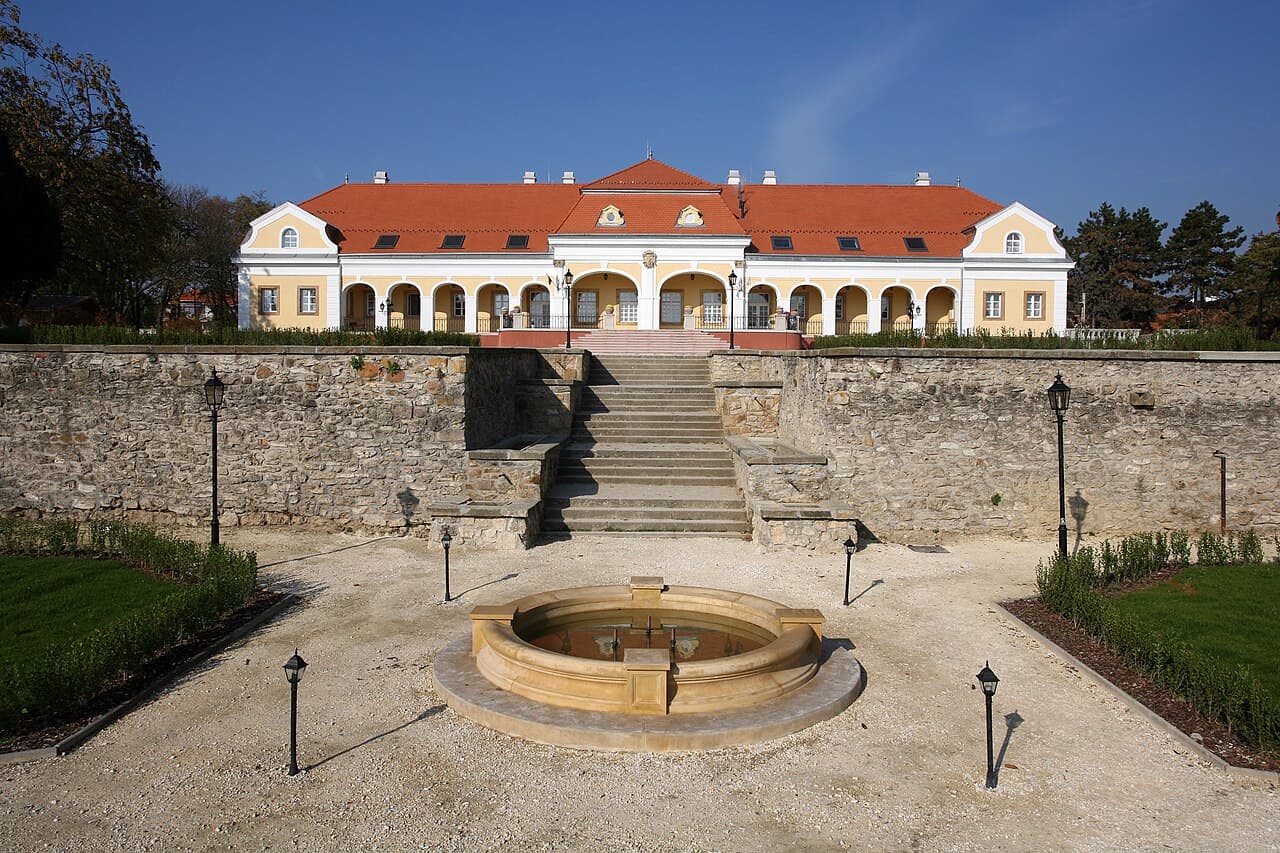
Photo by Magyar Kóruskastély•Public domain
Information
Loading map...
Visitor reviews
No reviews yet. Been here? Write the first review and help other travelers!
Write the first reviewVisited this castle? Share your experience
Your review helps other travelers and adds first-hand knowledge to our encyclopedia.