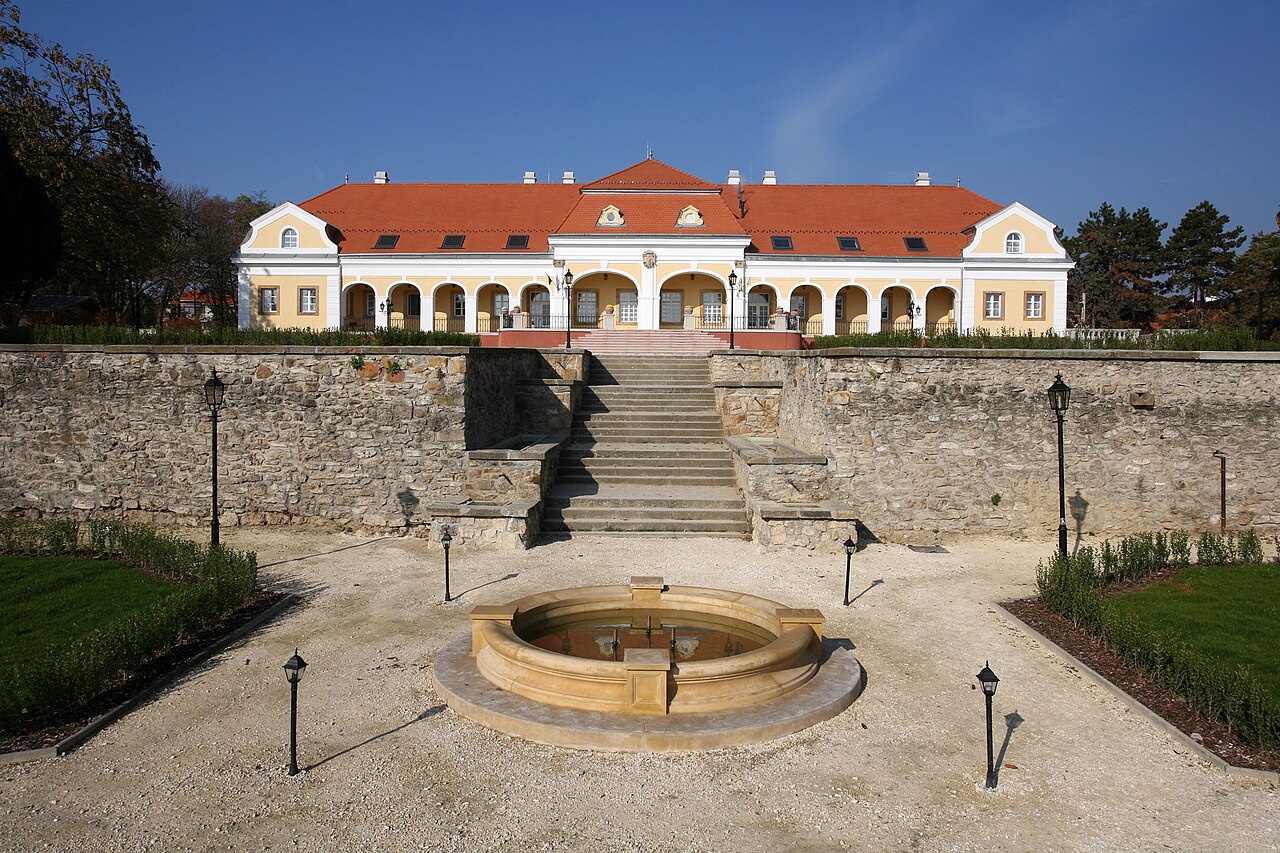
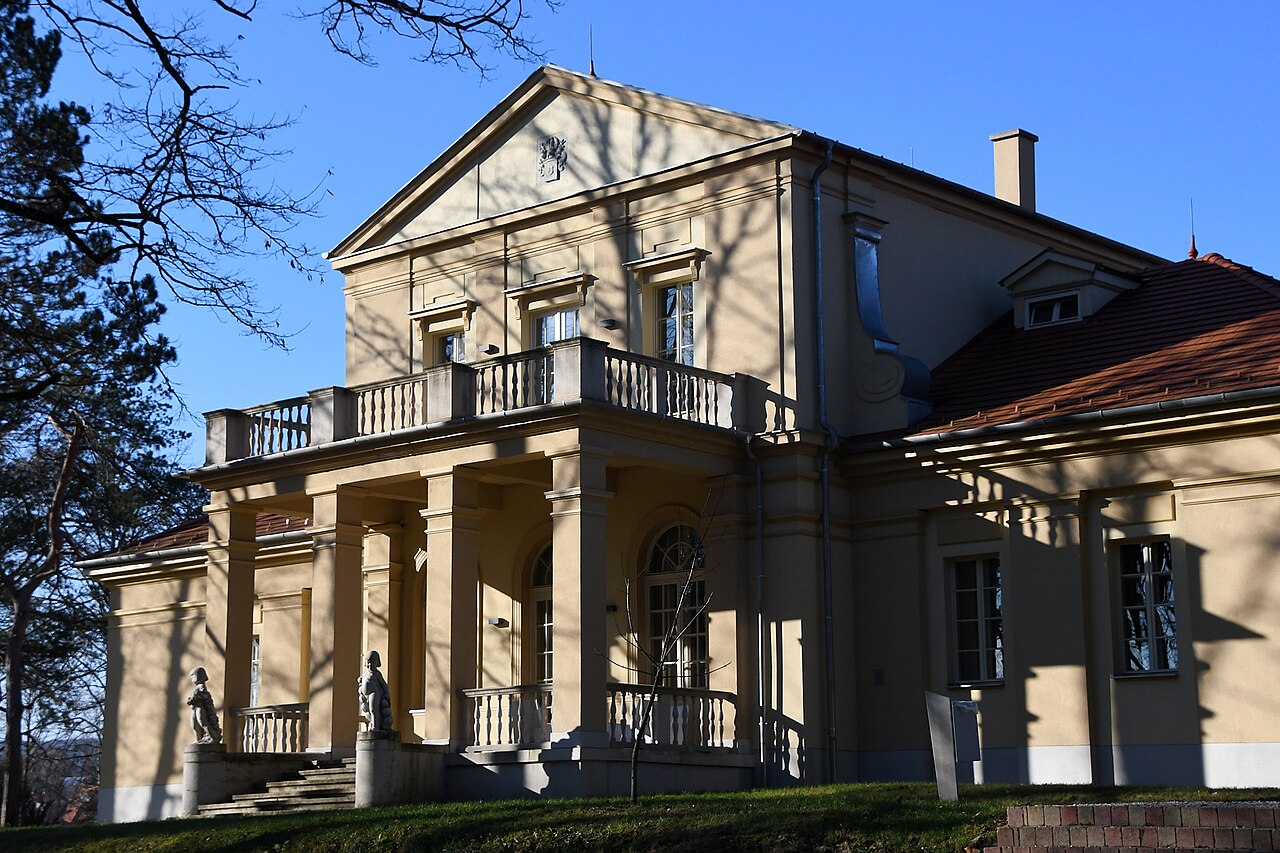
Eger Castle Replica Ruins

Eger castle replica ruins in pilisborosjenő, hungary
Pilisborosjenő, Hungary
Late Medieval (14th–15th c.)
Partially Preserved

Eger Castle Replica Ruins located in Pilisborosjenő, Hungary, serve as a poignant tribute to one of Hungary's most celebrated historical episodes—the heroic defense of Eger against the Ottoman Empire in 1552. Though these ruins are not the original fortress, they represent a faithful reconstruction that honors the legacy of the brave defenders who resisted the Ottoman siege during the 16th century. This site also highlights Hungary's modern role in film production, particularly its use as a backdrop for historical movies such as the 1968 film Stars of Eger (Egri csillagok), which vividly dramatizes the siege and the valor of Hungarian soldiers.

Historical significance of eger castle and its replica

The original Eger Castle was a formidable fortress in northern Hungary, playing a crucial role during the High medieval and early modern periods. Its most famous moment came in 1552 when a vastly outnumbered Hungarian garrison successfully defended the castle against the invading Ottoman forces. This defense became a symbol of national pride and resistance against Ottoman expansion in Europe. The castle's eventual fall in 1596 marked a significant moment in Hungarian history, but the 1552 siege remains legendary for its demonstration of courage and tactical ingenuity.

The replica ruins at Pilisborosjenő are not the original castle but were constructed to replicate the appearance and atmosphere of the fortress as it would have stood during the 16th century. This reconstruction allows visitors and filmmakers alike to experience a tangible connection to this pivotal historical event.

Film production and cultural heritage

Budapest and its surrounding areas have become a favored location for international film productions due to their versatile European cityscapes and natural surroundings. The area offers diverse settings that can convincingly represent various European cities, making it a cost-effective alternative for filmmakers. The Hungarian government's incentives, including tax breaks and a skilled local workforce, have further boosted the country's film industry.

The Eger Castle Replica Ruins have been used as a filming location, notably for the 1968 film Stars of Eger, which dramatizes the historic siege. This film is based on the beloved Hungarian novel by Géza Gárdonyi and remains a cultural touchstone that celebrates the nation's resilience and martial spirit. The replica ruins provide an authentic backdrop that enhances the film's historical atmosphere.

Architectural features and site layout

While the replica ruins do not preserve the original castle's full structure, they faithfully recreate key architectural elements typical of a 16th-century Hungarian fortress. These include defensive walls, battlements, and towers designed to withstand siege warfare. The layout reflects the strategic importance of the castle, with features intended to maximize defense against the Ottoman army's artillery and infantry assaults.

The replica site is situated amid the natural landscape of Pilisborosjenő, providing visitors with an immersive experience that combines historical education with scenic beauty. The ruins offer insight into the military architecture of the period, including the use of thick stone walls, narrow windows for archers, and fortified gates.

Visitor experience and educational value

Visitors to the Eger Castle Replica Ruins can explore the remains of the fortress and learn about the historical context of the 1552 siege through interpretive displays and guided tours. The site serves as an educational resource that highlights Hungary's military history and the broader conflicts between European powers and the Ottoman Empire during the Renaissance period.

The replica ruins also play a role in promoting cultural tourism in the Pilisborosjenő region, attracting history enthusiasts, students, and film fans. The combination of natural surroundings and historical reconstruction makes it a unique destination for those interested in Hungary's heritage and the art of castle defense.

Preservation and current status

The Eger Castle Replica Ruins are maintained as a partially preserved site, reflecting both the challenges of reconstructing historical architecture and the commitment to preserving Hungary's cultural memory. The ruins are accessible to the public, offering a tangible link to the past and a venue for commemorating the courage of the defenders of Eger.

Though not the original fortress, the replica serves as a valuable educational and cultural asset, ensuring that the story of Eger's defense remains alive for future generations.

Frequently asked questions (FAQ)

What is the historical significance of Eger Castle Replica Ruins?
The ruins commemorate the heroic 1552 defense of Eger Castle against the Ottoman Empire, symbolizing Hungarian resistance and bravery.
Can I visit the Eger Castle Replica Ruins year-round?
Visiting hours may vary, so it is advisable to check locally before planning your trip. The site is generally open to the public for exploration.
Is the replica an exact reconstruction of the original Eger Castle?
The replica ruins are a faithful representation of the original fortress's 16th-century appearance but do not preserve all original structures.
How has the site been used in film production?
The ruins have served as a filming location for the 1968 film Stars of Eger, which depicts the historic siege and celebrates Hungarian heritage.
Where is the Eger Castle Replica Ruins located?
They are located in Pilisborosjenő, Central Hungary, offering visitors a scenic and educational experience near Budapest.

Information

Archaeological Site / Ruins

Loading map...

Visitor reviews

No reviews yet. Been here? Write the first review and help other travelers!

Write the first review

Visited this castle? Share your experience

Your review helps other travelers and adds first-hand knowledge to our encyclopedia.

Write a review

(5/5)

0/2000 characters

Your review will be visible after admin approval

Nearby castles

3.3 km

Castle of Solymár

Solymár, Hungary

The Castle of Solymár stands prominently on Mátyás Hill near the village of Solymár in Hungary, offering a fascinating glimpse into medieval fortification architecture and Hungarian noble history. Constructed in the mid-14th century by the influential Lackfi family, this small stone fortress originally served as a country residence close to the royal city of Buda. Its strategic hilltop location provided both natural defenses and proximity to the kingdom's political center, reflecting its dual role as a noble retreat and a defensive stronghold. After acquiring the land around 1355, the Lackfi family established the castle to secure their holdings near the capital. The fortress's ownership changed multiple times over the centuries, reflecting the turbulent political landscape of medieval Hungary. Notably, the castle was confiscated by King Sigismund in 1397 due to the Lackfis' opposition, subsequently granted to his wife, Lady Borbála Cillei, as compensation for her lost southern estates. Throughout the 15th century, the castle passed through the hands of prominent noble families such as the Korbáviai, Rozgonyi, Czudar, and Garai clans. It also came under the control of significant historical figures, including the military leader Governor János Hunyadi and John Corvinus, the illegitimate son of King Matthias. Historical context and significance The Castle of Solymár's history is deeply intertwined with the broader narrative of medieval Hungary, especially during the critical periods of Ottoman expansion. The fortress suffered severe damage following the Battle of Mohács in 1526, a decisive conflict that marked the beginning of Ottoman dominance in the region. Turkish raiders targeted the area, leading to the castle's decline. The final blow came after the Ottoman occupation of Buda in 1541, which resulted in the castle's abandonment. Over subsequent centuries, the ruins deteriorated further, exacerbated by local settlers who removed much of the stonework during the 18th century. Architectural features and layout The castle's remains occupy a small, elongated oval area atop Mátyás Hill, enclosed by thick stone defensive walls that once formed a formidable barrier. These walls surrounded several residential buildings and a central keep tower, which served as the main stronghold within the complex. The keep was likely the tallest structure, providing a vantage point over the surrounding landscape and serving as the last line of defense. Defensive structures The castle's defensive system was enhanced by the natural topography of the hill, which offered steep slopes on several sides. The thick stone walls, combined with the elevated position, made direct assaults difficult. Remnants of the entrance gate survive, showcasing typical medieval fortification elements designed to control access and defend against attackers. Water supply and well Within the courtyard lies a deep well, a critical feature for sustaining the castle's occupants during sieges. Archaeological excavations have revealed the well extends approximately 21 meters below the current surface, with estimates suggesting an original depth close to 30 meters. The well's cylindrical shaft remains visible, emphasizing its importance as a vital water source in medieval fortifications. Archaeological research and restoration efforts Interest in the Castle of Solymár revived in the 20th century, beginning with amateur archaeologist Valkó Arisztid's excavations in the 1930s. Professional archaeological investigations resumed in the 1970s under Feld István and colleagues, with intermittent research continuing into the early 21st century. These studies focused on uncovering the castle's layout, defensive structures, and the well shaft. Between 2005 and 2006, extensive restoration work aimed to stabilize the ruins and reconstruct parts of the castle. A wooden tower was built to approximate the size and form of the original medieval keep, providing visitors with a tangible sense of the castle's vertical scale. The restoration also conserved the entrance gate and sections of the surrounding walls, preserving the medieval footprint for educational and cultural purposes. Cultural landscape and modern usage The castle's location on a steep but modest hill offers natural defensive advantages and situates it within a landscape rich in both natural and cultural heritage. Nearby features include historical chapels, the Jegenye Valley, and the Rózsika Spring, all contributing to the area's historical ambiance. Modern additions include an open-air stage constructed during the early 21st-century renovations, integrating contemporary cultural activities with the preserved medieval ruins. This blending of past and present enhances the site's appeal as a destination for both history enthusiasts and the local community. Debates and interpretations While most archaeologists agree on the identification of the site as a medieval fortress, a minority scholarly opinion suggests the ruins might represent a Pauline monastery. However, this theory remains controversial and is not widely accepted among experts, who emphasize the castle's defensive features and historical records supporting its role as a noble residence and fortification.

High Medieval (11th–13th c.)
Details
5 km
Hungarian Choral Castle — Hungary castle

Hungarian Choral Castle

, Hungary

The Hungarian Choral Castle is a notable hill castle located in Hungary, representing a significant example of medieval fortification architecture in the region. Although the exact city location is not specified, this castle exemplifies the defensive and residential structures typical of Hungarian castles built on elevated terrain to maximize strategic advantage.Historical significance and originsThe castle dates back to the High Medieval period, a time when fortifications were crucial for regional defense and control. Castles like this were often constructed between the 11th and 13th centuries, serving as military strongholds, noble residences, and administrative centers. The Hungarian Choral Castle played a role in local power dynamics, reflecting the feudal system and the need for protection against invasions and raids common during the medieval era.Architectural features and styleAs a hill castle, the structure is strategically positioned on elevated ground to provide commanding views of the surrounding landscape. This location allowed defenders to spot approaching enemies from a distance and made direct assaults more difficult. The castle's architecture likely incorporates Romanesque and Gothic elements, common styles in Hungarian medieval castles, characterized by thick stone walls, narrow slit windows for archers, and robust towers.Defensive structuresThe castle's fortifications would traditionally include curtain walls surrounding the inner courtyard, battlements for archers, and possibly a keep or donjon serving as the last line of defense. Moats or ditches might have been part of the defensive system, although specific details for this castle are not documented. Gatehouses with portcullises and drawbridges were typical features to control access.Residential and functional spacesInside the castle walls, there would be a variety of chambers and halls for living quarters, storage, and administrative functions. Chapels or small churches were often part of such castles, reflecting the importance of religion in medieval life. The name "Choral" may indicate a connection to religious or musical functions, suggesting the presence of a chapel with a choir or a religious community associated with the castle.Current condition and cultural importanceThe Hungarian Choral Castle today may exist as ruins or a partially preserved site, typical of many medieval castles in Hungary that have suffered from centuries of conflict and neglect. Preservation efforts, if any, focus on stabilizing the remaining structures and promoting the castle as a cultural heritage site. It stands as a testament to Hungary's medieval history and architectural traditions.Visiting and accessibilityWhile specific visitor information is not available, hill castles in Hungary are often accessible to tourists interested in history and architecture. Visitors can explore the castle grounds, enjoy panoramic views, and learn about medieval fortifications through onsite information or guided tours if provided. The castle's location on a hill makes it a rewarding destination for hiking and sightseeing.

High Medieval (11th–13th c.)
Details
5.9 km
Klebelsberg Kastély — Hungary castle

Klebelsberg Kastély

, Hungary

Klebelsberg Kastély is a notable historic castle located in Hungary, classified as a hill castle due to its elevated position which provided strategic advantages during its period of use. Although the exact city location within Hungary is not specified, the castle holds significance for its architectural design and historical context within the region. Historical background and significance The origins of Klebelsberg Kastély can be traced back to a period when fortifications were essential for defense and control over surrounding territories. Hill castles like Klebelsberg were typically constructed to oversee important routes and provide protection from invasions. While specific construction dates for Klebelsberg Kastély are not well documented, its classification as a hill castle suggests it was built during a time when elevated fortifications were common, likely within the medieval period. The castle's name is associated with the Klebelsberg family, a notable Hungarian noble lineage, which played a significant role in the region's history. The family's influence extended into cultural and educational reforms in Hungary, and their estate, including the castle, reflects their status and legacy. Architectural features and style Klebelsberg Kastély exhibits architectural characteristics typical of hill castles, including robust defensive walls, towers for surveillance, and a commanding position on elevated terrain. The castle's design would have incorporated features such as battlements, fortified gates, and possibly a keep or donjon serving as the last line of defense. While detailed architectural style information is limited, hill castles in Hungary often blend elements of Gothic and Renaissance styles, reflecting construction phases and renovations over centuries. The castle likely includes stone masonry walls, narrow windows for archers, and interior spaces adapted for both defense and residential use. Defensive structures The elevated location of Klebelsberg Kastély naturally enhances its defensive capabilities. The castle's walls and towers would have been designed to maximize visibility and control over the surrounding landscape. Defensive features such as moats or ditches may also have been present to deter attackers. Residential and ceremonial spaces Beyond its military function, Klebelsberg Kastély would have contained living quarters, halls, and chambers suited for the noble family and their guests. These spaces often featured decorative elements and were adapted over time to reflect changes in architectural tastes and the needs of its inhabitants. Preservation and current condition The current condition of Klebelsberg Kastély is not explicitly documented, but many historic hill castles in Hungary have undergone varying degrees of preservation or restoration. Depending on its state, the castle may be partially preserved or in ruins, with efforts possibly underway to maintain its structural integrity and historical value. As a cultural heritage site, Klebelsberg Kastély may attract visitors interested in medieval architecture, Hungarian history, and noble family legacies. Its hilltop position offers scenic views and a tangible connection to the region's past. Visiting information and accessibility Details regarding public access, visiting hours, and ticket prices for Klebelsberg Kastély are not readily available. Visitors interested in exploring the castle should seek local tourism resources or heritage organizations for the most current information. Importance in Hungarian cultural heritage Klebelsberg Kastély represents an important link to Hungary's medieval and noble history. Castles of this type contribute to understanding the region's defensive strategies, architectural evolution, and social history. The association with the Klebelsberg family adds to its cultural significance, reflecting the intertwined nature of architecture and aristocratic legacy in Hungary.

Details