Huis Bergh
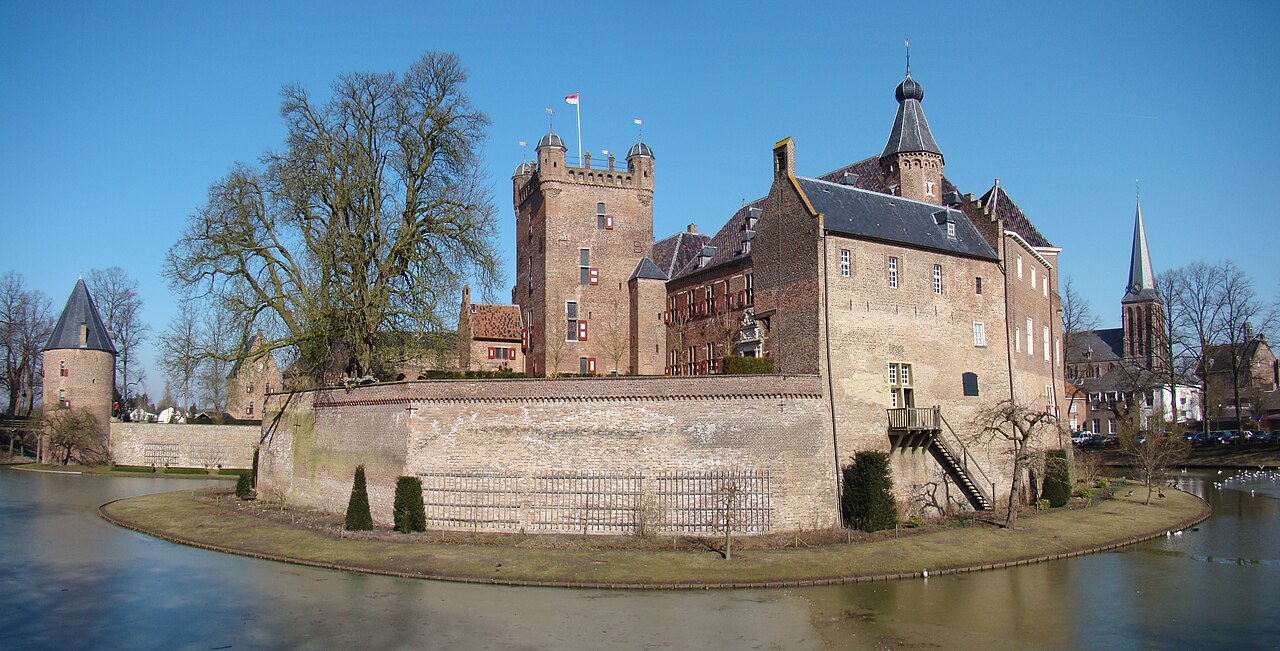
Huis Bergh stands as one of the most significant and largest castles in the Netherlands, located in the historic town of 's-Heerenberg within the province of Gelderland. This imposing water castle is renowned not only for its architectural grandeur but also for its rich historical legacy and exceptional art collection, making it a cultural landmark of national importance.
Constructed originally in the 12th century, Huis Bergh served as the ancestral seat of the counts of Bergh, a noble family who played a pivotal role in the region's medieval history. The castle gave its name to the Land van den Bergh, a territorial domain that was initially organized as a bannerij—a medieval military and administrative district—before being elevated to an imperial county in 1486. This status underscored the castle's strategic and political significance during the High Medieval period.
Historical development and ownership
The history of Huis Bergh is marked by several phases of construction and restoration reflecting the changing needs and fortunes of its owners. The castle experienced significant expansions during the 14th, 15th, and 17th centuries, each adding layers of architectural complexity and fortification. Its strategic location and formidable defenses made it a key stronghold during turbulent periods, including the Dutch Revolt or Eighty Years' War, during which it sustained damage.
A devastating fire in 1735 caused extensive destruction, leading to a meticulous rebuilding process completed by 1746 under the guidance of Gerrit Ravenschot from Zutphen. The restoration employed traditional materials and techniques to preserve the castle's historical character. Later, from 1799 to 1842, Huis Bergh was repurposed as a seminary affiliated with the Dutch Missionary Society, reflecting its adaptive use over centuries.
In the early 20th century, the castle was acquired by industrialist Jan Herman van Heek in 1912, who was dedicated to preserving its heritage. Despite suffering another major fire in 1939, the castle's interiors were largely saved by local efforts. Restoration was swiftly undertaken and completed by 1941. Van Heek established a foundation in 1946 to ensure the castle's ongoing preservation, and it subsequently became the family residence and a repository for their extensive art collection.
Architectural features and layout
Huis Bergh is classified as a water castle, characterized by its extensive moat system that enhances its defensive capabilities and aesthetic appeal. The castle complex incorporates architectural elements spanning from the 13th to the 17th centuries, showcasing a blend of medieval fortification styles and later adaptations.
The castle's layout includes a variety of significant rooms and halls used for exhibition and residence. Notable spaces include the Italian room, the Antoniuszaal, and the throne room, each decorated to reflect the castle's historical and artistic heritage. The stairwell features a gallery of portraits dating back to the 15th and 16th centuries, providing a visual narrative of the castle's noble lineage.
Fortifications and defensive structures
The castle's fortifications include robust curtain walls, battlements, and towers designed to repel attacks. The moat surrounding the castle not only served a defensive role but also contributed to the castle's imposing presence in the landscape. These defensive features were enhanced during the various construction phases, adapting to evolving military technologies and threats.
Art collection and cultural significance
Huis Bergh is distinguished by its remarkable collection of early Italian paintings, medieval manuscripts, sculptures, and historical artifacts. Among its prized possessions is a panel from the Maestà of Duccio, acquired in the 19th century, which represents one of the finest examples of early Italian art in the Netherlands. The collection also includes a portrait of Erasmus by Hans Holbein, medieval handwritings, coins, medals, and intricately carved ivory objects.
The art collection reflects the castle's historical connections to prominent European dynasties such as the Burgundians, Habsburgs, and the Oranges, as well as the counts of Bergh themselves. This extensive assemblage makes Huis Bergh a vital center for the study and appreciation of medieval and Renaissance art in the region.
Gardens, estate, and modern use
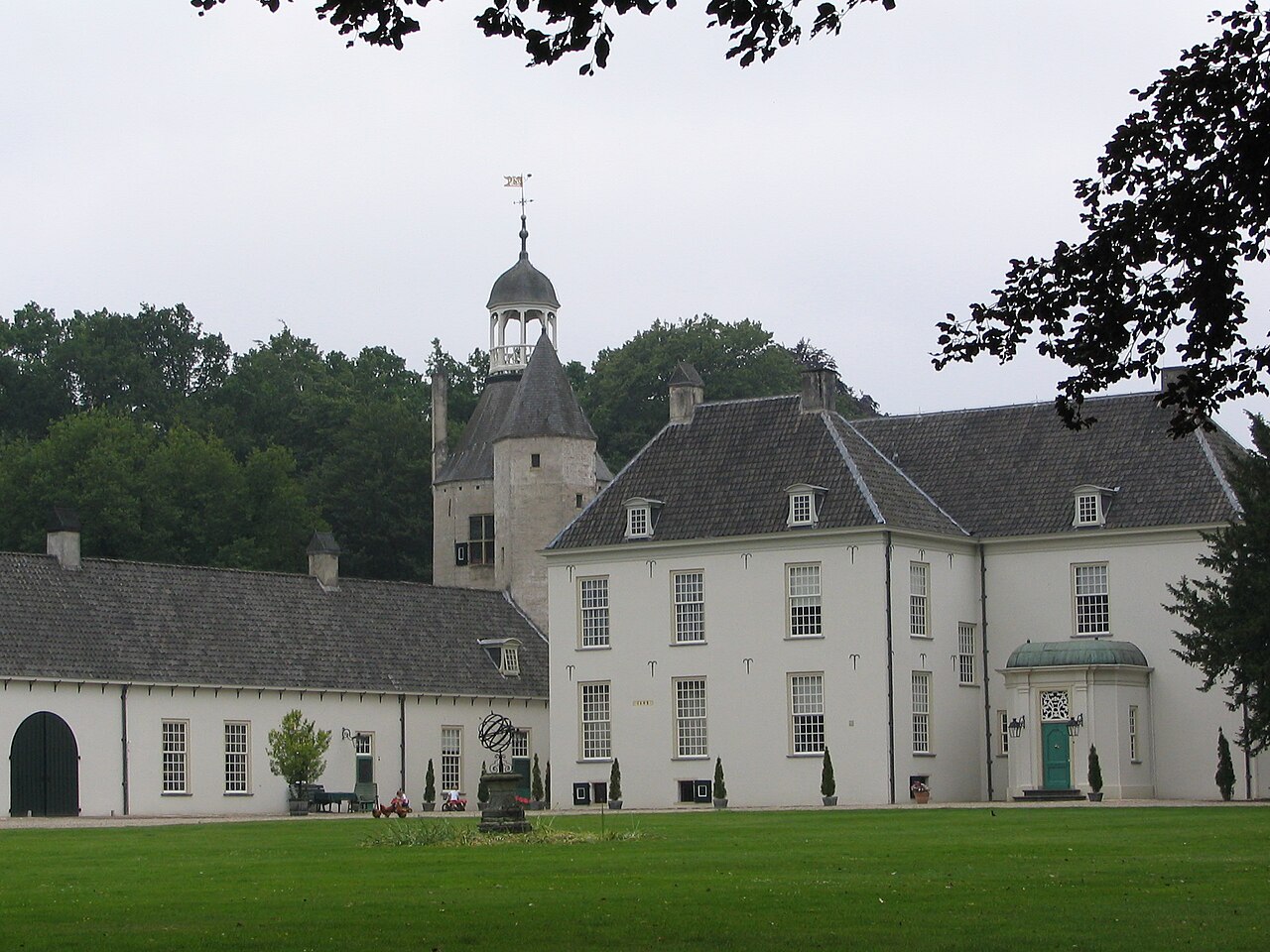
The castle estate includes the nearby small castle Boetselaersborg and the historic park forest known as de Plantage. The castle garden, meticulously restored in 2016 to its 1727 design, is recognized as one of the oldest formal gardens in the Netherlands, featuring period-appropriate landscaping and plantings that complement the castle's historical ambiance.
Since 1965, parts of Huis Bergh have been accessible to the public, with the Italian art room opening in 1988. The castle hosts cultural events such as concerts in the garden and reception hall, enhancing its role as a vibrant heritage site. Since 2018, visitors have had the unique opportunity to stay overnight in the castle’s round and flat towers, offering an immersive historical experience.
Huis Bergh remains a testament to the rich medieval heritage of the Netherlands, combining architectural grandeur, historical depth, and cultural treasures in a well-preserved and actively maintained setting.
Frequently asked questions (FAQ)
- How do I get to Huis Bergh?
- Huis Bergh is located in 's-Heerenberg, Netherlands, and can be easily reached by car or public transportation. If traveling by car, there are parking facilities nearby. For those using public transport, check local train and bus schedules for the best routes to 's-Heerenberg.
- What is the historical significance of Huis Bergh?
- Huis Bergh is one of the largest and most important medieval castles in the Netherlands, dating back to the 13th century. It has served as a residence for noble families and played a crucial role in regional history. Today, it houses a museum showcasing its rich heritage and impressive art collection.
- When was Huis Bergh built?
- Huis Bergh was originally constructed around 1240, making it a significant historical landmark in the region. Over the centuries, it has undergone several renovations and expansions, adapting its architecture to changing styles and needs. This long history adds to the castle's allure as a visitor destination.
- Can I take guided tours of Huis Bergh?
- Yes, guided tours of Huis Bergh are available and provide an in-depth look at the castle's history and architecture. These tours are led by knowledgeable guides who share fascinating stories and insights. It is recommended to check the schedule and book in advance, especially during peak tourist seasons.
- Why is Huis Bergh notable for its architecture?
- Huis Bergh features a unique blend of medieval and Renaissance architectural styles, showcasing its historical evolution. The castle's impressive towers, fortified walls, and beautifully preserved interiors reflect its grandeur and strategic importance. Visitors can explore various rooms, each with distinct historical significance and design.
- Is it possible to host events at Huis Bergh?
- Yes, Huis Bergh offers facilities for hosting various events, including weddings, corporate gatherings, and cultural events. The picturesque setting and historical ambiance make it an ideal location for special occasions. Interested parties should contact the castle administration for availability and event planning details.
- What are the opening hours for Huis Bergh?
- Huis Bergh is typically open to visitors from Tuesday to Sunday, with varying hours depending on the season. It is advisable to check the official website or contact the castle for the most current opening times before planning your visit. Special hours may apply during holidays and events.
- What are the ticket prices for visiting Huis Bergh?
- Ticket prices for Huis Bergh vary depending on age and visitor category, with discounts available for children and seniors. There may also be family packages or group rates. For the latest pricing information, it's best to consult the castle's official website before your visit.
- When is the best time to visit Huis Bergh?
- The best time to visit Huis Bergh is during the spring and summer months when the weather is pleasant, and the gardens are in full bloom. This period also sees a variety of events and activities taking place at the castle. Visiting during weekdays may help you avoid larger crowds, providing a more enjoyable experience.
- Are there any nearby attractions to Huis Bergh?
- Yes, Huis Bergh is located near several notable attractions, including the picturesque town of 's-Heerenberg and the nearby Montferland nature area, which offers beautiful hiking trails. Additionally, visitors can explore other historical sites and museums in the surrounding region. This makes for a well-rounded day trip.
Information
Website
Visit websiteSources & official resources
Verify the information above using these authoritative references.
Loading map...
Visitor reviews
No reviews yet. Been here? Write the first review and help other travelers!
Write the first reviewVisited this castle? Share your experience
Your review helps other travelers and adds first-hand knowledge to our encyclopedia.