Bergh Castle
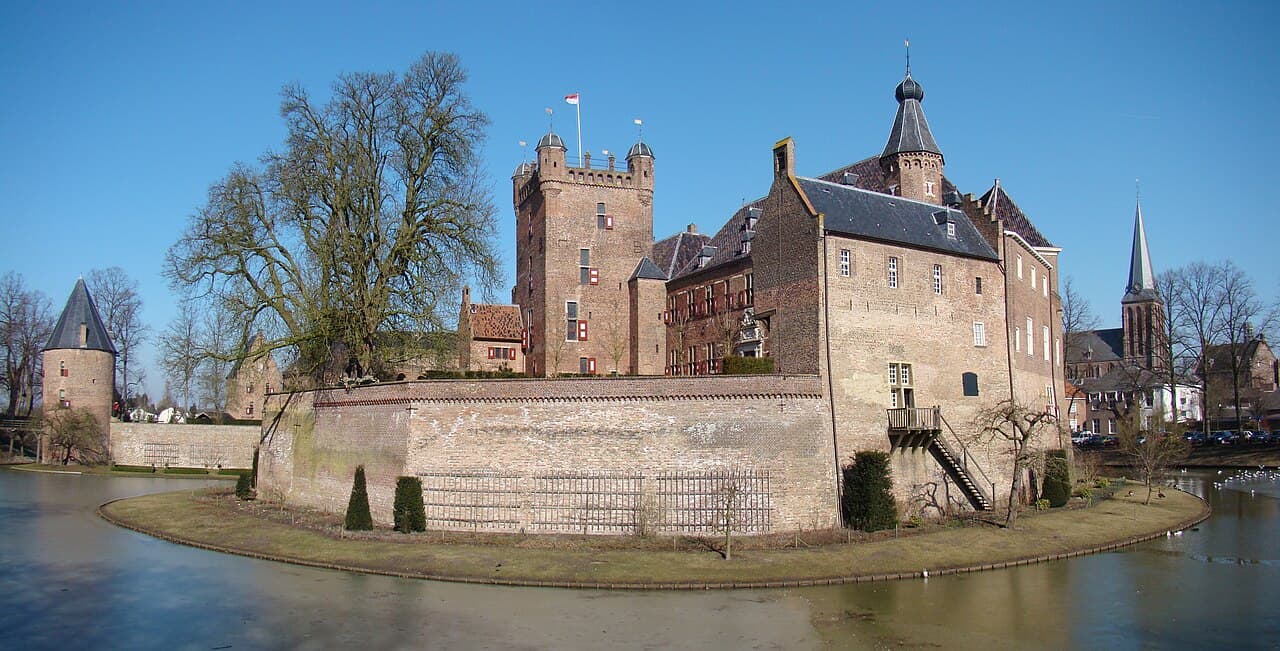
Bergh Castle, known locally as Kasteel Huis Bergh, is a prominent historic fortress located in the town of 's-Heerenbergh, in the province of Gelderland, Netherlands. This castle stands as one of the largest and most significant castles in the country, with a rich history dating back to the 13th century. Its architectural evolution and historical importance reflect the turbulent and culturally rich past of the region.
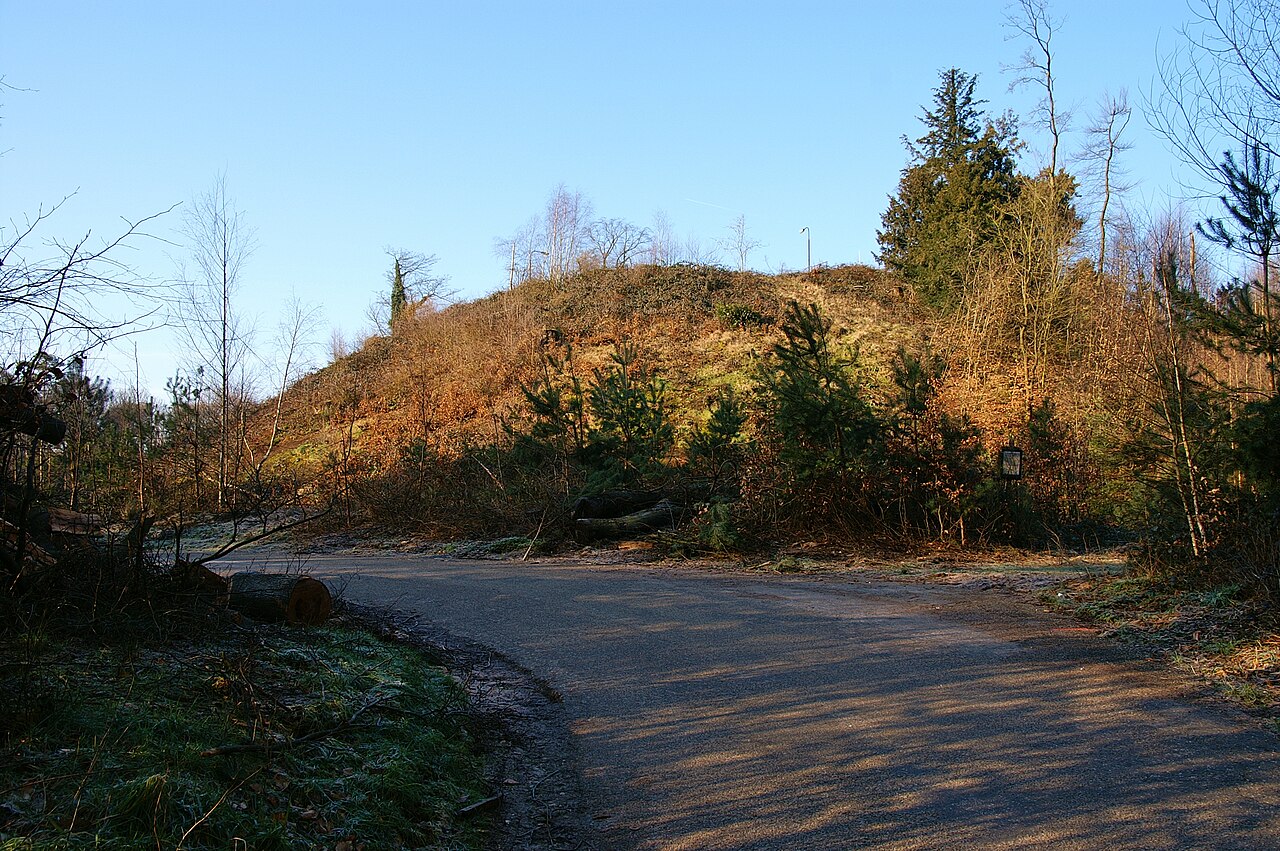
The origins of Bergh Castle trace back to around 1240, when the first fortification was established on this strategic site. Initially, the castle consisted of a moated, round tuff stone tower accompanied by a separate moated bailey. Archaeological excavations conducted in 1938 uncovered the foundations of this original tower, offering valuable insights into the early medieval defensive structures. The initial fortifications included a palisade surrounding both the tower and bailey, which was later replaced by a circular stone defensive wall before the 14th century, enhancing the castle's defensive capabilities.
Architectural development through the medieval period
As the castle remained continuously inhabited and strategically important, it underwent significant transformations over the centuries. Before 1400, the original round tower was demolished and replaced by a large square keep, a typical feature of medieval castles designed to provide stronger fortification and residential space. By the mid-15th century, major portions of the present castle had been constructed, including the main residential building and two of the three towers on the bailey. These additions reflect the castle's transition from purely military fortification to a noble residence with enhanced living quarters and administrative functions.
The Renaissance rebuilding under Count Willem IV van den Bergh
The castle experienced considerable rebuilding in the 16th century under the direction of Count Willem IV van den Bergh. This period coincided with the Renaissance, which influenced architectural styles and castle design across Europe. Count Willem IV was a significant figure during the Eighty Years' War, siding with his brother-in-law, Prince William of Orange, in the Dutch struggle for independence from Spanish rule. Due to his political stance, he was summoned before the Council of Blood under the Spanish governor, Count Alva, in 1568. Forced to flee to Germany, his properties, including Bergh Castle, were confiscated.
During this turbulent period, the castle endured multiple sieges and substantial damage. When Count Willem IV returned in 1576, he found the castle dismantled and stripped of its military function. This marked a turning point in the castle's history, transitioning from a fortress to a stately residence.
17th and 18th century transformations and disasters
The 17th century saw a building boom at Bergh Castle, as war damages were repaired and new structures added. On the bailey, a large industrial building was constructed, reflecting the evolving uses of castle grounds beyond defense. The inner courtyard was lowered by approximately two meters, improving accessibility and aesthetics. Architectural enhancements included the addition of a stair tower, a large staircase, and a new residential wing. The main residential building was plastered white, and the keep was topped with a distinctive spire, giving the castle a more refined Renaissance appearance.
However, the year 1735 brought disaster when a devastating fire destroyed much of the castle. Though it was rebuilt afterwards, the castle never fully regained its former grandeur. The moats were partially filled in during this period, altering the castle's defensive landscape. Subsequently, the castle was repurposed as a priest seminary, marking a shift from noble residence to religious and educational use.
20th century restoration efforts and preservation
By the early 20th century, Bergh Castle had fallen into poor condition due to neglect. In 1912, the castle was purchased by Jan Herman van Heek, a local industrialist from Enschede. Van Heek initiated an extensive restoration project to preserve and restore the castle's historical and architectural heritage. These efforts culminated in 1929, when the restoration was considered complete.
Tragically, in 1939, another major fire broke out, destroying much of the castle once again. Demonstrating remarkable dedication, Van Heek promptly resumed restoration work, which restored the castle to its present appearance. Thanks to these efforts, Bergh Castle today stands as a well-preserved example of Renaissance architecture with medieval foundations.
Art collections and cultural significance
Bergh Castle is renowned not only for its architecture but also for its impressive collection of late-medieval art. Among its treasures is a notable panel from the Maestà of Duccio, an exquisite example of early Italian painting added to the collection in the 19th century. The castle also houses a portrait of Erasmus by the renowned artist Hans Holbein, as well as an extraordinary collection of medieval manuscripts and handwritings. These collections highlight the castle's role as a cultural repository and its importance in preserving European art history.
Today, Bergh Castle is open to the public for a fee, allowing visitors to explore its historic halls, towers, and courtyards, and to appreciate its rich artistic heritage. The castle's well-maintained condition and extensive restorations make it a prime destination for those interested in Renaissance architecture, medieval history, and art.
Architectural features and layout
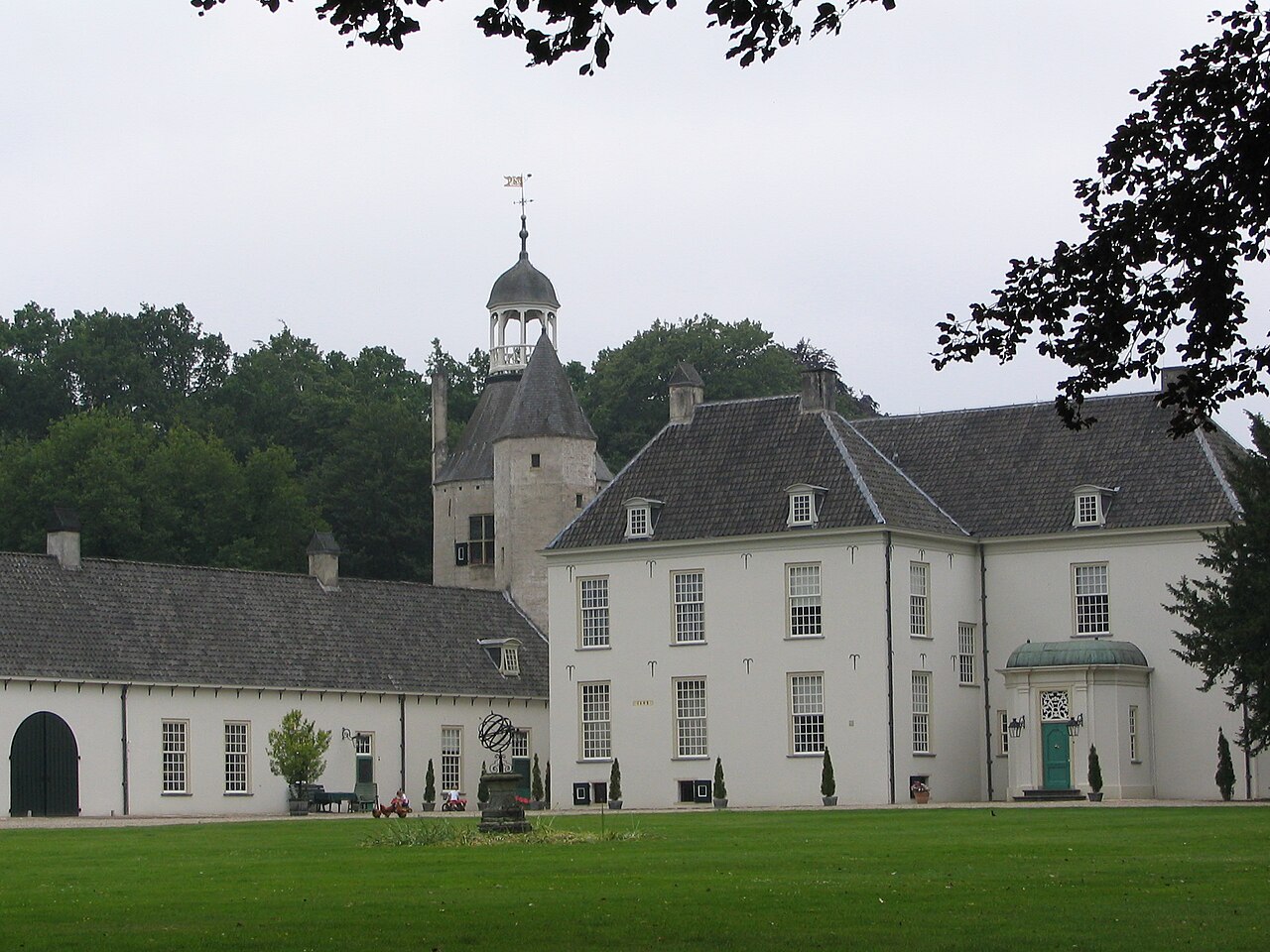
The castle's layout reflects its long history of construction and reconstruction. The square keep remains a dominant feature, surrounded by a bailey that includes three towers, two of which date back to the 15th century. The moats that once fully encircled the castle have been partially filled in but still contribute to the site's defensive character.
The Renaissance additions, such as the stair tower and plastered residential wings, blend harmoniously with the medieval stonework, showcasing the castle's architectural evolution. The lowered inner courtyard enhances the spatial experience and accessibility within the castle grounds.
Defensive elements
Originally, Bergh Castle's defenses included a palisade, later replaced by a robust stone curtain wall encircling the tower and bailey. The moats provided an additional layer of protection, typical of medieval fortifications. The transition from a round tower to a square keep improved defensive capabilities while accommodating residential needs.
Historical context and significance
Bergh Castle's history is deeply intertwined with the political and military conflicts of the Netherlands, especially during the Eighty Years' War. The castle's owners, the counts of Bergh, played pivotal roles in the region's noble and military affairs. The castle's repeated sieges and damages during this period illustrate its strategic importance.
The castle's survival through fires, wars, and changing ownership underscores its resilience and the dedication to its preservation by successive generations. Its transformation from a medieval fortress to a Renaissance noble residence and later to a seminary reflects broader social and cultural shifts in Dutch history.
Visiting Bergh Castle
Visitors to Bergh Castle can explore its extensive medieval and Renaissance architecture, including the keep, towers, and courtyards. The castle offers guided tours that highlight its historical significance, architectural features, and art collections. The site is accessible by car and public transport, located at Hof van Bergh 8 in 's-Heerenbergh.
Opening hours and ticket prices vary seasonally, so prospective visitors should check current details before planning their visit. The castle's cultural events and exhibitions also provide enriching experiences beyond the architectural and historical aspects.
Frequently asked questions (FAQ)
- What is the historical significance of Bergh Castle?
- Bergh Castle, located in 's-Heerenbergh, is a medieval fortress dating back to the 13th century. It played a crucial role in regional power struggles and has been a residence for noble families, reflecting the rich history of the Netherlands.
- When was Bergh Castle built?
- Bergh Castle was originally constructed in the early 13th century, with significant modifications and expansions occurring over the centuries. The castle's architecture showcases various styles that evolved through its long history, making it a fascinating site for history enthusiasts.
- Can I visit Bergh Castle?
- Yes, Bergh Castle is open to the public, allowing visitors to explore its impressive architecture and beautiful grounds. Guided tours are available, providing insights into its history and significance.
- What are the opening hours for Bergh Castle?
- Bergh Castle typically opens to visitors from Tuesday to Sunday, with specific hours varying by season. It's recommended to check the official website for the most current opening times before planning your visit.
- Is it possible to access Bergh Castle with a wheelchair?
- While Bergh Castle strives to be accessible, some areas may present challenges due to the historical architecture. It's best to contact the castle directly to inquire about specific accessibility options and accommodations.
- What is the best time to visit Bergh Castle?
- The best time to visit Bergh Castle is during the spring and early fall when the weather is pleasant, and the gardens are in full bloom. These seasons offer a beautiful backdrop for exploring the castle and its surroundings.
- Are there any nearby attractions to visit along with Bergh Castle?
- Yes, nearby attractions include the picturesque village of 's-Heerenberg and the scenic Montferland hills, perfect for hiking and nature walks. Additionally, the region is rich in other historical sites and museums worth exploring.
- What are the ticket prices for Bergh Castle?
- Ticket prices for Bergh Castle are generally affordable, with discounts available for children, students, and seniors. It's advisable to check the official website for the latest pricing and any special offers.
Photo gallery

Photo by Arch•Public domain
Information
Sources & official resources
Verify the information above using these authoritative references.
Loading map...
Visitor reviews
No reviews yet. Been here? Write the first review and help other travelers!
Write the first reviewVisited this castle? Share your experience
Your review helps other travelers and adds first-hand knowledge to our encyclopedia.