
Homburg Castle
Homburg Castle, located in Numbrecht, Germany, is a striking example of a high medieval hill castle with a rich history dating back to the 11th century. First mentioned in records in 1276, the castle has evolved through centuries of architectural and political changes, reflecting the complex feudal landscape of medieval Germany. Its strategic position atop a hill provided both defensive advantages and a commanding view of the surrounding Oberbergisches Land region.
Early origins and medieval significance
The earliest archaeological evidence at Homburg Castle reveals a stone keep approximately 12.5 meters in diameter, uncovered in 1999, which experts date to the 11th century. This discovery pushed back the known history of the site, indicating that the castle's origins precede the first written mention by at least two centuries. The initial fortification likely served as a stronghold for local noble families and ministeriales, specifically the Lords of Hohenberg, who were ministeriales of the Bishopric of Würzburg and constructed the castle in the early 1170s.
Transfer to the House of Sayn and imperial ties
By the late 13th century, the castle came under the control of the House of Sayn. In 1276, Gottfried I of Sayn transferred the castle (referred to as castrum Homburg) to the German King Rudolf of Habsburg to place it under royal protection, receiving it back as an imperial fief. This act underscored the castle's importance within the Holy Roman Empire as a seat of the Counts of Homburg, who held an imperial fiefdom known as a Reichsherrschaft.
Architectural evolution and alterations
The castle's current architectural form is primarily the result of construction phases spanning the 13th and 15th centuries. Its fortifications, residential quarters, and auxiliary buildings illustrate typical medieval castle features such as thick defensive walls, towers, and a central courtyard. In 1635, significant alterations were undertaken by Count Ernst von Sayn-Wittgenstein, who remodeled the castle to reflect contemporary tastes and needs, introducing elements that shaped its present-day appearance.
Damage, decline, and preservation efforts
Despite its robust construction, Homburg Castle suffered a severe fire in 1680, which led to a period of decline and partial ruin. The castle's management passed to the Sayn-Wittgenstein-Berleburg line about a century later, but maintenance was insufficient to prevent further decay. By the early 20th century, the castle's deterioration was halted, and restoration efforts began in earnest.
In 1926, the castle was repurposed as a museum, founded by Hermann Conrad, which today operates as the Museum of Oberbergisches Kreis. This transformation helped preserve the castle's structure and made it accessible to the public as a cultural and historical landmark.
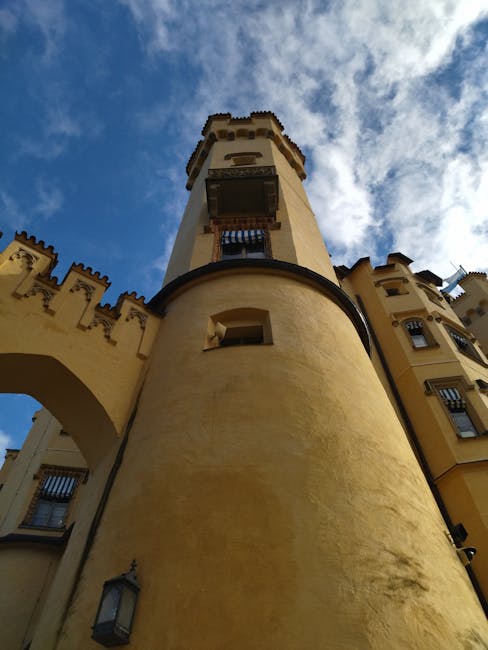
Photo by Pamela Mendieta
Modern developments and archaeological insights
Recent archaeological excavations, particularly the 1999 discovery of the early stone keep, have enriched understanding of the castle's origins and historical significance. These findings necessitated a reassessment of the castle's timeline, confirming its early medieval roots.
In 2005, local authorities approved plans to upgrade the castle complex, including expanding the historic 'Red House' (Rotes Haus), constructing a new central cash desk and visitor facilities, and replacing the old orangery with a modern two-storey administration and exhibition building. These improvements aim to enhance the visitor experience while respecting the castle's historical integrity.
Architectural features and layout
Homburg Castle exemplifies a hill castle with a compact layout dominated by a massive stone keep at its core. Surrounding this are defensive walls with battlements and towers designed for surveillance and protection. The castle's courtyard served as a focal point for daily activities and gatherings.
The castle also includes residential wings that were adapted over centuries to meet changing needs, including living quarters, storage rooms, and administrative spaces. The Red House stands out as a significant structure within the complex, reflecting later architectural styles and functions.
Historical role in the region
Throughout its history, Homburg Castle played a vital role as a local power center in the Oberbergisches Land. It was a symbol of feudal authority and a defensive bastion during periods of conflict. Its connection to the House of Sayn and later the Prince-Bishopric of Würzburg highlights its strategic and political importance.
Visiting today
Today, Homburg Castle is well preserved and open to the public as a museum and cultural site. Visitors can explore its historic halls, towers, and courtyards, gaining insight into medieval life and architecture. The castle hosts exhibitions and events that celebrate its heritage and the broader history of the region.
Its location in Numbrecht offers scenic views and access to the natural beauty of the surrounding hills, making it a popular destination for history enthusiasts and tourists alike.
Frequently asked questions (FAQ)
- What is the historical significance of Homburg Castle?
- Homburg Castle, dating back to the 13th century, played a crucial role in the defense and administration of the region. It symbolizes the medieval heritage of Numbrecht and showcases the architectural evolution of castles in Germany over the centuries.
- When was Homburg Castle built?
- Construction of Homburg Castle began in the early 13th century, with significant renovations occurring in the following centuries. The castle has undergone various modifications, reflecting the changing architectural styles and the needs of its inhabitants.
- Can I visit Homburg Castle year-round?
- Yes, Homburg Castle is open to visitors throughout the year, although some areas may be restricted during winter months due to weather conditions. It’s advisable to check the official website for any seasonal changes in opening hours or special events.
- What are the opening hours for Homburg Castle?
- Homburg Castle typically opens its doors to visitors from 10 AM to 5 PM, with extended hours during the summer months. However, it's best to verify the current hours before your visit, as they may vary during holidays or special occasions.
- Is Homburg Castle accessible for visitors with disabilities?
- While Homburg Castle has made efforts to improve accessibility, some areas may still pose challenges due to the castle's historic structure. Visitors with mobility concerns are encouraged to reach out in advance for specific information regarding accessible routes and facilities.
- When is the best time to visit Homburg Castle?
- The best time to visit Homburg Castle is during the spring and early autumn when the weather is mild and the surrounding gardens are in full bloom. Additionally, these seasons often feature fewer crowds, allowing for a more enjoyable experience.
- What are the ticket prices for Homburg Castle?
- Ticket prices for Homburg Castle are generally affordable, with discounts available for children, students, and seniors. It’s recommended to check the official website for the latest pricing information and any special offers that may be available during your visit.
- What nearby attractions can I explore after visiting Homburg Castle?
- After visiting Homburg Castle, you can explore the charming town of Numbrecht, known for its beautiful landscapes and wellness facilities. Other nearby attractions include the scenic hiking trails in the surrounding hills and local museums that highlight the region's history.
Photo gallery

Photo by Susanne Fandler

Information
Website
Visit websiteSources & official resources
Verify the information above using these authoritative references.
Loading map...
Visitor reviews
No reviews yet. Been here? Write the first review and help other travelers!
Write the first reviewVisited this castle? Share your experience
Your review helps other travelers and adds first-hand knowledge to our encyclopedia.