Hohlandsbourg Castle
Hohlandsbourg Castle, also known locally as Château du Hohlandsbourg, Haut-Landsbourg, or Burg Hohlandsberg, stands prominently south of the village of Wintzenheim in the Haut-Rhin department of France. This historic fortress is situated in the region often referred to as Southern Alsace or the Vosges, perched atop a strategic mountaintop at an elevation of approximately 644 meters. The castle's location offers commanding views over the surrounding Alsace plain and the distant Vosges Mountains, making it a significant military and surveillance point during the medieval period.
The castle was originally constructed in 1279 by Siegfried de Gundolsheim, the provost of the town of Colmar. This construction was undertaken under the influence of the Austrian royal Habsburg family, who sought to assert their control over the region. Almost immediately after its completion, the castle became a focal point of conflict. In 1281, Otto d'Ochsenstein, the bailiff of Alsace allied with the townspeople of Colmar, laid siege to the castle. The siege resulted in the fortress being set ablaze and destroyed, reflecting the turbulent political landscape of the time.
Medieval origins and early conflicts
Following its destruction, Hohlandsbourg Castle was rebuilt and gradually reinforced throughout the 14th and 15th centuries. The Count of Lupfen played a significant role in these expansions, enhancing the castle's defensive capabilities to adapt to evolving military technologies and threats. The castle's design from this period reflects typical high medieval military architecture, characterized by a large rectangular enclosure and robust defensive towers.
16th-century enhancements and strategic importance
In the 16th century, the castle came under the ownership of Lazarus von Schwendi, a notable war chief and counselor to the Habsburgs. Von Schwendi is historically significant not only for his military role but also for cultural contributions, such as the introduction of Tokay vines from Hungary to the Alsace region. Under his stewardship, Hohlandsbourg Castle underwent further fortifications, including the addition of watchtowers and a triangular bastion protecting the main entrance. These enhancements were designed to withstand the increasing use of artillery and gunpowder in warfare, marking the castle's transition into a more modern fortress.
Role during the thirty years' war and decline
The castle's strategic position continued to make it a valuable military asset during the Thirty Years' War (1618–1648). In 1633, after the people of Colmar had freed themselves from Habsburg control, they seized the castle, which was then garrisoned by Swedish troops allied with the Habsburgs. Fearing its recapture by Austrian forces, the local population removed the castle's cannons to neutralize its military threat. Subsequently, under orders from Cardinal Richelieu, a small French force was stationed there to secure the area.
However, when intelligence indicated that a powerful Austrian army was advancing to retake the fortress, the French forces deliberately rendered the castle unusable by blowing up the keep and setting fire to the structure in 1637. This decisive act marked the end of the castle's active military use and initiated its long period of decline into ruin.
Architectural features and layout
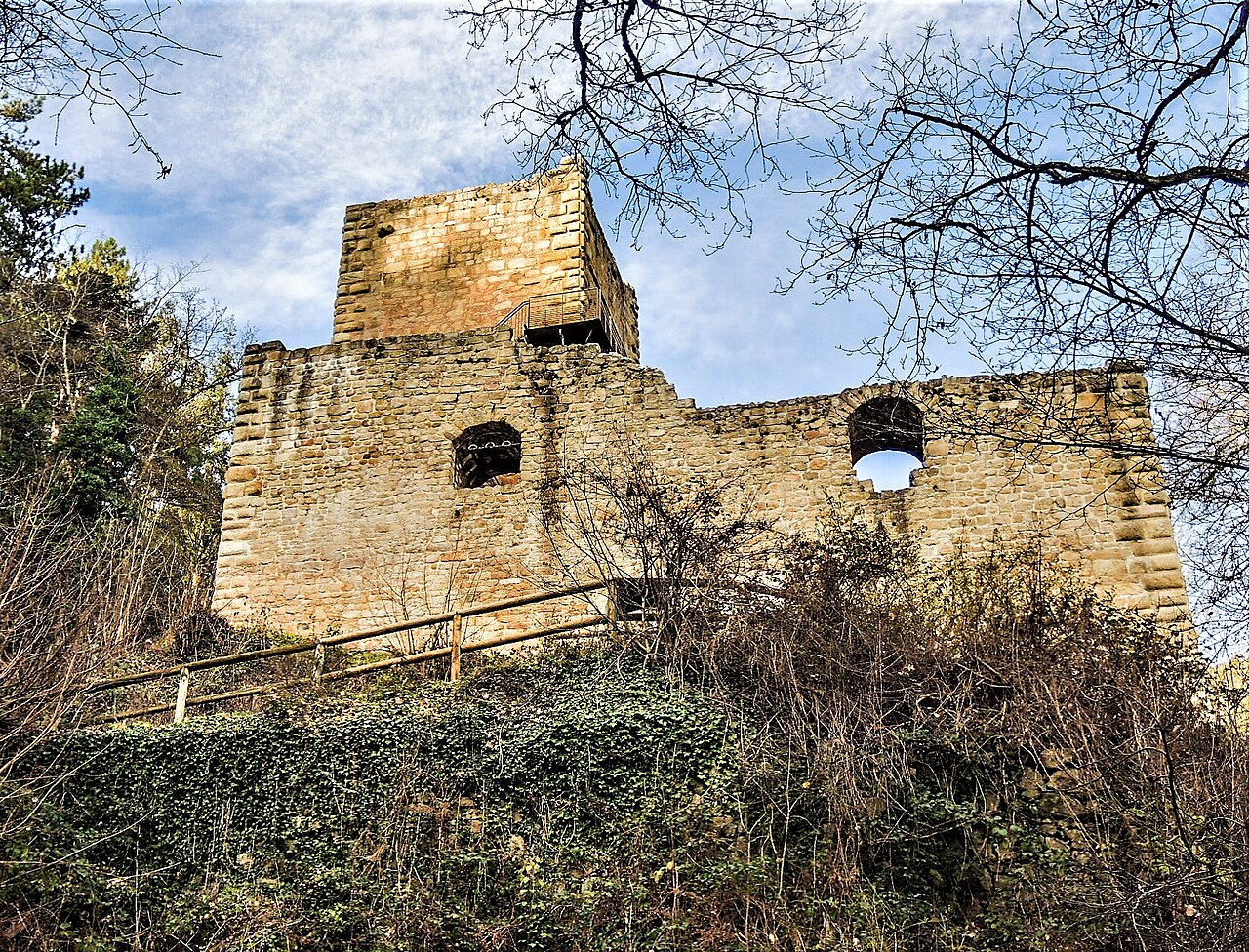
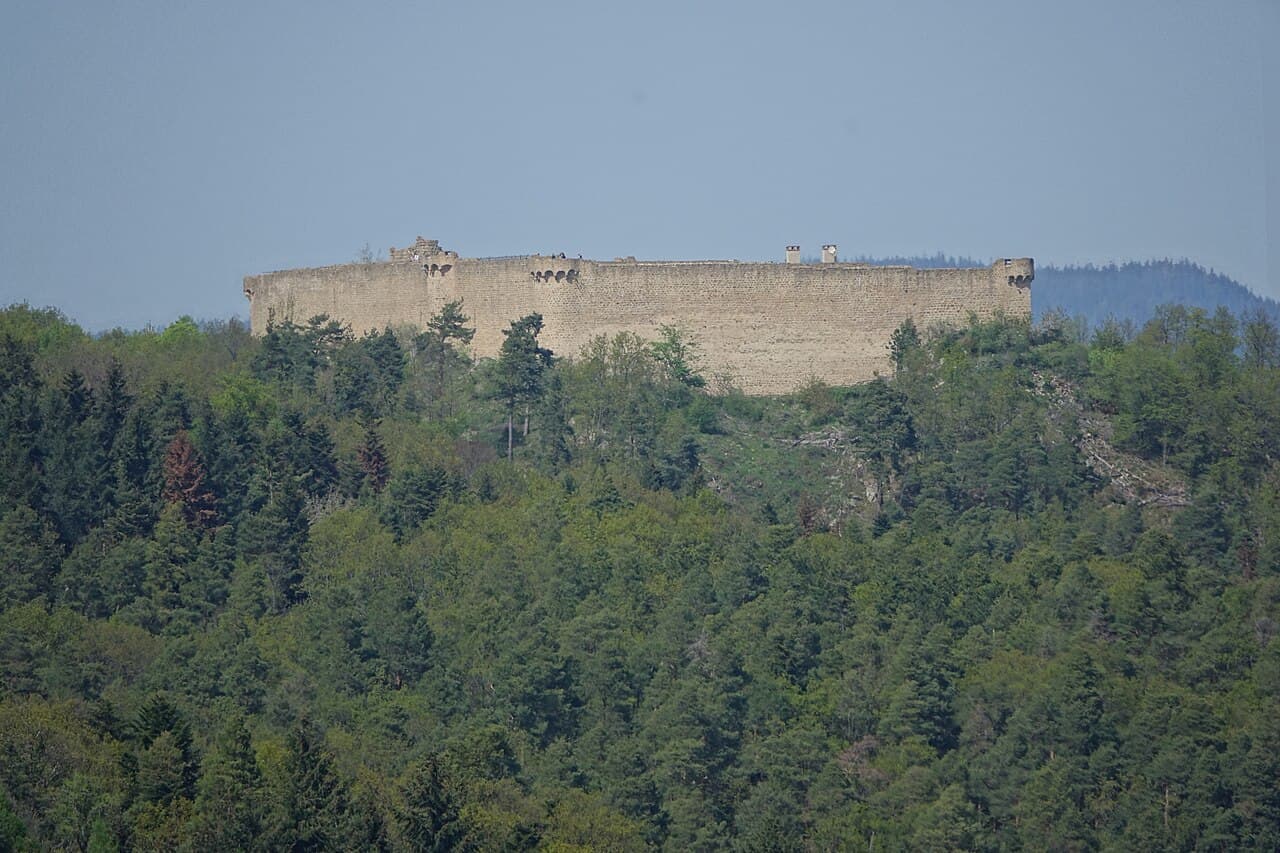
Hohlandsbourg Castle exemplifies the typical garrison castle design of its era, with barracks and ancillary industrial buildings arranged around a large central courtyard. The castle's perimeter is defined by a substantial rectangular enclosure measuring approximately 100 by 70 meters, originally constructed in the 13th century. This enclosure was later fortified with watchtowers added in the 16th century, enhancing surveillance and defense capabilities.
The principal entrance to the castle is notably fortified by a triangular bastion from the same period, featuring a door equipped with a drawbridge. This entrance design reflects the military architectural innovations of the Renaissance period, aimed at countering artillery assaults and improving defensive resilience.
Interior and visitor experience
Today, the interior of Hohlandsbourg Castle may feel somewhat sparse due to the loss of many original structures over centuries of decay. Nonetheless, it remains a captivating site for visitors, offering not only a glimpse into medieval military architecture but also one of the most magnificent panoramic views in the region. The castle's elevated position provides sweeping vistas of the Alsace plain, the Vosges Mountains, and the surrounding countryside, making it a favored destination for tourists and history enthusiasts alike.
The site includes a small museum that presents the castle's history and archaeological findings, a tavern for refreshments, and a gift shop. Unlike many other castles in the Alsace region, Hohlandsbourg Castle requires an entrance fee, reflecting its status as a well-maintained heritage site.
Cultural significance and the route of the five castles
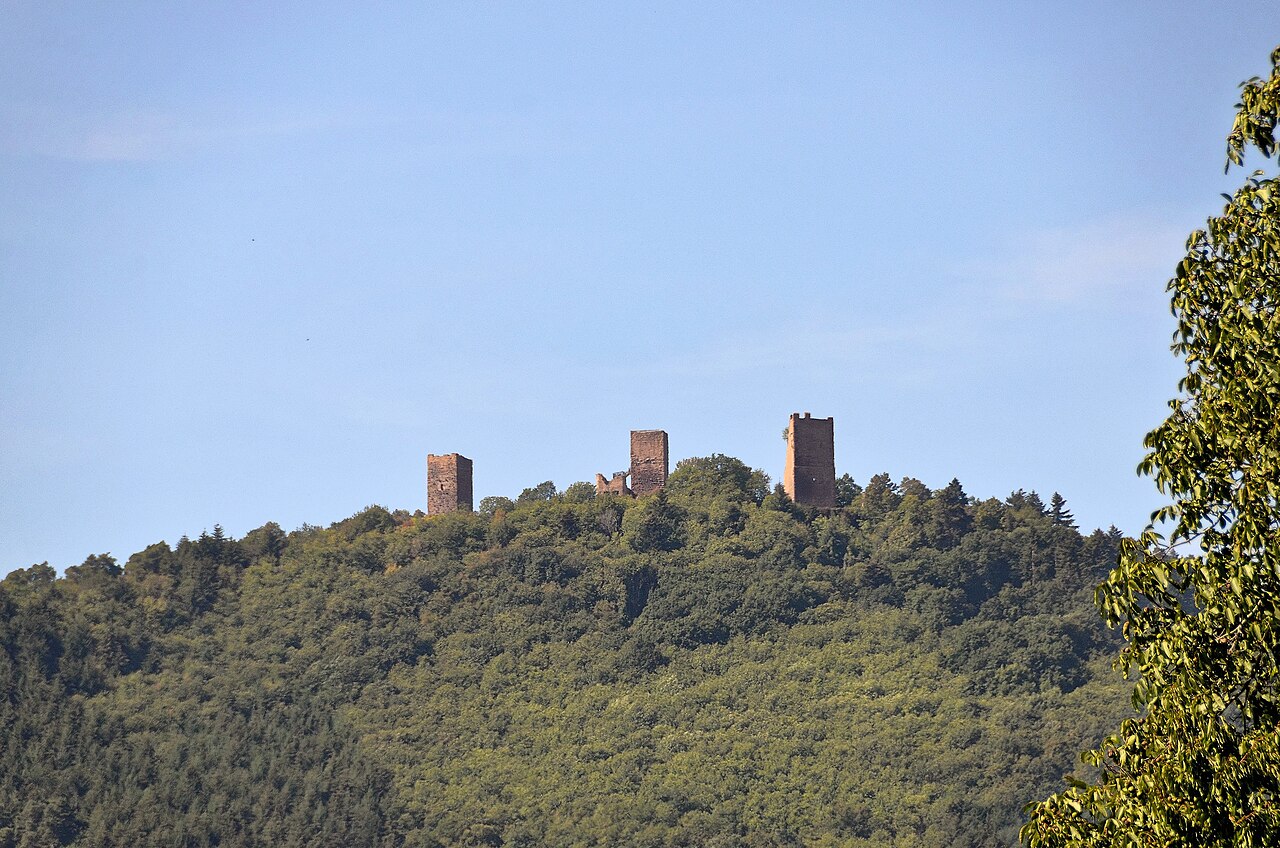
Hohlandsbourg Castle is part of the famed Route of the 5 Castles, a popular tourist itinerary that also includes nearby Pflixbourg Castle and the trio of Éguisheim castles. This route highlights the rich medieval heritage of the Alsace region and offers visitors a comprehensive exploration of its historic fortifications.
Access to the castle by vehicle is restricted from mid-November to mid-March annually, preserving the site and surrounding environment during the winter months. This seasonal closure encourages visitors to plan their trips during the warmer months when the castle is fully accessible and the landscape is at its most vibrant.
Historical ownership and legacy
Throughout its history, Hohlandsbourg Castle passed through the hands of several notable families and rulers. After its initial construction by Siegfried de Gundolsheim, it came under the control of the Ensisheims before being granted as a fiefdom to the Ribeaupierres in 1410. Subsequently, it became the property of the Counts of Lupfen, who undertook significant enlargements, and later the possession of Lazarus von Schwendi in the 16th century. Each owner contributed to the castle's evolution, reflecting the changing political and military landscape of Alsace over several centuries.
Today, the castle stands as a well-preserved ruin, a testament to the region's turbulent history and architectural heritage. Its combination of high medieval origins, Renaissance fortifications, and dramatic history during the Thirty Years' War make it an invaluable cultural landmark in Alsace.
Frequently asked questions (FAQ)
- How do I get to Hohlandsbourg Castle?
- Hohlandsbourg Castle is located along the Route des Cinq Châteaux in France, easily accessible by car. There are also public transport options available from nearby towns, making it convenient for visitors to reach the castle.
- What is the historical significance of Hohlandsbourg Castle?
- Hohlandsbourg Castle was built in the late 13th century and served as a strategic fortification during various conflicts in the region. Its well-preserved architecture and panoramic views offer a glimpse into medieval life and the importance of the castle in the Alsatian landscape.
- When was Hohlandsbourg Castle constructed?
- The castle was constructed between 1279 and 1280, initiated by the Counts of Wurttemberg. Over the centuries, it has undergone various modifications and restorations, reflecting the architectural styles of different periods.
- Can I take guided tours of Hohlandsbourg Castle?
- Yes, guided tours are available and provide an in-depth look at the castle's history, architecture, and significance. These tours are conducted by knowledgeable guides who can answer questions and enhance your visit.
- Why is Hohlandsbourg Castle a popular destination for visitors?
- Hohlandsbourg Castle is popular due to its stunning views of the Alsace region and the beautiful surrounding landscape. Its rich history, engaging tours, and picturesque setting make it a must-visit for history enthusiasts and nature lovers alike.
- Is it possible to host events at Hohlandsbourg Castle?
- Yes, Hohlandsbourg Castle can be rented for various events, including weddings, corporate meetings, and cultural activities. The unique setting and historical ambiance provide a memorable backdrop for any occasion.
- What are the opening hours for Hohlandsbourg Castle?
- Hohlandsbourg Castle is typically open to visitors from March to November, with specific hours varying by season. It’s recommended to check the official website for the most current hours and any special events.
- What are the ticket prices for visiting Hohlandsbourg Castle?
- Ticket prices for Hohlandsbourg Castle are generally affordable, with discounts available for children, students, and seniors. Special rates may apply for group visits, so it's best to consult the castle's official site for detailed pricing information.
- What is the best time to visit Hohlandsbourg Castle?
- The best time to visit Hohlandsbourg Castle is during the spring and early fall when the weather is pleasant, and the surrounding scenery is particularly beautiful. These seasons offer the best opportunities for outdoor exploration and photography.
- Are there any nearby attractions to visit while at Hohlandsbourg Castle?
- Yes, there are several nearby attractions, including the beautiful vineyards of Alsace and the charming town of Colmar. Visitors can enjoy wine tasting and explore local culture, making it a perfect day trip from the castle.
Photo gallery

Loading map...
Visitor reviews
No reviews yet. Been here? Write the first review and help other travelers!
Write the first reviewVisited this castle? Share your experience
Your review helps other travelers and adds first-hand knowledge to our encyclopedia.