Hohengeroldseck Castle Ruins
Hohengeroldseck Castle ruins stand as a significant medieval archaeological site located in Schönberg, Germany. Dating back to the 13th century, this castle was originally constructed around 1250 and served as the ancestral seat of the Counts of Hohengeroldseck. It is a prime example of a high medieval hill castle that played an important role in regional power struggles during the Middle Ages.
Historical significance and ownership
The castle was built during a period of territorial consolidation and feudal expansion in the Holy Roman Empire. The Counts of Hohengeroldseck established their dominion here, using the castle as a fortified residence and administrative center. Throughout its history, the castle endured multiple military confrontations, notably two significant sieges in 1426 and 1486. These conflicts reflected the turbulent political landscape of the region, involving rival noble families and shifting alliances.
Architectural features and layout
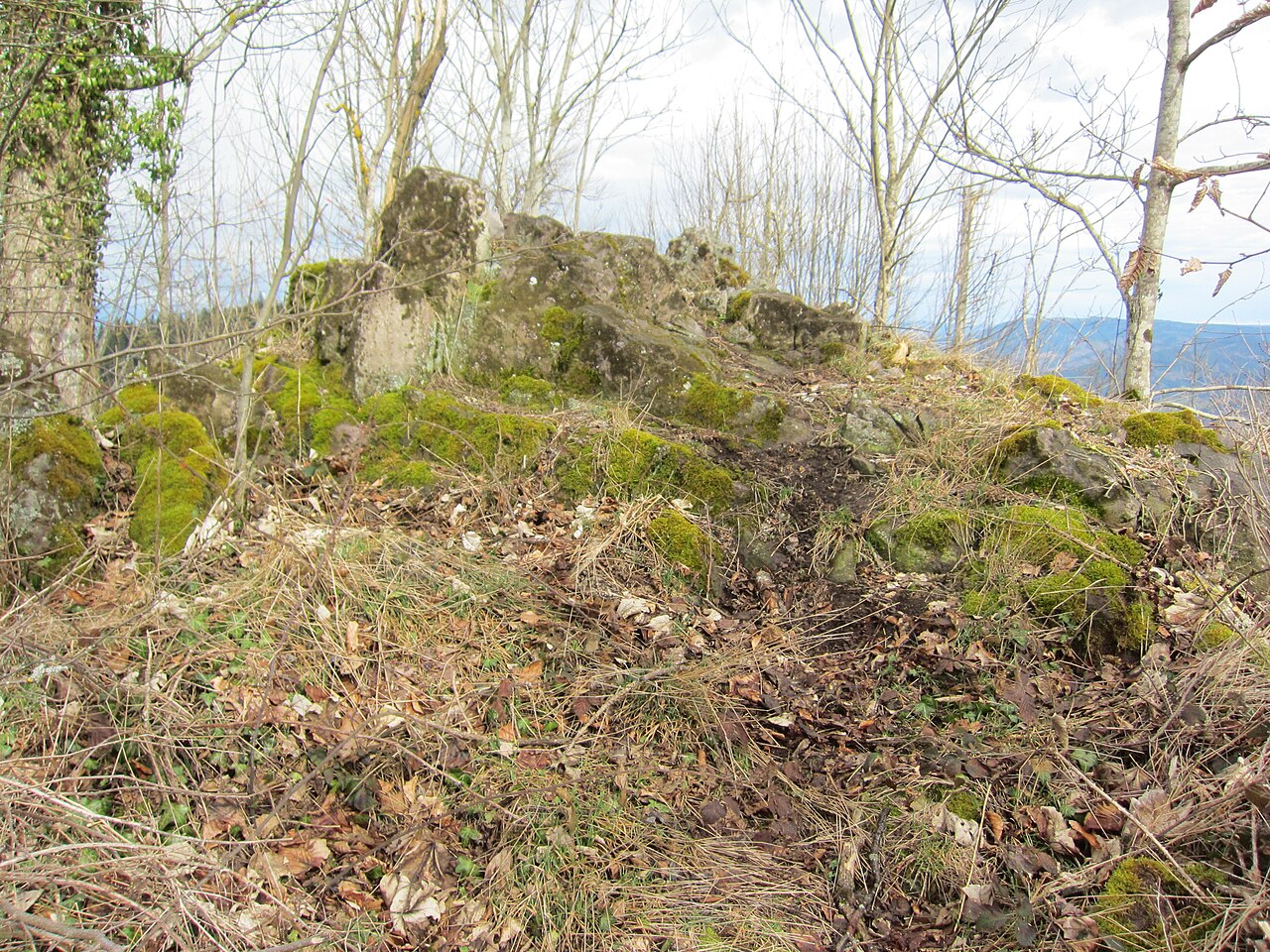
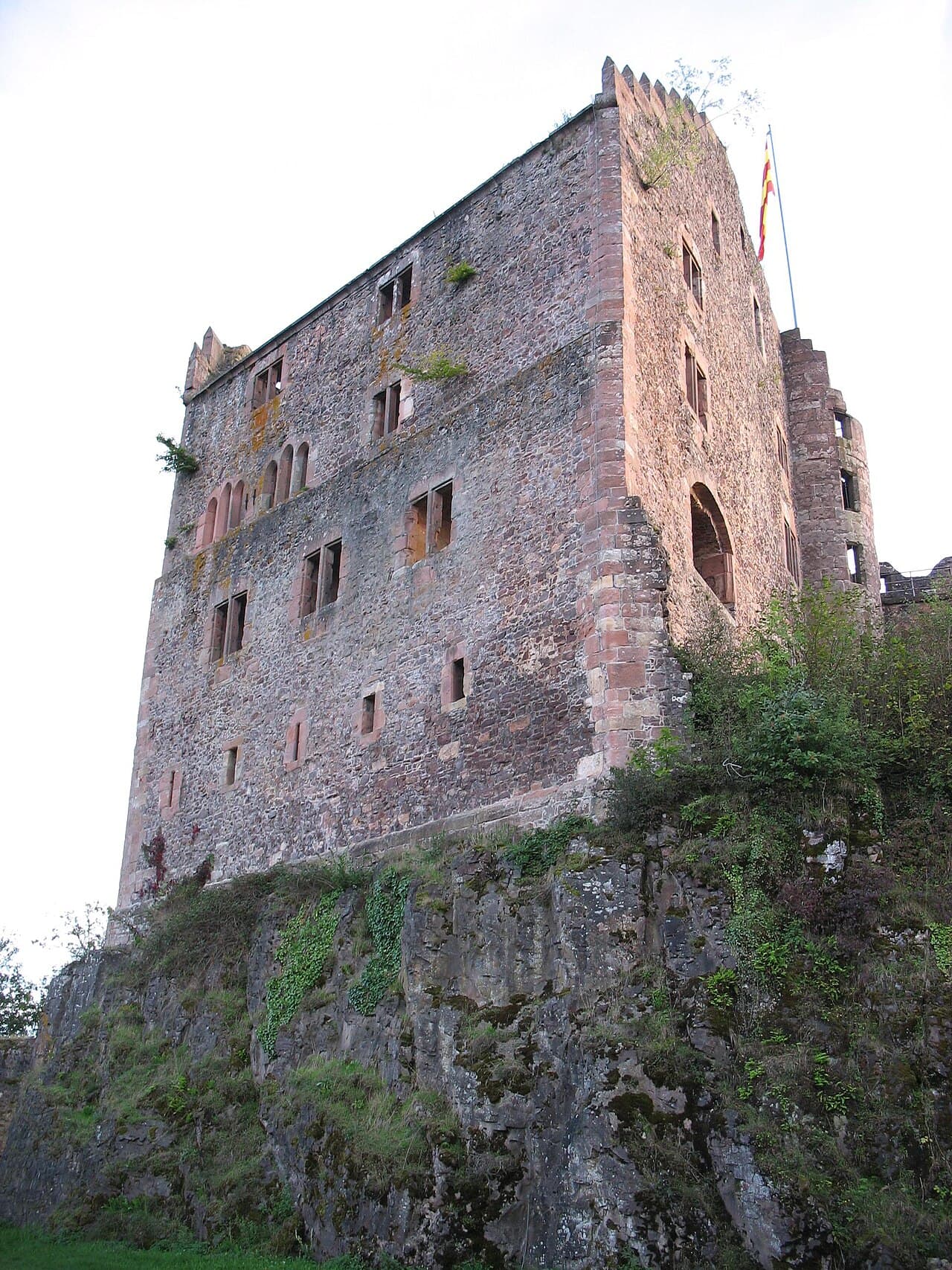
Although now in ruins, archaeological studies and remaining stonework reveal that Hohengeroldseck Castle was constructed primarily from local stone, featuring typical high medieval defensive elements. The castle was strategically positioned on a hill, utilizing natural elevation for defense. Key features likely included a keep or donjon, curtain walls, and fortified gates. The layout would have incorporated residential quarters, storage facilities, and defensive battlements designed to withstand sieges.
Defensive structures
The castle's elevated location provided commanding views of the surrounding landscape, allowing defenders to monitor approaching forces. The walls were thick and robust, designed to resist attacks from siege engines common in the 13th to 15th centuries. Although much of the superstructure has collapsed, remnants of towers and gatehouses indicate a complex defensive system.
Destruction and current condition
Hohengeroldseck Castle met its demise during the War of the Palatine Succession when French troops invaded the region in 1689. The castle was deliberately set ablaze and suffered complete destruction, leaving it in ruins ever since. Today, the site is classified as archaeological ruins and is partially excavated, offering valuable insights into medieval fortification techniques and noble residences.
Archaeological and cultural importance
The ruins of Hohengeroldseck Castle attract historians and visitors interested in medieval architecture and feudal history. Excavations have uncovered foundations and artifacts that contribute to understanding the lifestyle and defensive strategies of the period. The site is protected as a cultural heritage landmark and serves as a reminder of the region's medieval past.
Visiting the ruins
Visitors to the castle ruins can explore the remains and enjoy panoramic views of the surrounding countryside. While the site lacks extensive facilities, it provides an authentic experience of medieval fortifications in their natural setting. Interpretive signage helps contextualize the castle's history and significance.
Frequently asked questions (FAQ)
- When was Hohengeroldseck Castle built?
- Hohengeroldseck Castle was constructed around 1250 during the high medieval period, serving as the seat of the Counts of Hohengeroldseck.
- What led to the destruction of Hohengeroldseck Castle?
- The castle was destroyed in 1689 during the War of the Palatine Succession when French troops set it on fire, leaving it in ruins.
- Can visitors explore the Hohengeroldseck Castle ruins?
- Yes, visitors can explore the ruins and enjoy panoramic views, with interpretive signage available to explain the castle's historical context.
- What architectural features did Hohengeroldseck Castle have?
- The castle featured typical high medieval defensive structures such as thick stone walls, a keep, curtain walls, and fortified gates, all situated on a strategic hilltop.
- Why is Hohengeroldseck Castle historically important?
- It was the ancestral seat of the Counts of Hohengeroldseck and witnessed significant sieges in 1426 and 1486, reflecting regional medieval conflicts.
Photo gallery

Photo by No machine-readable author provided. Wikipedia-ce assumed (based on copyright claims).•CC BY-SA 3.0
Information
Current owner
Municipality
Loading map...
Visitor reviews
No reviews yet. Been here? Write the first review and help other travelers!
Write the first reviewVisited this castle? Share your experience
Your review helps other travelers and adds first-hand knowledge to our encyclopedia.