Högestad Castle
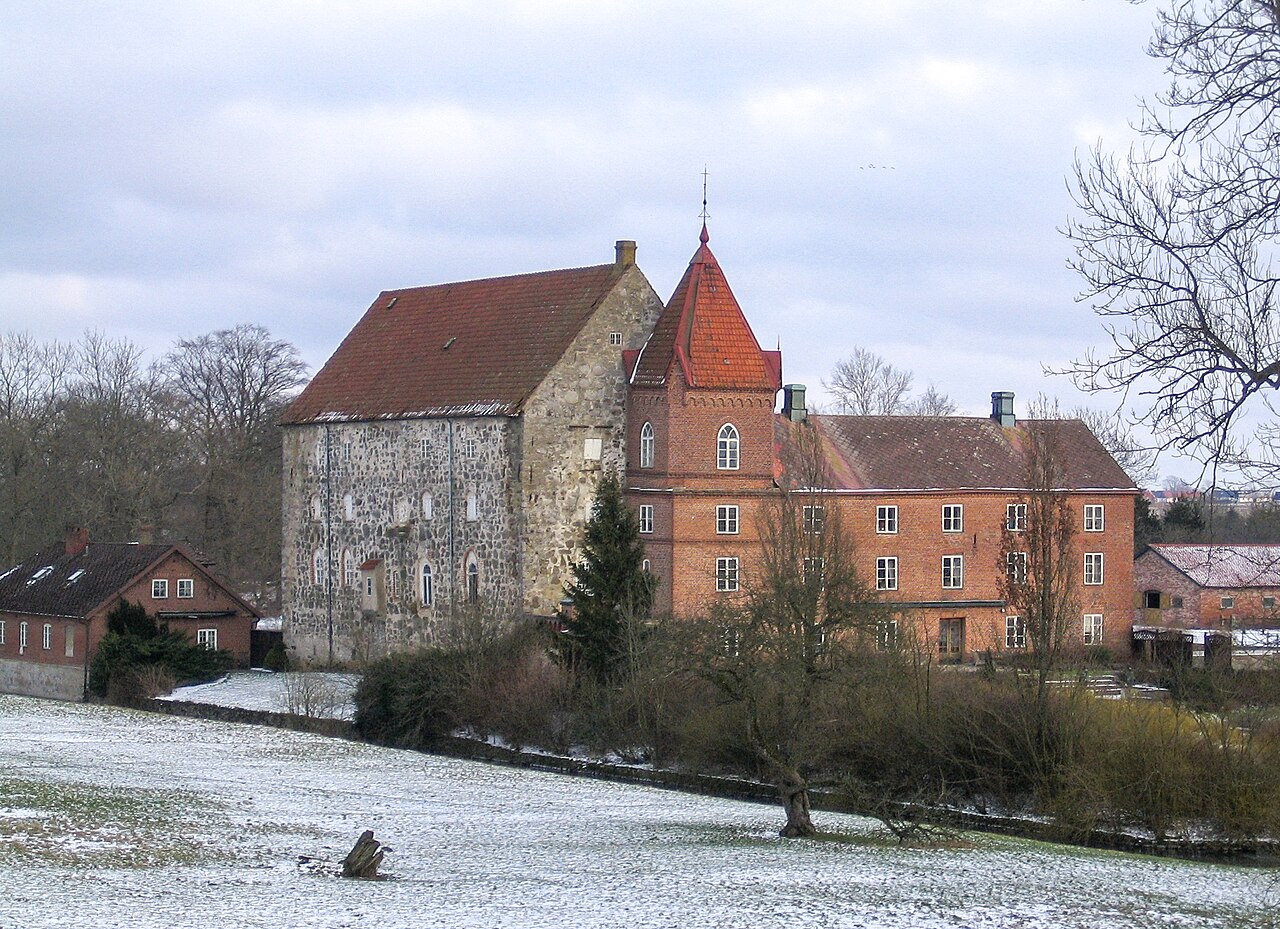
Högestad Castle is a notable Renaissance estate located in Ystad, Sweden. Its history stretches back to the Middle Ages when the property belonged to the Lund Archbishopric. Following the Reformation, the estate was transferred back to the Crown, reflecting the sweeping religious and political changes that reshaped Sweden during the 16th century.
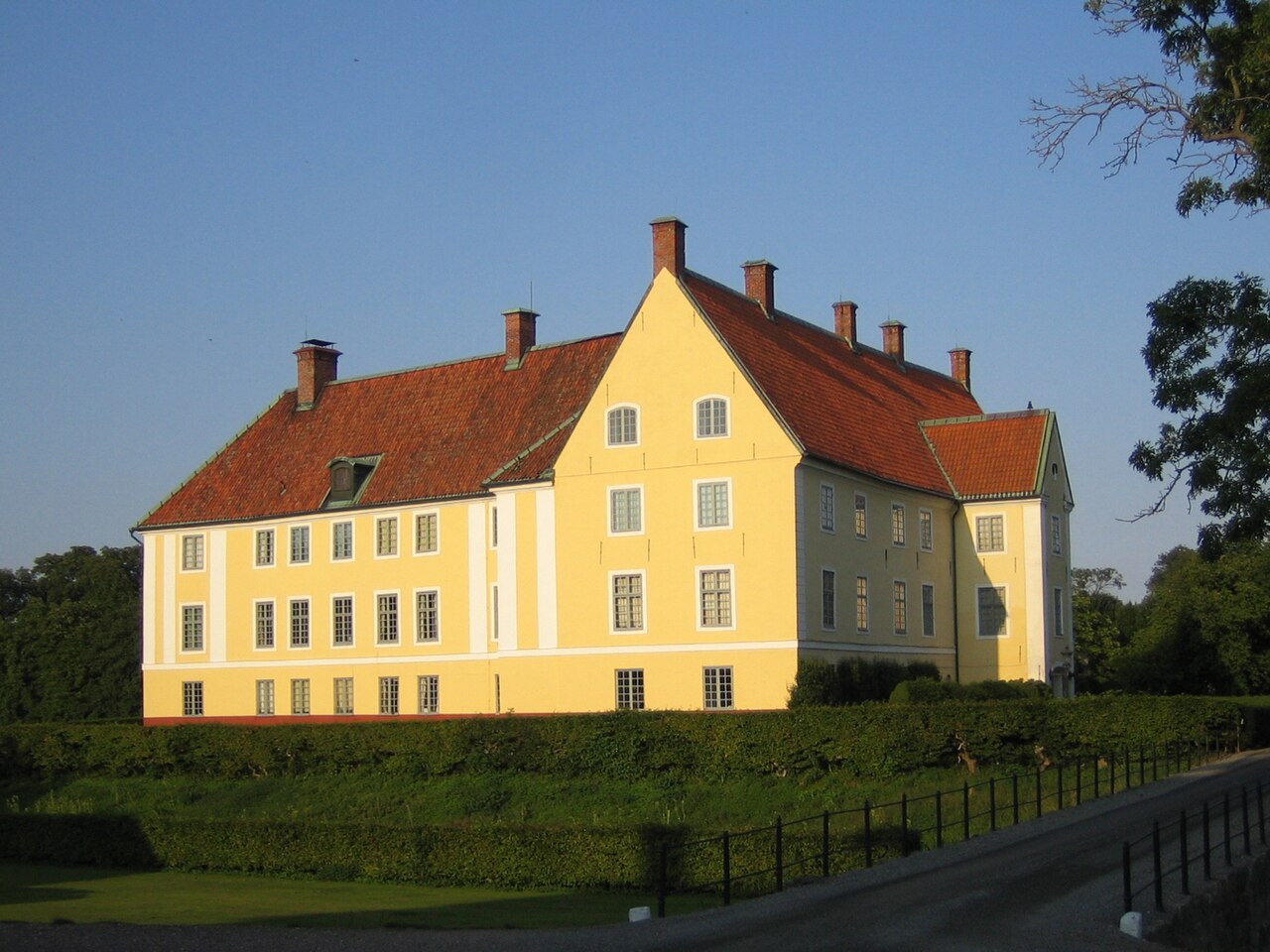
The current main building of Högestad Castle was constructed in 1635 after the estate was acquired by Palle Rosenkrantz, a prominent nobleman of the time. Rosenkrantz's construction exemplifies the Renaissance architectural style prevalent in Sweden during the 17th century, characterized by symmetrical layouts, classical proportions, and decorative elements inspired by the Italian Renaissance. The main building stands as a testament to the period's architectural ambitions and the wealth of its owners.
Historical ownership and royal connections
After its initial ownership by the Lund Archbishop, Högestad was reclaimed by the Swedish Crown post-Reformation, illustrating the shift in power from ecclesiastical to royal hands. In 1682, the estate was again returned to the King of Sweden, further cementing its status within royal property holdings.
In 1706, the castle was sold by King Carl XII to Carl Piper, an influential statesman and close advisor to the king. This transaction highlights the estate's continued importance within the Swedish nobility and its role in the political landscape of the time.
Architectural features and estate layout
The castle's design reflects the Renaissance ideals of harmony and order. The main building, constructed by Rosenkrantz, features a balanced façade with evenly spaced windows and a central entrance. The use of brick and stone materials was typical for Swedish Renaissance manors, providing both durability and aesthetic appeal.
While the castle itself is the focal point, Högestad also includes extensive agricultural lands, making it one of the largest farms in Sweden today. The surrounding estate has evolved over centuries but retains its historical character with traditional farm buildings and landscape features that complement the main residence.
Preservation and current status
Högestad Castle remains well preserved, maintaining much of its 17th-century character. Its status as a working farm has contributed to the upkeep of the estate, ensuring that both the architectural heritage and the agricultural tradition continue to thrive.
Significance in Swedish heritage
As a Renaissance manor with connections to prominent historical figures such as Palle Rosenkrantz and Carl Piper, Högestad Castle offers insights into Sweden's noble estate culture and architectural trends of the 17th century. Its continuous use and preservation make it a valuable example of how historical estates can adapt and endure through changing times.
Visitors and scholars alike appreciate Högestad for its architectural integrity and its role in Sweden's cultural landscape, representing the intersection of religious history, royal politics, and Renaissance design principles.
Information
Loading map...
Visitor reviews
No reviews yet. Been here? Write the first review and help other travelers!
Write the first reviewVisited this castle? Share your experience
Your review helps other travelers and adds first-hand knowledge to our encyclopedia.