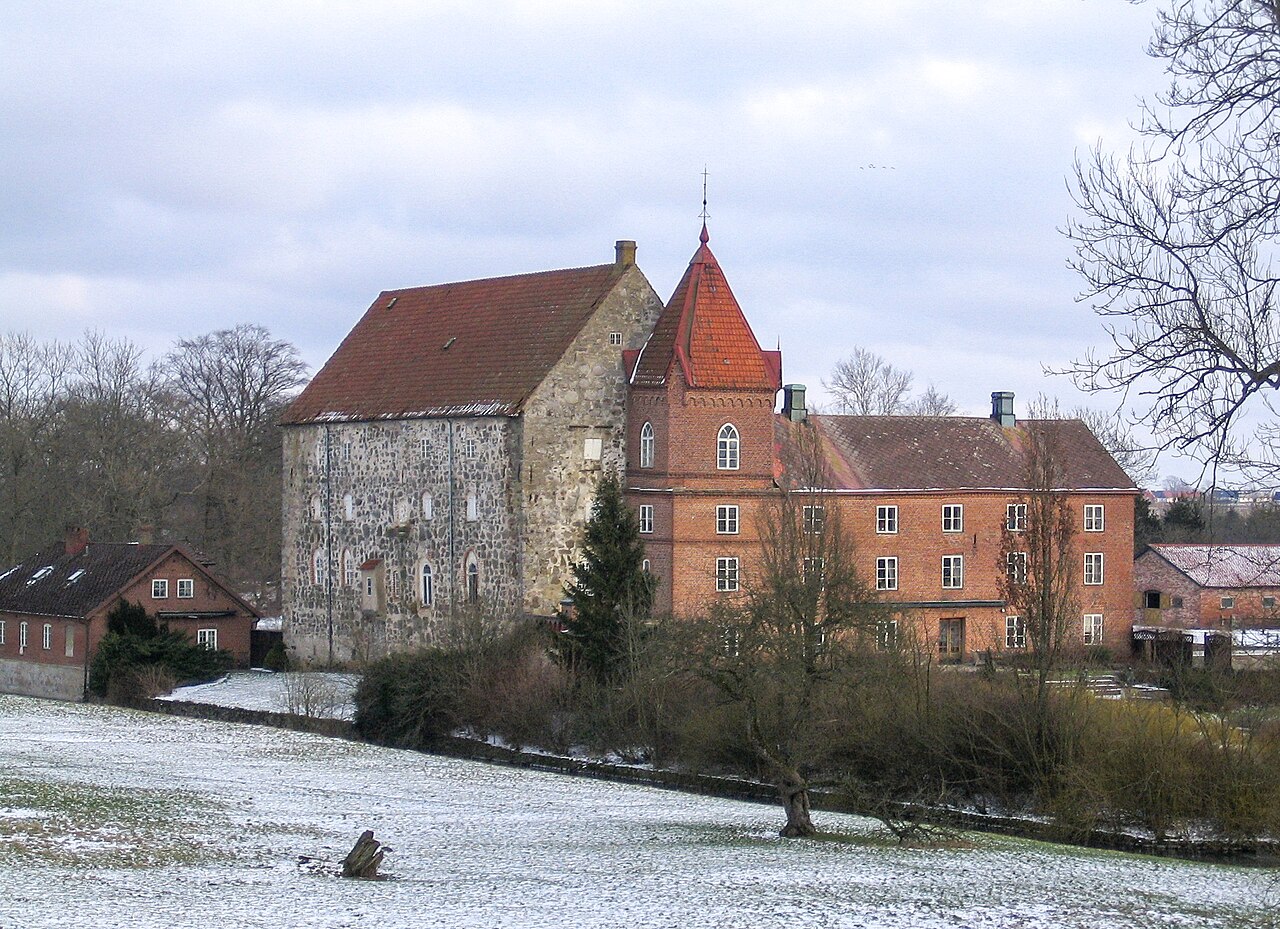
Vallen Castle Ruins

Vallen Castle ruins in Tomelilla, Sweden
Tomelilla, Sweden
High Medieval (11th–13th c.)
Ruins

Vallen Castle, also known as Isengrim, stands as one of the most significant medieval fortifications in the historical province of Scania, located in present-day Tomelilla, Sweden. Constructed likely in the 13th century during the High Medieval period, this castle was among the largest of its time in the region, though much of its detailed history remains obscure due to limited surviving records.

Strategic location and defensive features

The castle was built atop a prominent castle hill that rises approximately 12 meters high and spans over 40 meters in width. This elevated position provided a commanding view of the surrounding landscape, a common defensive strategy in medieval castle construction to monitor and control the nearby territory. Encircling the hill is a substantial moat, which would have served as a formidable obstacle to any attacking force, enhancing the castle's natural defenses.

Architectural characteristics and layout

Although the castle now exists primarily as ruins, archaeological studies and surface remains suggest that Vallen was a complex structure. The castle likely included a keep or donjon as the central stronghold, surrounded by defensive walls and possibly additional outbuildings within the enclosure. The presence of a moat indicates a fortified water defense system typical of water castles or hill castles adapted to utilize natural and artificial water barriers.

Construction materials and techniques

The castle was probably constructed using locally sourced stone and earthworks, common materials for Scandinavian medieval fortifications. The earth mound forming the castle hill would have been artificially raised or enhanced to support the stone structures and provide a stable foundation. Defensive walls might have featured battlements and arrow slits, typical of high medieval military architecture, although these features are no longer extant.

Historical context and significance

Vallen Castle's origins in the 13th century place it within a period of significant political and military activity in Scandinavia. Castles like Vallen were built to assert control over territories, protect trade routes, and serve as administrative centers for local lords. While the specific historical events linked to Vallen are not well documented, its size and fortifications suggest it was an important regional power base.

Role in regional conflicts

During the medieval era, Scania was a contested region, often influenced by Danish and Swedish rivalries. Castles such as Vallen would have played a role in these power struggles, serving as defensive bastions and symbols of feudal authority. The lack of detailed historical records leaves many aspects of Vallen's military history to archaeological interpretation.

Present condition and preservation

Today, Vallen Castle remains as an archaeological site and ruins. The castle hill and moat are still visible, offering visitors a tangible connection to the medieval past. Preservation efforts focus on maintaining the site's integrity and promoting its historical importance within the cultural heritage of Scania and Sweden. Interpretive signage and guided tours may be available to enhance public understanding of the castle's significance.

Visitor experience and accessibility

The ruins of Vallen Castle provide a unique opportunity to explore medieval fortification remains in a natural setting. Visitors can walk around the castle hill and moat, gaining insight into the defensive strategies of the period. As the site is primarily an open-air ruin, accessibility may vary depending on weather and terrain conditions.

Frequently asked questions (FAQ)

How do I get to Vallen Castle Ruins?
Vallen Castle Ruins is located near Tomelilla, Sweden, and can be easily accessed by car or public transport. The nearest bus stop is within walking distance, and ample parking is available for visitors arriving by car.
What is the historical significance of Vallen Castle Ruins?
Vallen Castle Ruins date back to the medieval period and are a testament to the architectural style of that era. The castle played a vital role in regional defense and has seen numerous historical events that shaped the area.
When was Vallen Castle built?
Vallen Castle was constructed in the late 14th century and served as a noble residence for several generations. Over the centuries, it underwent various modifications, reflecting the changing architectural trends of each period.
Can I explore the ruins of Vallen Castle?
Yes, visitors are welcome to explore the Vallen Castle Ruins. The site offers a unique opportunity to walk among the remnants of the castle and imagine its historical grandeur.
Why is Vallen Castle a popular tourist destination?
Vallen Castle is popular due to its rich history and scenic location. The ruins provide an intriguing glimpse into Sweden's medieval past, making it a favored spot for history enthusiasts and photographers alike.
Is it possible to host events at Vallen Castle Ruins?
While the ruins are primarily a historical site, certain areas may be available for private events or gatherings. It is advisable to contact the local tourism office for more details on hosting events at this picturesque location.
What are the opening hours for Vallen Castle Ruins?
Vallen Castle Ruins are generally open to the public year-round, but specific hours may vary depending on the season. It’s recommended to check the official website or contact local tourism for the most accurate and current information.
What is the best time to visit Vallen Castle Ruins?
The best time to visit Vallen Castle Ruins is during the late spring and summer months when the weather is pleasant and the surrounding landscape is lush. Additionally, visiting during these months allows for various outdoor activities and events in the area.
Are there any nearby attractions to Vallen Castle Ruins?
Yes, there are several nearby attractions, including beautiful parks, hiking trails, and the picturesque town of Tomelilla. Visitors can also explore local museums and cultural sites that showcase the region’s history.
What are the ticket prices for visiting Vallen Castle Ruins?
Visiting Vallen Castle Ruins is typically free, but there may be fees for guided tours or special events. It’s best to check with the local tourism office for any updates on ticket prices and available services.

Information

Hill Castle

Loading map...

Visitor reviews

No reviews yet. Been here? Write the first review and help other travelers!

Write the first review

Visited this castle? Share your experience

Your review helps other travelers and adds first-hand knowledge to our encyclopedia.
Write a review

(5/5)

0/2000 characters

Your review will be visible after admin approval

Nearby castles

2.3 km
Tosterup Castle — Sweden castle

Tosterup Castle

Tomelilla, Sweden

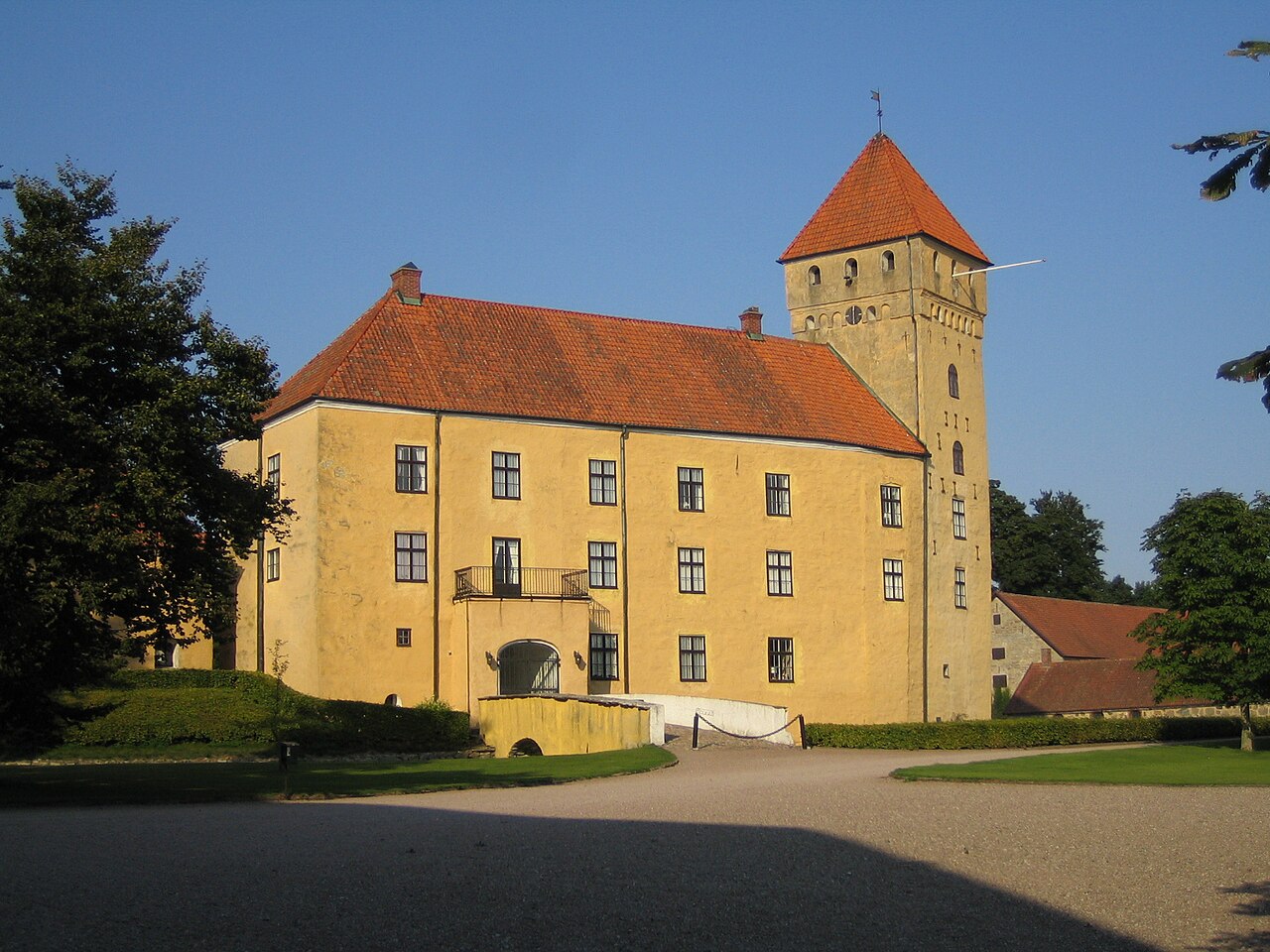
Tosterup Castle is a notable late medieval hill castle located in Tomelilla Municipality, Scania, southern Sweden, approximately 12 kilometres northeast of Ystad. Its origins trace back to the 15th century, with the tower constructed in the 1400s and the main building dating from the 1500s. The castle's present-day appearance largely results from significant 18th-century restoration efforts undertaken in the 1760s, when the original tower was integrated into the main structure, creating a more unified architectural form. Historical development and ownership The castle has witnessed a succession of ownership by several prominent noble families, which have influenced its evolution and status. Among these families are the Brahe, Thott, and Krabbe lineages, each contributing to the castle's legacy. Noteworthy owners include Jörgen Tygesen Brahe and Otte Tygesen Brahe, who were influential figures in the region during their tenure. Later, the estate was held by Rutger von Ascheberg and Margareta von Ascheberg, both significant in Swedish history. Subsequent proprietors such as Eric Ruuth, Johan Sparre af Söfdeborg, and Carl August Ehrensvärd have also left their mark on the castle's heritage. Architectural features and restoration The castle's architectural composition reflects its medieval origins combined with later modifications. The tower built in the 15th century originally stood as a distinct defensive structure, characteristic of hill castles designed for strategic advantage and protection. The main building, erected in the 16th century, expanded the residential and functional capacity of the estate. The 1760s restoration was pivotal in shaping the castle's current form. During this period, the tower was physically merged with the main building, enhancing both the aesthetic unity and practical use of the space. This restoration reflects the architectural trends of the time, emphasizing continuity and adaptation rather than complete reconstruction. Location and surroundings Situated in the scenic region of Scania, Tosterup Castle benefits from its position in the fertile and historically rich landscape of southern Sweden. Its location northeast of Ystad places it within an area known for numerous medieval castles and estates, contributing to the cultural tapestry of the region. The castle's setting on a hill provides natural defensive advantages and offers commanding views of the surrounding countryside. Current status and use Today, Tosterup Castle remains under the ownership of the Ehrensvärd family and is maintained as a private residence. While not generally open to the public, the castle's historical significance and architectural features continue to attract interest from historians and enthusiasts of Swedish noble heritage. Frequently asked questions How do i visit tosterup castle? Tosterup Castle is privately owned and not regularly open to the public. Visitors interested in viewing the exterior or learning about the castle should check for any special events or guided tours that may be occasionally available. What is the historical significance of tosterup castle? The castle is significant for its representation of late medieval architecture in southern Sweden and its association with prominent noble families such as the Brahe, Thott, and Krabbe. It reflects the region's feudal history and architectural evolution from the 15th century onward. When was tosterup castle built? The original tower was constructed in the 15th century, with the main residential building added in the 16th century. Major restoration and structural integration occurred in the 1760s. Can i explore the interior of the castle? As a private residence, the interior of Tosterup Castle is generally not accessible to the public. Interest in the castle's interior can be pursued through historical records and occasional special access events. Why is the castle located on a hill? The hilltop location provided strategic defensive advantages typical of hill castles in the medieval period, allowing for better surveillance and protection against attackers. Are there other castles nearby worth visiting? The region of Scania is rich in medieval castles and historic estates, including those near Ystad. Visitors to Tosterup Castle may also explore other nearby castles that showcase the area's noble heritage.

Late Medieval (14th–15th c.)
Details
3.8 km
Örup Castle — Sweden castle

Örup Castle

Tomelilla, Sweden

Örup Castle stands as a significant example of late medieval fortifications in southern Sweden, located in Tomelilla Municipality, Scania. Completed around the year 1500, this castle was part of a network of defensive structures including Glimmingehus, Bollerup Castle, and Tosterup Castle. These castles were strategically constructed during a turbulent period marked by ongoing conflicts between the Swedish and Danish kingdoms, reflecting the need for local lords to protect their lands from both external military threats and internal unrest. Historical background and ownership Örup Castle was first mentioned in historical records in 1437, when it was owned by the Danish noble family Qvitzow. Over the centuries, the castle changed hands among several prominent families, including the Flemming and Ulfstrand families. A significant period of ownership began in 1558 when the Rosencrantz family took possession of the castle, maintaining control until 1913. Today, the castle is privately owned by the Swartz family. Architectural features and style Örup Castle is classified as a hill castle, built on elevated terrain to maximize its defensive capabilities. Its construction dates to the Renaissance period, which is evident in certain architectural details, though the overall design retains many features typical of late medieval fortresses. The castle's robust stone walls, narrow windows, and fortified gatehouse reflect its primary function as a defensive stronghold. Defensive structures The castle includes thick curtain walls designed to withstand attacks and sieges, with battlements and parapets that provided defenders with protected positions. The presence of a moat or ditch around the castle, common in Scandinavian fortifications of this era, would have further enhanced its defensibility, although specific details about Örup’s moat are less documented. Residential and functional spaces Inside the walls, the castle housed residential quarters, storage areas, and possibly a great hall for gatherings and administrative functions. The design balanced the need for security with the requirements of noble living, including comfort and status display. Over time, modifications likely adapted the castle to changing military technologies and domestic needs. Context of construction and regional significance During the late 15th and early 16th centuries, the region of Scania was a contested borderland between Denmark and Sweden. The construction of Örup Castle and its contemporaries was a direct response to the uncertain political and military climate. These castles served not only as military fortresses but also as symbols of noble power and territorial control. The castles of this region, including Örup, played a role in the defense strategies during the numerous conflicts that shaped Scandinavian history, such as the Count’s Feud and other Danish-Swedish wars. Their presence helped secure local governance and provided refuge during times of unrest. Current status and visitor information Today, Örup Castle remains a privately owned property and is not generally open to the public. Its preservation status is considered well preserved, maintaining much of its historical character and structural integrity. While it does not operate as a public museum, the castle contributes to the cultural heritage of the Scania region and is part of the historical landscape that attracts interest from historians and enthusiasts of medieval architecture. Nearby castles and heritage tourism Visitors to the area often explore the cluster of castles in southern Scania, including Glimmingehus, which is open to the public and offers exhibitions on medieval life and castle architecture. These sites collectively illustrate the defensive network and noble residences that shaped the region’s history. Architectural legacy and cultural importance Örup Castle exemplifies the transition from medieval fortresses to Renaissance residences, reflecting broader changes in military technology and noble lifestyle during the period. Its enduring stone walls and strategic location highlight the importance of territorial defense in Scandinavian history. As part of the network of Scanian castles, Örup contributes valuable insight into the architectural and historical landscape of the era.

Renaissance (15th–17th c.)
Details
5.1 km

Högestad Castle

Ystad, Sweden

Högestad Castle is a notable Renaissance estate located in Ystad, Sweden. Its history stretches back to the Middle Ages when the property belonged to the Lund Archbishopric. Following the Reformation, the estate was transferred back to the Crown, reflecting the sweeping religious and political changes that reshaped Sweden during the 16th century. The current main building of Högestad Castle was constructed in 1635 after the estate was acquired by Palle Rosenkrantz, a prominent nobleman of the time. Rosenkrantz's construction exemplifies the Renaissance architectural style prevalent in Sweden during the 17th century, characterized by symmetrical layouts, classical proportions, and decorative elements inspired by the Italian Renaissance. The main building stands as a testament to the period's architectural ambitions and the wealth of its owners. Historical ownership and royal connections After its initial ownership by the Lund Archbishop, Högestad was reclaimed by the Swedish Crown post-Reformation, illustrating the shift in power from ecclesiastical to royal hands. In 1682, the estate was again returned to the King of Sweden, further cementing its status within royal property holdings. In 1706, the castle was sold by King Carl XII to Carl Piper, an influential statesman and close advisor to the king. This transaction highlights the estate's continued importance within the Swedish nobility and its role in the political landscape of the time. Architectural features and estate layout The castle's design reflects the Renaissance ideals of harmony and order. The main building, constructed by Rosenkrantz, features a balanced façade with evenly spaced windows and a central entrance. The use of brick and stone materials was typical for Swedish Renaissance manors, providing both durability and aesthetic appeal. While the castle itself is the focal point, Högestad also includes extensive agricultural lands, making it one of the largest farms in Sweden today. The surrounding estate has evolved over centuries but retains its historical character with traditional farm buildings and landscape features that complement the main residence. Preservation and current status Högestad Castle remains well preserved, maintaining much of its 17th-century character. Its status as a working farm has contributed to the upkeep of the estate, ensuring that both the architectural heritage and the agricultural tradition continue to thrive. Significance in Swedish heritage As a Renaissance manor with connections to prominent historical figures such as Palle Rosenkrantz and Carl Piper, Högestad Castle offers insights into Sweden's noble estate culture and architectural trends of the 17th century. Its continuous use and preservation make it a valuable example of how historical estates can adapt and endure through changing times. Visitors and scholars alike appreciate Högestad for its architectural integrity and its role in Sweden's cultural landscape, representing the intersection of religious history, royal politics, and Renaissance design principles.

Renaissance (15th–17th c.)
Details