Herat Citadel
The Citadel of Herat, also known locally as Arg-e Herat or Qala-ye Ikhtiaruddin, stands prominently in the heart of Herat, Afghanistan. This imposing bastioned fortress has a history that stretches back to the 4th century BC, making it one of the oldest continuously inhabited fortresses in the region. Its strategic location in the center of Herat has made it a key military and administrative center through various historical periods.
Historical significance and origins
The origins of the Herat Citadel date to the early medieval period, with archaeological evidence suggesting construction during the 4th century BC. It was initially built as a defensive stronghold to protect the city of Herat, which was an important hub on the ancient trade routes connecting Central Asia and the Middle East. Over the centuries, the citadel has witnessed numerous sieges, battles, and reconstructions under different empires, including the Achaemenids, Greeks under Alexander the Great, and later Islamic dynasties.
Architectural features and fortifications
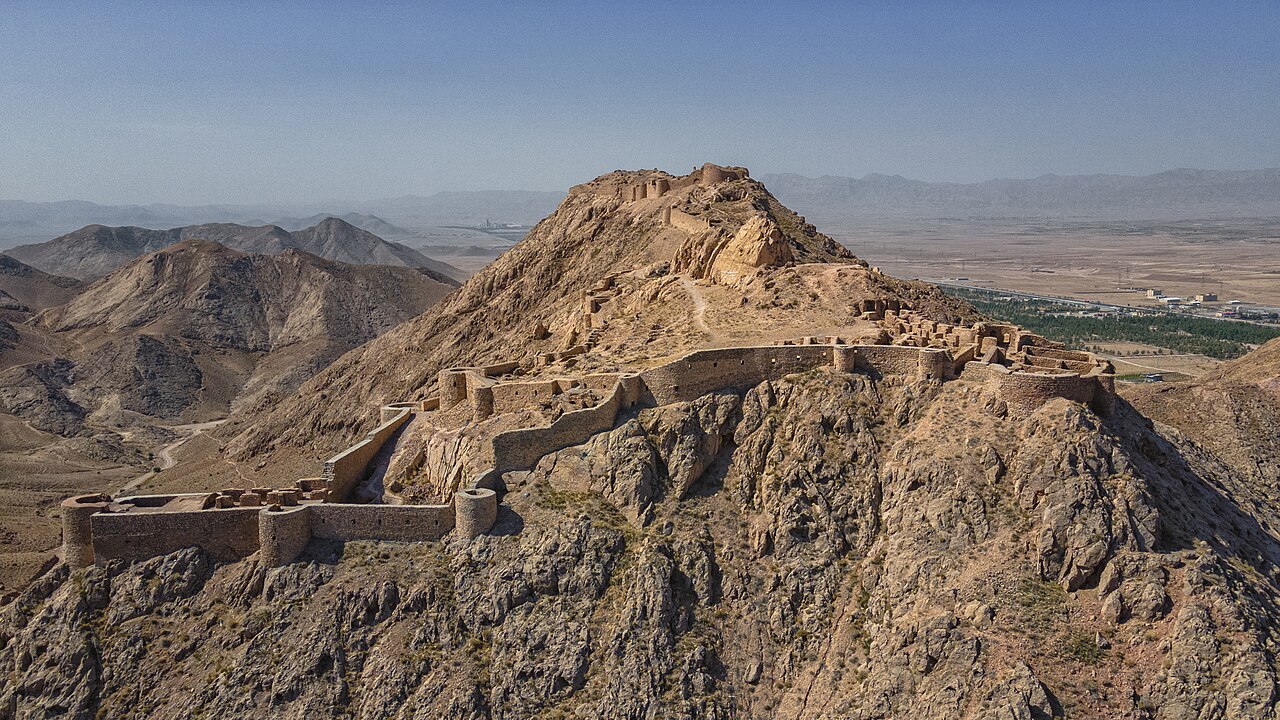
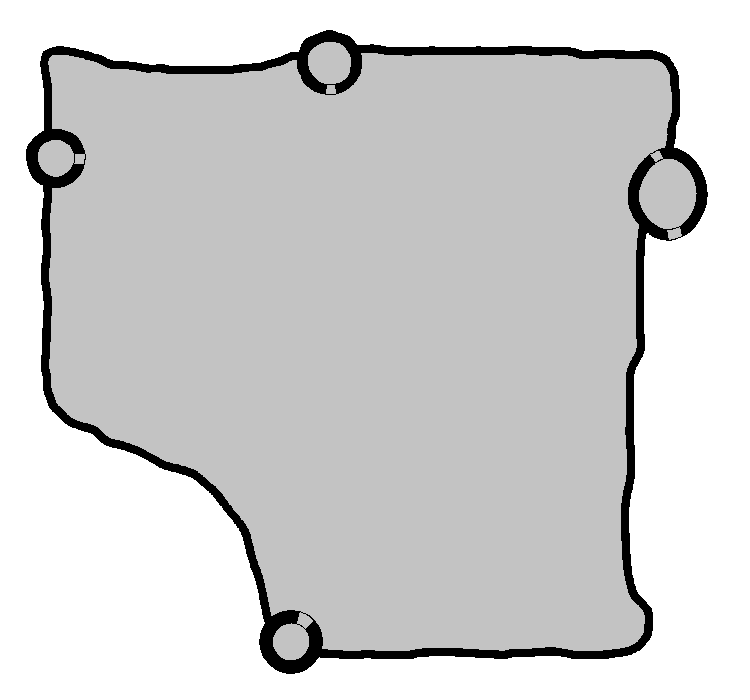
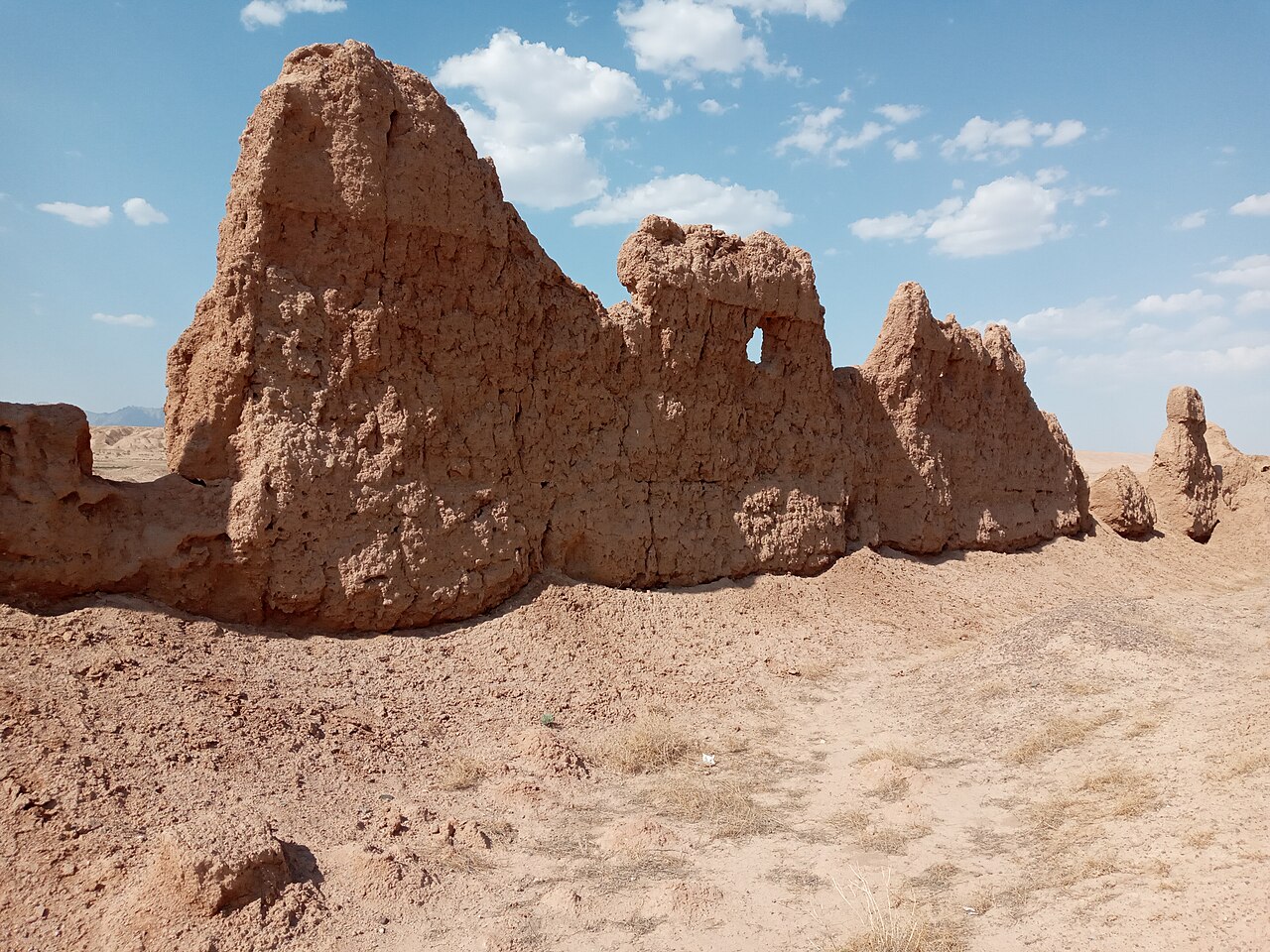
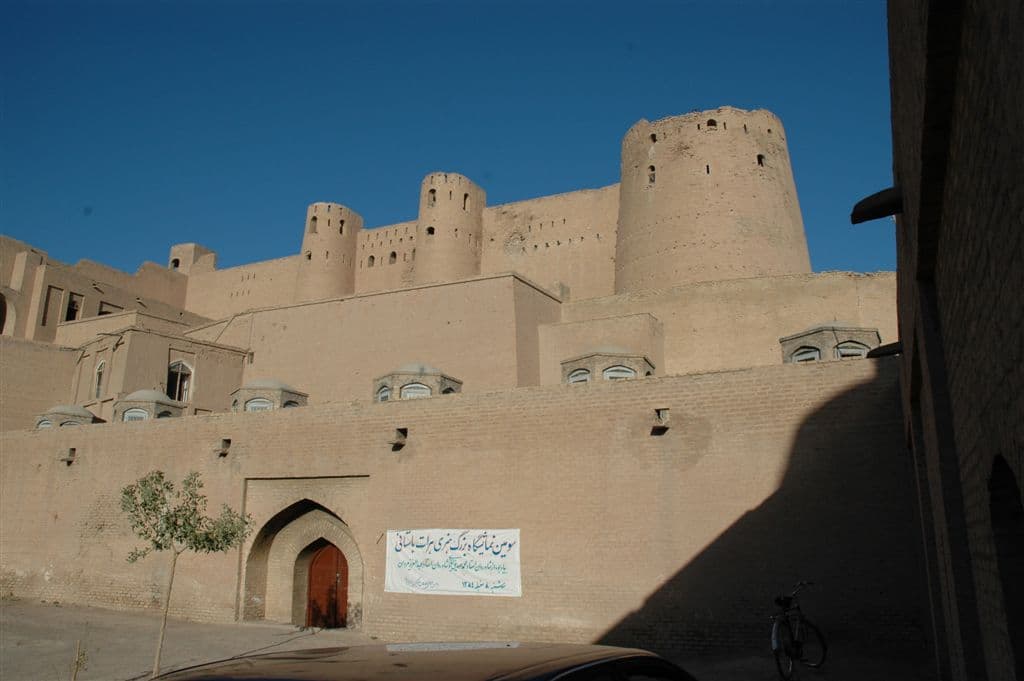
The Herat Citadel is classified as a bastioned fortress, characterized by its massive defensive walls reinforced with corner bastions that allowed defenders to cover all approaches with crossfire. The fortress is roughly rectangular in shape, surrounded by thick mud-brick walls that have been rebuilt and repaired many times throughout history. The walls are punctuated by towers and gatehouses that provided controlled access and enhanced defense.
Inside the citadel, there are remains of various residential quarters, administrative buildings, and military installations. The layout reflects adaptations to changing military technologies and administrative needs over centuries. The fortress also historically included water reservoirs and to withstand prolonged sieges.
Reconstruction and preservation efforts
The citadel has undergone numerous phases of reconstruction, especially during the Timurid period in the 15th century when Herat was a cultural and political center. More recently, restoration projects have been initiated to preserve the structure amidst damage from natural and human causes. These efforts aim to maintain the citadel as a cultural heritage site and tourist attraction, highlighting its architectural and historical importance.
Herat Citadel in the cultural landscape
Today, the Herat Citadel remains a symbol of the city's rich history and resilience. It is a focal point for visitors interested in Afghanistan's medieval architecture and history. The fortress's prominent location in Herat's urban fabric makes it an enduring landmark, reflecting the diverse layers of Afghan history and culture.
Visiting the citadel
Visitors to the Herat Citadel can explore its extensive walls, towers, and inner courtyards. While the site is partially preserved, ongoing restoration work means some areas may be restricted. Guided tours often provide insight into the fortress's complex history and architectural evolution, making it a valuable destination for history enthusiasts and scholars.
Frequently asked questions (FAQ)
- When was the Herat Citadel originally built?
- The Herat Citadel was originally constructed in the 4th century BC, making it one of the oldest fortresses in Afghanistan.
- What architectural style characterizes the Herat Citadel?
- The citadel is a bastioned fortress featuring thick mud-brick walls, corner bastions, towers, and gatehouses typical of early medieval military architecture.
- Is the Herat Citadel open to visitors?
- Yes, the citadel is open to visitors, though some areas may be restricted due to ongoing restoration efforts. Guided tours are often available.
- What historical periods influenced the Herat Citadel's construction?
- The citadel's construction and reconstruction span from the early medieval period through the Timurid era, reflecting various military and architectural influences.
- Where is the Herat Citadel located?
- The Herat Citadel is located in the center of Herat city, within Herat Province in Afghanistan.
Photo gallery

Information
Loading map...
Visitor reviews
No reviews yet. Been here? Write the first review and help other travelers!
Write the first reviewVisited this castle? Share your experience
Your review helps other travelers and adds first-hand knowledge to our encyclopedia.