Hatta Fort
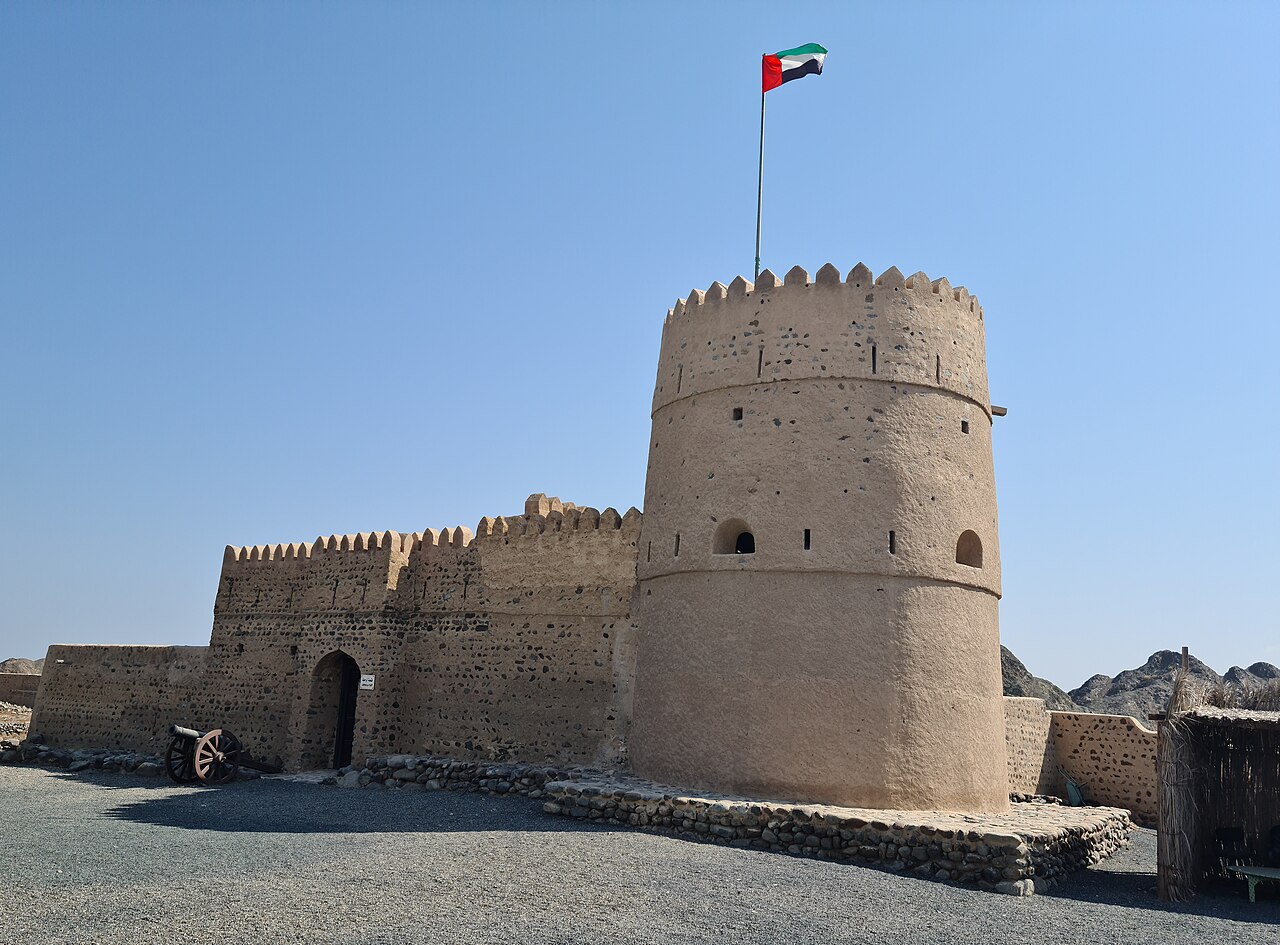
Hatta Fort is a prominent example of a 19th-century bastioned fortress located in the United Arab Emirates. This fortress is situated in the Hatta region, an enclave of Dubai near the border with Oman, which historically served as a strategic outpost. The fort's construction reflects the military architectural style typical of the era, designed to defend against invasions and raids in the region.
Historical context and strategic significance
Built in the 19th century, Hatta Fort was part of a network of defensive structures established to protect the vital mountain pass and surrounding settlements. The fort's location in the Hajar Mountains gave it a commanding position over the surrounding landscape, allowing surveillance and control of trade routes and tribal movements. This region was historically important as a gateway between the interior of the Arabian Peninsula and the coastal areas along the Persian Gulf and Gulf of Oman.
Architectural features and design
The fort exemplifies the characteristics of a bastioned fortress, a style that incorporates angular bastions projecting from the main walls to provide overlapping fields of fire. These bastions enhanced the fort's defensive capabilities by eliminating blind spots and allowing defenders to cover the curtain walls effectively. The walls were constructed using locally sourced stone and mudbrick, materials suited to the arid climate and readily available in the region.
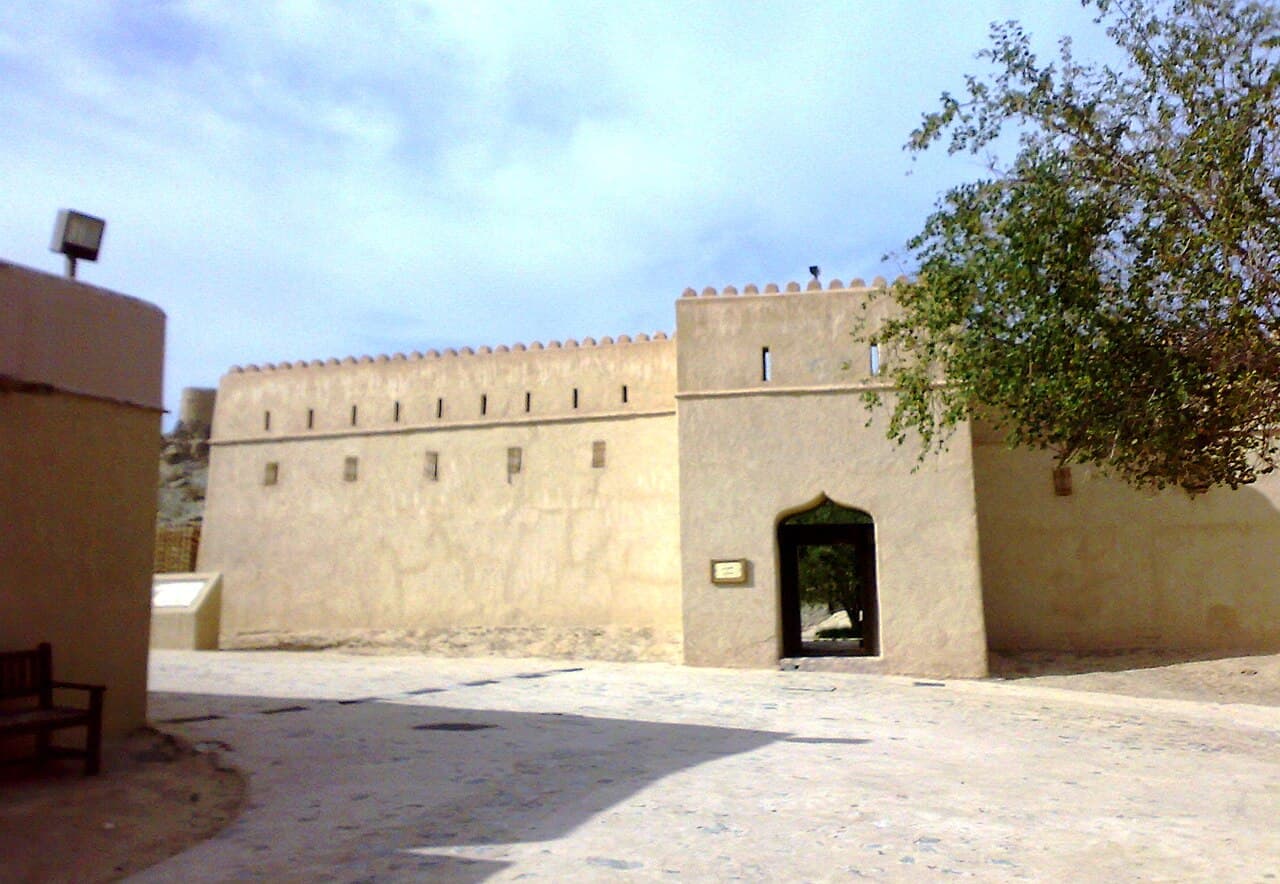
Hatta Fort typically features thick defensive walls, a central courtyard, and internal rooms that served as barracks, storage, and command centers. The design also includes narrow slit windows and elevated parapets for archers or riflemen. The fortress's layout reflects a practical approach to defense and habitation, balancing military needs with the harsh desert environment.
Construction techniques and materials
The builders employed traditional methods using stone masonry combined with mud mortar, which provided insulation against the intense heat. The use of bastions at the corners of the fort was a strategic adaptation influenced by European military architecture, adapted to local conditions and materials.
Role in regional history
Throughout its history, Hatta Fort played a key role in the defense of the Hatta area and the broader region. It was a focal point during tribal conflicts and served as a refuge for local populations during times of unrest. The fort also symbolized the authority of local rulers and their ability to maintain control over the mountain passes and trade routes.
In the modern era, the fort has become a cultural landmark, representing the heritage and historical resilience of the region. While no longer used for military purposes, it remains an important site for understanding the traditional defensive strategies and architectural practices of the Arabian Peninsula.
Current condition and preservation
Hatta Fort is generally well preserved, with much of its original structure intact. Restoration efforts have focused on maintaining the integrity of the stone walls and bastions, preventing deterioration caused by weathering and human activity. The fort is accessible to visitors and serves as an educational site, offering insights into the military architecture and history of the UAE.
Visiting information and cultural importance
Visitors to Hatta Fort can explore its imposing walls, bastions, and internal chambers. The site provides a tangible connection to the past and an opportunity to appreciate the engineering skills of its builders. The fort is often included in cultural tours of the Hatta region, which also features natural attractions such as wadis, mountains, and traditional villages.
Its preservation as a heritage site underscores the UAE's commitment to safeguarding historical monuments that reflect the nation's diverse cultural and historical landscape.
Frequently asked questions (FAQ)
- How do I get to Hatta Fort?
- Hatta Fort is located in Hatta, United Arab Emirates, approximately 115 kilometers from Dubai. Visitors can reach the fort by car, as it is a scenic drive through the Hajar Mountains, or by joining a guided tour that includes transportation.
- What is the historical significance of Hatta Fort?
- Hatta Fort dates back to the 19th century and served as a strategic military fortress. It played a crucial role in the defense of the region and reflects the rich cultural heritage and architectural style of the area.
- When was Hatta Fort built?
- Hatta Fort was constructed in 1896 to protect the area from external threats. Its construction marked a significant period in the region's history, showcasing the defensive architecture of that era.
- Can I enter Hatta Fort?
- Yes, visitors can enter Hatta Fort and explore its historical features. The fort has been restored and is open to the public, allowing guests to learn about its history and enjoy panoramic views of the surrounding landscape.
- Why is Hatta Fort considered an architectural landmark?
- Hatta Fort is considered an architectural landmark due to its unique blend of traditional Emirati design and military architecture. Its distinctive watchtowers and thick stone walls exemplify the defensive architecture of the time, making it a captivating site for visitors.
- Is it possible to visit Hatta Fort year-round?
- Yes, Hatta Fort is open to visitors throughout the year. However, the best time to visit is during the cooler months from October to March when the weather is more pleasant for outdoor exploration.
- What are the opening hours of Hatta Fort?
- Hatta Fort is typically open from 9 AM to 5 PM daily, allowing visitors ample time to explore its grounds. It is advisable to check in advance for any seasonal changes in opening hours.
- What are the ticket prices for Hatta Fort?
- Entry to Hatta Fort is usually free, making it an accessible destination for all visitors. However, some guided tours or special events may have associated fees, so it's best to verify before your visit.
- Are there any nearby attractions to Hatta Fort?
- Yes, nearby attractions include the Hatta Heritage Village, which offers insights into traditional Emirati life, and Hatta Dam, known for its stunning scenery and outdoor activities. Visitors can easily explore these sites as part of a day trip to Hatta.
Photo gallery

Information
Current owner
Government of Dubai
Loading map...
Visitor reviews
No reviews yet. Been here? Write the first review and help other travelers!
Write the first reviewVisited this castle? Share your experience
Your review helps other travelers and adds first-hand knowledge to our encyclopedia.