Awhala Fort
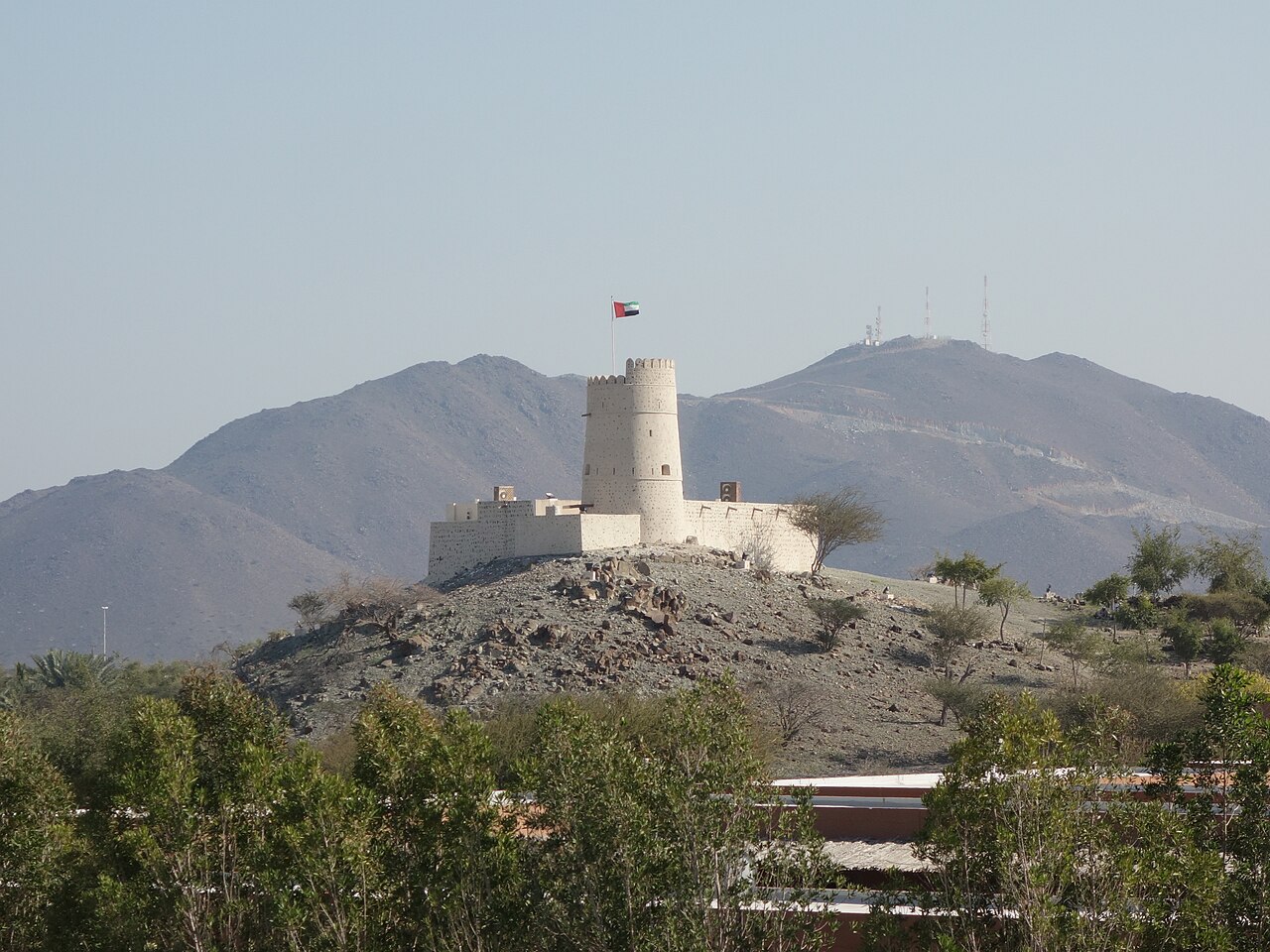
Awhala Fort, also spelled Wahlah or Wahalah, is a remarkable historic fortress located in the village of Awhala, within the emirate of Fujairah in the United Arab Emirates. This hill castle stands on a ridge overlooking a nearby wadi, commanding strategic views of the surrounding landscape and the village below. Its location highlights the fort’s enduring military and administrative importance over many centuries.
The current fort structure dates to the 18th century, making it a product of the post-Renaissance period in the region, though its origins and significance stretch far deeper into history. Archaeological excavations have revealed that the fort was constructed atop the remains of a much older fortified settlement, dating back to the Iron Age, approximately the 8th century BC. This earlier settlement was part of a long sequence of occupation spanning the Wadi Suq period (circa 1500 to 1300 BCE) through the Iron Age II (1000 to 600 BCE), marking the site as one of the largest prehistoric fortified complexes in southeastern Arabia.
Ancient origins and archaeological significance
The site of Awhala Fort reveals a fascinating stratigraphy of human settlement and defensive architecture. The prehistoric fortifications uncovered during excavations include extensive mudbrick and stone walls from the Wadi Suq and Iron Age periods. These remains indicate the site’s longstanding role as a defensive stronghold controlling vital routes through the wadi and surrounding terrain. The fort’s position near borderlands likely contributed to its strategic importance for controlling movement and protecting local communities.
Archaeologists have found numerous artifacts such as ceramic jars and pottery shards around the site, which further attest to continuous human occupation and cultural activity over many centuries. The integration of these ancient materials into the later Islamic fort’s fabric illustrates a continuity of use and respect for the site’s historical legacy.
Architectural features of the 18th-century fort
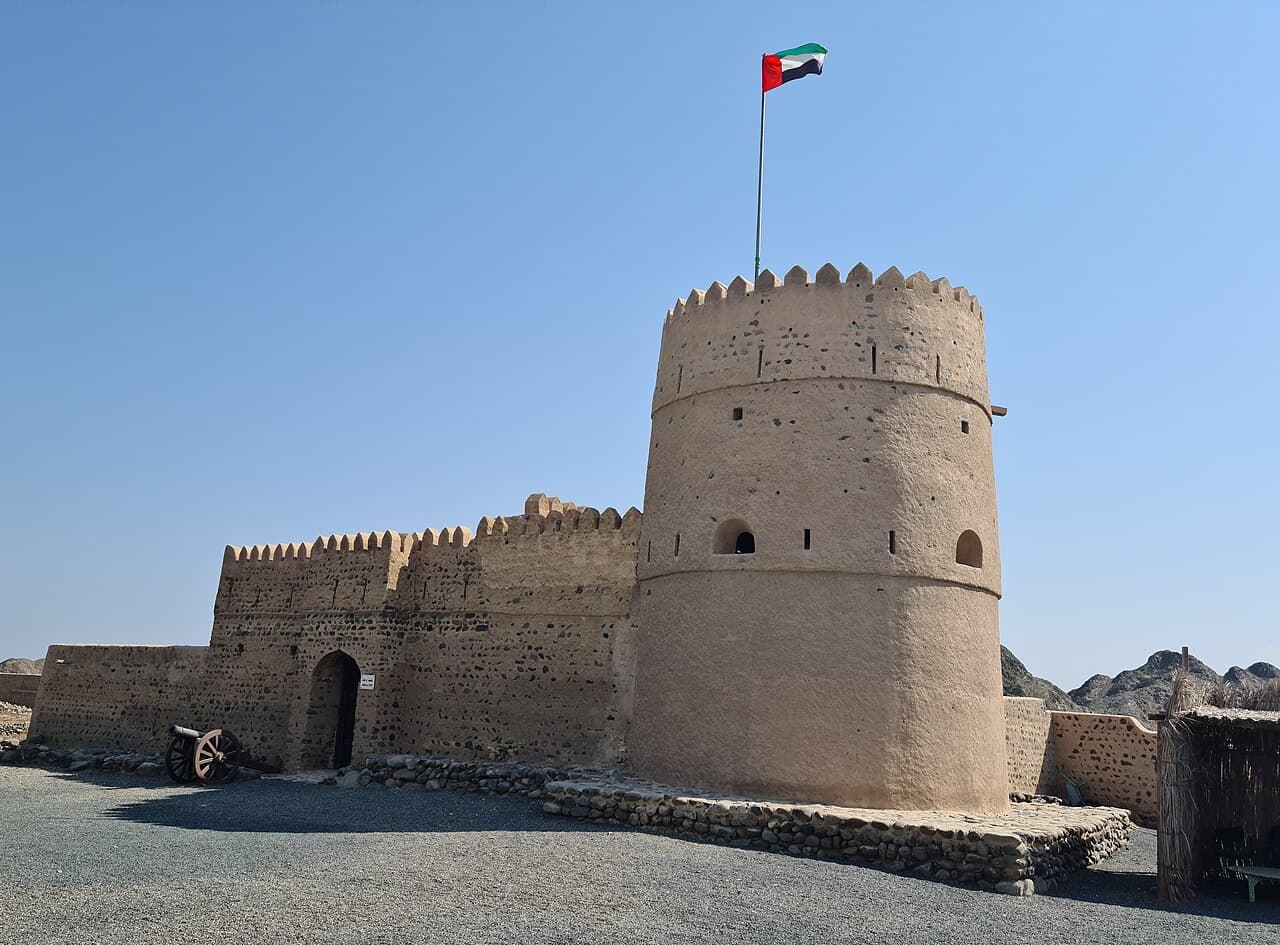
The present Awhala Fort is a compact, rectangular structure characterized by robust defensive features typical of Islamic military architecture of the late Islamic period. The fort’s most striking element is its circular watchtower, which rises approximately 11 meters high with a diameter of 9 meters. This tower served as a key vantage point for surveillance and defense, overseeing the surrounding valley and approaches to the fort.
The fort encloses a courtyard surrounded by thick basalt stone walls, approximately two meters in thickness, reflecting the use of local materials and traditional construction techniques. The courtyard is accessed through a main entrance that leads to a series of interior rooms, including a single chamber and two majlis or council chambers. These majlis were traditionally used for social gatherings and decision-making, with separate spaces for male and female occupants, underscoring the social organization within the fort.
Internal staircases connect different levels of the fort, enhancing its defensive functionality and allowing for efficient movement of inhabitants and guards. The restoration work carried out between 2003 and 2005 carefully preserved these architectural features, using basalt stones similar to the original to maintain the fort’s authenticity and historical integrity.
Historical context and cultural importance
Awhala Fort’s layered history reflects the broader historical dynamics of the region, where ancient settlements evolved into fortified sites responding to changing political and military needs. The fort’s construction in the 18th century coincides with a period of local tribal consolidation and increased fortification efforts across the Arabian Peninsula, as communities sought to defend their territories against rival groups and external threats.
Its location in Fujairah, one of the seven emirates of the UAE, places it within a landscape rich in archaeological heritage and traditional architecture. The fort exemplifies the adaptation of ancient defensive concepts into Islamic-period military architecture, bridging millennia of human occupation and cultural evolution.
Visiting Awhala Fort today
Today, Awhala Fort stands as a well-preserved monument to the region’s multifaceted history. Visitors can explore the fort during daylight hours, with access managed by a local guard who requests visitors to sign a guestbook. The site offers a unique opportunity to witness the architectural and archaeological layers that tell the story of human settlement from the Iron Age through the Islamic period.
The fort’s modest size and intimate setting provide a glimpse into the defensive strategies and social structures of past inhabitants. Its restoration has ensured the survival of key features, making it a valuable cultural heritage site within the UAE’s historical landscape.
Nearby archaeological remains
Adjacent to the fort are visible foundations of earlier dwellings, further enriching the site’s archaeological significance. These remains complement the fort itself, illustrating the continuity of habitation and the evolution of settlement patterns in the area.
Architectural style and materials
The fort’s architecture reflects the practical and aesthetic considerations of its builders. The use of basalt stone for walls and structural elements not only provided strength but also harmonized the fort with its natural surroundings. The rectangular layout, combined with the prominent circular tower, exemplifies a typical design approach for small Islamic forts in the region during the 18th century.
Cultural heritage and preservation efforts
The restoration project undertaken in the early 2000s was instrumental in preserving Awhala Fort’s structural integrity and historical character. By employing traditional materials and techniques, conservators ensured that the fort remains an authentic representation of its period. This effort reflects the UAE’s broader commitment to safeguarding its cultural heritage amidst rapid modernization.
Frequently asked questions (FAQ)
- How do I get to Awhala Fort?
- Awhala Fort is located in Wahlah, United Arab Emirates, and can be accessed by car or public transportation from nearby cities. The nearest major city is Al Ain, which offers various transportation options, including taxis and local buses. Make sure to have a map or GPS handy for easy navigation.
- What is the historical significance of Awhala Fort?
- Awhala Fort is a significant historical site that dates back to the 19th century, serving as a defensive structure for the local community. Its architecture reflects the traditional building styles of the region, showcasing the cultural heritage of the UAE. The fort played a crucial role during various conflicts and is now a symbol of the area's rich history.
- When was Awhala Fort built?
- Awhala Fort was constructed in the late 1800s, specifically around the year 1891. Its construction was part of a broader effort to fortify settlements in the region against external threats. The fort has since undergone restoration to preserve its historical value and attract visitors.
- Can I take photos inside Awhala Fort?
- Yes, visitors are welcome to take photos inside Awhala Fort, but it's always best to respect any posted signs or guidelines regarding photography. The fort's stunning architecture and picturesque surroundings provide excellent opportunities for memorable photos. Just be mindful of other visitors while capturing your moments.
- Why is Awhala Fort a popular tourist destination?
- Awhala Fort is popular among tourists due to its rich history and stunning architecture, which offers a glimpse into the past of the UAE. Additionally, the fort is set against a beautiful backdrop of the surrounding landscape, making it an excellent spot for photography and exploration. Its cultural significance adds to its appeal, making it a must-visit location for anyone interested in the history of the region.
- Is it possible to enter the fort and explore its interior?
- Yes, visitors are allowed to enter Awhala Fort and explore its interior, which includes various rooms and lookout points. The fort's design allows for an immersive experience where guests can appreciate the historical architecture up close. Guided tours may also be available to enhance your understanding of the site.
- What are the opening hours of Awhala Fort?
- Awhala Fort is typically open to visitors from 9 AM to 5 PM, but it's advisable to check for any seasonal changes or special holiday hours before your visit. The fort may have extended hours during peak tourist seasons. Always plan ahead to make the most of your visit.
- What are the ticket prices for Awhala Fort?
- Entry to Awhala Fort is generally free for all visitors, making it an accessible attraction for everyone. However, there may be fees for guided tours or special events. Always confirm current pricing and any potential costs before your visit.
- When is the best time to visit Awhala Fort?
- The best time to visit Awhala Fort is during the cooler months, from October to March, when temperatures are more pleasant for outdoor exploration. Visiting in the early morning or late afternoon can also provide a more comfortable experience. Additionally, this period allows you to enjoy the surrounding landscape in full bloom.
- Are there any nearby attractions to Awhala Fort?
- Yes, there are several nearby attractions, including the Hafeet Mountain and the Al Ain Oasis, both of which offer unique experiences in nature and history. The Al Ain National Museum is also close by, providing further insight into the region's heritage. Exploring these sites can enhance your visit to Awhala Fort.
Photo gallery

Information
Loading map...
Visitor reviews
No reviews yet. Been here? Write the first review and help other travelers!
Write the first reviewVisited this castle? Share your experience
Your review helps other travelers and adds first-hand knowledge to our encyclopedia.