Ajib Castle

Ajib Castle in Oman: historic fortress ruins in Al Batinah North
Ajib, Oman
Ruins

Ajib Castle, also spelled Ajeeb Castle, is a historic fortress located in the quiet village of Ajib, nestled in the foothills of the Al Hajar mountain range within the Al Batinah North Governorate of Oman. This castle stands as a modest yet intriguing example of traditional defensive architecture in the region, offering valuable insight into the area's historical military and residential structures.

Architectural features and layout

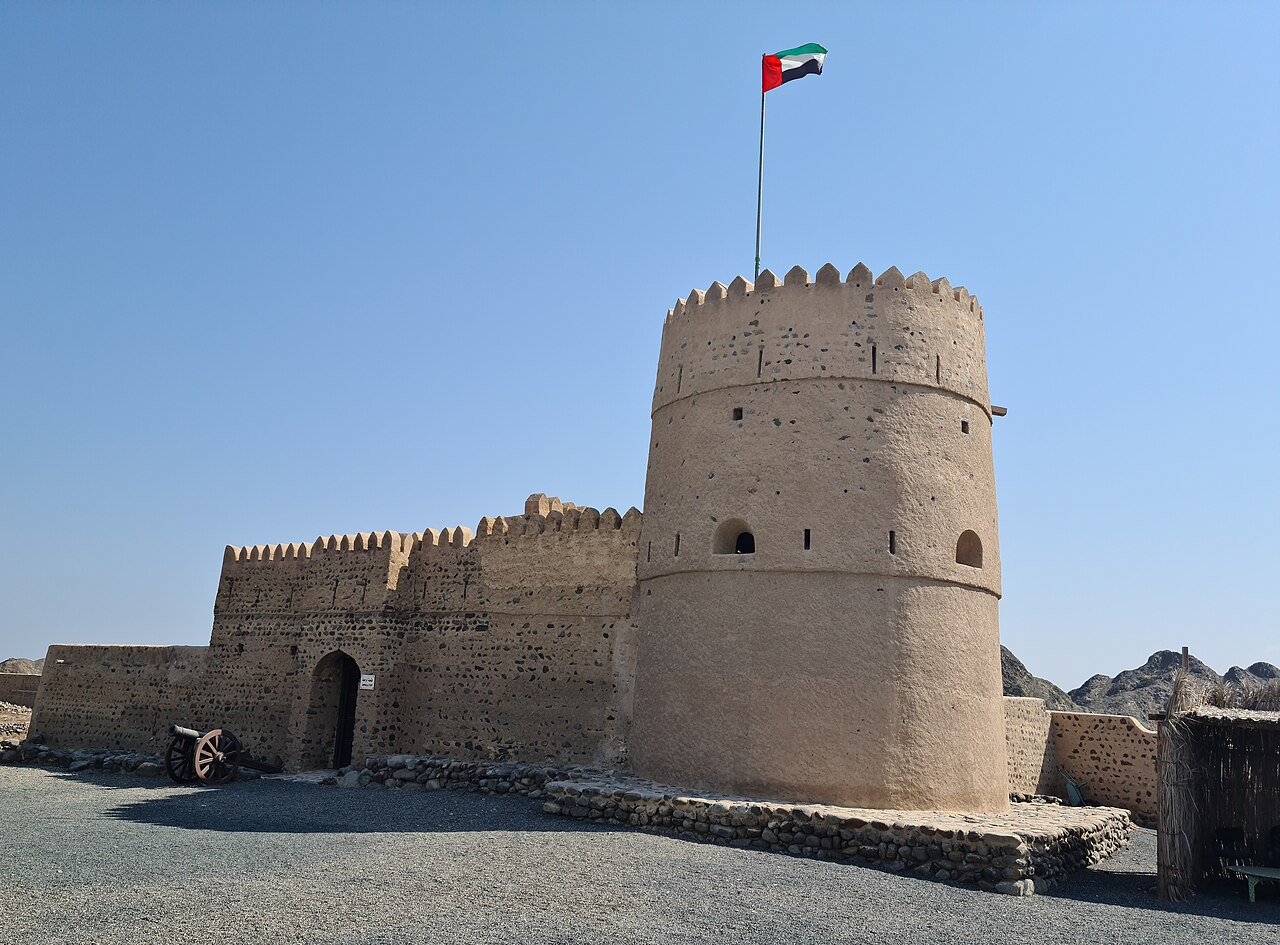
The castle has a distinctive square ground plan, which was a common design for fortifications aiming to maximize defensive capabilities. Currently, two round towers remain intact at opposite corners of the castle. These towers would have served as lookout points and defensive strongholds, providing vantage points to monitor the surrounding landscape and defend against invaders. Evidence suggests there may have been a third tower originally, although it has not survived.

A small gate building marks the entrance to the castle, which retains an old gate door that remains functional, a rare feature for ruins of this age. Inside the walls, visitors can find the remains of several internal structures, likely used for living quarters, storage, and other essential functions. The castle's walls and towers are constructed from local stone and mortar, typical of Omani fortifications designed to blend with the natural environment.

Historical context and significance

Unfortunately, detailed historical records about Ajib Castle are scarce, and its precise origins and historical role remain largely undocumented. The castle's location in the foothills of the Al Hajar mountains suggests it may have been strategically important for controlling local trade routes or serving as a defensive outpost for the surrounding region.

Its presence in the Al Batinah North Governorate, an area known for its historical settlements and fortifications, indicates that Ajib Castle was part of a network of castles and forts that helped secure the region against external threats. The castle's architecture aligns with defensive styles seen in other Omani castles, which were often built to withstand sieges and provide refuge for local populations.

Current condition and visitor information

Today, Ajib Castle is in a ruinous state, with significant portions of its walls and structures slowly crumbling. Despite this, the site remains accessible to visitors who wish to explore its historic remains. The castle is freely accessible, but visitors are advised to proceed with caution due to the fragile condition of the ruins.

The two halved towers and the old gate door are particularly notable features that attract visitors interested in historic architecture and archaeology. The castle's quiet location in a dusty village adds to its atmosphere, offering a glimpse into Oman's less-touristed historical sites.

Architectural and cultural importance

Ajib Castle exemplifies the traditional fortification style found in Oman, characterized by simple yet effective defensive elements such as thick stone walls, round towers, and a fortified gate. These features reflect the practical needs of the time, balancing defense with the limited resources available in a mountainous environment.

The castle contributes to the cultural heritage of the Al Batinah region, representing the historical efforts to protect and administer rural communities in Oman. Its ruins offer valuable opportunities for archaeological study and preservation efforts, which could provide further insights into the region's history and architectural evolution.

Frequently asked questions (FAQ)

How do I get to Ajib Castle?
Ajib Castle is located in Ajib, Oman, and can be reached by car or local transport from nearby cities. The castle is situated approximately 30 kilometers from the capital, Muscat, making it a convenient day trip for visitors. Parking is available near the castle for those driving.
What is the historical significance of Ajib Castle?
Ajib Castle dates back to the 16th century and represents a key part of Oman's rich heritage. It served as a strategic fortification during various historical conflicts, showcasing the architectural prowess of the time. The castle is an important symbol of Omani identity and resilience.
When was Ajib Castle built?
Ajib Castle was constructed in the 16th century, during a period of significant architectural development in Oman. Its design reflects the military needs of the time, incorporating elements that were effective for defense and habitation. The castle has been preserved as a testament to Oman's historical legacy.
Can I enter Ajib Castle?
Yes, visitors are welcome to explore Ajib Castle and its grounds. Inside, you can find fascinating displays that provide insight into the castle's history and architecture. However, it's recommended to check local guidelines or restrictions before your visit.
Why is the architecture of Ajib Castle unique?
The architecture of Ajib Castle is unique due to its blend of traditional Omani design and military functionality. It features thick walls, narrow windows, and strategic vantage points that were essential for defense. This design reflects the ingenuity of the builders and the historical context of its construction.
Is it possible to visit Ajib Castle year-round?
Yes, Ajib Castle is open for visitors year-round, but the best time to visit is during the cooler months, from October to March, when temperatures are more pleasant. During the summer months, the heat can be intense, making outdoor exploration less comfortable. Always check local weather conditions before planning your visit.
What are the nearby attractions to Ajib Castle?
Nearby attractions include the stunning Wadi Shab and the coastal town of Sur, known for its dhow-building tradition. Visitors can also explore the natural beauty of the surrounding mountains and deserts. These sites provide a great opportunity to enhance your visit to Ajib Castle.
What are the ticket prices for Ajib Castle?
Entrance to Ajib Castle is typically very affordable, with ticket prices around 2 Omani Rials for adults. Children and students may receive discounted rates, making it an accessible destination for families. It's advisable to check for any changes in pricing or special offers before your visit.
What are the opening hours of Ajib Castle?
Ajib Castle is generally open from 9 AM to 5 PM daily, allowing ample time for visitors to explore its grounds. However, it is closed on certain public holidays, so checking the schedule beforehand is recommended. Visiting during the earlier hours is advisable to avoid crowds and enjoy a more peaceful experience.

Information

Hill Castle

Loading map...

Visitor reviews

No reviews yet. Been here? Write the first review and help other travelers!

Write the first review

Visited this castle? Share your experience

Your review helps other travelers and adds first-hand knowledge to our encyclopedia.

Write a review

(5/5)

0/2000 characters

Your review will be visible after admin approval

Nearby castles

0.6 km

Ajib Tower

Near Ajib, Oman

Ajib Tower is a solitary watchtower perched on a mountain ridge north of the small village of Ajib, located in the Al Batinah North Governorate of Oman. This tower stands prominently in the foothills of the Al Hajar mountain range, offering commanding views over the surrounding landscape. Its strategic position on a ridge allows it to overlook the village below on one side and the Omani Al Wajajah border post on the other, indicating its historical role as a lookout point for monitoring movement and potential threats. Architectural features and location The tower has a rectangular ground plan and is constructed on a rugged, inaccessible mountaintop, emphasizing its defensive purpose. Its elevated position would have made it difficult for attackers to approach unnoticed, providing an advantageous vantage point for early warning. The structure itself is simple yet functional, typical of watchtowers designed primarily for observation rather than habitation or elaborate defense. Historical context and function While there is no detailed historical record available about Ajib Tower, its form and location strongly suggest it was built as a watchtower to serve as an early warning station. Watchtowers were commonly used in Oman and throughout the Arabian Peninsula to protect trade routes, settlements, and borders from raids and incursions. Given its proximity to the Al Wajajah border post, it likely played a role in monitoring border activity between Oman and its neighbors. Strategic importance Its position overlooking both the village and the border post would have allowed sentries to observe any approaching groups or threats from a distance. This would have been critical in a region where control of mountain passes and border crossings was essential for security and trade. Accessibility and present condition The tower is located on an inaccessible mountain top, which makes visiting challenging. The rugged terrain surrounding it has preserved its remote and mysterious aura. The current condition of the tower is not well documented, but its survival on such a harsh site suggests it was built with durable materials suited to the environment. Cultural significance and preservation Though little is known about the tower's origins or specific historical events associated with it, Ajib Tower contributes to the cultural landscape of the region. It exemplifies traditional defensive architecture used in Oman’s mountainous border areas. Preserving such structures is important for understanding local history and the methods used for territorial control and communication in earlier times. Further research and exploration Due to the scarcity of historical data, Ajib Tower remains somewhat enigmatic. Further archaeological studies and local historical research could shed light on its exact age, builders, and role in the region's defense network. Visitors interested in Oman’s military architecture and remote historical sites might find the tower a fascinating subject for exploration, despite the challenges posed by its location.

Details
11 km

Aswad Castle

Aswad, Oman

Aswad Castle is located in the quiet village of Aswad, nestled in the foothills of the Al Hajar mountain range within the Al Batinah North Governorate of Oman. This castle is notable for its simple yet strategic rectangular ground plan complemented by a prominent round tower, which stands as a distinctive architectural feature in the region. Its position in the foothills would have offered both a natural vantage point and defensive advantage, typical of many fortifications in Oman. The castle's southern side reveals excavated foundations of several adjoining structures, indicating a complex that likely included living quarters, storage rooms, or service areas. Although the castle appears to have undergone recent restoration efforts, detailed historical records and documentation about its origin, builders, or specific historical role remain scarce or unavailable in public sources. Architectural features and layout The rectangular layout of Aswad Castle is a common design in fortifications aiming for efficient use of space and ease of defense. The presence of a single round tower suggests a focus on surveillance and protection of the castle's perimeter. Round towers were preferred in certain eras and regions for their ability to better deflect projectiles and eliminate blind spots compared to square towers. The excavated foundations on the southern side indicate that the castle was part of a larger complex. These foundations may have supported additional defensive walls, residential buildings, or utility structures necessary for sustaining a garrison or local rulers. The materials and construction techniques visible in the restoration hint at traditional Omani stone masonry adapted to the mountainous environment. Historical context and significance Unfortunately, there is a lack of detailed historical information about Aswad Castle. Its exact date of construction, the identity of its builders, and its role in regional history have not been clearly documented in accessible sources. This absence of records is not uncommon for smaller or less prominent fortifications in Oman, where many castles served local tribal or administrative functions rather than being central to major historical events. Given its location in the Al Hajar foothills, the castle may have been part of a network of defensive sites protecting trade routes or local settlements. The Al Batinah region has historically been a significant area due to its proximity to the coast and mountain passes, which were important for commerce and military movements. Current condition and visitor information When last observed, Aswad Castle appeared to be recently restored, suggesting efforts to preserve this cultural heritage site. However, the castle was closed to visitors, and there is no publicly available information regarding regular opening hours or guided tours. This limits opportunities for tourists and researchers to explore its interior or gain deeper insights into its architectural and historical features. Visitors interested in Oman's lesser-known castles may find Aswad Castle intriguing due to its setting and structural characteristics. Its quiet location in a dusty village offers a glimpse into rural Omani life and the region's defensive architecture. Prospective visitors should seek local guidance or official tourism sources for updated access information. The castle in the context of oman's fortifications Oman is known for its numerous castles and forts, many of which date back to medieval and early modern periods. These structures often served as military strongholds, administrative centers, or residences for tribal leaders. While Aswad Castle may not be as famous as others like Nizwa Fort or Bahla Fort, it contributes to the rich tapestry of Oman's architectural heritage. The use of a rectangular plan combined with a round tower reflects a blend of practical defensive design and local building traditions. The castle's location in the Al Hajar foothills also aligns with the strategic placement of many Omani castles, which capitalize on natural terrain to enhance defense.

Details
14.5 km
Awhala Fort — United Arab Emirates castle

Awhala Fort

Wahlah, United Arab Emirates

Awhala Fort, also spelled Wahlah or Wahalah, is a remarkable historic fortress located in the village of Awhala, within the emirate of Fujairah in the United Arab Emirates. This hill castle stands on a ridge overlooking a nearby wadi, commanding strategic views of the surrounding landscape and the village below. Its location highlights the fort’s enduring military and administrative importance over many centuries. The current fort structure dates to the 18th century, making it a product of the post-Renaissance period in the region, though its origins and significance stretch far deeper into history. Archaeological excavations have revealed that the fort was constructed atop the remains of a much older fortified settlement, dating back to the Iron Age, approximately the 8th century BC. This earlier settlement was part of a long sequence of occupation spanning the Wadi Suq period (circa 1500 to 1300 BCE) through the Iron Age II (1000 to 600 BCE), marking the site as one of the largest prehistoric fortified complexes in southeastern Arabia. Ancient origins and archaeological significance The site of Awhala Fort reveals a fascinating stratigraphy of human settlement and defensive architecture. The prehistoric fortifications uncovered during excavations include extensive mudbrick and stone walls from the Wadi Suq and Iron Age periods. These remains indicate the site’s longstanding role as a defensive stronghold controlling vital routes through the wadi and surrounding terrain. The fort’s position near borderlands likely contributed to its strategic importance for controlling movement and protecting local communities. Archaeologists have found numerous artifacts such as ceramic jars and pottery shards around the site, which further attest to continuous human occupation and cultural activity over many centuries. The integration of these ancient materials into the later Islamic fort’s fabric illustrates a continuity of use and respect for the site’s historical legacy. Architectural features of the 18th-century fort The present Awhala Fort is a compact, rectangular structure characterized by robust defensive features typical of Islamic military architecture of the late Islamic period. The fort’s most striking element is its circular watchtower, which rises approximately 11 meters high with a diameter of 9 meters. This tower served as a key vantage point for surveillance and defense, overseeing the surrounding valley and approaches to the fort. The fort encloses a courtyard surrounded by thick basalt stone walls, approximately two meters in thickness, reflecting the use of local materials and traditional construction techniques. The courtyard is accessed through a main entrance that leads to a series of interior rooms, including a single chamber and two majlis or council chambers. These majlis were traditionally used for social gatherings and decision-making, with separate spaces for male and female occupants, underscoring the social organization within the fort. Internal staircases connect different levels of the fort, enhancing its defensive functionality and allowing for efficient movement of inhabitants and guards. The restoration work carried out between 2003 and 2005 carefully preserved these architectural features, using basalt stones similar to the original to maintain the fort’s authenticity and historical integrity. Historical context and cultural importance Awhala Fort’s layered history reflects the broader historical dynamics of the region, where ancient settlements evolved into fortified sites responding to changing political and military needs. The fort’s construction in the 18th century coincides with a period of local tribal consolidation and increased fortification efforts across the Arabian Peninsula, as communities sought to defend their territories against rival groups and external threats. Its location in Fujairah, one of the seven emirates of the UAE, places it within a landscape rich in archaeological heritage and traditional architecture. The fort exemplifies the adaptation of ancient defensive concepts into Islamic-period military architecture, bridging millennia of human occupation and cultural evolution. Visiting Awhala Fort today Today, Awhala Fort stands as a well-preserved monument to the region’s multifaceted history. Visitors can explore the fort during daylight hours, with access managed by a local guard who requests visitors to sign a guestbook. The site offers a unique opportunity to witness the architectural and archaeological layers that tell the story of human settlement from the Iron Age through the Islamic period. The fort’s modest size and intimate setting provide a glimpse into the defensive strategies and social structures of past inhabitants. Its restoration has ensured the survival of key features, making it a valuable cultural heritage site within the UAE’s historical landscape. Nearby archaeological remains Adjacent to the fort are visible foundations of earlier dwellings, further enriching the site’s archaeological significance. These remains complement the fort itself, illustrating the continuity of habitation and the evolution of settlement patterns in the area. Architectural style and materials The fort’s architecture reflects the practical and aesthetic considerations of its builders. The use of basalt stone for walls and structural elements not only provided strength but also harmonized the fort with its natural surroundings. The rectangular layout, combined with the prominent circular tower, exemplifies a typical design approach for small Islamic forts in the region during the 18th century. Cultural heritage and preservation efforts The restoration project undertaken in the early 2000s was instrumental in preserving Awhala Fort’s structural integrity and historical character. By employing traditional materials and techniques, conservators ensured that the fort remains an authentic representation of its period. This effort reflects the UAE’s broader commitment to safeguarding its cultural heritage amidst rapid modernization.

Post-Renaissance (17th–18th c.)
Details