Handaberd
Handaberd castle, also known historically as Lekh Castle or Lev Castle, is a significant 9th-century fortress situated in the Kalbajar District of Azerbaijan. Positioned strategically on the right bank of the Levçay River, near the villages of Lev and Knaravan, this fortress was constructed during the early medieval period by Atrnerseh I, the ruler of the Armenian Principality of Khachen. The castle served both as a defensive stronghold and a princely residence, reflecting the turbulent history and geopolitical importance of the region during that era.
Historical background and significance
The establishment of Handaberd in the 9th century coincides with a period of regional consolidation and fortification in the South Caucasus. Atrnerseh I, a prominent figure of the Armenian Principality of Khachen, built the fortress to secure his domain against external threats and to assert his authority. The principality itself was a notable Armenian feudal entity that played a crucial role in the medieval history of the area, which is now part of modern Azerbaijan.
Handaberd's location near the Levçay River provided natural defensive advantages, with the watercourse acting as a natural barrier. The proximity to the villages of Lev and Knaravan also suggests the fortress's role in controlling local trade routes and agricultural lands, consolidating both military and economic power.
Architectural features and fortifications
Handaberd is classified as a bastioned fortress, a type of fortification characterized by projecting bastions that allow defensive fire in multiple directions. While the exact layout details are limited, the fortress's design would have incorporated thick stone walls, towers, and bastions to withstand sieges typical of the early medieval period.
The fortress likely included a keep or donjon, serving as the last line of defense and the residence of the ruling lord. Defensive features such as arrow slits, battlements, and possibly a moat or natural water defenses would have been integrated to enhance its security. The use of locally sourced stone and masonry techniques of the time contributed to the fortress's durability.
Defensive walls and bastions
The bastioned design enabled defenders to cover blind spots and repel attackers more effectively. The walls were probably reinforced with towers at intervals, allowing archers and guards to maintain surveillance and deliver crossfire. The bastions projected outward, providing overlapping fields of fire and minimizing vulnerable angles.
Internal structures and living quarters
Inside the fortress, there would have been residential quarters, storage rooms, and possibly a chapel or religious space reflecting the Christian heritage of the Armenian Principality. The layout balanced military needs with the requirements of a noble household, including spaces for administration and daily life.
Role in regional conflicts and legacy
Throughout the centuries, Handaberd witnessed various conflicts and changes in control due to its strategic location in the South Caucasus. It was part of the defensive network of the Armenian Principality of Khachen, which faced pressures from neighboring powers and nomadic incursions.
The fortress's endurance through time highlights its robust construction and strategic design. Although now in a state of ruins, Handaberd remains an important cultural and historical monument, reflecting the medieval Armenian presence in the region and the complex history of Azerbaijan's borderlands.
Current condition and preservation efforts
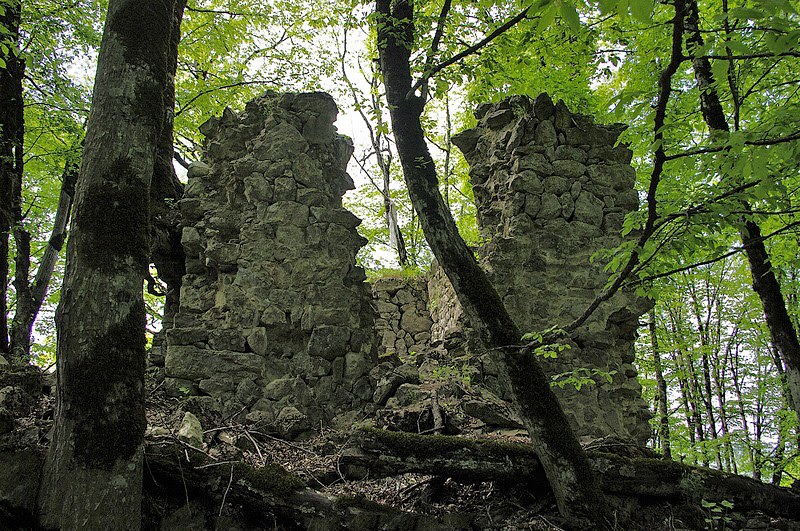
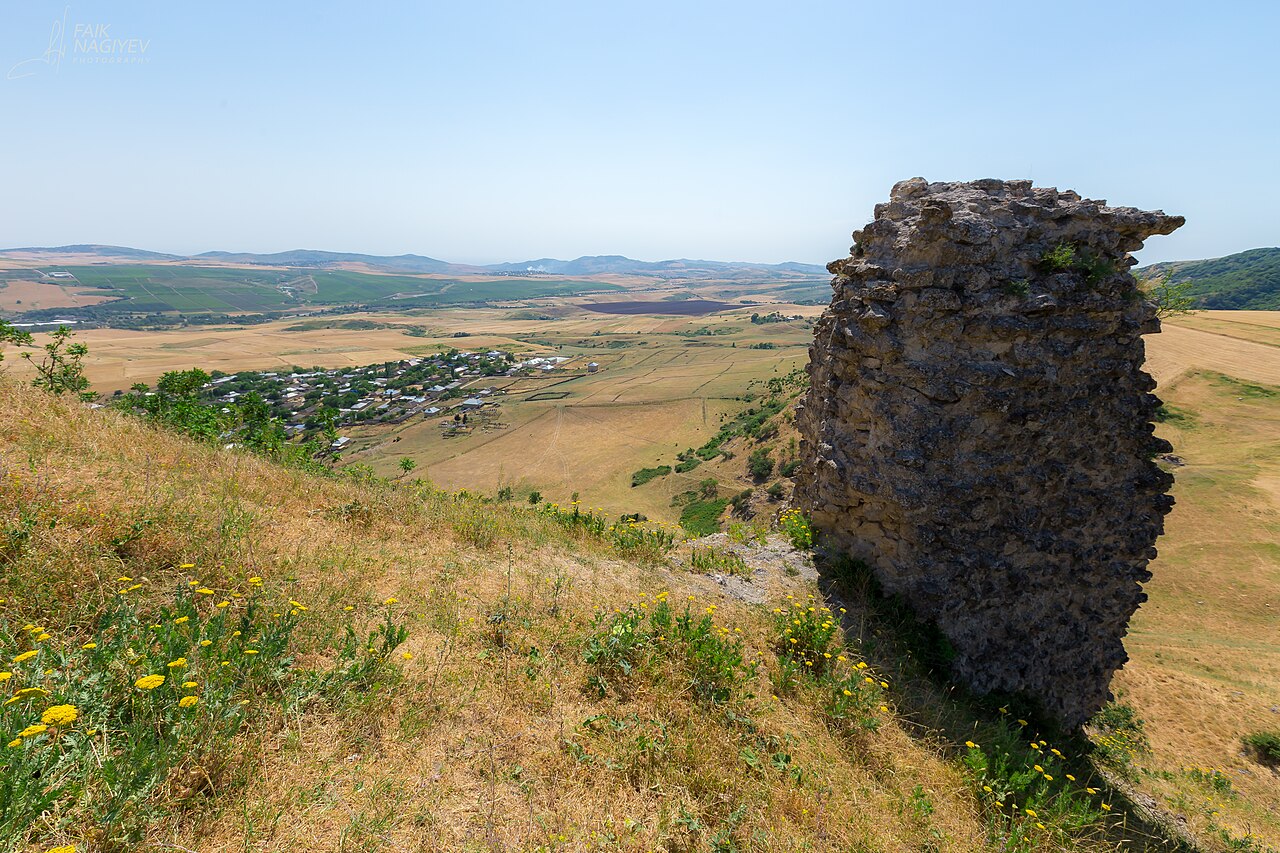
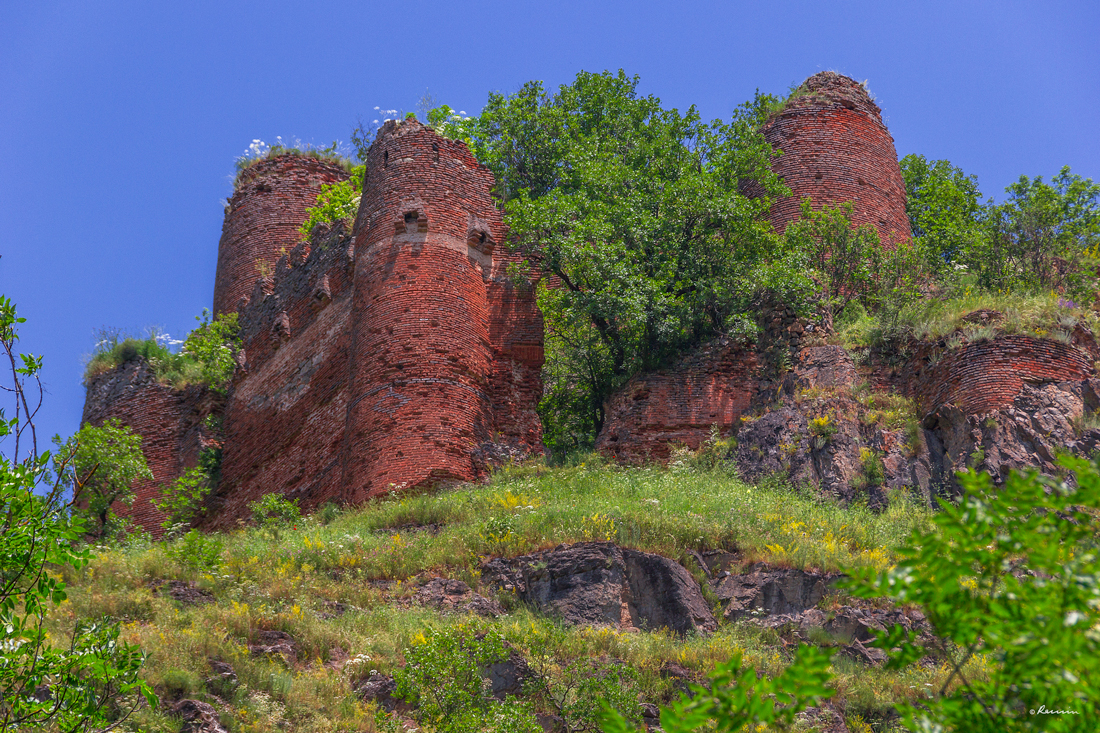
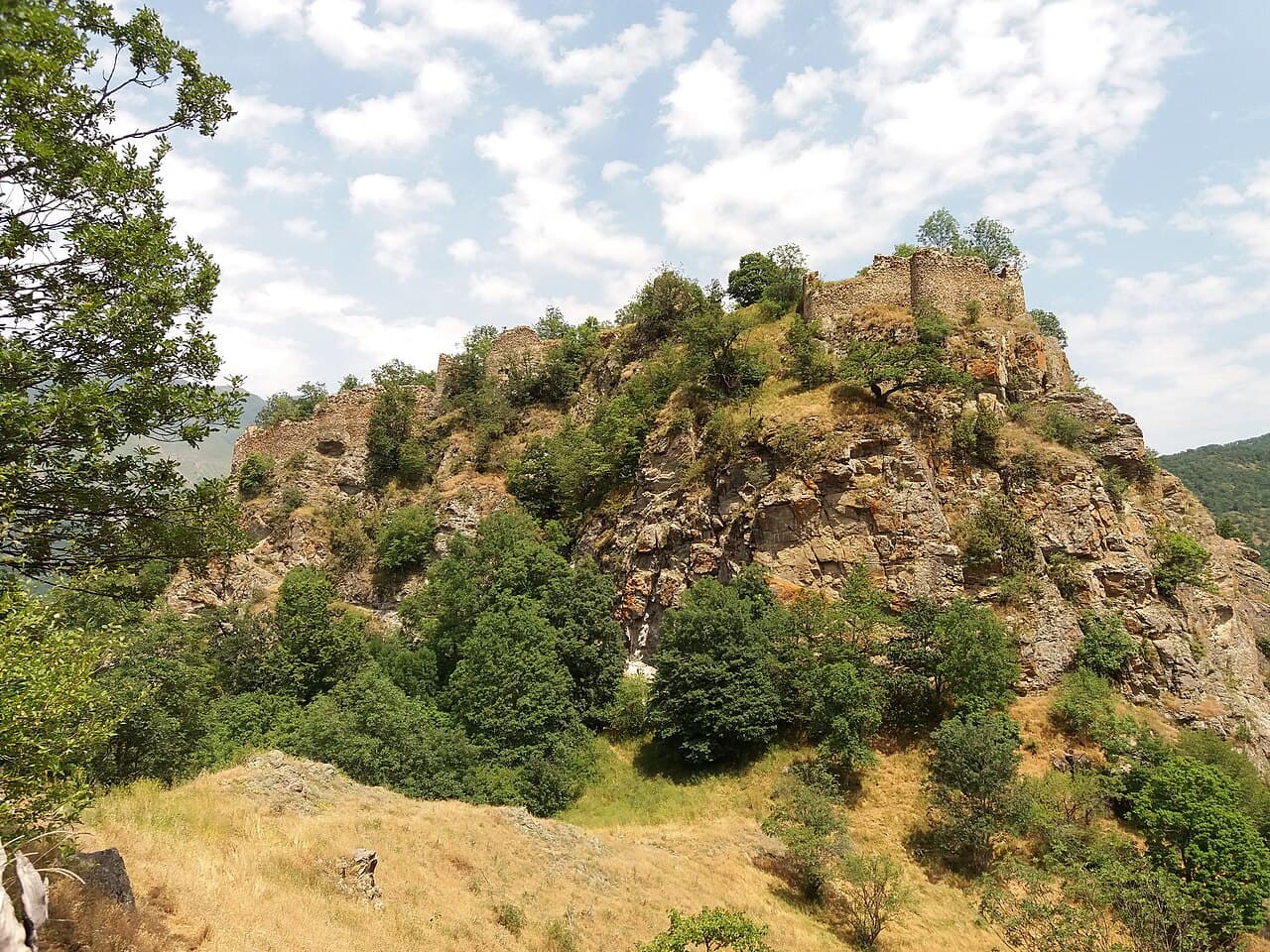
Today, Handaberd stands as ruins, with remnants of its walls and bastions visible amidst the natural landscape. The site offers valuable insights into early medieval military architecture and the historical dynamics of the Kalbajar District.
Preservation efforts are challenged by the region's geopolitical situation and natural decay. However, the fortress continues to attract historians, archaeologists, and visitors interested in the medieval history of the South Caucasus and the architectural heritage of fortress construction in the 9th century.
Visiting Handaberd castle
Access to Handaberd may be limited due to its remote location and the complex political context of the Kalbajar District. Prospective visitors should seek local guidance and permissions where necessary. The surrounding natural scenery and the castle's elevated position provide a compelling destination for those interested in historical ruins and early medieval fortifications.
Frequently asked questions (FAQ)
- How do I get to Handaberd castle?
- Handaberd castle is located in the Kalbajar District of Azerbaijan near the villages of Lev and Knaravan. Due to its remote location and regional security considerations, visitors should plan their route carefully and seek local advice or guides for access.
- What is the historical significance of Handaberd castle?
- Handaberd castle was built in the 9th century by Atrnerseh I, ruler of the Armenian Principality of Khachen. It served as a defensive stronghold and residence, playing a vital role in the medieval history of the South Caucasus region.
- Is Handaberd castle accessible to tourists?
- Access to Handaberd castle may be restricted due to its location in a geopolitically sensitive area. Visitors should check current conditions and permissions before planning a visit.
- What architectural features define Handaberd castle?
- Handaberd is a bastioned fortress featuring thick stone walls, projecting bastions for defense, and likely included a keep and living quarters typical of early medieval fortifications.
- When was Handaberd castle built?
- Handaberd castle was constructed in the 9th century during the early medieval period by Atrnerseh I of the Armenian Principality of Khachen.
Photo gallery

Information
Loading map...
Visitor reviews
No reviews yet. Been here? Write the first review and help other travelers!
Write the first reviewVisited this castle? Share your experience
Your review helps other travelers and adds first-hand knowledge to our encyclopedia.