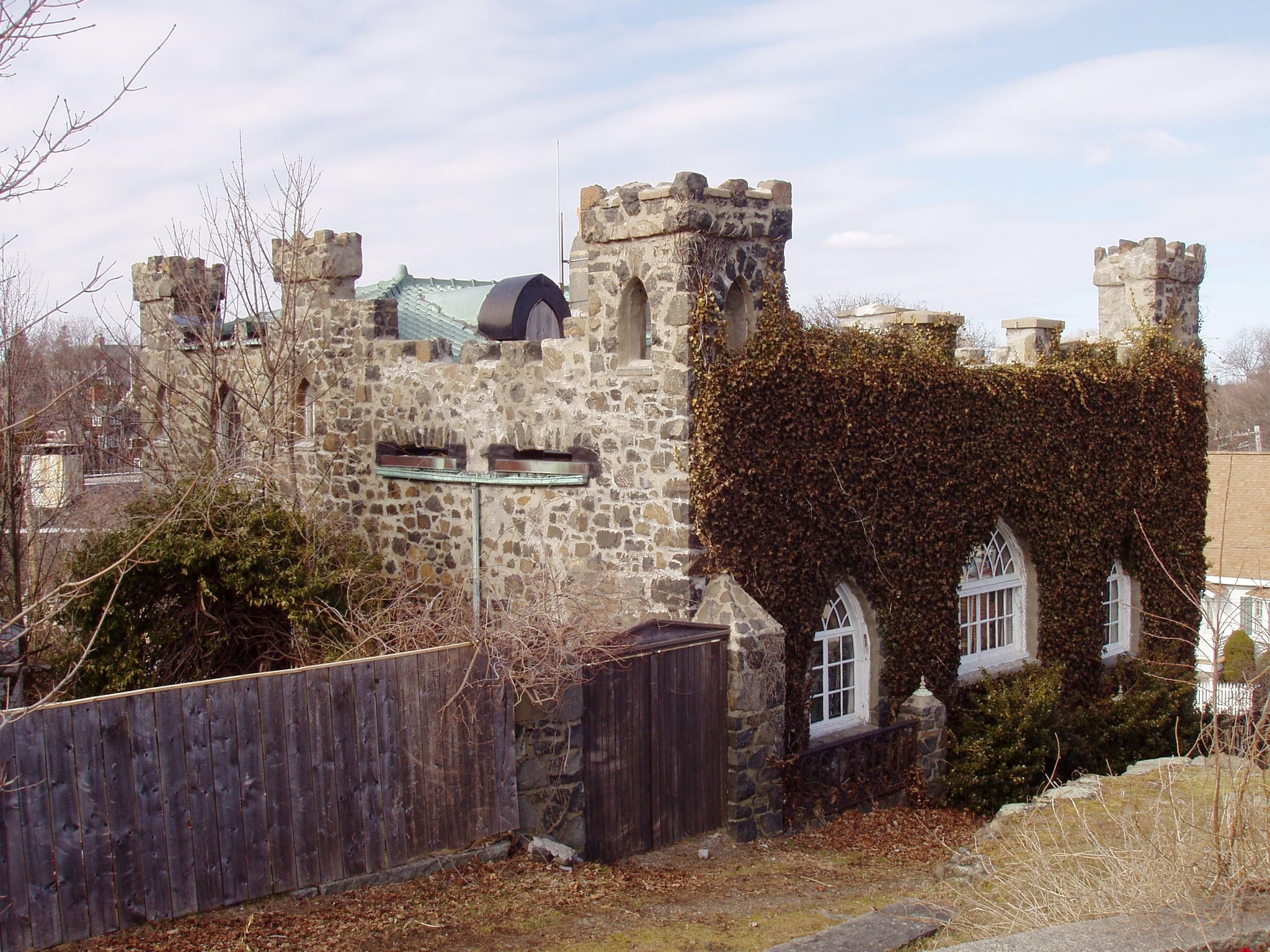
Hammond Castle Museum
Hammond Castle Museum, located in Gloucester, Massachusetts, is a unique historic site that blends the worlds of innovation and medieval European architecture. The castle was the home and laboratory of John Hays Hammond Jr., a prolific inventor and pioneer in the field of remote control technology. Inspired by his mentor, Thomas Edison, Hammond Jr. amassed an impressive portfolio of patents, second only to Edison himself, and contributed significantly to early radio control systems, earning him the nickname "the father of remote control."
Built between 1926 and 1929, Hammond Castle is a striking example of romantic neo-Gothic architecture in the United States. Unlike traditional medieval castles, Hammond Castle was designed as a personal residence and laboratory, incorporating authentic architectural elements salvaged from European castles and cathedrals. The castle's construction reflects Hammond's deep passion for European history and his desire to immerse himself in the ambiance of the medieval period.
Architectural design and features
The castle's design is characterized by its stone walls, turrets, arched windows, and a dramatic courtyard that evokes the spirit of a medieval fortress. Hammond incorporated numerous historic artifacts into the structure, including stained glass windows, carved woodwork, and ironwork, giving the castle an authentic and eclectic feel. The castle also features a great hall with a massive fireplace, a library filled with rare books, and a laboratory where Hammond conducted his experiments and developed his inventions.
The great hall and living quarters
The great hall serves as the centerpiece of the castle, with its soaring ceilings and intricate stonework. It was designed not only as a gathering space but also as a showcase for Hammond's extensive collection of medieval and Renaissance artifacts. The living quarters blend comfort with historic charm, featuring antique furnishings and period details that reflect Hammond's appreciation for European culture.
The laboratory and technological innovations
Hammond's laboratory was equipped with state-of-the-art technology for its time, allowing him to experiment with radio waves and remote control devices. This space highlights Hammond's dual identity as both a man of science and a lover of history, merging cutting-edge innovation with a medieval aesthetic.
Historical context and significance
John Hays Hammond Jr.'s life and work exemplify the spirit of early 20th-century American innovation. His relationship with Thomas Edison profoundly influenced his career, and his contributions to radio control technology paved the way for many modern applications, including unmanned vehicles and remote-operated devices. Hammond Castle stands as a testament to his legacy, preserving both his inventive genius and his passion for history.
The castle also reflects the broader cultural trends of the 1920s and 1930s, when wealthy Americans often built grand homes inspired by European castles and manor houses. Hammond's approach was unique in its authentic incorporation of historic materials and its dual function as a home and scientific laboratory.
Visiting hammond castle museum today
Today, Hammond Castle Museum is open to the public, offering visitors a chance to explore its well-preserved romantic neo-Gothic architecture and learn about the fascinating life of John Hays Hammond Jr. The museum hosts guided tours that highlight the castle's architectural features, Hammond's inventions, and the eclectic collection of artifacts displayed throughout the property.
The castle's location overlooking the Atlantic Ocean provides a picturesque setting, enhancing the visitor experience. Educational programs and special events further enrich the museum's offerings, making it a popular destination for history enthusiasts, architecture lovers, and those interested in the history of technology.
Visitor information
- Hours: Typically open daily from 10:00 AM to 4:00 PM, with seasonal variations.
- Admission: Tickets are generally priced around $15 for adults, with discounts for children and seniors.
- Accessibility: The castle offers accommodations for visitors with mobility challenges, though some areas may have limited access due to the historic nature of the building.
- Nearby attractions: Gloucester's historic harbor, maritime museums, and coastal parks provide additional points of interest.
Legacy and cultural impact
Hammond Castle Museum not only preserves the memory of an important American inventor but also serves as a cultural bridge connecting technological progress with historical appreciation. Its unique combination of scientific innovation and medieval-inspired architecture makes it a singular landmark in the United States.
The castle continues to inspire visitors with its story of creativity, curiosity, and the enduring allure of history brought to life through architecture. It stands as a monument to John Hays Hammond Jr.'s vision of blending the past and future in a single, captivating space.
Frequently asked questions (FAQ)
- How do I get to Hammond Castle Museum?
- Hammond Castle Museum is located in Gloucester, Massachusetts. Visitors can reach the castle by car, bike, or public transportation, with ample parking available on-site for those driving.
- What is the historical significance of Hammond Castle Museum?
- Hammond Castle Museum was built in the 1920s by inventor John Hays Hammond Jr. as both a home and a laboratory for his inventions. The castle showcases a unique blend of medieval and Renaissance architectural styles, reflecting Hammond's fascination with history and technology.
- When was Hammond Castle Museum opened to the public?
- Hammond Castle Museum was opened to the public in 1973, allowing visitors to explore its rich history, stunning architecture, and beautiful gardens. Since then, it has become a popular destination for those interested in both history and architecture.
- Can I take photographs inside the museum?
- Yes, visitors are welcome to take photographs in designated areas of Hammond Castle Museum. However, flash photography and tripods are not allowed inside to ensure the preservation of the artifacts.
- Why is Hammond Castle Museum considered an architectural gem?
- Hammond Castle Museum is considered an architectural gem because it combines elements from various historical styles, including Romanesque, Gothic, and medieval design. The castle features intricate stonework, beautiful stained glass, and an impressive collection of art and artifacts.
- Is it possible to host events at Hammond Castle Museum?
- Yes, Hammond Castle Museum offers event spaces for weddings, corporate events, and private gatherings. The stunning backdrop of the castle and its grounds provides a unique setting for any occasion.
- What are the opening hours for Hammond Castle Museum?
- Hammond Castle Museum is typically open for visitors from May through October, with specific hours varying by day. It is recommended to check the official website for the most up-to-date information on hours and any special events.
- What are the ticket prices for visiting Hammond Castle Museum?
- Ticket prices for Hammond Castle Museum vary based on age and group size, with discounts available for seniors, students, and children. Visitors can purchase tickets online or at the entrance, and guided tours are included with admission.
- What is the best time to visit Hammond Castle Museum?
- The best time to visit Hammond Castle Museum is during the spring and fall when the weather is mild, and the gardens are in full bloom. Additionally, visiting during weekdays can help avoid larger weekend crowds.
- Are there any nearby attractions to visit after Hammond Castle Museum?
- Yes, there are several nearby attractions, including Good Harbor Beach, Cape Ann Museum, and the scenic Rocky Neck Art Colony. These locations provide a great way to spend a full day exploring the beauty and culture of Gloucester.
Information
Website
Visit websiteSources & official resources
Verify the information above using these authoritative references.
Loading map...
Visitor reviews
No reviews yet. Been here? Write the first review and help other travelers!
Write the first reviewVisited this castle? Share your experience
Your review helps other travelers and adds first-hand knowledge to our encyclopedia.