Hamada Castle
Hamada Castle (浜田城, Hamada-jō) is a historic castle ruin located in Hamada city within Shimane Prefecture, Japan. Constructed in the early 17th century during the early Edo period, it served as a strategic stronghold in western Japan. Although now in a state of ruins, the site remains an important cultural and historical landmark that offers valuable insights into Japanese castle architecture and feudal history.
Historical background and significance
The castle was originally built by the Mōri clan, a powerful feudal family that controlled much of the Chūgoku region during the late Sengoku and early Edo periods. Hamada Castle was constructed as a hilltop fortress to defend the clan's western territories and oversee the Sea of Japan coastline. Its location in Hamada allowed control over important trade routes and access to maritime activities.
Following the Battle of Sekigahara in 1600, which led to the establishment of the Tokugawa shogunate, Hamada Castle came under the control of various daimyo families appointed by the shogunate. The castle's role shifted from a purely military fortress to a regional administrative center during the peaceful Edo period.
Architectural features and layout
Hamada Castle was built as a hirayama-style castle, meaning it was situated on a low hill rather than a high mountain or flat plain. This style balanced defensive advantages with accessibility. The castle's design incorporated typical features of Japanese castles of the era, including stone walls, moats, and earthen ramparts.
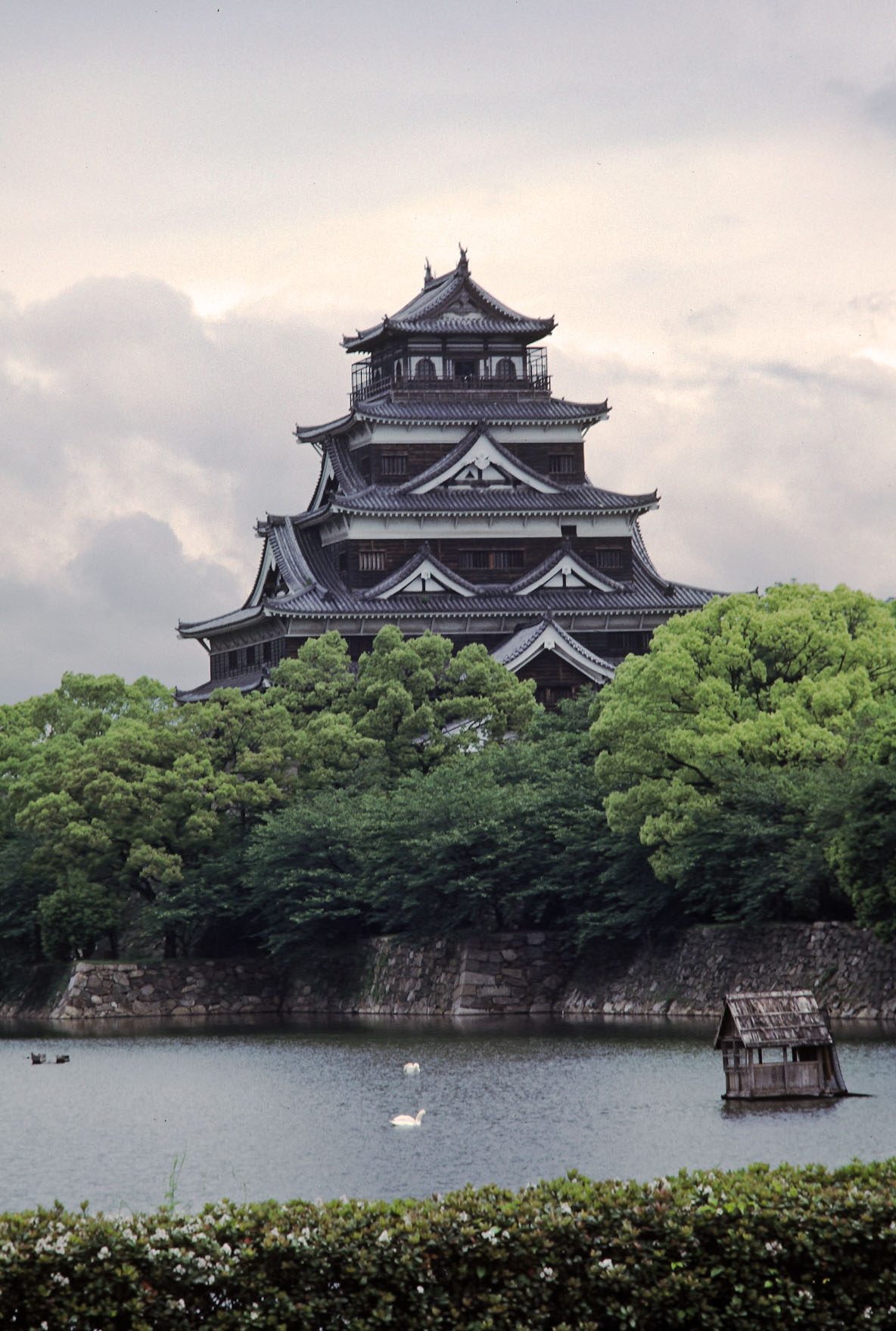
The main enclosure (honmaru) was surrounded by multiple baileys (kuruwa) arranged in concentric layers, enhancing the castle's defense. The castle's tenshu (main keep) was modest in scale compared to larger castles but was strategically positioned to oversee the surrounding area. Defensive structures such as gates and watchtowers were placed to protect against potential attacks.
Stone walls and moats
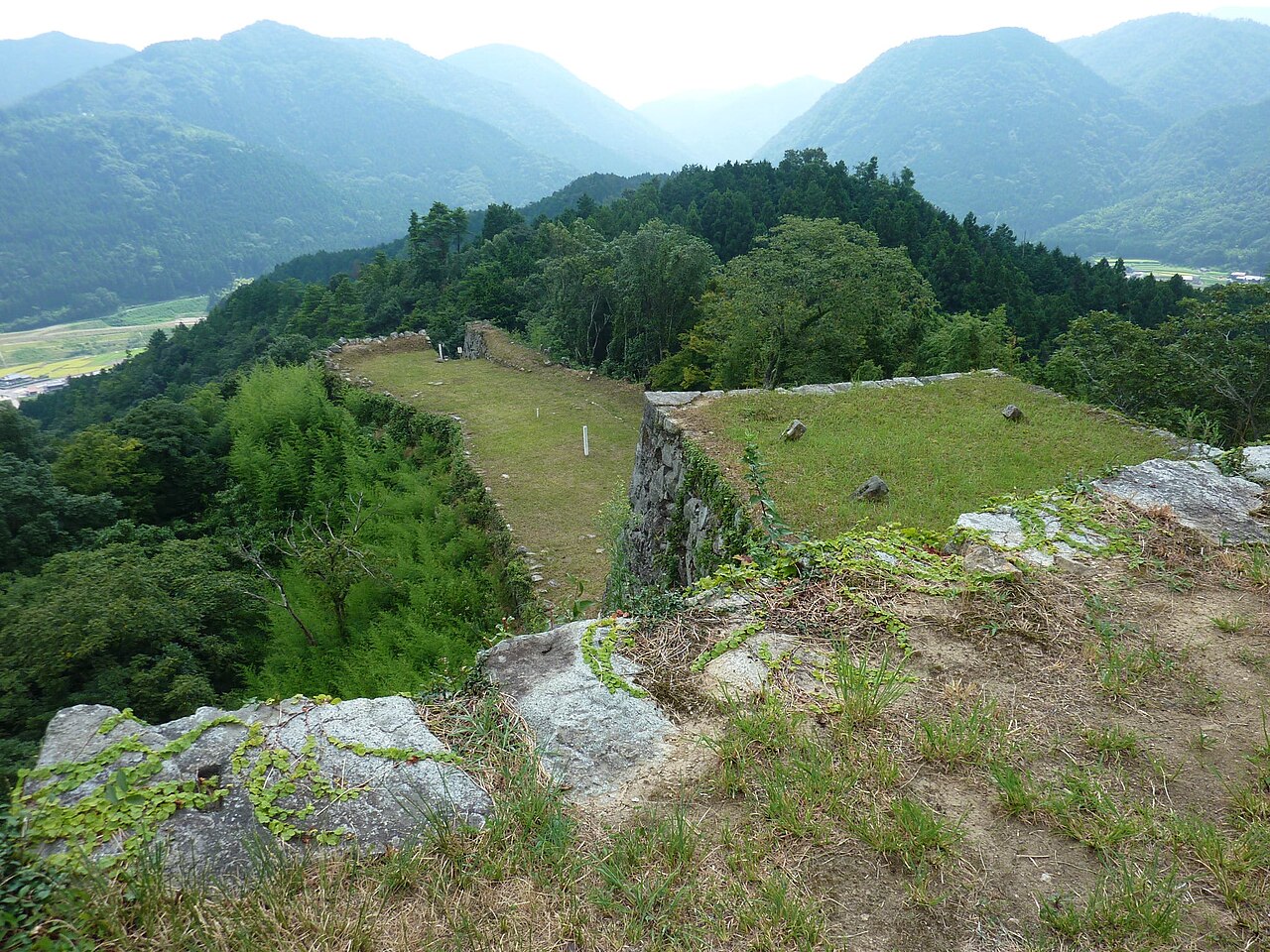
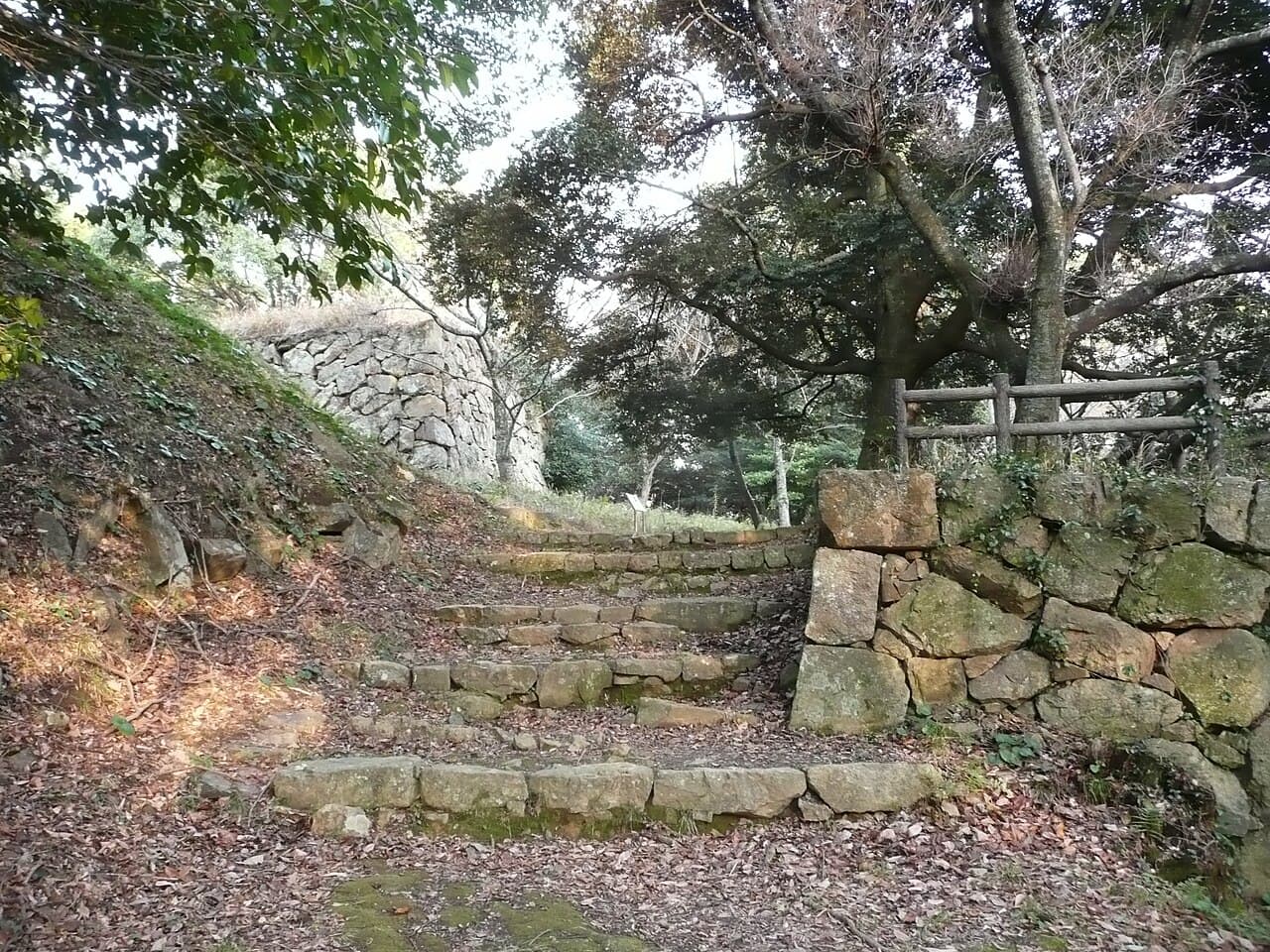
The castle featured ishigaki (stone walls) constructed with large, carefully fitted stones, demonstrating skilled masonry techniques. These walls were complemented by a series of moats that encircled the castle grounds, serving as obstacles to invading forces.
Baileys and gates
The multiple baileys provided layered defense and housed various functional buildings such as residences, storehouses, and administrative offices. The castle's gates were fortified with heavy wooden doors and iron fittings, designed to withstand sieges.
Decline and present condition
With the Meiji Restoration in the late 19th century and the subsequent abolition of the feudal domain system, Hamada Castle was dismantled as part of the government's policy to reduce the power of former daimyo. Many of the castle's buildings were demolished, and the site gradually fell into ruin.
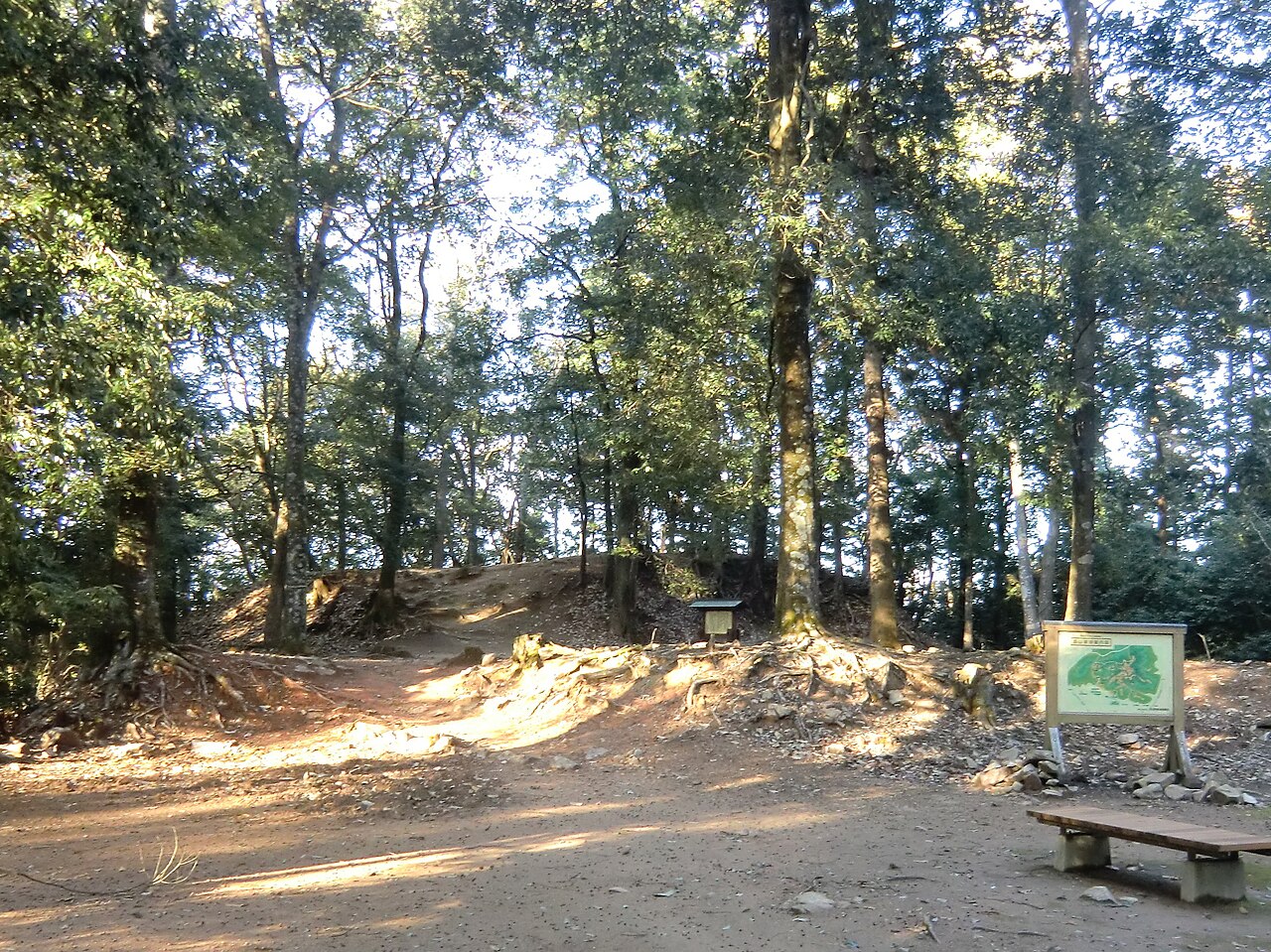
Today, Hamada Castle remains as archaeological ruins with remnants of its stone walls and earthworks visible. The site is accessible to the public and serves as a historical park where visitors can explore the castle grounds and learn about its past through informational displays.
Visiting Hamada Castle
Visitors to Hamada Castle can enjoy walking along the preserved stone walls and moats, which offer a glimpse into the defensive design of a 17th-century Japanese castle. The surrounding area also features scenic views of the city and nearby coastline.
The castle site hosts occasional cultural events and historical reenactments that highlight its heritage. While the castle structures themselves no longer stand, the ruins provide an evocative setting for understanding Japan's feudal era.
Legacy and cultural importance
Hamada Castle is recognized as a valuable cultural asset that reflects the architectural and historical developments of Japan's early Edo period. Its ruins contribute to the study of castle construction techniques and regional governance during a transformative era in Japanese history.
Efforts to preserve and interpret the site help maintain public awareness of Japan's feudal past and the role castles played in shaping local and national identities.
Frequently asked questions (FAQ)
- How do I get to Hamada Castle?
- Hamada Castle is conveniently located in Hamada, Japan, and can be accessed by public transportation. You can take a train to Hamada Station and then a short taxi ride or a 15-minute walk to the castle.
- What is the historical significance of Hamada Castle?
- Hamada Castle was built in the early 17th century and served as a crucial military stronghold during the Edo period. It is known for its strategic location and played an important role in regional governance.
- When was Hamada Castle constructed?
- Hamada Castle was constructed in 1617 by the Kato clan and completed in 1620. It has undergone various restorations over the years, preserving its historical integrity.
- Can I enter the castle grounds?
- Yes, visitors can enter the castle grounds and explore the beautiful gardens and surrounding areas. However, access to the main keep may be limited depending on restoration works.
- Why is Hamada Castle considered an architectural gem?
- Hamada Castle showcases traditional Japanese castle architecture, featuring stone walls and moats that are characteristic of the period. Its design not only served defensive purposes but also reflects the aesthetics of Japanese feudal society.
- Is it possible to visit Hamada Castle year-round?
- Yes, Hamada Castle is open to visitors year-round, although specific opening hours may vary by season. It’s advisable to check the official website for the most current information before planning your visit.
- What is the best time to visit Hamada Castle?
- The best time to visit Hamada Castle is during spring (March to May) when cherry blossoms bloom, or in autumn (September to November) for the vibrant fall colors. These seasons enhance the beauty of the castle and its surroundings.
- Are there any nearby attractions to visit?
- Yes, nearby attractions include the Hamada City Museum of Art and the beautiful beaches along the Sea of Japan. Exploring these sites can enrich your experience during your visit to Hamada Castle.
- What are the ticket prices for Hamada Castle?
- Entry to the castle grounds is typically free, but there may be a nominal fee for guided tours or special exhibitions. Check the official site for the latest pricing and any special events.
- What are the opening hours of Hamada Castle?
- Hamada Castle is generally open from 9 AM to 5 PM, with extended hours during peak tourist seasons. It’s recommended to verify the current hours before your visit to ensure you have ample time to explore.

Information
Loading map...
Visitor reviews
No reviews yet. Been here? Write the first review and help other travelers!
Write the first reviewVisited this castle? Share your experience
Your review helps other travelers and adds first-hand knowledge to our encyclopedia.