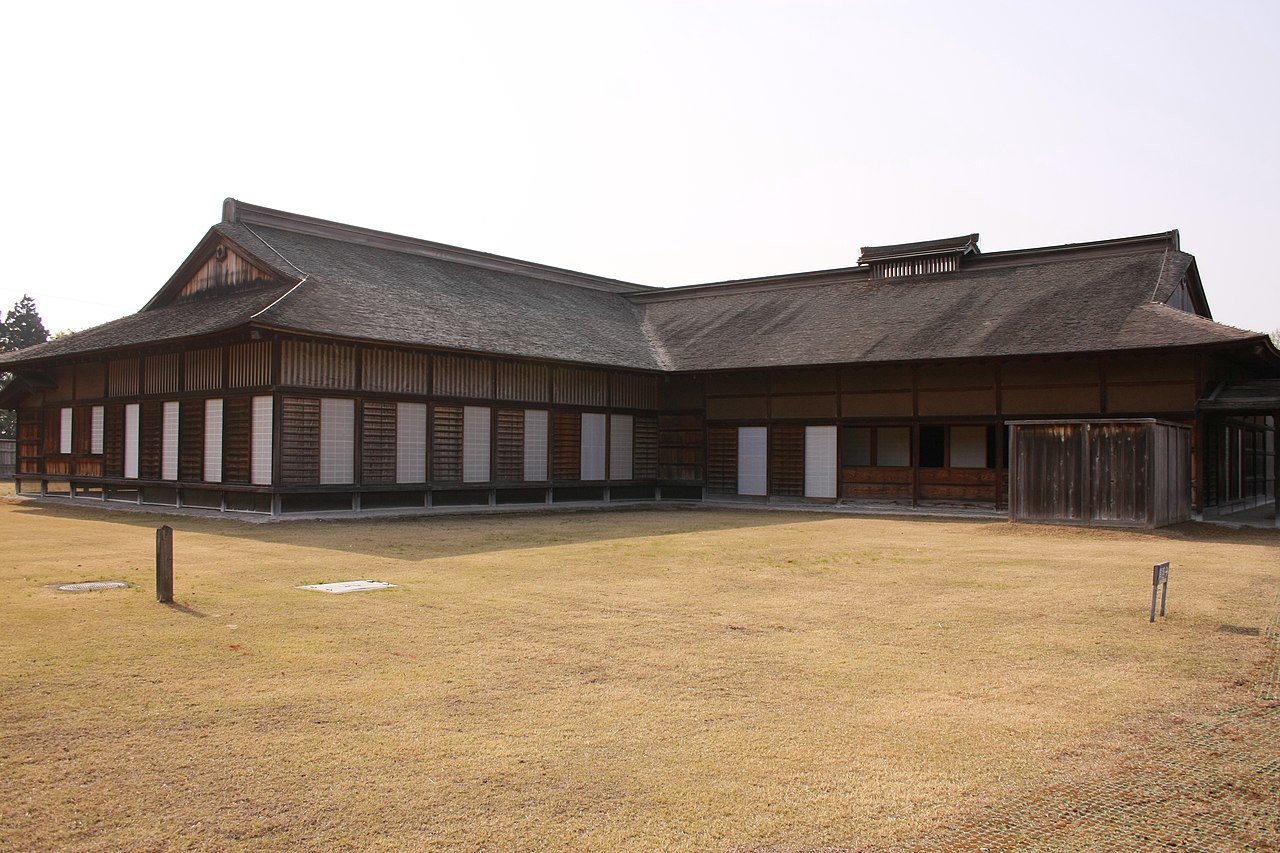
Hachinohe Castle
Hachinohe Castle (八戸城, Hachinohe-jō) was a significant Japanese castle that served as the administrative center of the Hachinohe Domain, a feudal domain under the control of the Nambu clan. It was located in the heart of what is now the city of Hachinohe in Aomori Prefecture, Japan. Constructed in the 17th century, the castle played a pivotal role during the Edo period as a symbol of the domain's governance and military presence.
Historical context and significance
The Hachinohe Domain was established following the division of the larger Nanbu holdings, with the castle functioning as the political and military hub. The Nambu clan, a powerful samurai family, governed this region, and Hachinohe Castle was central to their control over the northern part of Honshu island. The castle's construction in the early Edo period reflects the feudal system's emphasis on fortified administrative centers rather than purely military fortresses, as Japan experienced relative peace under Tokugawa rule.
Architectural features and layout
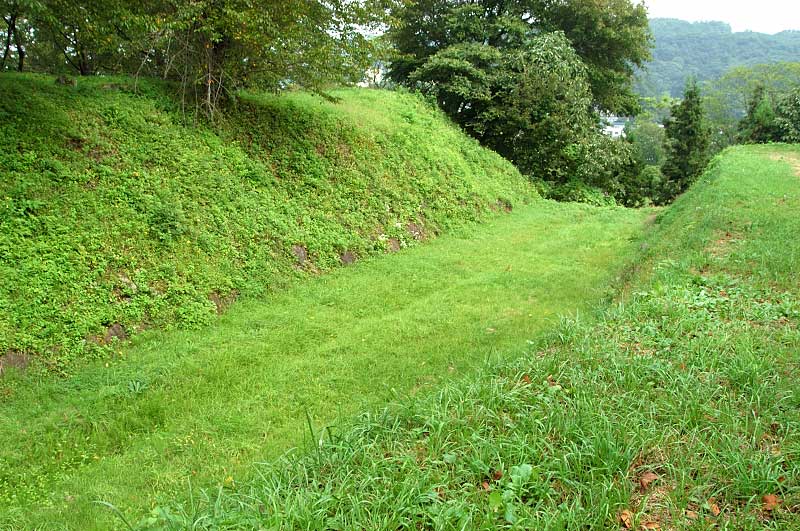
While no physical structures remain today, historical records indicate that Hachinohe Castle was designed following typical Japanese castle architecture of the early Edo period. It likely featured a main enclosure (honmaru) surrounded by secondary baileys and defensive moats. The castle's layout would have included stone walls, earthen ramparts, and wooden buildings such as the main keep (tenshu), administrative halls, and living quarters for the daimyo and retainers.
The castle's location was strategically chosen to oversee the surrounding lands and control key routes for trade and military movement. Its defensive design balanced the need for protection with administrative functionality, common in feudal Japanese castles of the period.
Decline and current status
Following the Meiji Restoration in the late 19th century, many feudal castles across Japan were dismantled or fell into disuse as the new government centralized power and modernized the country. Hachinohe Castle was dismantled, and today only archaeological ruins remain. No buildings or walls survive above ground, and the site has been subject to archaeological study to uncover its historical footprint.
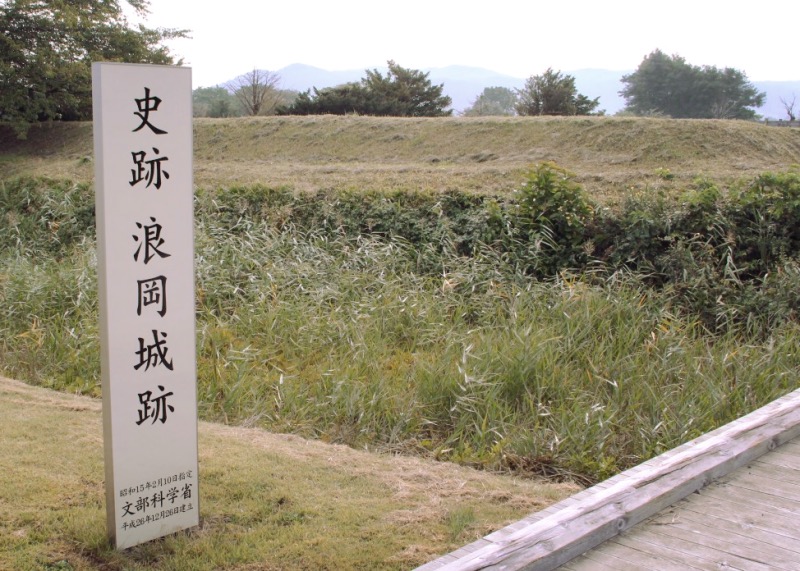
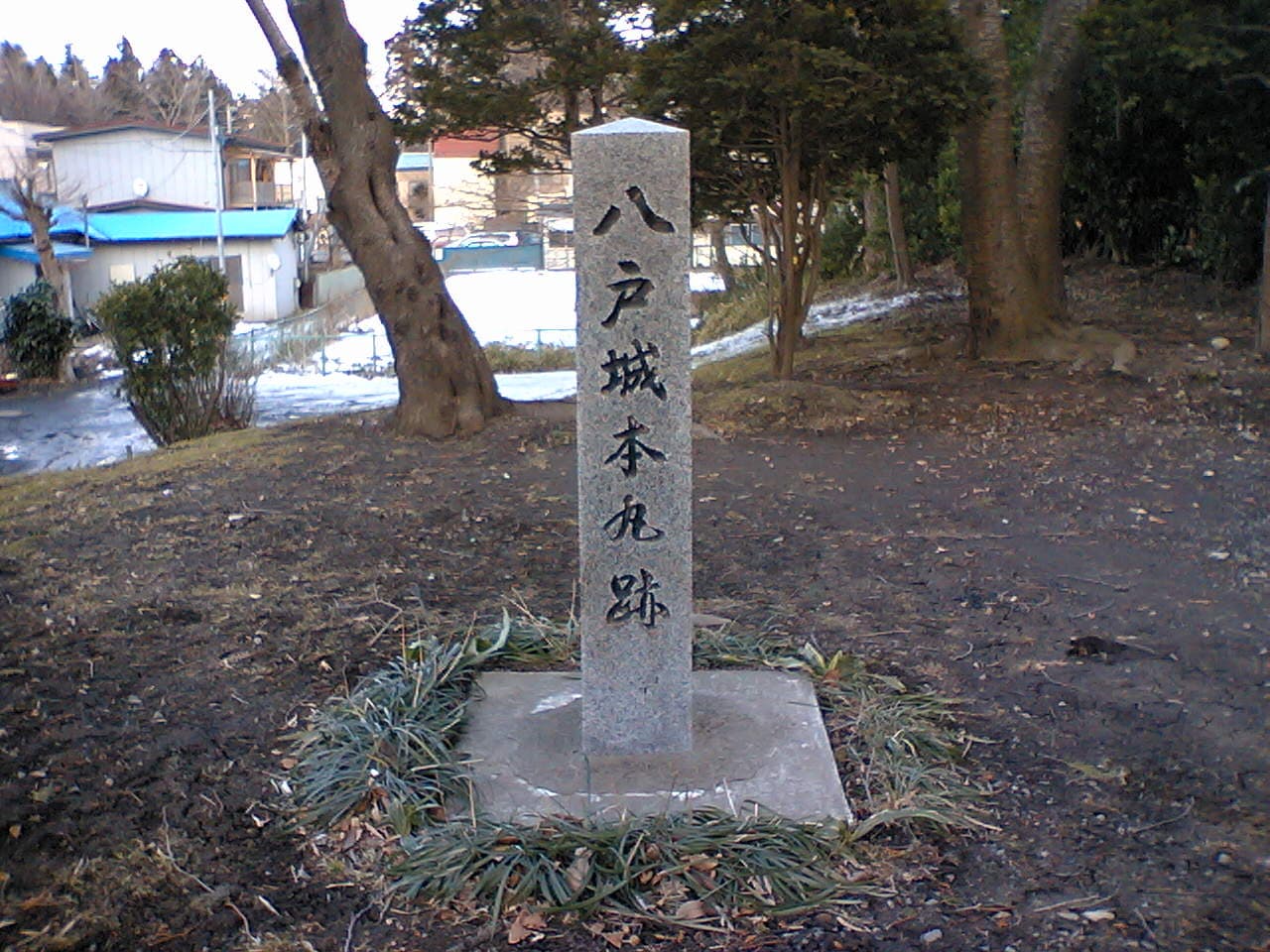
The castle grounds have been integrated into the urban fabric of modern Hachinohe city, with some markers and informational displays commemorating its historical significance. The ruins offer insight into the region's feudal past and the architectural practices of the Edo period.
Visiting the site today
Visitors to Hachinohe can explore the castle ruins, which provide a tangible connection to Japan's feudal history. While the lack of standing structures means the experience relies on imagination and interpretation, the site remains an important cultural heritage location. Nearby museums and local historical societies often provide additional context about the Nambu clan and the castle's role in regional history.
Exploring the area offers a chance to appreciate the strategic importance of castle sites in Japan and understand the evolution of feudal domains under the Tokugawa shogunate.
Photo gallery

Information
Current owner
Municipality
Loading map...
Visitor reviews
No reviews yet. Been here? Write the first review and help other travelers!
Write the first reviewVisited this castle? Share your experience
Your review helps other travelers and adds first-hand knowledge to our encyclopedia.