Namioka Castle
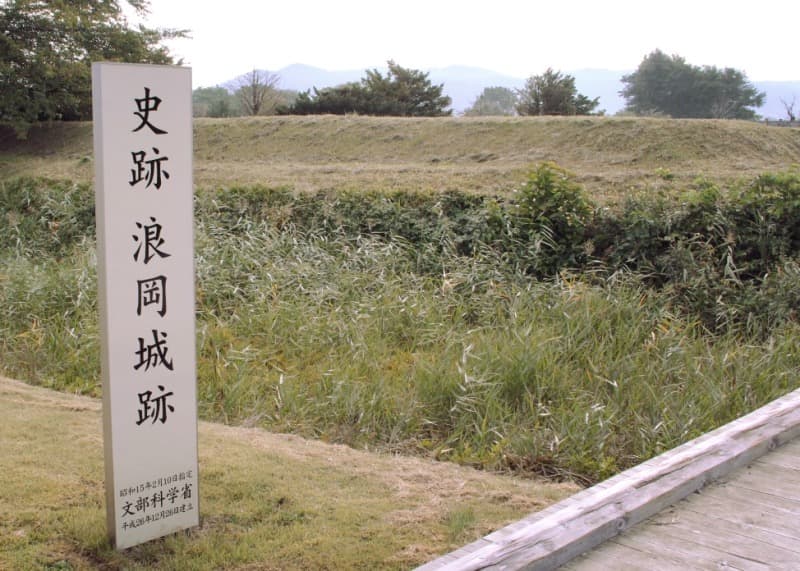
Namioka Castle (浪岡城, Namioka jō) stands as a significant archaeological site representing the Muromachi period of Japan, located in the present-day city of Aomori, within Aomori Prefecture in the northern Tōhoku region. The castle's ruins, designated a National Historic Site in 1940, offer valuable insights into the military architecture and regional power struggles of the 14th century.
The historical context of Namioka Castle
Namioka Castle was constructed during Japan's late medieval period, specifically in the 14th century, a time characterized by political fragmentation and frequent military conflicts known as the Sengoku period precursors. The castle was strategically situated to control local routes and assert dominance over the surrounding territories in northern Japan. It played an essential role in the feudal power dynamics of the Tōhoku region.
Architectural features and layout
As a Muromachi period castle, Namioka Castle exemplified the typical defensive structures of its time. Although now in ruins, archaeological excavations reveal remnants of earthen ramparts, moats, and that once fortified the site. The castle likely featured multiple baileys (kuruwa) arranged on a hillside, taking advantage of natural topography for defense.
The castle's design integrated wooden buildings atop stone foundations, a common feature in Japanese castles of the era. Defensive elements such as gates and watchtowers would have been positioned to monitor and repel attackers. The use of natural features such as rivers or steep slopes enhanced its defensibility.
Role in regional conflicts and ownership
During its active years, Namioka Castle was controlled by local samurai clans who engaged in territorial disputes typical of the Muromachi period's decentralized governance. The castle served as a military stronghold and administrative center, overseeing the surrounding lands and resources. Its strategic location in northern Japan made it a focal point in regional skirmishes and power shifts.
Archaeological significance and preservation
Today, Namioka Castle exists as ruins, with much of its original structures lost to time. However, ongoing archaeological efforts have uncovered artifacts and structural remains that illuminate the castle's construction techniques and historical usage. The site's designation as a National Historic Site underscores its cultural importance and ensures protective measures for its preservation.
Visitors to the site can explore the earthworks and foundations, gaining an understanding of medieval Japanese fortification methods. Interpretive signage and local museum exhibits further contextualize the castle's history within the broader narrative of the Muromachi period and Japan's feudal past.
Visiting Namioka Castle today
While the castle no longer stands in its original form, the ruins offer a tangible connection to Japan's medieval history. The site is accessible to the public and provides a peaceful setting for those interested in archaeology, history, and traditional Japanese castle architecture. Its location in Aomori Prefecture also makes it a convenient stop for travelers exploring the northern Tōhoku region.
Frequently asked questions (FAQ)
- How do I get to Namioka Castle?
- Namioka Castle is located in Aomori, Japan, and can be accessed via public transportation or by car. If using public transport, take a train to Aomori Station, then transfer to a local bus that goes to Namioka. The castle is a short walk from the bus stop.
- What is the historical significance of Namioka Castle?
- Namioka Castle, originally built in the 16th century, served as a strategic military fortification during Japan's feudal era. It was the seat of the Namioka domain and played a crucial role in local governance and military strategy. The castle's ruins are a testament to the rich history and culture of the region.
- When was Namioka Castle constructed?
- Namioka Castle was constructed in 1590 by the Tsugaru clan during the Azuchi-Momoyama period. It underwent several renovations and expansions before its decline in the late 19th century. Today, only the ruins remain, but they offer a glimpse into the castle's storied past.
- Can I enter the castle grounds?
- Yes, visitors can enter the castle grounds, which are open to the public. While the main structures are in ruins, the site features beautiful gardens and walking paths that provide a scenic view of the surrounding area. It’s a great spot for photography and enjoying nature.
- Why is Namioka Castle a popular tourist destination?
- Namioka Castle is popular for its historical significance and picturesque scenery, making it a favorite among history buffs and nature lovers alike. The site offers insights into Japan's feudal past, along with stunning views of the countryside. Additionally, the nearby cherry blossoms in spring draw many visitors.
- Is it possible to visit Namioka Castle year-round?
- Yes, Namioka Castle is open year-round, allowing visitors to explore its fascinating history at any time. However, the best time to visit is during spring when the cherry blossoms bloom, or in autumn for the vibrant foliage. Each season offers a unique view of the castle and its surroundings.
- What are the opening hours for Namioka Castle?
- Namioka Castle is typically open from 9 AM to 5 PM, but it is advisable to check for seasonal changes in hours. The grounds remain accessible throughout the day, so you can visit early or late to enjoy the tranquil atmosphere. Always confirm current hours before your visit.
- Are there any ticket prices for visiting Namioka Castle?
- Visiting Namioka Castle is free of charge, which makes it an affordable destination for travelers. While there are no entrance fees, donations are appreciated to help maintain the site. Free access allows visitors to enjoy the historical and natural beauty without cost.
- What nearby attractions can I visit while at Namioka Castle?
- While at Namioka Castle, consider visiting the nearby Namioka Shrine, known for its beautiful architecture and serene atmosphere. Additionally, the Aomori Museum of Art is a short drive away, featuring contemporary Japanese art. These attractions complement the historical experience of the castle.
Photo gallery

Information
Loading map...
Visitor reviews
No reviews yet. Been here? Write the first review and help other travelers!
Write the first reviewVisited this castle? Share your experience
Your review helps other travelers and adds first-hand knowledge to our encyclopedia.