Kunohe Castle
Kunohe Castle (九戸城, Kunohe-jō) is a notable example of a hill castle situated in the Tōhoku region of northern Japan, specifically within the modern city of Ninohe, Iwate Prefecture. Known also by the names Fukuoka Castle (福岡城, Fukuoka-jō) and Miyano Castle (宮野城, Miyano-jō), this fortress was historically controlled by the powerful Nanbu clan, a samurai family influential in the region during Japan's feudal era.
The strategic location and layout
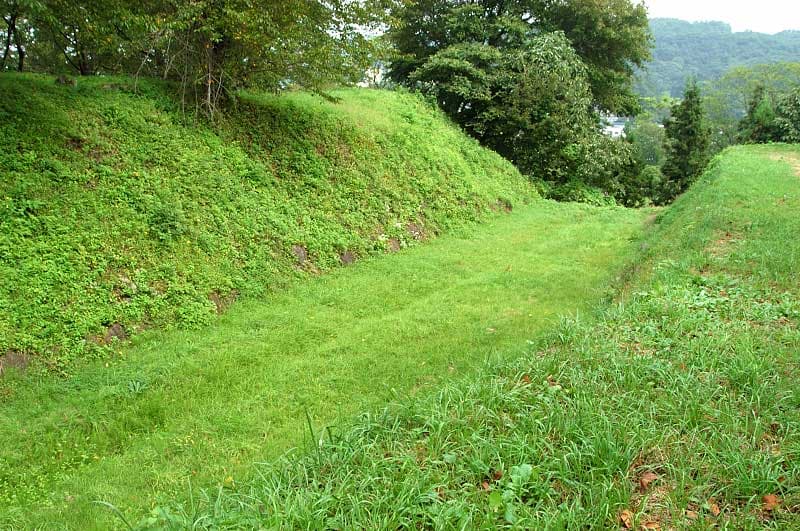
Perched atop a hill, Kunohe Castle leveraged its elevated position to serve as a defensive stronghold in the rugged terrain of northern Japan. The castle's design reflects typical hill castle features, including terraced enclosures, earthen ramparts, and wooden fortifications adapted to the natural landscape. The elevated site provided commanding views over the surrounding valleys, enabling early detection of approaching enemies and effective defense during conflicts.
Historical significance and the Nanbu clan
The Nanbu clan held sway over this region during the Sengoku period (mid-15th to early 17th century), a time marked by social upheaval and constant military conflict among feudal lords. Kunohe Castle played a pivotal role as a military base and administrative center for the clan's northern territories. It was a focal point during the Kunohe Rebellion in 1591, an internal conflict that challenged the Nanbu family's control and drew the attention of the central authority under Toyotomi Hideyoshi.
The Kunohe Rebellion
This rebellion was a significant event in the castle's history. It involved a faction within the Nanbu clan opposing the leadership, leading to a siege of the castle. The conflict ended with the defeat of the rebels, consolidating the clan's power in the region. The castle's fortifications and strategic position were crucial in withstanding the siege during this turbulent period.
Architectural features and construction
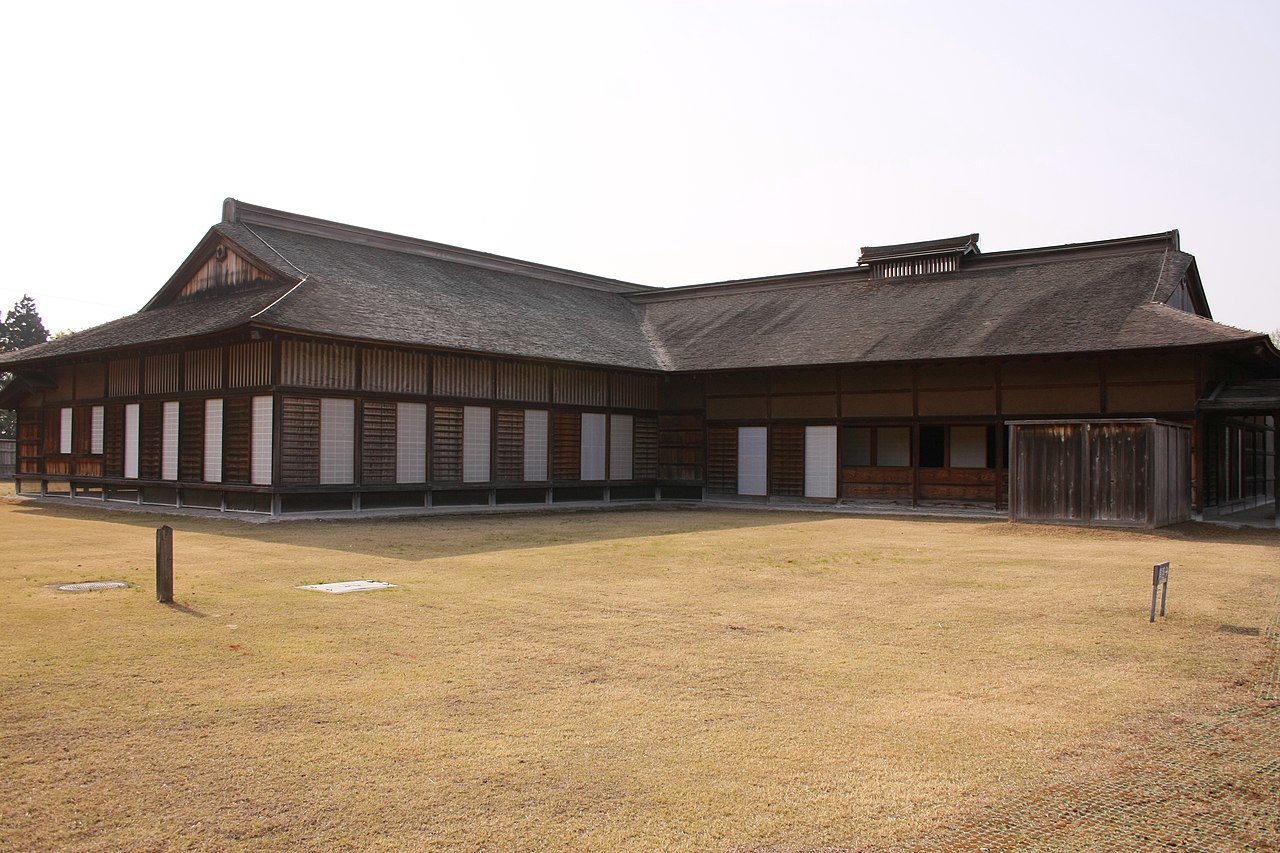
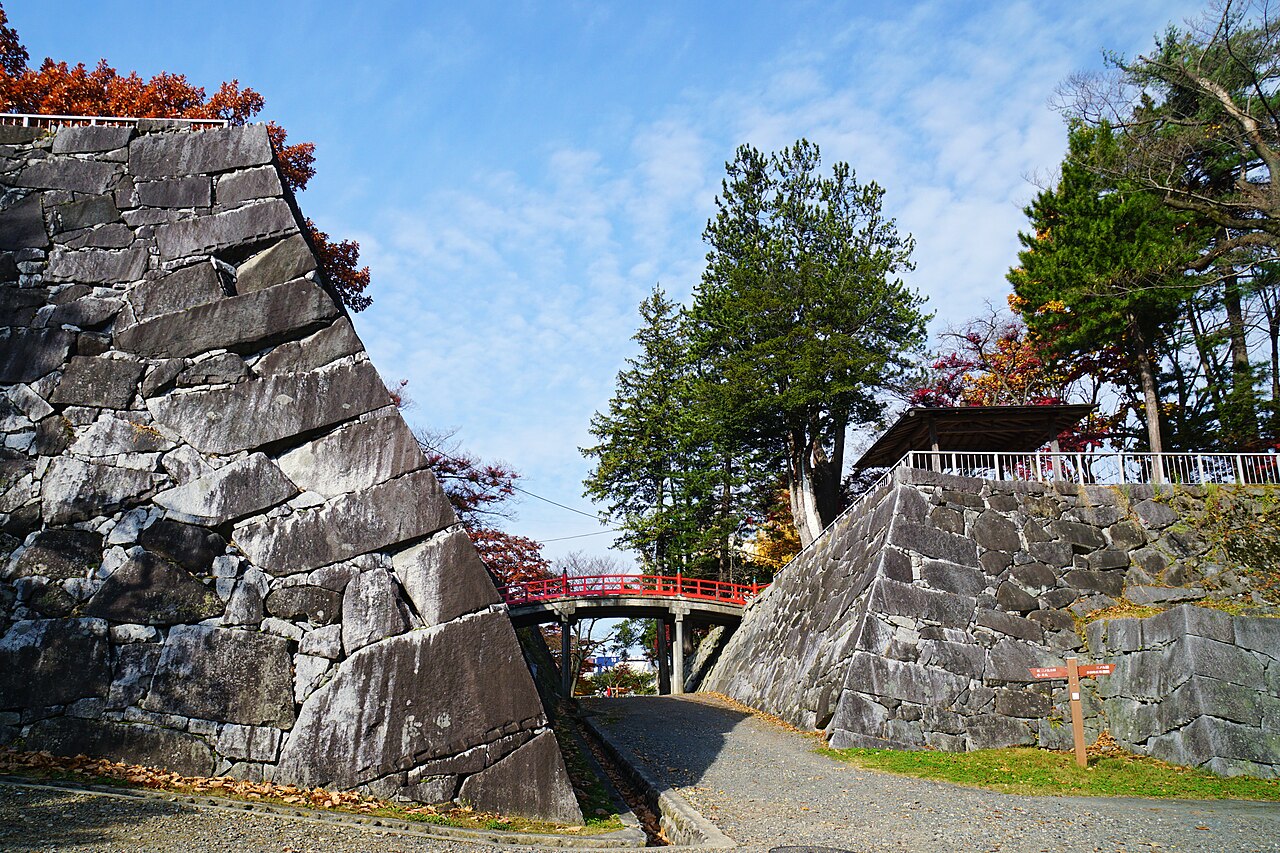
The castle's construction utilized the natural topography, with multiple baileys (courtyards) arranged on different levels of the hill. Defensive features included stone walls, wooden palisades, and dry moats. Although many original structures have not survived intact, archaeological excavations have revealed the layout of the castle grounds, including foundations of gates, watchtowers, and residential buildings.
The castle did not feature the large stone keeps typical of later Japanese castles but instead relied on earthworks and wooden structures common in earlier hill castles. This style reflects the practical military needs of the region and period, focusing on defense and control rather than grand architectural statements.
Legacy and current status
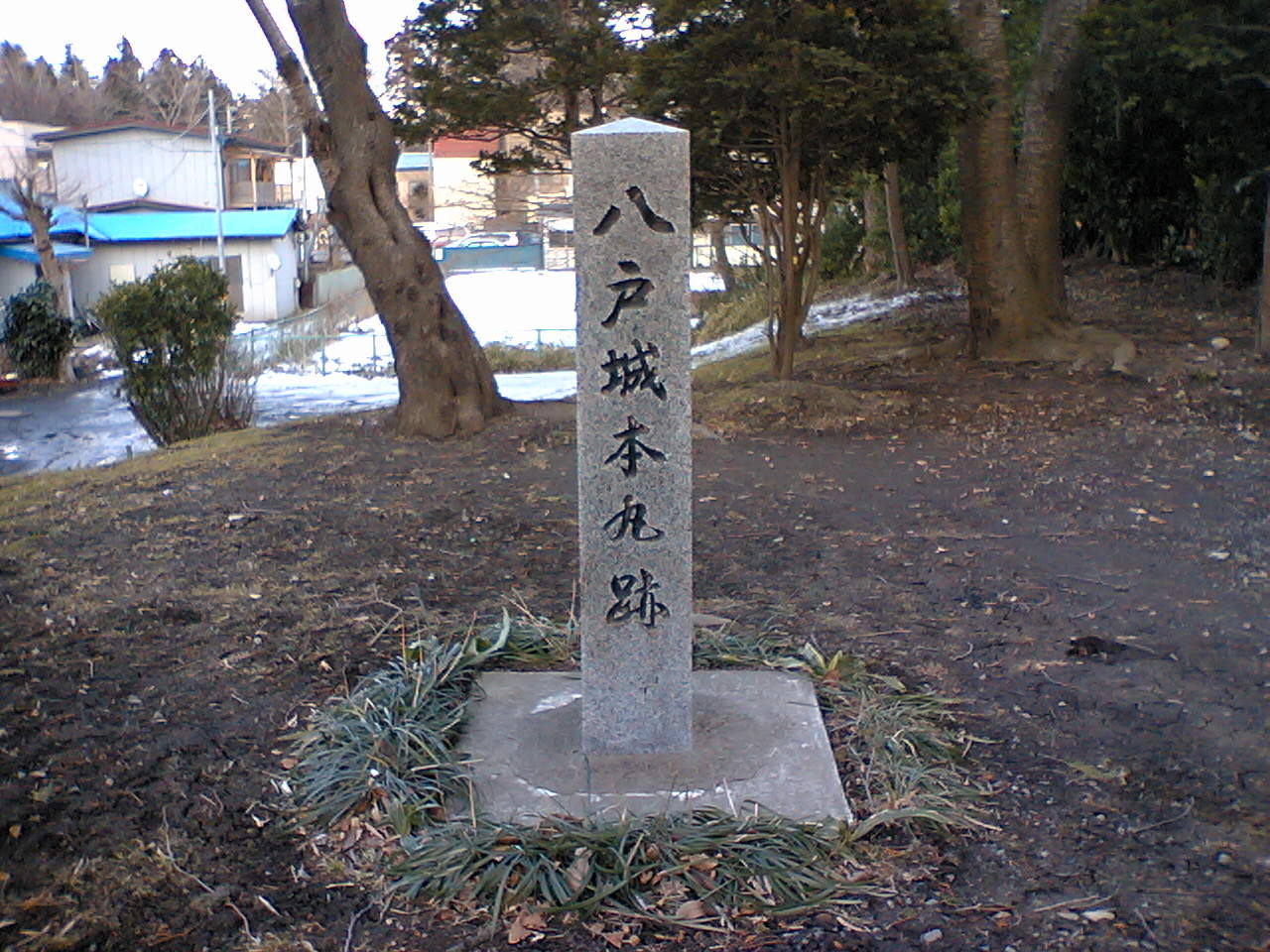
Today, Kunohe Castle remains an important cultural heritage site. Although much of the castle is in ruins, the site is preserved as a historic park, with markers and reconstructions that help visitors understand its former layout and significance. The castle grounds offer hiking paths and scenic views, attracting history enthusiasts and tourists interested in Japan's feudal past.
Efforts to maintain and promote the site emphasize its role in the history of the Nanbu clan and the broader military and political landscape of northern Japan during the Sengoku period. The castle's story provides insight into the regional dynamics of power and the architectural adaptations of hilltop fortresses in Japan.
Frequently asked questions (FAQ)
- How do I get to Kunohe Castle?
- Kunohe Castle is located in Ninohe, Japan, and can be accessed by public transportation or car. If you are using public transport, take a train to Ninohe Station and then a local bus or taxi to the castle site. There is parking available for those who choose to drive.
- What is the historical significance of Kunohe Castle?
- Kunohe Castle dates back to the late 16th century and served as an important stronghold during the Warring States period in Japan. It was built by the Nambu clan and played a crucial role in regional power struggles. Today, the castle ruins are a symbol of the area's rich history.
- When was Kunohe Castle built?
- Kunohe Castle was constructed in 1591 by the Nambu clan as a strategic fortification. It has undergone various changes and restorations over the centuries, reflecting the architectural styles of different periods. The castle's history is an integral part of the cultural heritage of Ninohe.
- Can I visit Kunohe Castle year-round?
- Yes, Kunohe Castle is open to visitors throughout the year. However, some facilities may have limited access during winter months due to weather conditions. It's advisable to check local weather reports before planning your visit.
- Why is Kunohe Castle considered an important architectural site?
- Kunohe Castle showcases traditional Japanese castle architecture, characterized by its wooden structures and strategic layout. Its design reflects the military needs of the time, with natural landscapes incorporated into the defensive features. The castle ruins provide insights into the architectural evolution of Japanese fortifications.
- Is it possible to access all areas of Kunohe Castle?
- While visitors can explore the main areas of Kunohe Castle, some sections may be restricted due to preservation efforts. The walking paths around the ruins are well-maintained, allowing for a pleasant hike with scenic views. Make sure to follow any guidelines provided to help protect the site.
- What are the opening hours for Kunohe Castle?
- Kunohe Castle is generally open from 9 AM to 5 PM, but hours may vary depending on the season or special events. It is recommended to check the official website or local tourist information for the most accurate and updated hours before your visit. Early morning visits can offer a more serene experience.
- What are the ticket prices for visiting Kunohe Castle?
- Visiting Kunohe Castle is free of charge, making it an accessible destination for all visitors. However, some guided tours may have a fee associated with them. Donations to support the preservation of the site are appreciated.
- What is the best time to visit Kunohe Castle?
- The best time to visit Kunohe Castle is during the spring and autumn months when the weather is mild and the scenery is particularly beautiful. Spring brings cherry blossoms, while autumn offers vibrant foliage. Both seasons enhance the experience of exploring the castle grounds.
- Are there any nearby attractions to Kunohe Castle?
- Yes, there are several nearby attractions, including the Ninohe City Museum and beautiful hiking trails in the surrounding area. The region is also known for its hot springs, providing a relaxing experience after your visit. Exploring these nearby sites can enrich your experience of Ninohe.
Photo gallery

Information
Loading map...
Visitor reviews
No reviews yet. Been here? Write the first review and help other travelers!
Write the first reviewVisited this castle? Share your experience
Your review helps other travelers and adds first-hand knowledge to our encyclopedia.