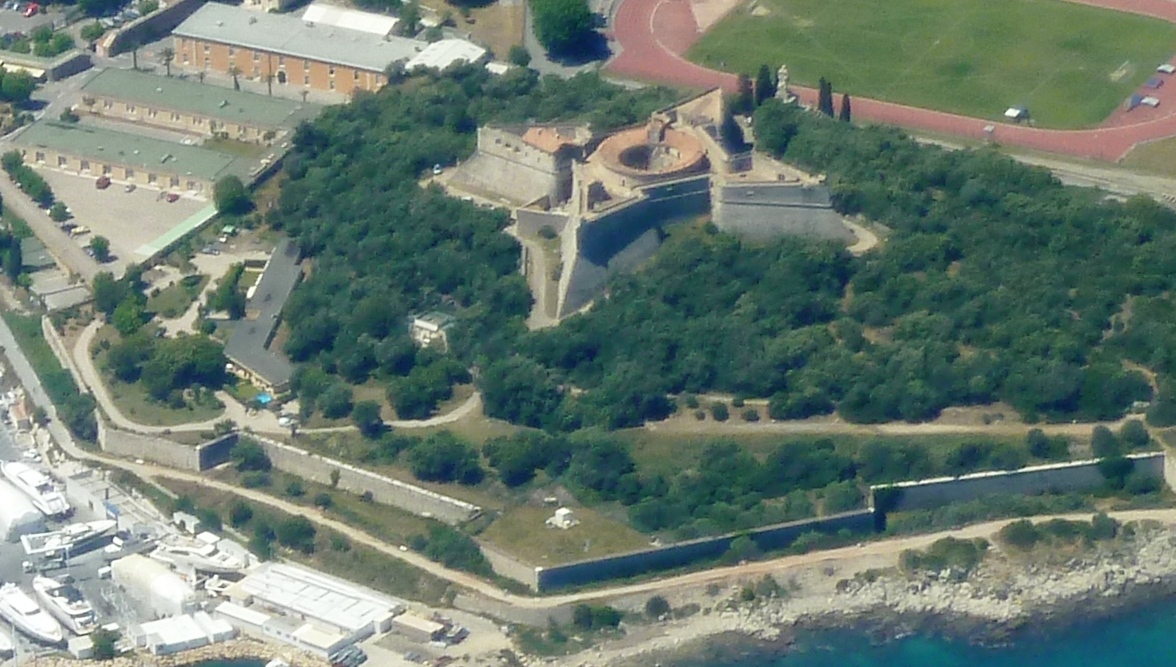
Grimaldi Castle
Grimaldi Castle, located in the picturesque town of Antibes in the Provence-Alpes-Côte d'Azur region of France, is a remarkable example of a 16th-century Renaissance hill castle that has been carefully restored to preserve its historical and architectural significance. Perched on a prominent rocky outcrop overlooking the Mediterranean Sea, the castle offers not only a strategic vantage point but also breathtaking views that have made it a cherished landmark for centuries.
Historical background and significance
The origins of Grimaldi Castle date back to the medieval period, but its most defining features were shaped during the Renaissance era in the 16th century. The castle was originally built by the Grimaldi family, a noble dynasty that played a crucial role in the history of the region and beyond, notably known for their rule in Monaco. This connection adds a layer of aristocratic heritage and political importance to the castle's narrative.
Throughout its history, the castle has witnessed various phases of construction, destruction, and restoration. Its strategic location made it a defensive stronghold against potential invaders and pirates along the Mediterranean coast. Over time, it also served as a residence and administrative center, reflecting the evolving functions of such fortifications from purely military to more residential and symbolic roles.
Architectural features and layout
Grimaldi Castle exemplifies the characteristics of a hill castle with its elevated position providing natural defense advantages. The castle's architecture combines military robustness with Renaissance aesthetics, evident in its fortified walls, bastions, and elegant residential quarters.
Fortifications and defensive structures
The castle is surrounded by thick stone walls and features several defensive elements typical of Renaissance fortifications, including bastions designed to withstand artillery attacks. The main entrance is fortified with a gatehouse that historically controlled access and provided protection against sieges.
Residential and ceremonial spaces
Inside, the castle contains spacious halls and chambers that were used for both residential and official purposes. The interiors reflect Renaissance artistic influences, with carefully designed windows, fireplaces, and decorative elements that highlight the transition from medieval austerity to Renaissance elegance.
Cultural importance and modern use
Today, Grimaldi Castle stands as a significant cultural monument in Antibes. It houses the Musée d'Archéologie, showcasing archaeological finds from the region, including artifacts from ancient Greek and Roman times, which underline the long and rich history of the area. The museum’s exhibits provide visitors with insights into the historical context surrounding the castle and the broader Mediterranean heritage.
The castle is also a popular tourist attraction due to its stunning location, well-preserved architecture, and the panoramic views it offers of the Mediterranean coastline and the old town of Antibes. Its restoration ensures that the castle remains a vibrant part of the cultural landscape, hosting exhibitions and events that celebrate the history and art of the region.
Visiting information and accessibility
Grimaldi Castle is accessible to the public with regular visiting hours, allowing tourists and history enthusiasts to explore its grounds and museum. The castle’s position on a hill means that some walking is required to reach the site, but the journey is rewarded by the spectacular views and the opportunity to experience a piece of Renaissance history firsthand.
Visitors can enjoy guided tours that explain the castle’s architectural features and historical significance, enhancing the educational value of the visit. The site is well-equipped to accommodate tourists, with signage and facilities that support a comfortable and informative experience.
Frequently asked questions (FAQ)
- How do I get to Grimaldi Castle?
- Grimaldi Castle is located in Antibes, France, and is easily accessible by public transportation. You can take the train to Antibes station and then walk approximately 15 minutes to the castle, or use local buses that stop nearby.
- What is the historical significance of Grimaldi Castle?
- Grimaldi Castle dates back to the 10th century and has played a vital role in the defense of the region. It was originally built by the Grimaldi family, who were influential in the history of Monaco, and it showcases the rich heritage of medieval architecture in the French Riviera.
- When was Grimaldi Castle built?
- The castle was constructed in the late 10th century, with significant renovations occurring in the 14th and 17th centuries. Its long history reflects various architectural styles and the evolution of military fortifications over the centuries.
- Can I visit Grimaldi Castle year-round?
- Yes, Grimaldi Castle is open to visitors year-round, although opening hours may vary by season. It's advisable to check the official website for the most current information on hours and any special events.
- Why is Grimaldi Castle a popular tourist attraction?
- Grimaldi Castle is popular due to its stunning location overlooking the Mediterranean Sea and its fascinating history. Visitors can explore its well-preserved architecture and enjoy breathtaking views, making it a must-see for anyone traveling to Antibes.
- Is it possible to access Grimaldi Castle for those with mobility issues?
- While Grimaldi Castle has some accessible areas, the castle's historic nature may pose challenges for visitors with mobility issues. It's recommended to contact the castle in advance to inquire about specific accessibility options and accommodations.
- What are the ticket prices for Grimaldi Castle?
- Admission to Grimaldi Castle is generally affordable, with discounted rates available for students and seniors. Children under a certain age often enter for free, but it's best to check the official website for the latest prices and any available promotions.
- What are the best times to visit Grimaldi Castle?
- The best times to visit Grimaldi Castle are during the spring and fall when the weather is pleasant and the crowds are smaller. Visiting early in the morning or later in the afternoon can also enhance your experience, allowing for a more peaceful exploration of the grounds.
- Are there any nearby attractions to visit after Grimaldi Castle?
- Yes, after visiting Grimaldi Castle, you can explore the beautiful beaches of Antibes, the Picasso Museum, and the charming old town with its vibrant markets and shops. These attractions are within walking distance and provide a full day of sightseeing in the area.
Information
Loading map...
Visitor reviews
No reviews yet. Been here? Write the first review and help other travelers!
Write the first reviewVisited this castle? Share your experience
Your review helps other travelers and adds first-hand knowledge to our encyclopedia.