Château de Villeneuve-Loubet
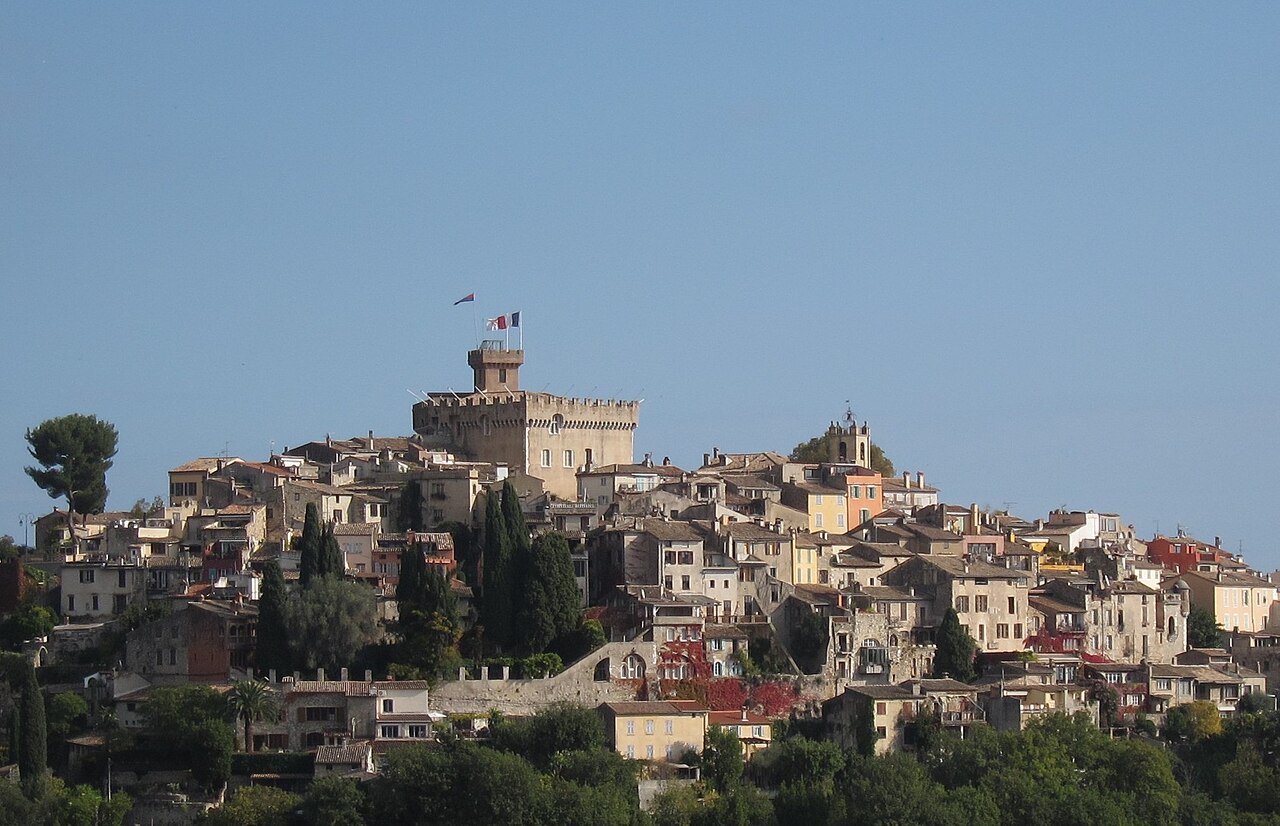
Château de Villeneuve-Loubet is a remarkable example of 13th-century military architecture located in the town of Villeneuve-Loubet in the Provence region of France. This high medieval fortress was constructed under the auspices of the Counts of Provence and the local lord, Romeo of Villeneuve, as a strategic defensive stronghold. The castle's design reflects the military needs and architectural styles of the High Middle Ages, featuring a distinctive pentagonal keep which served as the main fortified tower and last line of defense.
Architectural features and fortifications
The castle is surrounded by ramparts and parapet walks, which allowed defenders to patrol and defend the perimeter effectively. These walls are reinforced by five round towers, each positioned to provide overlapping fields of fire and to strengthen the castle's defensive capabilities. The use of round towers was a common medieval military architectural feature, as their shape better deflected projectiles and reduced blind spots compared to square towers.
Access to the castle was controlled by a medieval drawbridge, which spanned a defensive moat or ditch, adding an extra layer of protection against invaders. The drawbridge could be raised to prevent entry, demonstrating the castle's design focus on security and defense.
Historical significance and notable events
The Château de Villeneuve-Loubet is not only important for its architecture but also for its role in European history. In 1538, it hosted King Francis I of France during a significant diplomatic event. The king stayed at the castle to sign the Truce of Nice with the Holy Roman Emperor Charles V. This truce temporarily ended the conflicts of the Italian Wars, a series of violent struggles for control over territories in Italy that involved most of the major European powers of the time.
The castle's place in the region and preservation status
Situated in the scenic region of Provence, the castle overlooks the surrounding landscape, which was strategically important for controlling the area. Its position allowed for surveillance of routes and protection of the local population from invasions or raids during the medieval period.
Today, the Château de Villeneuve-Loubet remains a significant cultural and historical monument. Its well-preserved medieval fortifications provide valuable insight into the defensive architecture of the period. While parts of the structure have undergone restoration to maintain their integrity, the castle still retains much of its original character and layout, including the pentagonal keep and round towers.
Architectural style and construction details
The castle's design is typical of high medieval fortresses in southern France, combining functional military features with the aesthetic elements of the time. The stone masonry used in its construction was robust, designed to withstand sieges and artillery attacks. The pentagonal keep is a distinctive feature that sets it apart from many other castles, which often favored square or circular keeps.
The ramparts and parapets are equipped with crenellations, providing cover for archers and soldiers defending the castle. The round towers are integrated into the curtain walls, allowing defenders to cover the base of the walls and create overlapping defensive zones.
Legacy and cultural importance
Château de Villeneuve-Loubet stands as a testament to the military ingenuity of the High Middle Ages and the strategic importance of the Provence region in medieval European politics. Its association with notable historical figures like Francis I and events such as the Truce of Nice adds to its cultural significance.
Visitors to the castle can explore its medieval architecture, learn about its history, and appreciate the role it played in the turbulent history of southern France. The castle's preservation allows for ongoing study and enjoyment by historians, architects, and tourists alike.
Frequently asked questions (FAQ)
- How do I visit Château de Villeneuve-Loubet?
- Château de Villeneuve-Loubet is located in Villeneuve-Loubet, Provence. Visitors can explore the castle grounds during opening hours, which vary seasonally. It is advisable to check local tourist information for current visiting times and any guided tour availability.
- What is the historical significance of Château de Villeneuve-Loubet?
- The castle is notable for its 13th-century origins and its role in hosting King Francis I in 1538 for the signing of the Truce of Nice with Emperor Charles V, ending the Italian Wars temporarily.
- What architectural features make Château de Villeneuve-Loubet unique?
- Its pentagonal keep, five round towers, medieval drawbridge, and well-preserved ramparts and parapet walks highlight its high medieval military architecture, typical of fortified castles in Provence.
- Is Château de Villeneuve-Loubet accessible for visitors with mobility issues?
- Due to the castle's medieval design and terrain, some areas may be challenging to access for visitors with mobility issues. It is recommended to contact the site management for specific accessibility information before visiting.
- When is the best time to visit Château de Villeneuve-Loubet?
- The best time to visit is during the spring and autumn months when the weather is mild and the region is less crowded. Summer months offer extended opening hours but can be busy with tourists.
Information
Current owner
Panisse-Passis family
Loading map...
Visitor reviews
No reviews yet. Been here? Write the first review and help other travelers!
Write the first reviewVisited this castle? Share your experience
Your review helps other travelers and adds first-hand knowledge to our encyclopedia.