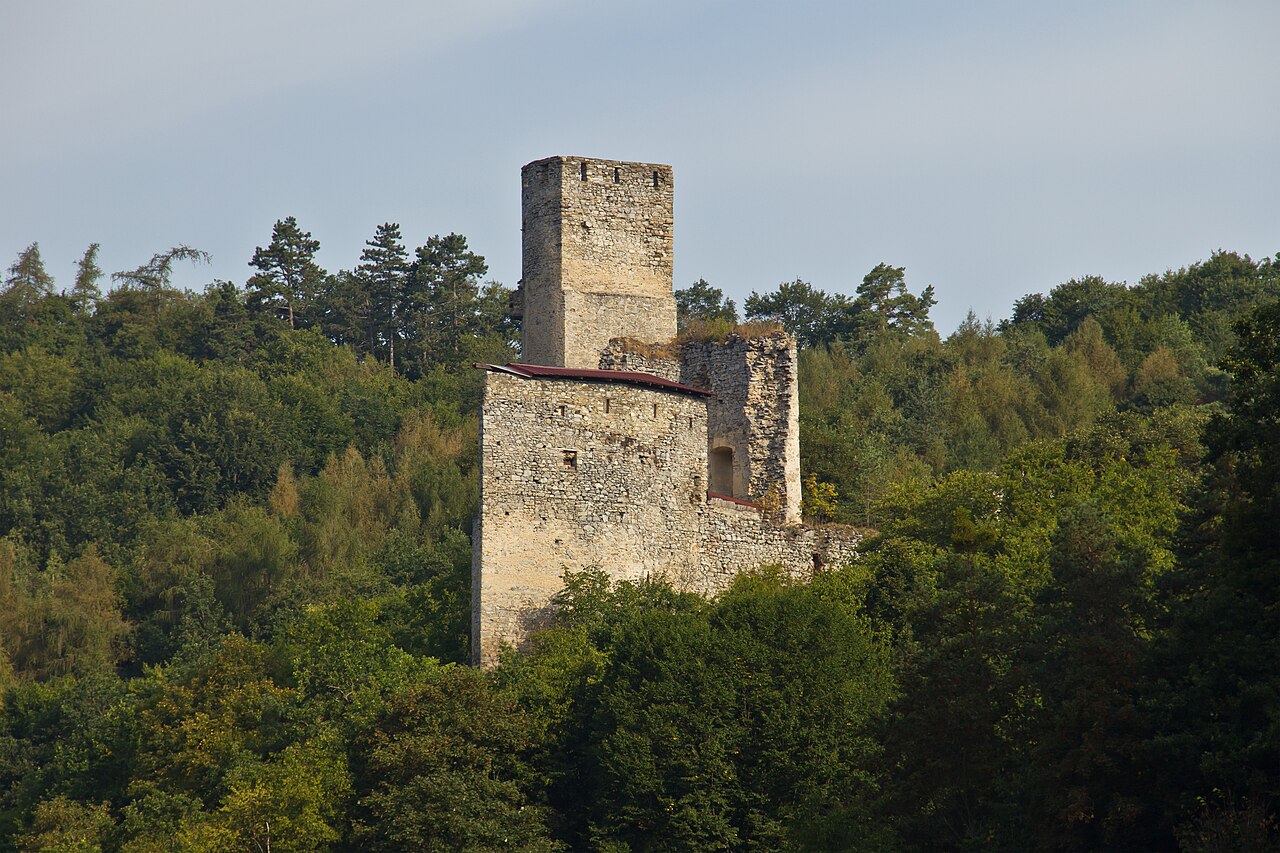
Greillenstein Castle
Greillenstein Castle stands as a remarkable example of Renaissance architecture in the region of Röhrenbach, Austria. Its origins trace back to a small fortress first mentioned in 1313, initially owned by the Greillen family. The castle as it is known today began to take shape in the late 16th century when Baron Hans Georg III von Kuefstein commissioned an Italian architect to replace the old fortress with a new Renaissance-style residence, completed in 1604. This transformation marked a significant architectural and cultural shift, reflecting the Renaissance ideals of symmetry, proportion, and classical detailing.
Historical evolution and ownership
The earliest documented mention of the castle itself dates to 1371, when it passed from the original Greillen family to the Dachpeck family. In 1534, Baron Johann Lorenz von Kuefstein acquired Greillenstein, initiating a long period of family ownership that continues to the present day. The Kuefsteins were notable for their Protestant faith during a time of religious conflict but maintained loyalty to the Emperor, which led to tensions with the nearby Altenburg Abbey.
The castle's strategic importance became evident during the Thirty Years' War (1618–1648). Hans Jacob von Kuefstein was forced to vacate the castle when it was occupied by Catholic troops under Elector Maximilian of Bavaria. The castle also briefly served as a headquarters for Swedish forces. Hans Jacob's conversion to Catholicism in 1623 ensured the estate remained in the family’s possession despite the turbulent times.
During the Fifth Coalition War in 1809, Greillenstein Castle was used to house over 1,000 French soldiers, which caused significant damage. Repairs were completed by 1815. The castle's administrative role ended with the revolutionary changes of 1848. The 19th century brought cultural prominence as artists such as Franz Grillparzer and Anton Romako visited the castle.
Remarkably, the castle survived both World Wars and the subsequent Soviet occupation without damage. In 1959, it was converted into a museum, celebrating its 60th anniversary in 2019. Today, it remains privately owned by Andreas and Elisabeth Kuefstein.
Architectural features and interior design
Greillenstein Castle is a four-winged complex arranged around a square courtyard. The castle’s entrance is marked by a large gate tower and a bridge adorned with Baroque statues, including vases designed by the renowned architect Johann Bernhard Fischer von Erlach. The two-story structure retains much of its original Renaissance interior decoration, a rarity that offers insight into period craftsmanship.
The castle grounds include an English landscape garden developed during the 17th and 18th centuries, featuring a game park, ornamental water features, and a redesigned entrance dating from between 1700 and 1720. The south tower chapel houses unique Renaissance furnishings, highlighting the castle's religious and cultural heritage.
Among the castle’s notable interior spaces are the grand hall and the Turkish Room, which displays portraits of Sultan Murad IV, reflecting the diplomatic relations between the Habsburgs and the Ottoman Empire. The castle also preserves significant historical furniture, artworks, and ornate fireplaces.
The Great Library contains 17th-century furnishings, though its original coffered ceiling was moved to Laxenburg Castle. The Small Library retains its 16th-century furnishings, offering a glimpse into the intellectual life of the castle’s inhabitants. Several outbuildings from the castle’s early period survive in varying conditions, some still in use, others in ruins. Nearby, the Kuefstein crypt chapel in Röhrenbach features a fresco by the artist Paul Troger.
Role as a museum and cultural site
Since becoming a museum in the 1960s, Greillenstein Castle has been among the first Austrian castles to open its doors to the public. It originally hosted the Museum of Legal History from 1967 until the museum's relocation in 1988. The castle still contains the original courthouse, complete with medieval records and Austria’s only surviving court barrier.
The castle’s collections include a unique assortment of garden gnomes and a sandstone dragon dating from around 1700. Permanent exhibitions focus on the diplomatic history between the Habsburg Emperors and the Ottoman Empire, as well as the literary visits of Franz Grillparzer.
Preservation and current status
Greillenstein Castle remains well preserved and retains much of its original Renaissance character. The continuous ownership by the Kuefstein family has contributed to its careful maintenance and conservation. Visitors today can explore the castle’s historic interiors, gardens, and outbuildings, gaining insight into the cultural and political history of the region.
Frequently asked questions (FAQ)
- How do I visit Greillenstein Castle?
- Greillenstein Castle is open to the public as a museum. Visitors should check the official website or local tourist information for current opening hours and ticket prices before planning their visit.
- What is the historical significance of Greillenstein Castle?
- Greillenstein Castle has a rich history dating back to 1313, serving as a Renaissance residence and administrative center for the Kuefstein family, with ties to significant European conflicts and cultural figures.
- Can I see original Renaissance interiors at Greillenstein Castle?
- Yes, the castle retains much of its original Renaissance interior decoration, including the chapel furnishings, grand hall, Turkish Room, and libraries, offering a rare glimpse into period craftsmanship.
- Is the castle accessible for visitors with mobility issues?
- Accessibility may be limited due to the castle's historic architecture and layout. Visitors with mobility concerns should inquire in advance about available accommodations or guided tours.
- What notable artworks and collections are housed at Greillenstein Castle?
- The castle features important artworks including portraits of Sultan Murad IV, a collection of garden gnomes, a sandstone dragon from around 1700, and frescoes by Paul Troger in the nearby crypt chapel.
- When is the best time to visit Greillenstein Castle?
- The castle and its gardens are particularly attractive during spring and summer months when the English landscape garden is in full bloom, enhancing the visitor experience.
Information
Current owner
Andreas and Elisabeth Kuefstein
Loading map...
Visitor reviews
No reviews yet. Been here? Write the first review and help other travelers!
Write the first reviewVisited this castle? Share your experience
Your review helps other travelers and adds first-hand knowledge to our encyclopedia.