Gratot Castle
Gratot Castle, known locally as Château de Gratot, is a remarkable medieval fortress located in the village of Gratot in the Manche department of France. This historic castle stands as a testament to centuries of architectural evolution and noble heritage, tracing its origins back to the 13th century when it was constructed by the noble d'Argouges family. The castle's strategic location and enduring presence mark it as a significant cultural landmark within the Normandy region.
The castle's foundation is deeply rooted in the medieval period, with the earliest fortifications dating back to the 13th century. Over the centuries, Gratot Castle underwent numerous transformations, reflecting the changing needs and tastes of its occupants. The d'Argouges family maintained possession of the castle until the late 18th century, when it transitioned into a marquisate and eventually changed ownership following the death of the last family member in 1777.
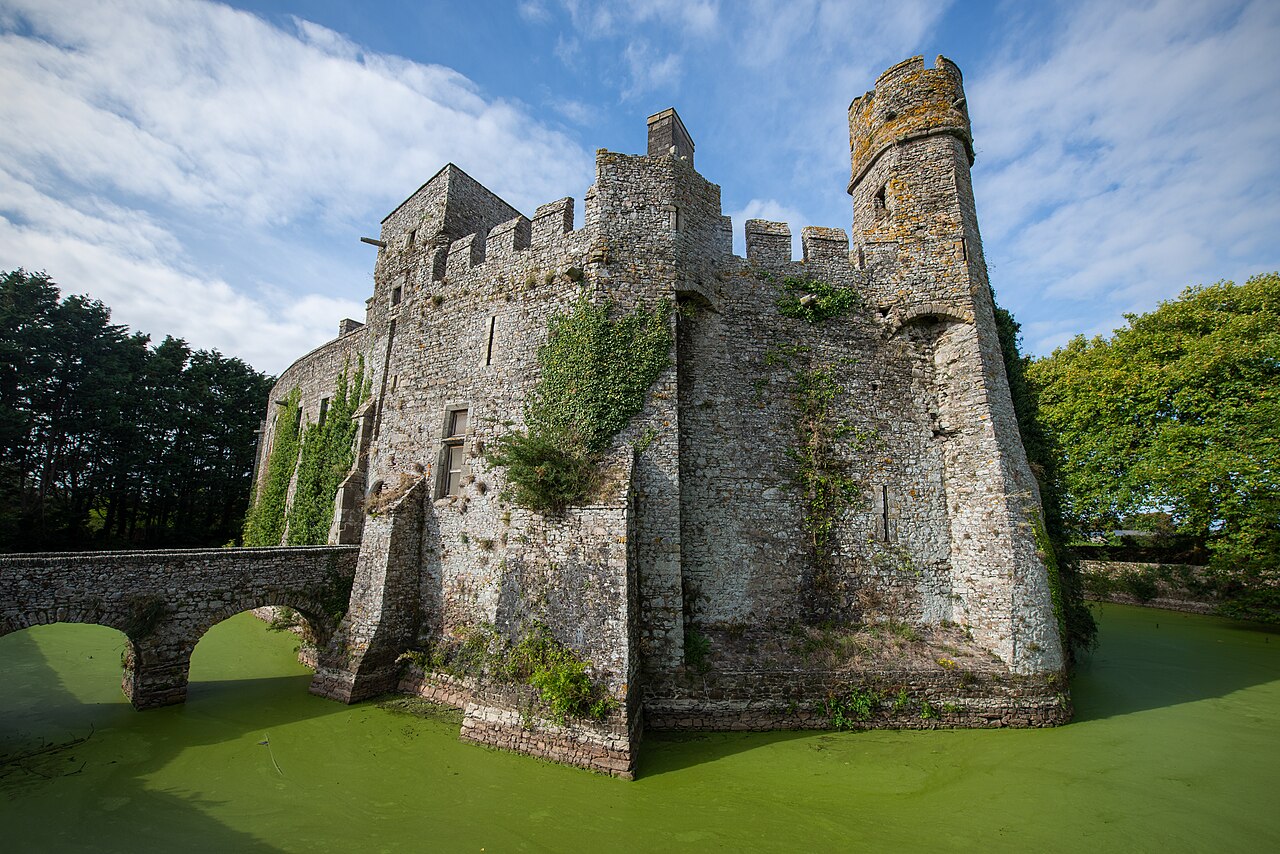
Architecturally, Gratot Castle is characterized by its moat-surrounded quadrangular enclosure, which is fed by a natural spring known as the "Fontaine à la Fée" or Fairy's Fountain. The moat and defensive walls underscore the castle's original military purpose, designed to protect its inhabitants during turbulent medieval times. The castle complex includes a main residence built primarily in the 15th century, with its façade later remodeled in the 17th century, showcasing a blend of medieval and early modern architectural styles.
Architectural features and structural evolution
Medieval towers and defensive elements
Among the most notable features of Gratot Castle are its two surviving towers from the medieval period. The Round Tower, constructed in the 15th century, retains strong defensive characteristics typical of the era. Its spiral staircase was ingeniously designed to restrict attackers' movements, allowing defenders to maintain the advantage during assaults. The tower also contains access to vaulted cellars beneath the castle and a guardroom at the top, where remnants of medieval mural paintings still endure.
The Fairy Tower (La tour de la fée), built towards the late 15th or early 16th century, exhibits a more decorative yet functional design. It features an octagonal base transitioning to a rectangular upper room, supported by architectural trompes. The tower's roof is adorned with balustrades and gargoyles, reflecting Renaissance influences and the d'Argouges family's status. This tower exemplifies the blend of military and residential architecture evolving during the late medieval period.
Main residence and later additions
The main residential building originally rose three stories high and contained approximately fifteen rooms. Its ground floor boasted large windows for light and comfort, while the upper floors featured high dormer windows with spires, indicative of the French Renaissance aesthetic. The roof was constructed in the mansard style, a hallmark of 17th and 18th-century French architecture, allowing for additional attic space.
A significant 18th-century pavilion was added to the castle grounds, fully restored today and used for exhibitions and cultural events. This pavilion features a mansard roof and modern amenities such as electricity, bridging the castle's historical legacy with contemporary use.
Historical context and ownership
The castle's history is closely intertwined with the fortunes of the d'Argouges family, barons and later marquises of Gratot. The family's roots in the region date back to the 13th century, with earlier lordship linked to the Gratot family in the 11th century. Gratot Castle witnessed significant historical events, including the conquest of Normandy by King Philip Augustus in 1204 and the turbulent periods of the Hundred Years' War, during which the castle changed hands multiple times.
Following the death of the last d'Argouges occupant around 1777, the castle was sold to various owners, including Guillaume-François Douessey. The French Revolution and subsequent social changes saw the castle pass into bourgeois hands. By the 19th century, the castle fell into neglect and was repurposed as farm buildings. It was abandoned entirely by the early 20th century, becoming overgrown and dilapidated.
Restoration and current use
Restoration efforts began in 1968, led by volunteers including Jean-Pierre Tiphaigne, who cleared rubble and initiated rebuilding. These efforts continued through the 1970s and 1980s, guided by historical documents and 19th-century paintings that depicted the castle as a romantic ruin. The restoration included rebuilding two towers with wooden roofs and restoring the 18th-century pavilion to functional condition.
Today, Gratot Castle is classified as a Monument historique by the French Ministry of Culture, recognizing its heritage significance. The castle is open to the public year-round, with a welcome desk and gift shop operating during summer months. Visitors can explore the ruins, including the moat, towers, vaulted cellars, and outbuildings. The site also hosts cultural activities such as art exhibitions and annual theatrical productions, enriching the local cultural landscape.
Cultural significance and legends
Beyond its architectural and historical importance, Gratot Castle is steeped in local folklore. One popular legend tells of a lord of Argouges who married a fairy named Andaine. The fairy imposed a condition that he must never utter the word "death." When he eventually broke this vow, the fairy vanished, adding a mystical dimension to the castle's story and enhancing its cultural identity.
The formal gardens and landscape
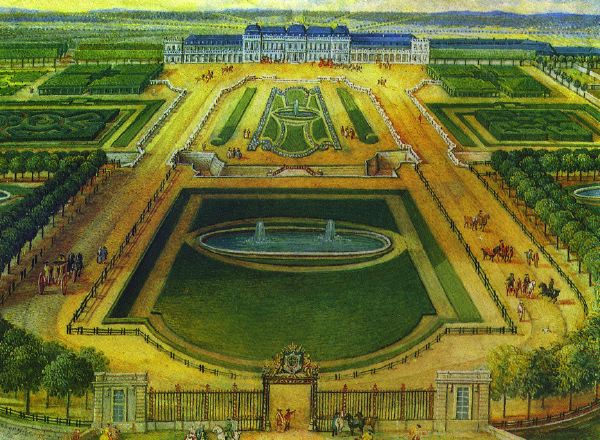
The castle's grounds once featured extensive formal French gardens, covering approximately 13,000 square meters. Although now largely in ruins, the garden's layout remains discernible, reflecting the grandeur and aesthetic ambitions of the castle's noble occupants. Current restoration efforts focus on reviving these gardens, aiming to restore paths and plantings to complement the historic site.
Visitor experience and facilities
Visitors to Gratot Castle can enjoy a well-preserved glimpse into medieval and early modern noble life. The castle's exhibition hall near the entrance offers an informative display titled "Eight centuries of life," detailing the castle's history and restoration journey. The site is accessible via a small multi-arched bridge crossing the moat, leading to the main entrance porch. Guided tours are available during peak seasons, while self-guided visitors can utilize detailed guidebooks throughout the year.
Frequently asked questions (FAQ)
- When was Gratot Castle originally built?
- Gratot Castle was originally constructed in the 13th century by the d'Argouges family, establishing its medieval origins.
- What architectural styles are visible at Gratot Castle?
- The castle features a mix of medieval defensive architecture and later Renaissance and 18th-century additions, including a mansard roof pavilion.
- Is Gratot Castle open to the public?
- Yes, Gratot Castle is open year-round with a welcome desk and gift shop available during summer months for visitors.
- What restoration efforts have been made at Gratot Castle?
- Restoration began in 1968 by volunteers, including clearing rubble and rebuilding towers, guided by historical documents and paintings.
- Are there any legends associated with Gratot Castle?
- Yes, a local legend tells of a lord who married a fairy named Andaine, who vanished after he broke a vow not to say the word 'death'.
Information
Opening hours
Year-round, welcome desk and gift shop open in summer
Ticket prices
Small fee
Current owner
Municipality
Website
Visit websiteAddress
80 Rue d'Argouges, Gratot, Manche, Normandy, France
Sources & official resources
Verify the information above using these authoritative references.
Loading map...
Visitor reviews
No reviews yet. Been here? Write the first review and help other travelers!
Write the first reviewVisited this castle? Share your experience
Your review helps other travelers and adds first-hand knowledge to our encyclopedia.