Gramvousa Fortress
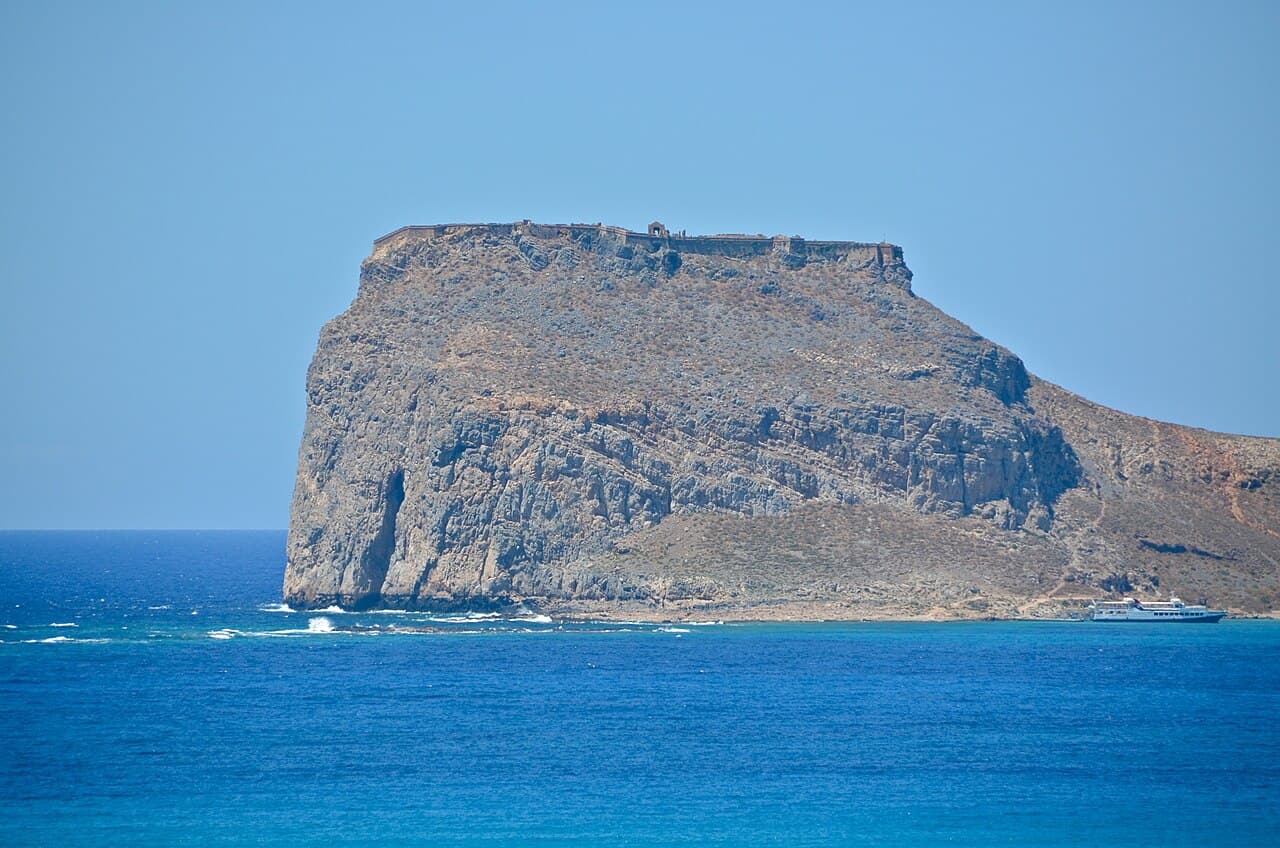
Gramvousa fortress is a significant Renaissance bastioned fortress located on Imeri Gramvousa island off the coast of Kíssamos, Crete, Greece. Constructed between 1579 and 1584 during the period of Venetian rule over Crete, the fortress was strategically built to defend the island and Venetian trade routes from the advancing Ottoman Turks. Its position on the island allowed control over maritime traffic in the region and served as a critical military base throughout several conflicts in the eastern Mediterranean.
Construction and architectural features
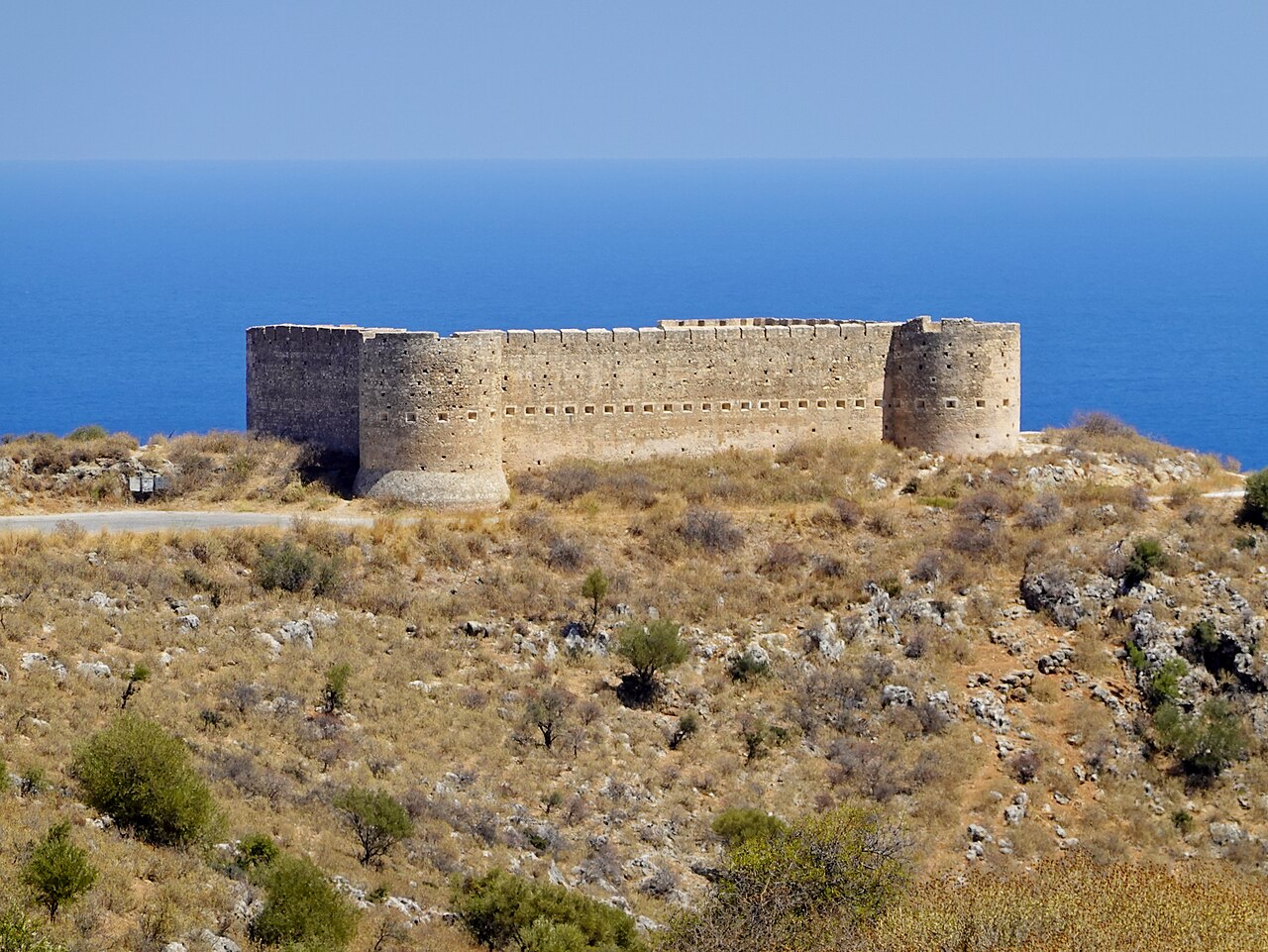
The fortress exemplifies Renaissance military architecture with its bastioned design, a style that emerged to counter the effectiveness of cannon fire and artillery in siege warfare. The walls of Gramvousa are thick and angled to deflect cannonballs, and the bastions provide overlapping fields of fire, allowing defenders to cover all approaches. The fortress is surrounded by a moat and features robust curtain walls, ramparts, and multiple defensive towers positioned to maximize defense against naval and land assaults.
Inside the fortress, there were facilities to support a garrison, including barracks, armories, and cisterns for water storage. The layout is compact but efficient, designed for prolonged defense and to withstand sieges. The fort's location on an island made resupply challenging but also provided a natural defensive advantage against land-based attacks.
Historical significance during Venetian and Ottoman conflicts
Gramvousa remained under Venetian control throughout the Cretan War (1645–1669), a prolonged conflict between Venice and the Ottoman Empire. Despite the fall of much of Crete to the Ottomans, the fortress was one of the few Venetian strongholds retained after the 1669 treaty that ceded Crete to Ottoman rule. Alongside the fortresses of Souda and Spinalonga, Gramvousa continued to protect Venetian interests and trade routes in the region.
In 1691, during the Morean War (another Ottoman-Venetian conflict), the fortress was surrendered to the Ottomans by the Neapolitan captain de la Giocca, who betrayed the Venetians for a bribe. This event marked the beginning of Ottoman control over Gramvousa, although the fortress and surrounding area remained a focal point for resistance.
Role in the Greek War of Independence and piracy
During the Greek War of Independence in the early 19th century, Gramvousa became a bastion for Cretan insurgents fighting against Ottoman rule. In 1825, a group of Cretans disguised as Turks captured the fortress, which then served as a base for revolutionary activities. The fort's natural defenses made it difficult for the Ottomans to recapture, and the insurgents held out for over two years despite being besieged.
With limited supplies, the defenders resorted to piracy, targeting Ottoman-Egyptian and European shipping in the region. This period, known as the "Gramvousa period," saw the fortress become a hub of klephtic activity. The population on the island organized itself, building a school and a church dedicated to the wives of the klephts, known as Panagia i Kleftrina.
In 1828, the Greek provisional government, under Governor Ioannis Kapodistrias, dispatched forces with British and French naval support to suppress piracy at Gramvousa. The pirate ships were destroyed, and the fortress came under British control briefly. Later that year, Hatzimichalis Dalianis landed with reinforcements to continue the fight for Cretan liberation.
Current status and tourism
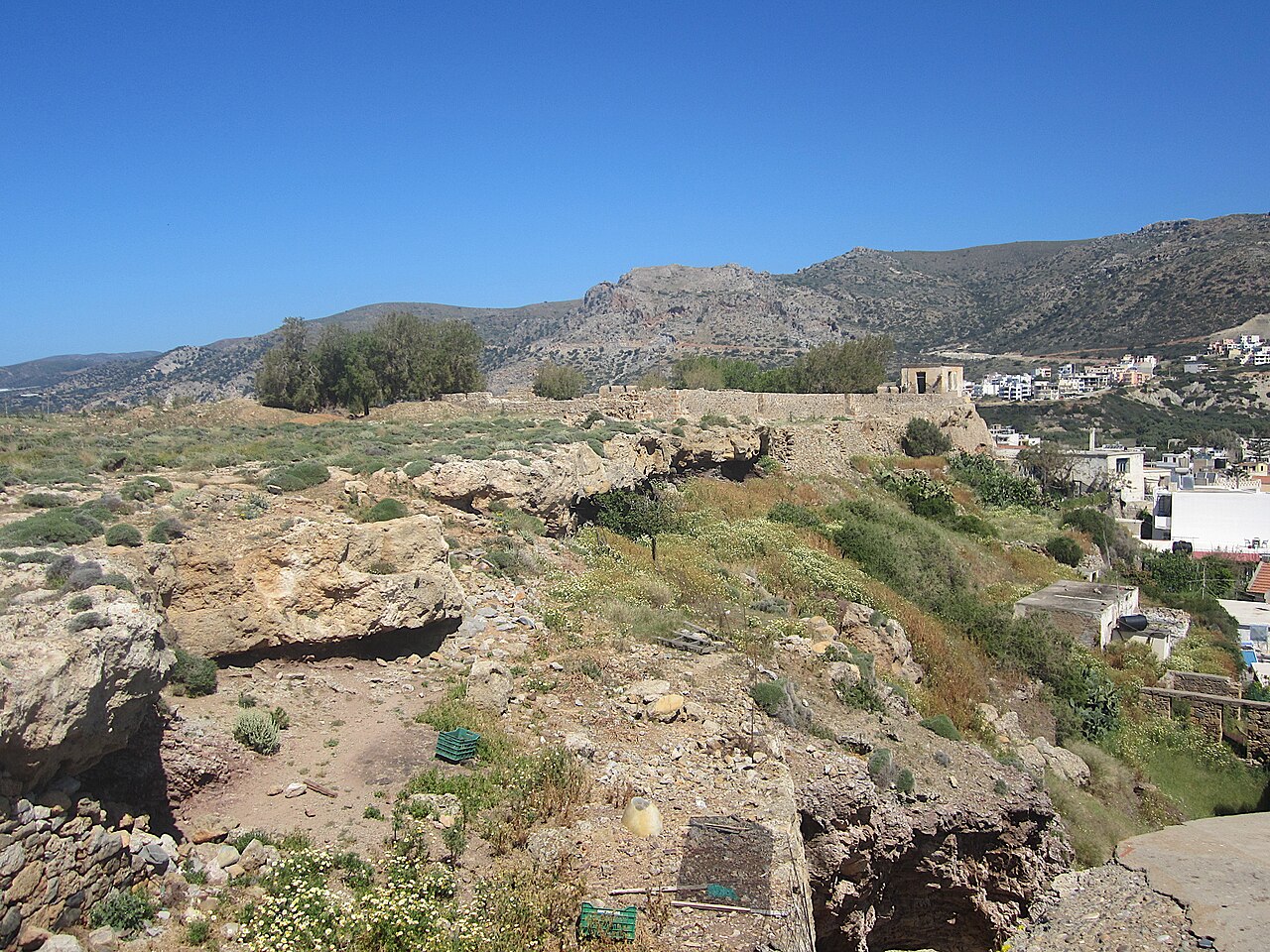
Today, Imeri Gramvousa and its fortress are popular tourist destinations, attracting visitors interested in the island's military history and stunning coastal views. The fortress remains partially preserved, with many of its defensive structures intact, allowing visitors to explore its bastions, walls, and internal buildings. The site offers insight into the complex history of Crete, from Venetian fortifications to Ottoman occupation and the Greek struggle for independence.
The island's natural beauty combined with the historical significance of the fortress makes Gramvousa a unique cultural and heritage landmark in the region.
Frequently asked questions (FAQ)
- How do I get to Gramvousa fortress?
- Gramvousa fortress is accessible by boat from the port of Kíssamos on Crete. Regular boat tours operate during the tourist season, providing convenient access to the island and the fortress.
- What is the historical significance of Gramvousa fortress?
- Gramvousa fortress played a key role during Venetian rule, the Ottoman occupation, and the Greek War of Independence. It was a strategic military base and a center of resistance and piracy in the 19th century.
- Can visitors explore the inside of the fortress?
- Yes, visitors can explore the bastions, walls, and internal buildings of Gramvousa fortress. Many of the defensive structures are partially preserved, offering a glimpse into Renaissance military architecture.
- When is the best time to visit Gramvousa fortress?
- The best time to visit Gramvousa fortress is during the spring and early autumn months when the weather is mild and the tourist crowds are smaller. Summer is also popular but can be hot and crowded.
- Is there an entrance fee to visit Gramvousa fortress?
- There is no entrance fee to visit Gramvousa fortress. Access to the island and the fortress is free, but visitors usually pay for boat transportation from Kíssamos port.
Photo gallery

Information
Current owner
Greek state
Loading map...
Visitor reviews
No reviews yet. Been here? Write the first review and help other travelers!
Write the first reviewVisited this castle? Share your experience
Your review helps other travelers and adds first-hand knowledge to our encyclopedia.